The Industrial Revolution started off during the 18th century, initially in Britain. Select those inventions from the period 1760-1840 that contributed to the progress made in Britain.
Average, 10 Qns, suomy,
Sep 20 25
 While some revolutions result in the overthrow of a government, others radically change life. What do you know about the events leading to the Industrial Revolution in England?
 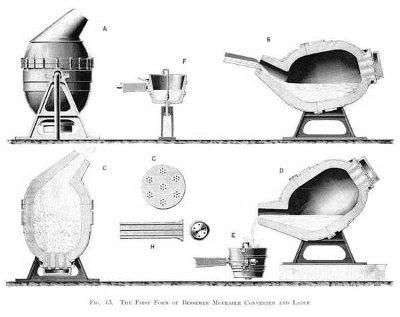 Also known as the Technological Revolution, the Second Industrial Revolution produced the widespread use of machinery. What do you know about the later inventions?
 |
|
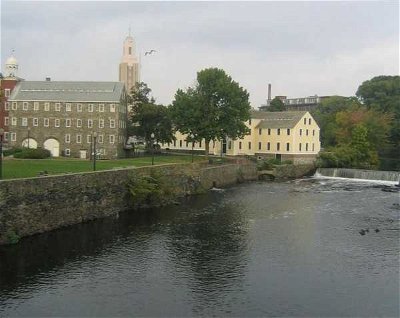 Although the Industrial Revolution began in England, it didn't take long for the ideas to spread to the United States. What do you know about the Industrial Revolution in America?
 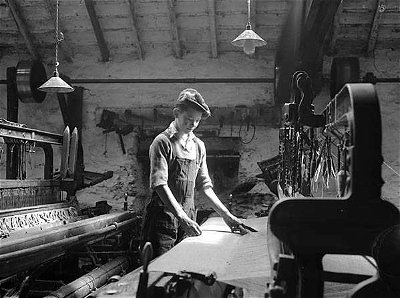 The Industrial Revolution was a major turning point in history. Can you answer the following questions which deal with the beginning of the Industrial Revolution in England?
 |
|
 Quick Question
 = Top 5% Rated Quiz,
 Top 10% Rated Quiz,
 Top 20% Rated Quiz,
 A Well Rated Quiz
 =
added recently,
=
added recently,  = Editor's Pick
 = FunTrivia Editor
  = Gold Member
· All questions, answers, and quiz content on this website is copyright FunTrivia, Inc and may not be reproduced without permission. Any images from TV shows and movies are copyright their studios, and are being used under "fair use" for commentary and education.