12. Who taught viticulture (the cultivation of grapes) and viniculture (the secrets of winemaking) to ancient Athenians?
From Quiz Ten Myths from Ancient Greece
Answer:
Icarius, an Athenean aristocrat, father of Erigone
During Pandion's reign, Dionysus visited Attica and became a good friend of Icarius, who was cordial towards the God and gave him residence. Icarius learned from Dionysus all the secrets of viticulture and the making of wine, which he started teaching to the Atheneans. During that visit the Wine God had a love affair with Icarius' daughter, Erigone, and gave her a son, Staphylus.
Unfortunately Erigone had a very tragic end. Dionysus had given Icarius some pretty strong wine as a gift. When Icarius tasted it he liked it so much that he immediately went out to the fields with his chariot to share it with his shepherds. They all drank from it, became very intoxicated and passed out. When they woke up, they thought that Icarius had tried to poison them, so they hunted him down and killed him. Icarius' dog alerted Erigone and led her to her father's unburied corpse. Erigone, devastated, buried her father and then hanged herself from a tree, above his grave.



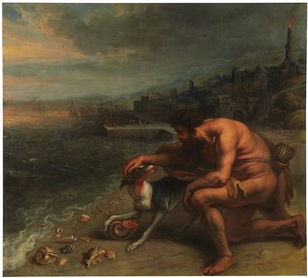 Originally children of reigning monarchs were said to have been born into the purple, a reference to a color that was so valuable only the very wealthy could afford to wear it. The Greeks devised a myth to explain how this color came into existence.
  Quick Question
 = Top 5% Rated Quiz,
 Top 10% Rated Quiz,
 Top 20% Rated Quiz,
 A Well Rated Quiz
 =
added recently,
=
added recently,  = Editor's Pick
 = FunTrivia Editor
  = Gold Member
