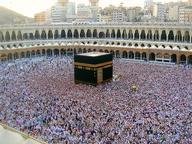

This is my adopted quiz on Hajj. Good Luck!

New Game, 10 Qns, cavalier87,
Jun 05 26
|
|
 Quick Question
 = Top 5% Rated Quiz,
 Top 10% Rated Quiz,
 Top 20% Rated Quiz,
 A Well Rated Quiz
 =
added recently,
=
added recently,  = Editor's Pick
 = FunTrivia Editor
  = Gold Member
· All questions, answers, and quiz content on this website is copyright FunTrivia, Inc and may not be reproduced without permission. Any images from TV shows and movies are copyright their studios, and are being used under "fair use" for commentary and education.
