

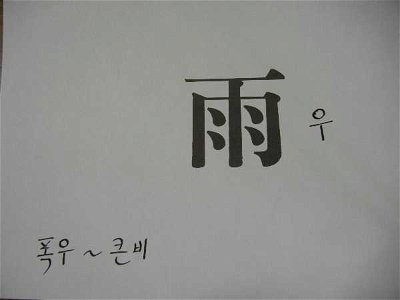
 This quiz is a brief pictorial introduction to Sino-Korean characters. The characters are known as Hanja in Korean and Kanji in Japanese. I will provide some hints for the basic meaning of each character.
 Easier, 10 Qns, christopherm,
Jul 07 13
This quiz is a brief pictorial introduction to Sino-Korean characters. The characters are known as Hanja in Korean and Kanji in Japanese. I will provide some hints for the basic meaning of each character. 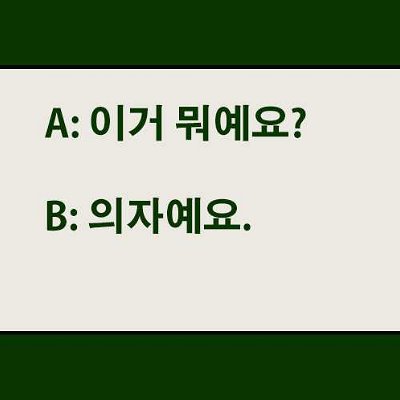 Practice some beginner Korean using the verbs "to be" (i-da) and "to exist/have" (it-da). I will be using the informal polite style and you must be able to read Hangul.
 |
|
 Quick Question
 = Top 5% Rated Quiz,
 Top 10% Rated Quiz,
 Top 20% Rated Quiz,
 A Well Rated Quiz
 =
added recently,
=
added recently,  = Editor's Pick
 = FunTrivia Editor
  = Gold Member
· All questions, answers, and quiz content on this website is copyright FunTrivia, Inc and may not be reproduced without permission. Any images from TV shows and movies are copyright their studios, and are being used under "fair use" for commentary and education.