
FREE! Click here to Join FunTrivia. Thousands of games, quizzes, and lots more!
Quiz about Facing It Head On

Facing It Head On Trivia Quiz


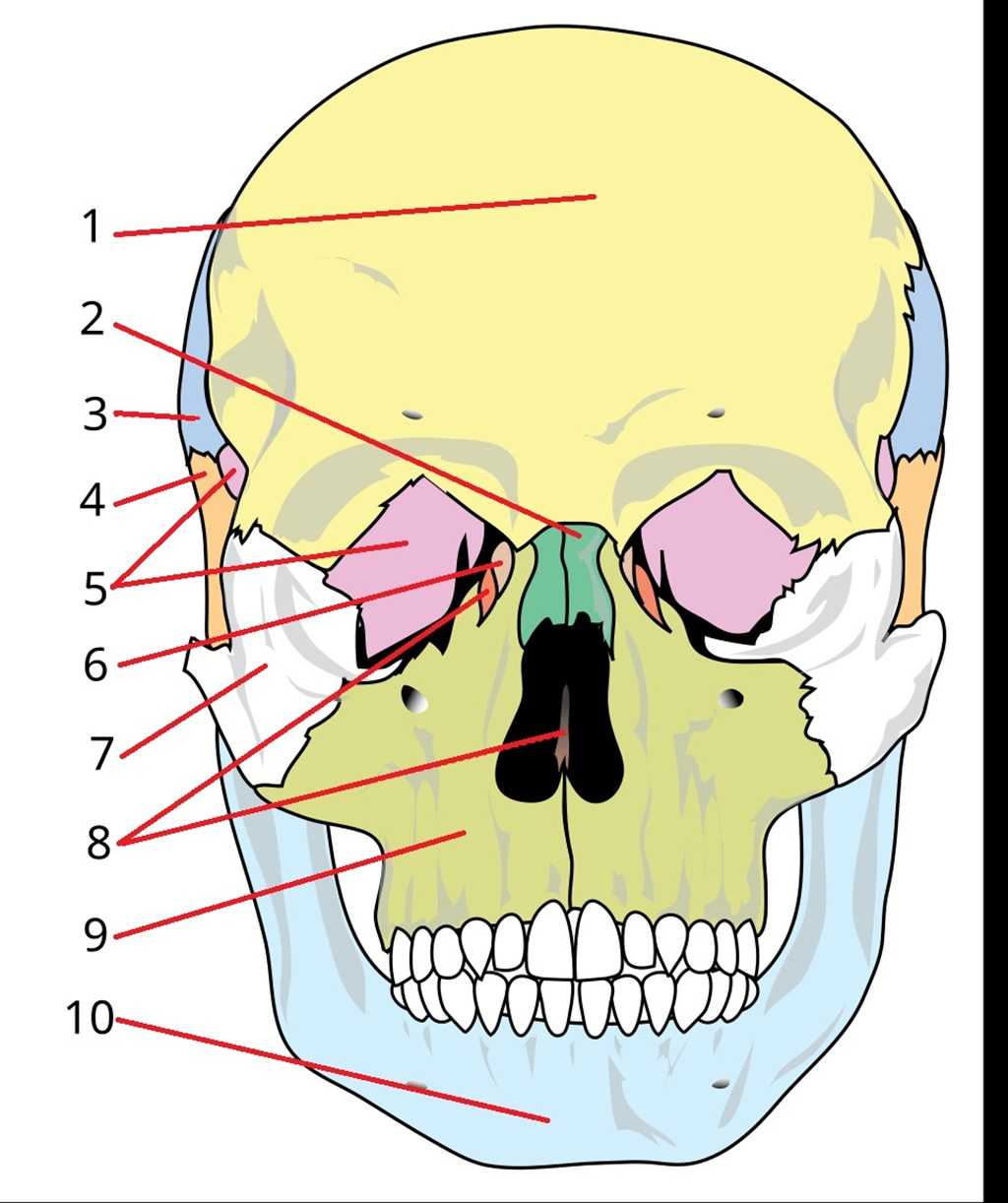
Are you ready to face my challenge? See if you can keep your head and correctly label the bones of the face (and surrounding structures) on the diagram.

A label quiz by reedy. Estimated time: 3 mins.
  1. Home
  2. »
  3. Quizzes
  4. »
  5. Science Trivia
  6. »
  7. Human Body
  8. »
  9. Skeletal System

Author
reedy
Time
3 mins
Type
Label Quiz
Quiz #
423,670
Updated
Apr 02 26
# Qns
10
Difficulty
Average
Avg Score
7 / 10
Plays
29
Last 3 plays: TurkishLizzy (4/10), debbitts (10/10), Iva9Brain (10/10).
Click on image to zoom
Ethmoid bone Temporal bones Frontal bone Zygomatic bones Mandible Maxilla Lacrimal bones Sphenoid bone Nasal bones Parietal bones
* Drag / drop or click on the choices above to move them to the answer list.
View Image Attributions for This Quiz
1.   
2.   
3.   
4.   
5.   
6.   
7.   
8.   
9.   
10.   

Most Recent Scores
Today : TurkishLizzy: 4/10
Today : debbitts: 10/10
Today : Iva9Brain: 10/10
Today : lethisen250582: 10/10
Today : malidog: 6/10
Today : idlern: 6/10
Today : Guest 71: 2/10
Today : dellastreet: 10/10
Today : cowalsh: 1/10

Quiz Answer Key and Fun Facts
1. Frontal bone

The frontal bone forms the entire forehead and the upper rim of the eye sockets. It acts like a protective shield for the front portion of the brain while also giving the face much of its height and contour. Besides shaping the brow area, it helps create part of the roof of the nasal cavity and provides attachment points for facial muscles that allow expressions like raising the eyebrows or frowning.
2. Nasal bones

The nasal bones are two small, narrow pieces of bone that sit side by side at the bridge of the nose. They give the top of the nose its shape and firmness, creating the ridge you can feel beneath the skin. These bones help support the cartilage lower down and form part of the doorway into the nasal cavity.
3. Parietal bones

The parietal bones are a pair of large, curved bones that make up the upper sides and roof of the skull. They meet along the top of the head and create much of the rounded dome that protects the brain. Although not part of the face, they influence the head's overall shape and connect with several other major skull bones.
4. Temporal bones

The temporal bones sit on each side of the skull near the ears and contain some of the most delicate structures involved in hearing and balance. They form the region we think of as the temples, shape part of the cheek area, and help create the base of the skull. These bones also house the ear canal and provide a secure spot where the lower jaw attaches and moves.
5. Sphenoid bone

The sphenoid bone is a deep, wedge‑shaped bone located behind the eyes, where it forms part of the floor of the skull and the back of the eye sockets. Because it connects with numerous other skull bones, it acts like a central support piece that helps hold the entire structure together. Even though you cannot see it from the outside, it plays a major role in the overall stability of the skull.
6. Lacrimal bones

Among the smallest bones in the face, the lacrimal bones lie in the inner corners of the eye sockets. Their position helps create the channel through which tears drain into the nasal area. Despite their tiny size, they contribute to the shape of the eyes and play a functional role in the tear system.
7. Zygomatic bones

The zygomatic bones are the well-known cheekbones that give the face much of its width and structure. They form the outer edge of each eye socket and help support the facial muscles involved in expressions like smiling. Their shape adds definition to the mid-face and connects the upper jaw to the bones around the eyes.
8. Ethmoid bone

The ethmoid bone sits between the eyes, forming part of the nasal cavity and the inner wall of each eye socket. It is a light, delicate bone full of small air spaces that contribute to the sinuses. This bone also helps support the structures involved in the sense of smell, making it both functional and surprisingly intricate.
9. Maxilla

The maxilla, or upper jaw, holds the upper teeth and shapes the middle portion of the face. It helps form the floor of the eyes, the sides of the nose, and the roof of the mouth, making it one of the most structurally important facial bones. Because it anchors major facial muscles, it plays a key role in chewing, speaking, and creating facial expressions.
10. Mandible

The mandible is the lower jawbone and is the only major part of the skull that moves freely. It supports the lower teeth and creates the chin, giving the lower face its shape. By articulating with the temporal bones, it enables chewing, talking, and a wide range of jaw movements essential for daily life.
Source: Author reedy

This quiz was reviewed by FunTrivia editor rossian before going online.
Any errors found in FunTrivia content are routinely corrected through our feedback system.
Related Quizzes
1. Skeleton Key Easier
2. The Human Skull Average
3. Digging Up the Bones Easier
4. Dem Bones Easier
5. Bone Dry Easier
6. Pick A Bone Very Easy
7. Size Up the Skeleton Average
8. Them Bones, Them Bones Easier
9. Medical Meanings: Names of Bones Average
10. Dem Bones, Dem Dry Bones Average
11. Bones - Without Them, You'd be a Puddle Average
12. Bones of Contention Easier

4/2/2026, Copyright 2026 FunTrivia, Inc. - Report an Error / Contact Us