FREE! Click here to Join FunTrivia. Thousands of games, quizzes, and lots more!
Quiz about Animals of the Okavango Delta

Animals of the Okavango Delta Trivia Quiz


The African Okavango Delta area is home to an astounding array of animals. Fill in the blanks to learn a bit more about these creatures and their role within the environment.

by stephgm67. Estimated time: 4 mins.
  1. Home
  2. »
  3. Quizzes
  4. »
  5. Animal Trivia
  6. »
  7. Animals by Region
  8. »
  9. Africa

Author
stephgm67
Time
4 mins
Type
Quiz #
423,440
Updated
Mar 28 26
# Qns
19
Difficulty
Easy
Avg Score
17 / 19
Plays
22
Last 3 plays: MargW (17/19), Guest 174 (19/19), zevan (19/19).
The Okavango Delta in the country of is one of the world's most unique inland water systems, creating a lush oasis in the middle of the Desert. The African is considered the "architect" of the delta. As they move through the , their massive weight tramples the plants, thus creating "highways" in the water. They also knock down baobab to open up the growth of grasses.

When the waters transform the landscape into a labyrinth of lagoons and channels, animals take center stage and act as "maintenance engineers". The large grazes for plants at night and submerges in the water in the day. Their transfers valuable nutrients into the waterways. Their neighbor, the shy , is an antelope that has a unique waterproof coat and creates through the papyrus for other animals.

The carnivores of the area are the "population control" masters. The is a legendary hunter there as it has physically adapted to the watery environment and can even bring down Cape . The endangered African uses its incredible endurance to help maintain the antelope population. The , with its strong jaws, is vital for consuming the remains of carcasses that other predators have left behind.

The birds in the delta are the "ecosystem sentinels" as they are highly sensitive to the water quality and flow. At the top of the avian food chain are the powerful , such as the fish and Pel's fishing . The slaty , a rare waterbird, eats the fish and insects that antelope stir up, showcasing species' teamwork. Smaller birds, such as the jacana or the Malachite help sculpt and aerate the edges of the waterways.
Your Options
[raptors] [trees] [Kalahari] [hyena] [owl] [semi-aquatic] [buffalo] [vegetation] [sitatunga] [Botswana] [wild dog] [eagle] [lion] [dung] [elephant] [egret] [kingfisher] [tunnels] [hippo]

Click or drag the options above to the spaces in the text.


Most Recent Scores
Today : MargW: 17/19
Today : Guest 174: 19/19
Today : zevan: 19/19
Today : Guest 51: 17/19
Today : cbushman: 16/19
Today : robdehaan: 15/19
Today : Guest 71: 0/19
Today : curdman: 17/19
Today : xchasbox: 12/19

Quiz Answer Key and Fun Facts
Answer:

The daily activities of the African elephant literally change the physical shape of the Okavango Delta. The very act of moving their large bodies through the area creates a unique network of water channels. This also changes and creates the flow of water which helps keep the landscape from being choked with silt. By knocking down large trees to reach the upper leaves, the elephants open up the canopy. This allows sunlight to reach the ground, promoting the growth of grasses that support grazing animals like zebras and wildebeests. During the dry season, they use their powerful trunks and tusks to dig deep into dry riverbeds to reach underground springs.

Hippos follow the same underwater paths every night as they move from deep lagoons to their grazing grounds on the islands. These "hippo trails" act as deep water canals. Their dung provides a massive influx of nitrogen and phosphorus into the water, which fuels the growth of algae and microscopic organisms that form the base of the area's food chain. Also, the deep pools hippos stir up provide refuge for various fish species, particularly during the low-water season when smaller ponds might otherwise dry up or overheat. The sitatunga is often called the "ghost of the delta" because it is the most elusive and specialized antelope in Africa. It actually lives in the water, utilizing things such as snowshoe-like hooves, a waterproof coat, and a nose that can act like a snorkel.

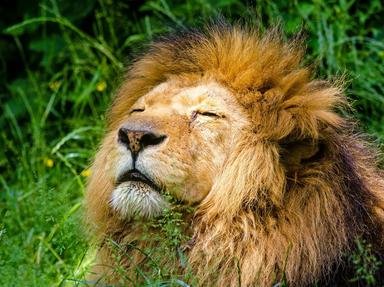
Because they must traverse deep channels and hunt in thick mud, the lions of the delta have developed significantly more muscular forequarters and broader shoulders than their savannah-dwelling cousins. They use water to their advantage, driving large animals like the Cape buffalo into the mud to be mired and hunted. Wild dogs are endurance hunters. These endangered animals chase prey across the floodplains until the animal tires. This helps them maintain the growing population of antelope and other prey. Though they are excellent hunters themselves, hyenas eat the carcasses of dead animals which prevents the spread of disease.

With over 440 recorded species, birds are the Okavango Delta's most diverse group of animals. The African fish eagle, a raptor nesting high in the trees, requires a healthy fish population to thrive. The ginger-colored Pel's fishing owl is one of the few owls in the world that specializes in fishing while also balancing the population of surface-dwelling fish and frogs. Nearly 80% of the world's population of the slaty egret water bird lives in the delta. They prefer to forage in shallow waters alongside antelope. As the larger animals move through the water, they disturb small fish and insects, which the egrets then snap up. The Malachite kingfisher excavates long tunnels into the riverbanks which helps aerate the area. The jacanas use loud, screeching calls to warn other animals that a predator is approaching.
Source: Author stephgm67

This quiz was reviewed by FunTrivia editor rossian before going online.
Any errors found in FunTrivia content are routinely corrected through our feedback system.
3/28/2026, Copyright 2026 FunTrivia, Inc. - Report an Error / Contact Us