FREE! Click here to Join FunTrivia. Thousands of games, quizzes, and lots more!
Quiz about Fire and Brimstone

Fire and Brimstone Trivia Quiz

History's Disasters Photographed

The world isn't always a friendly place, and sometimes photographers are there to capture the worst. Match each disaster photo with the year/location.

by trident. Estimated time: 3 mins.
  1. Home
  2. »
  3. Quizzes
  4. »
  5. History Trivia
  6. »
  7. Specialized History
  8. »
  9. Disasters

Author
trident
Time
3 mins
Type
Quiz #
414,027
Updated
Apr 29 26
# Qns
12
Difficulty
Average
Avg Score
9 / 12
Plays
1163
Awards
Top 5% quiz!
Last 3 plays: Guest 165 (2/12), Guest 103 (12/12), Guest 38 (12/12).
Drag-Drop or Click from Right
Options
Donbas, Ukraine - 2014 Bengal - 1943 Pripyat, Ukraine - 1986 New Jersey - 1937 New York City - 1911 New Orleans - 2005 Washington - 1980 Cape Canaveral - 1986 Beirut - 2020 Australia - 2020 Alaska - 1989 Indonesia - 2004


 View Image Attributions for This Quiz

Most Recent Scores
Apr 30 2026 : Guest 165: 2/12
Apr 25 2026 : Guest 103: 12/12
Apr 17 2026 : Guest 38: 12/12
Apr 15 2026 : Guest 47: 12/12
Apr 06 2026 : Guest 174: 10/12
Apr 04 2026 : Guest 90: 9/12
Mar 31 2026 : ozzz2002: 12/12
Mar 28 2026 : masfon: 12/12
Mar 17 2026 : Guest 96: 10/12

Quiz Answer Key and Fun Facts
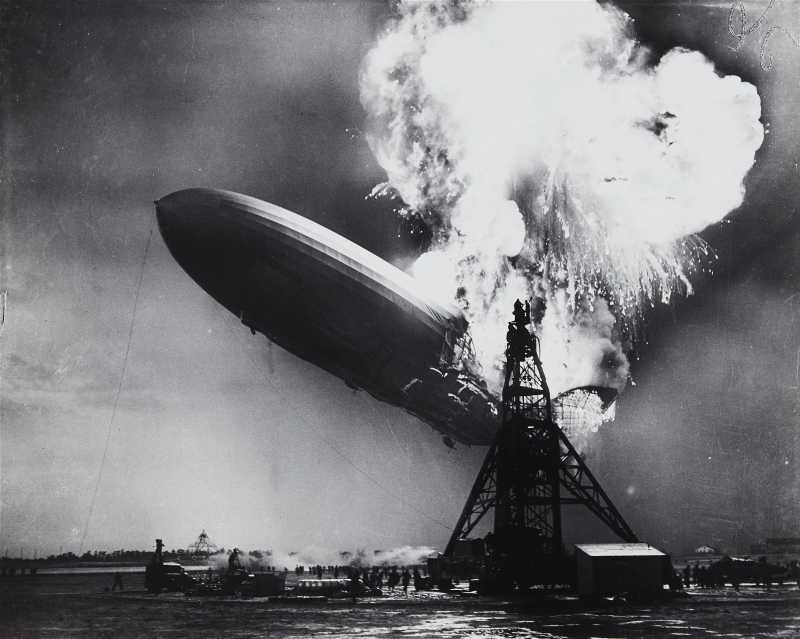
1. New Jersey - 1937

Few disasters have left such a lasting impression on the public imagination as the Hindenburg explosion. On May 6, 1937, the German passenger airship LZ 129 Hindenburg was preparing to land at the Naval Air Station in Lakehurst, New Jersey. As it approached the mooring mast, the massive vessel suddenly ignited, erupting into flames and quickly becoming an uncontrollable inferno.

A total of 36 people died in the disaster, including 13 passengers and 22 crew members. During rescue efforts, one ground crew member was also killed. Investigations later pointed to several contributing factors: the use of highly flammable hydrogen gas, a possible electrostatic discharge, and the combustible coating on the airship's exterior. In the aftermath, confidence in airships collapsed, and airplanes began to replace them as the preferred method for long-distance travel.
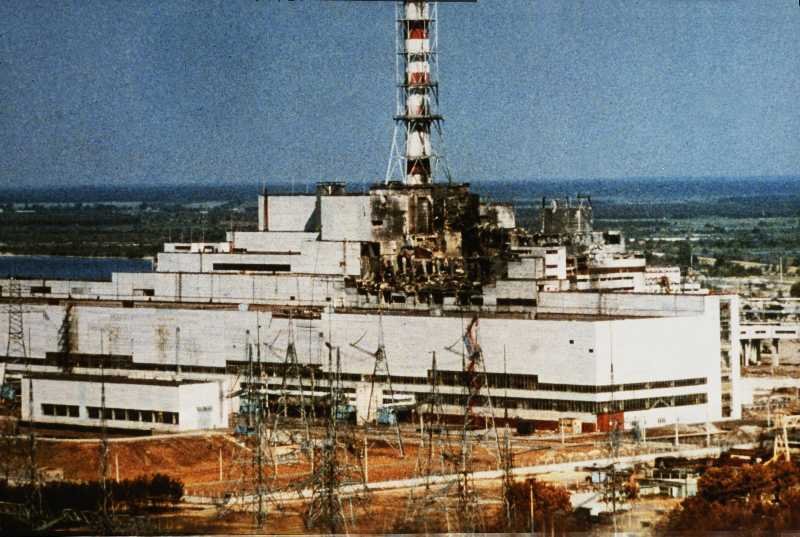
2. Pripyat, Ukraine - 1986

On April 26, 1986, a catastrophic explosion tore through the Chernobyl Nuclear Power Plant in Pripyat, then part of the Soviet Union. Fires followed the blast, releasing large quantities of radioactive material into the atmosphere and spreading contamination across much of Europe.

Initially, two workers died in the explosion itself. In the weeks that followed, 28 firefighters and plant workers succumbed to acute radiation sickness. Long-term consequences proved even more severe, with estimates of cancer-related deaths ranging from several thousand to tens of thousands. The disaster forced the abandonment of Pripyat and reshaped global attitudes toward nuclear safety.
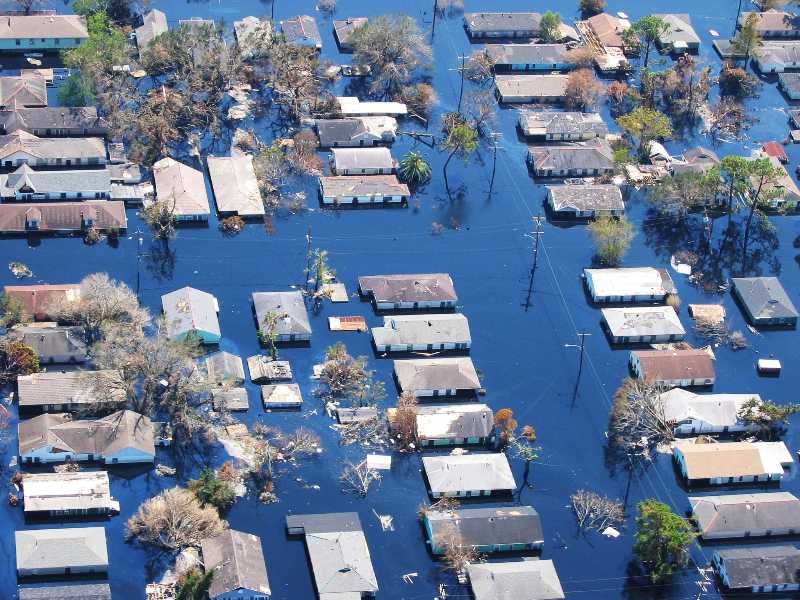
3. New Orleans - 2005

When Hurricane Katrina struck the Gulf Coast in August 2005, it brought devastation on an enormous scale. New Orleans, in particular, suffered catastrophic flooding after the city's levee system failed. Storm surges and relentless rainfall overwhelmed the defenses, leaving about 80 percent of the city underwater.

In the chaos that followed, tens of thousands of residents were stranded, many on rooftops, awaiting rescue. More than 1,800 people lost their lives across the region. Infrastructure collapsed, homes were destroyed, and entire communities were displaced. The disaster also exposed serious weaknesses in emergency response systems and highlighted deep socioeconomic inequalities.
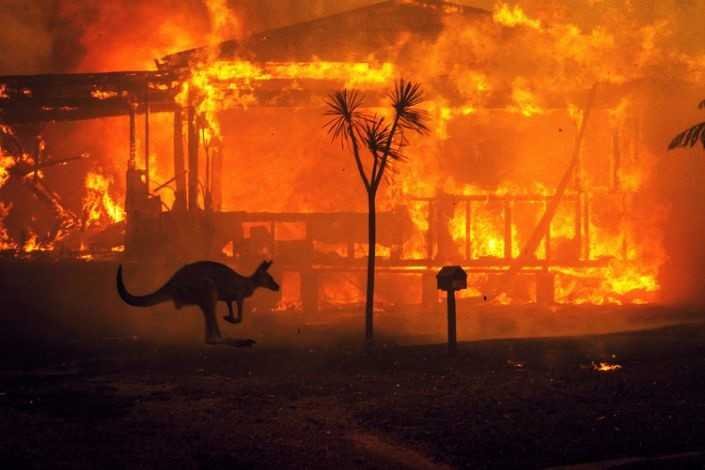
4. Australia - 2020

Often referred to as the "Black Summer," the Australian wildfires of 2019 and 2020 were unlike anything the country had seen before. Driven by drought, extreme heat, and strong winds, the fires spread rapidly across multiple states, with New South Wales and Victoria experiencing the most severe damage.

The human toll reached 33 lives, including firefighters and civilians. Wildlife losses were staggering, with over 3 billion animals estimated to have died or lost their habitats. Thousands of homes were destroyed, and vast areas of land were reduced to ash. These fires intensified global discussions about climate change and the need for stronger disaster preparedness.
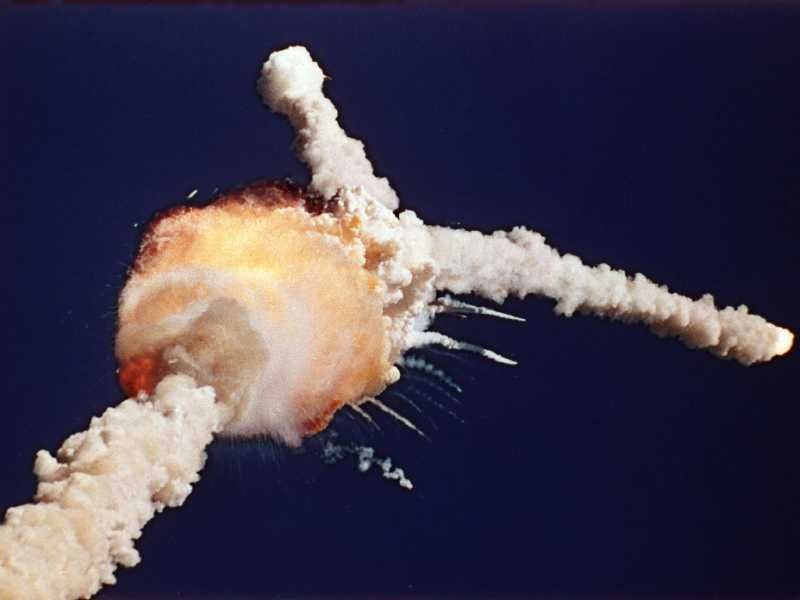
5. Cape Canaveral - 1986

The explosion of the Space Shuttle Challenger on January 28, 1986, remains one of the most widely witnessed tragedies in space exploration. Just 73 seconds after liftoff from Kennedy Space Center, the shuttle broke apart mid-air following the failure of its right solid rocket booster.

All seven crew members died, including teacher Christa McAuliffe and astronauts Francis Scobee, Michael Smith, Ronald McNair, Ellison Onizuka, Judith Resnik, and Gregory Jarvis. The cause was traced to a faulty O-ring seal, made worse by unusually cold temperatures. In response, NASA suspended shuttle flights and overhauled its safety procedures, while the nation mourned the loss.
6. Bengal - 1943

During World War II, Bengal experienced one of the deadliest famines of the 20th century. The crisis, which unfolded in 1943 under British colonial rule, stemmed from a combination of disrupted rice imports, crop destruction from a cyclone, and wartime policies that redirected resources.

In the image included, a man and his son search desperately for food. Between 2 and 3 million people ultimately died from starvation and related diseases. The British administration faced intense criticism for its inadequate response, and the famine remains a stark example of how policy failures can worsen humanitarian disasters.
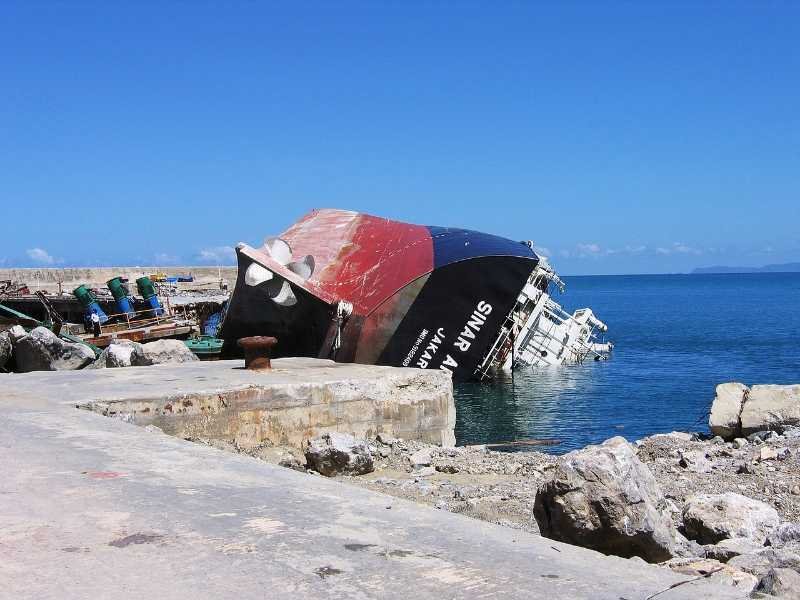
7. Indonesia - 2004

A massive undersea earthquake struck off the coast of northern Sumatra on December 26, 2004. Measuring between 9.1 and 9.3 in magnitude, it triggered a series of tsunamis that swept across the Indian Ocean, reaching 14 countries.

Indonesia suffered the greatest losses, with approximately 170,000 deaths. Entire coastal communities were wiped out, and infrastructure was left in ruins. The scale of destruction led to renewed global efforts to establish early warning systems and improve disaster preparedness in vulnerable regions.
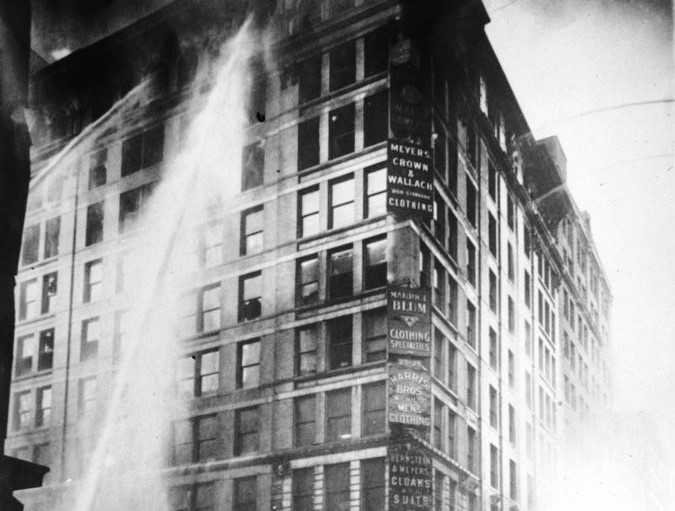
8. New York City - 1911

In Manhattan, on March 25, 1911, a fire broke out at the Triangle Shirtwaist Factory, located in the Asch Building. Due to locked exits, unsafe conditions, and flammable materials, the fire spread rapidly and left workers with few options for escape.

A total of 146 people died, most of them young immigrant women. Some perished in the flames, while others jumped from upper floors. Public outrage following the tragedy led to sweeping reforms in labor laws and workplace safety regulations across the United States.
9. Alaska - 1989

On March 24, 1989, the oil tanker Exxon Valdez ran aground in Prince William Sound, spilling roughly 11 million gallons of crude oil into the surrounding waters. The environmental damage was immediate and severe.

Thousands of seabirds, fish, and marine mammals died, and the long-term ecological effects lingered for years. Local industries, especially fishing and tourism, suffered significant losses. In response, new regulations and prevention strategies were introduced, along with major financial settlements from Exxon.
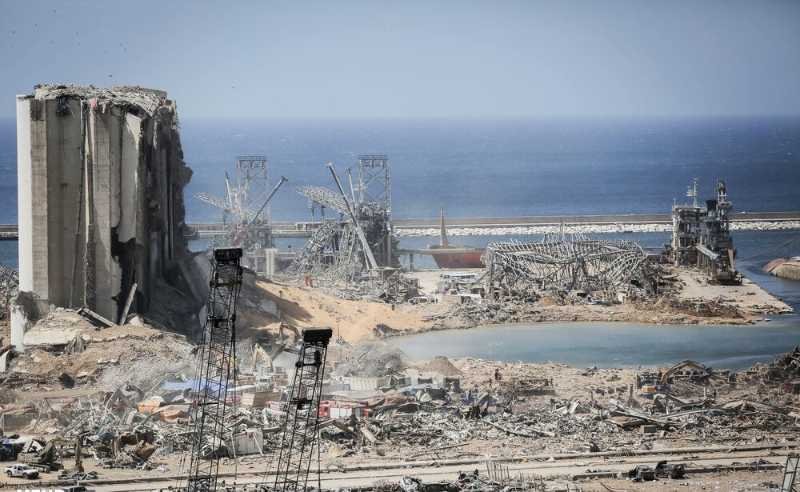
10. Beirut - 2020

A massive explosion shook Beirut on August 4, 2020, when 2,750 tons of ammonium nitrate stored at the city's port detonated. The blast produced a powerful shockwave that devastated large parts of the city.

More than 200 people were killed, thousands were injured, and hundreds of thousands were left homeless. Already facing economic and political instability, Lebanon was pushed further into crisis. The disaster also triggered widespread protests, with many blaming government negligence and corruption.
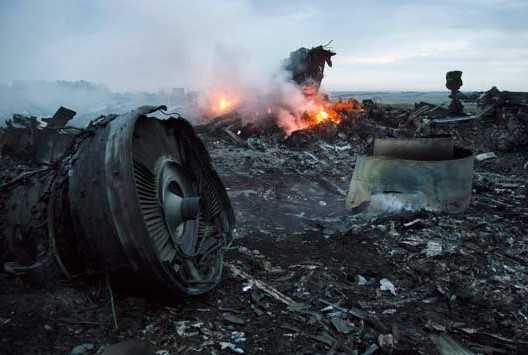
11. Donbas, Ukraine - 2014

Malaysia Airlines Flight 17 was en route from Amsterdam to Kuala Lumpur on July 17, 2014, when it was shot down over eastern Ukraine. The aircraft, a Boeing 777, was flying through a region affected by armed conflict between Ukrainian forces and pro-Russian separatists.

All 298 people on board were killed. Investigations later concluded that a surface-to-air missile, likely supplied by Russia, caused the destruction. The incident drew international condemnation and underscored the dangers of flying over conflict zones.
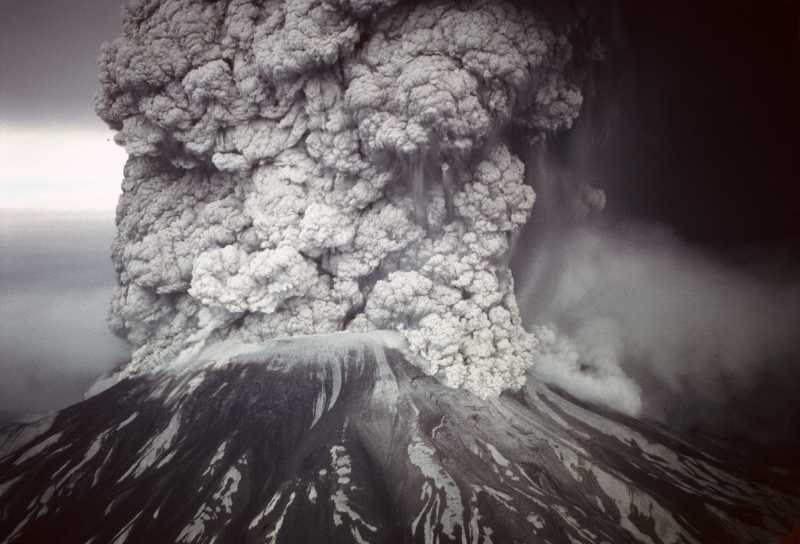
12. Washington - 1980

After weeks of volcanic activity, Mount St. Helens erupted on May 18, 1980. The eruption began with a massive landslide on the mountain's northern flank, which triggered a powerful explosion.

Ash, steam, and gas shot into the atmosphere, reaching heights of up to 80,000 feet. The blast flattened forests, destroyed infrastructure, and reshaped the landscape. Fifty-seven people died, including scientists and nearby residents.
Source: Author trident

This quiz was reviewed by FunTrivia editor ponycargirl before going online.
Any errors found in FunTrivia content are routinely corrected through our feedback system.
5/5/2026, Copyright 2026 FunTrivia, Inc. - Report an Error / Contact Us