Last 3 plays: Guest 204 (3/15), runaway_drive (3/15), jasa9092 (6/15).
Select all the dogs in the list and avoid the non-dogs. BE CAREFUL, just cause something is called a dog, doesn't mean it is one.
There are 15 correct entries. Get 2 incorrect and the game ends.
corsac Cordozar xoloitzcuintli prairie dog hyena jackal Sirius Sechuran zorrowolf dingo coyote culpeo mudi chilla asse tanukiaxolotl fox dhole maikong
Left click to select the correct answers. Right click if using a keyboard to cross out things you know are incorrect to help you narrow things down.
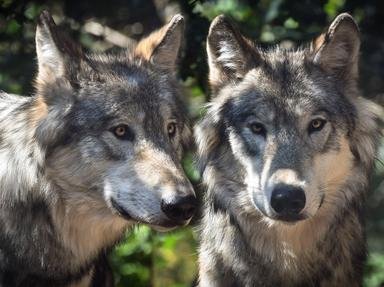
Wolf - The wolf is the largest wild member of the dog family and an apex predator. They live and hunt in social groups called packs, but the idea that they are led by an alpha or alpha pair has largely been disproven. Their howling, a staple of cowboy movies, serves as a vital tool for long-distance communication and territorial defense.
Coyote - The coyote is a highly intelligent and adaptable canine native to North America. They thrive in a large number of places, from deep wilderness to densely populated urban areas. Known for their opportunistic diet, they hunt small mammals but will also consume fruit, insects, carrion, and garbage.
Fox - Foxes are small-to-medium omnivorous mammals famous for their bushy tails and proverbial clever nature. Unlike most canines, they are solitary hunters that do not live or hunt in packs. They possess exceptional hearing and agility, allowing them to pounce accurately on prey hidden under snow or grass.
Dingo - The dingo is Australia's wild dog and, surprisingly, they are descended from pets brought from Asia thousands of years ago. They play a crucial role as apex predators, helping to maintain ecological balance across the Australian outback. While they do not bark like domestic dogs, they communicate through expressive, wolf-like howls. And, as we found out, they will sadly attack and kill human babies.
Dhole - The dhole, also called the Asiatic wild dog, is a highly social predator native to Central and Southern Asia. They hunt in large, organized packs that allow them to bring down prey many times their own size including adult gaur which can weigh over 1,000kg (2,200 pounds). They have a wide variety of vocalizations, which includes whistles, clucks, and high-pitched screams.
Jackal - Jackals are medium-sized, opportunistic omnivores found across Africa and Eurasia. They are highly resilient animals that often scavenge kills from larger predators like lions. They form monogamous pairs for life and fiercely defend their established hunting territories together.
Maikong - The maikong, or the crab-eating fox, is native to the savannas and woodlands of South America. Despite its common name, it is a unique canid that belongs to its own distinct genus. During the rainy season, it heavily relies on catching crabs and insects in muddy wetlands, from where it gets its name....better than insect-eating fox, I guess.
Tanuki - The tanuki, or Japanese raccoon dog, is native to East Asia and looks strikingly similar to a raccoon. They are unique among canids because they regularly climb trees and undergo torpor which is kind of like hibernation. In Japanese folklore, they are mythical, shape-shifting creatures that bring good fortune.
Culpeo - The culpeo is the second-largest native canid in South America, resembling a large red fox. They inhabit the rugged Andean mountain ranges, feeding on rodents, rabbits, and occasionally livestock.
Corsac - The corsac fox is a small, social canid adapted to the arid steppes and deserts of Central Asia. They live in extensive communal burrows, which are often stolen or adapted from other animals like marmots. They can go for long periods without drinking any water.
Asse - The asse, or Cape fox, is the only true fox native to Southern Africa. They are nocturnal hunters that spend the heat of the day resting in underground burrows. Their diet consists mostly of insects, rodents, and reptiles, making them beneficial to local farmers rather than a pest.
Chilla - The chilla, also called the South American gray fox, is a small canid found in Argentina and Chile. They are highly adaptable omnivores that consume rodents, birds, berries, and insects. Even though they were hunted for their soft fur, their populations are stable and widespread.
Sechuran Zorro - The Sechuran zorro is a small, pale fox native to the coastal deserts of Peru and Ecuador. They are expertly adapted to their environments and can survive solely on the moisture from their food without needing to drink liquid directly.
Xoloitzcuintli - The xoloitzcuintli is a hairless domestic dog breed native to Mexico. They were considered sacred by the Aztecs, who believed the dogs guided souls through the underworld. Today, they are cherished as calm, loyal companions known for radiating intense body heat.
Mudi - The mudi is a rare, highly energetic herding dog breed originating from Hungary. They are characterized by their wavy or curly coats and exceptional intelligence. Because they are powerful and agile, they excel at both driving stubborn livestock and competing in modern dog sports.
The Not The Dogs:
Axolotl - The axolotl is a unique, critically endangered salamander native to the lake complexes of Mexico City. Unlike other amphibians, they exhibit neoteny, meaning they retain their larval features-such as external gills-and remain entirely aquatic throughout their adult lives. Cutely, we Japanese call them Oompa-Loompas.
Hyena - Despite their dog-like appearance and behavior, hyenas are biologically closer to cats and belong to their own distinct family called Hyaenidae. They are highly intelligent, social predators known for their complex matriarchal clans and vocalizations that mimic the sound of human laughter.
Prairie Dog - Prairie dogs are not canines at all, but rather burrowing, herbivorous rodents native to the grasslands of North America. They live in massive underground "towns" and use a highly sophisticated vocal language.
Cordozar - Calvin Cordozar Broadus Jr. is the actual birth name of the iconic American rapper and pop-culture figure Snoop Dogg. While his stage name includes the word "Dogg," he is a human musician who originally earned his famous nickname from his mother because she thought he looked like the cartoon character Snoopy. Snoop was, at one point, also a Lion.
Sirius - Sirius, traditionally known as the "Dog Star," is actually the brightest star in the Earth's night sky and sits within the Canis Major constellation. While its name connects heavily to canine mythology across various ancient cultures, it is an astronomical binary star system located roughly 8.6 light-years away from Earth and hard to keep as a pet.
This quiz was reviewed by FunTrivia editor rossian before going online.
Any errors found in FunTrivia content are routinely corrected through our feedback system.