Today
:
Guest 86: 0/15
Nov 07 2026
:
Guest 24: 12/15
Nov 07 2026
:
Guest 47: 6/15
Nov 07 2026
:
Guest 73: 13/15
Nov 07 2026
:
Guest 98: 15/15
Nov 07 2026
:
Guest 120: 10/15
Nov 07 2026
:
andymuenz: 2/15
Nov 07 2026
:
Guest 174: 8/15
Nov 07 2026
:
Guest 142: 6/15
Quiz Answer Key and Fun Facts
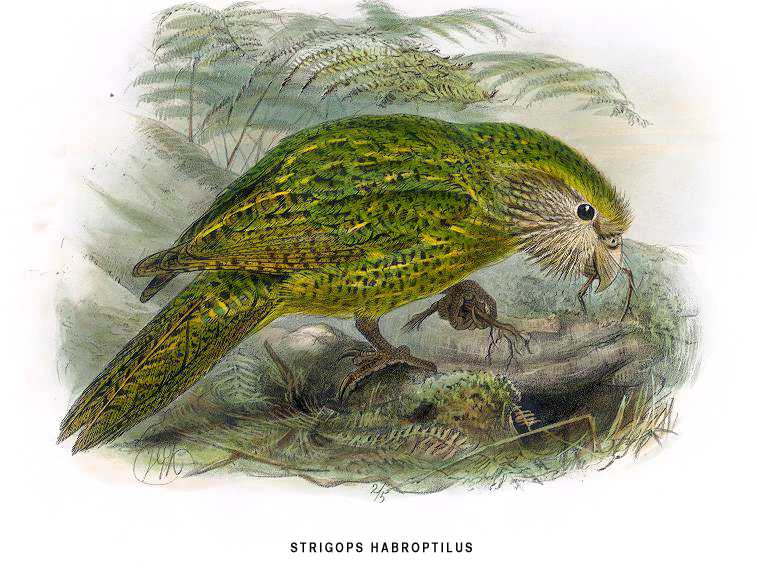
1. Kakapo
This unique green and yellow bird lives on islands around New Zealand. They are only found on islands where predators (rats, cats, dogs) brought over by colonisers have been exterminated. These birds are large and rotund, and are the heaviest parrots, weighing up to 2 kg (4.4 lbs).
They are also the only flightless parrot. Their name comes from the Maori language, and means 'night parrot', as they are also nocturnal birds.
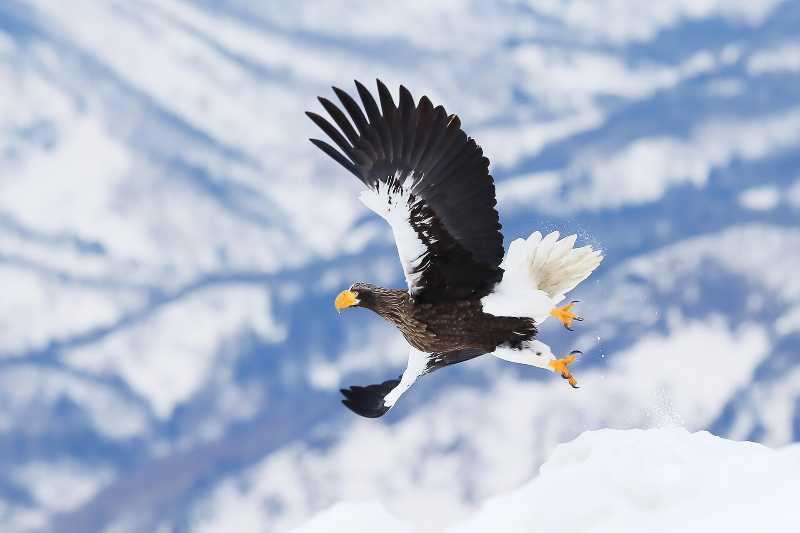
2. Steller's sea eagle
This eagle's smart brown and white colouring, along with the bright yellow beak and feet, clearly identify it. These birds weigh up to 9.8 kg (21 lb) for large females, and have wingspans up to 2.5 m (8 feet).
They are closely related to bald eagles, who have similar colouration, as well as the white-tailed eagle and the Pallas's fish eagle. They live in northeast Asia, mainly Russia, Korea, Japan and China.
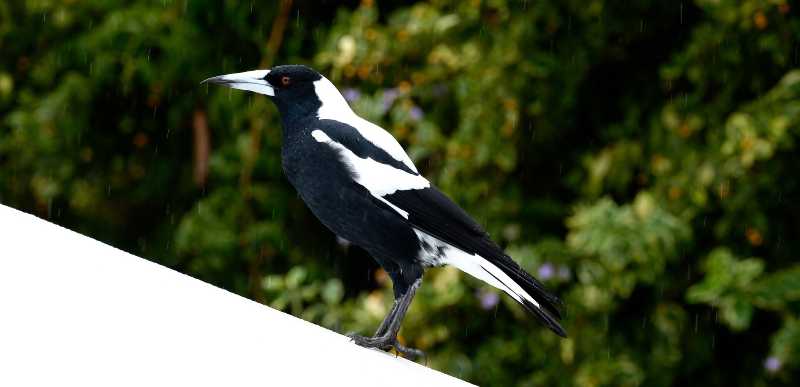
3. Australian magpie
This bird's distinctive black and white colouration and long sharp beak are distinctive. They grow 37-43 cm (14.5-17 inches) tall. They are frequent visitors to many suburban backyards in Australia. Despite being called a magpie, it is not closely related to the Eurasian magpie, or any other birds known as magpies.
They are infamous in Australia for their habit of swooping on bikers and pedestrians during the breeding season (September-December) and, though they rarely make contact, they do sometimes cause scratches on the heads and faces of their victims.
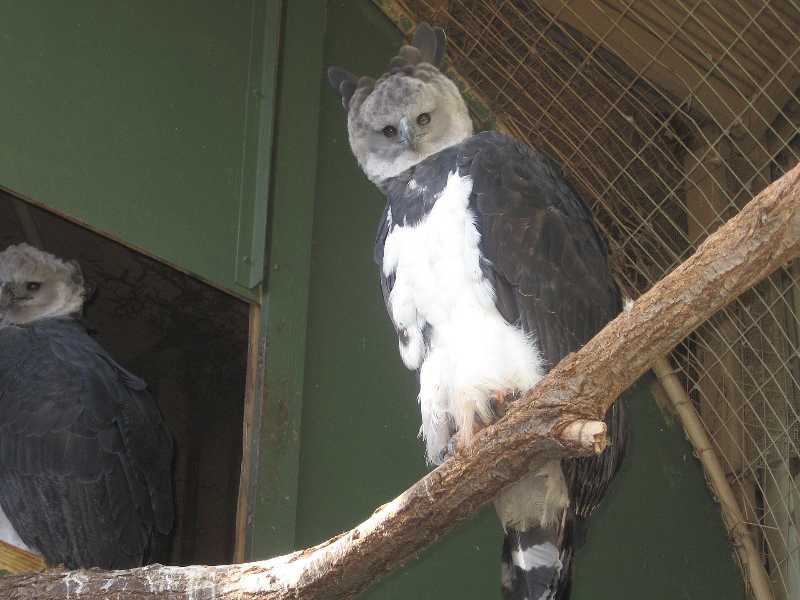
4. Harpy eagle
This large birds colouring and crest (raised in this picture) are fairly distinctive. These birds can be as tall as a small child, and weigh up to 9 kg (20 lb). They are apex predators, and eat a range of different-sized prey, including rats, monkeys, sloths, porcupines, armadillos, foxes, squirrels, opossums, baby deer, macaws, vultures, chickens, lambs, goats, and pigs, though the farm animals are only usually taken if they live very close to human settlements.
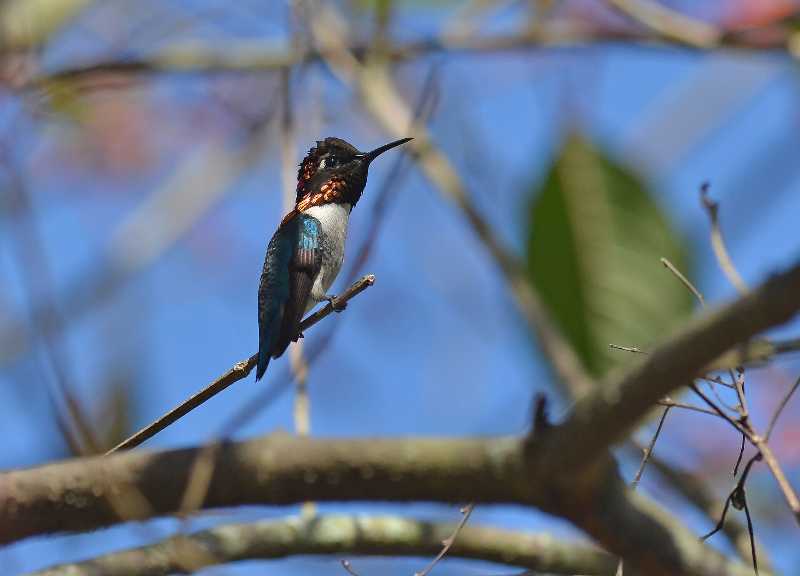
5. Bee hummingbird
This bird has the distinctive shiny plumage of the male bee hummingbird, the smallest known bird. They grow to a maximum length of 6.1 cm (2.4 inches). Their name comes from the fact that they were mistaken for large insects in early sightings. They typically eat nectar like other hummingbirds, but have been known to occasionally take spiders and insects.
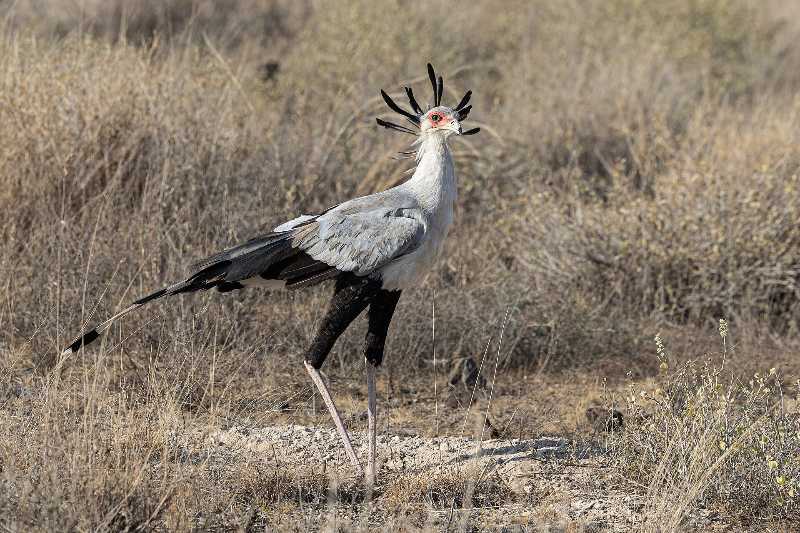
6. Secretary bird
These unique, tall birds are so named for their crest, which resembles pens that might be found in a secretary's hair or behind the ear. These birds grow 1.3 m (4.3 feet) tall, and live in Africa. They make large nests at the top of trees. They often use their long legs for protecting themselves and their chicks, and are well-known for their behaviour of stomping on snakes.
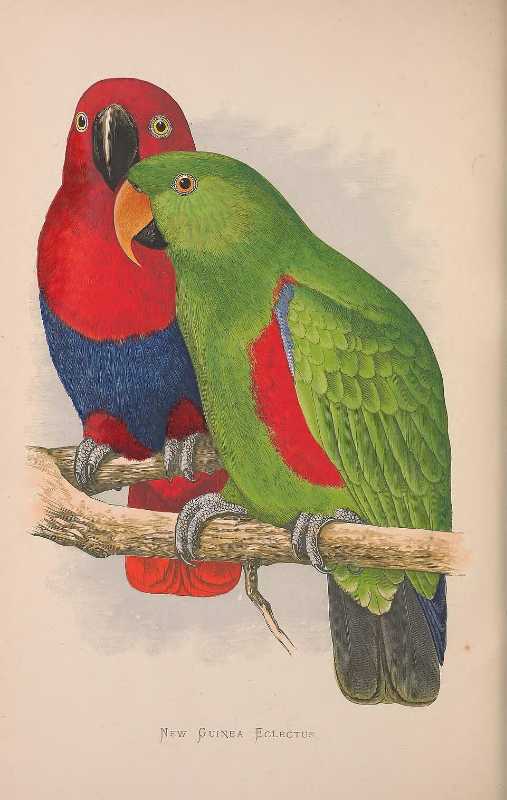
7. Eclectus parrot
These birds exhibit the most extreme sexual dimorphism of all parrots; so much so that early researchers thought they were two separate species. The female is red with blue accents and a black beak, while the male is green with red and black accents and an orange beak.
There are three living eclectus species and one extinct (the oceanic eclectus). They can learn human speech like some other parrots.
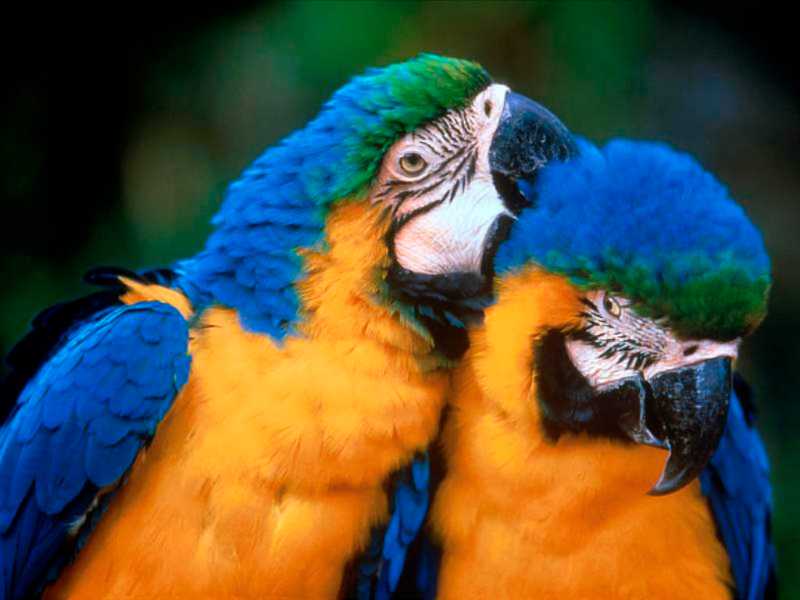
8. Blue and yellow macaw
This macaw's common name is fairly self-explanatory, and makes identification easy. These parrots weigh up to 1.5 kg (3 lb) and grow to 90 cm (36 inches) long. They live in many neotropical countries; Trinidad and Tobago, Colombia, Panama, Suriname, Venezuela, Guyana, Peru, French Guiana, Bolivia, Ecuador, Brazil and Paraguay (though it may be locally extinct in Paraguay soon).
It is fairly common, and isn't under threat.
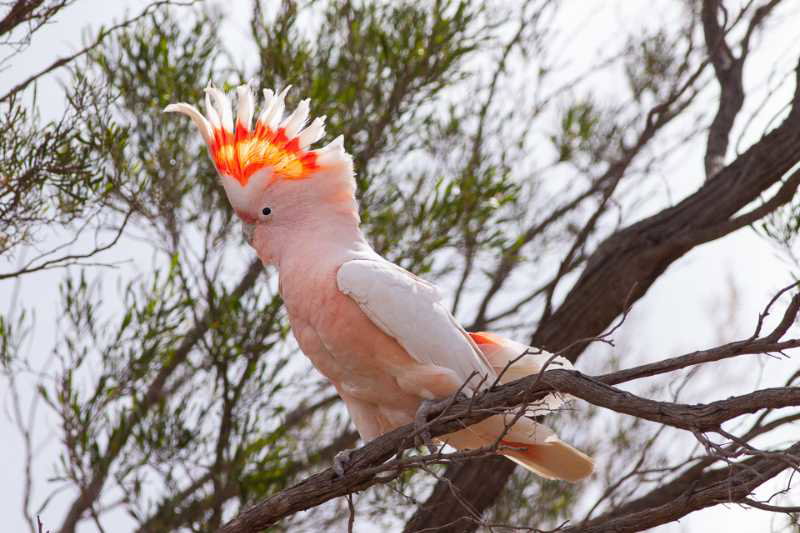
9. Pink cockatoo
The distinctive pink colouration and bright crest (raised in this image) are unique to this cockatoo. It is also known as Leadbeater's cockatoo or Major Mitchell's cockatoo. These birds live in Victoria (a state in Australia) and are considered endangered due to their limited distribution. Like many parrots, they are very long-living, with one captive specimen living to almost 83 years.
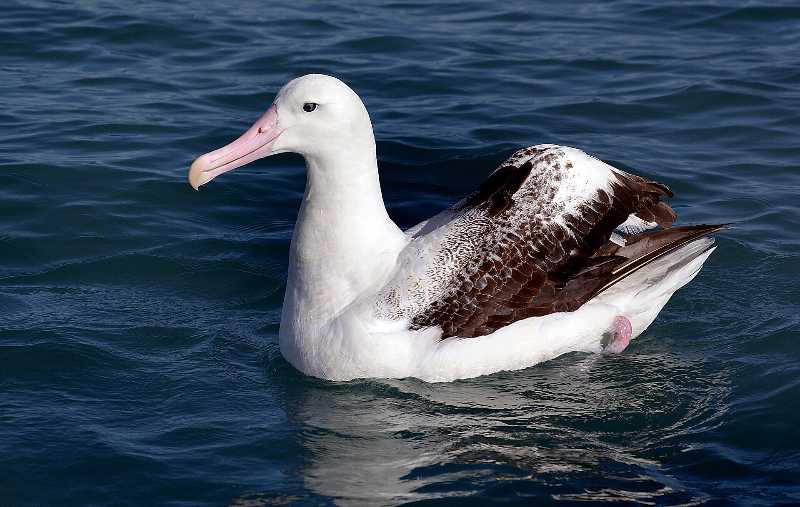
10. Wandering albatross
While these birds aren't the most distinctive of the albatrosses, they are still fairly identifiable. They hold the record for the longest wingspan of a living bird species, sometimes reaching up to 3.7 m (12.2 feet). It has recently become more well known under the name snowy albatross, though this is still the same species.
Their long wingspan is perfect for their migrating lifestyle, flying over the open ocean for long periods of time.
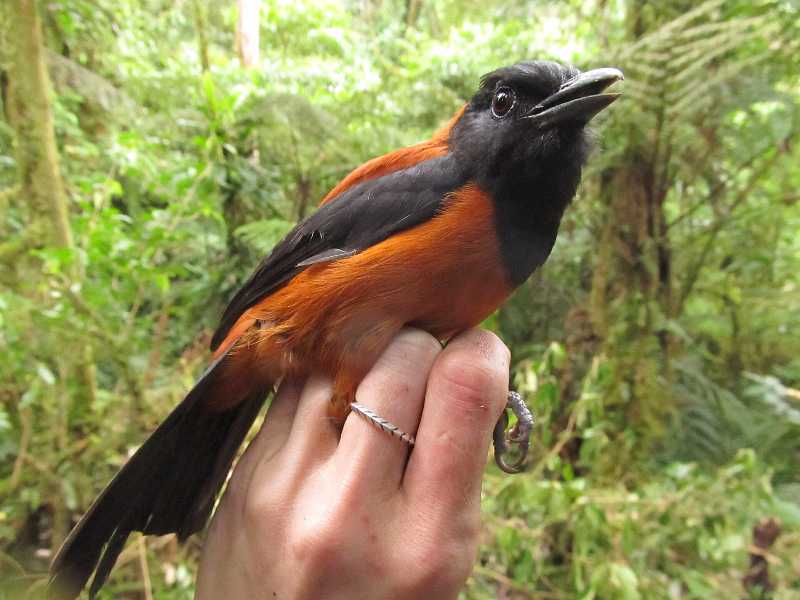
11. Hooded pitohui
This is one of several similar looking species of pitohui, though its striking black and yellow colouring is enough for identification in this quiz. This bird is one of very few birds that are actually poisonous. It lives most often in the hills and mountains of New Guinea's islands, which are the only places it is found.
Its toxicity has been known to local people in New Guinea for a very long time, and was discovered by Western scientists in 1895 during the preparation of a specimen for display.
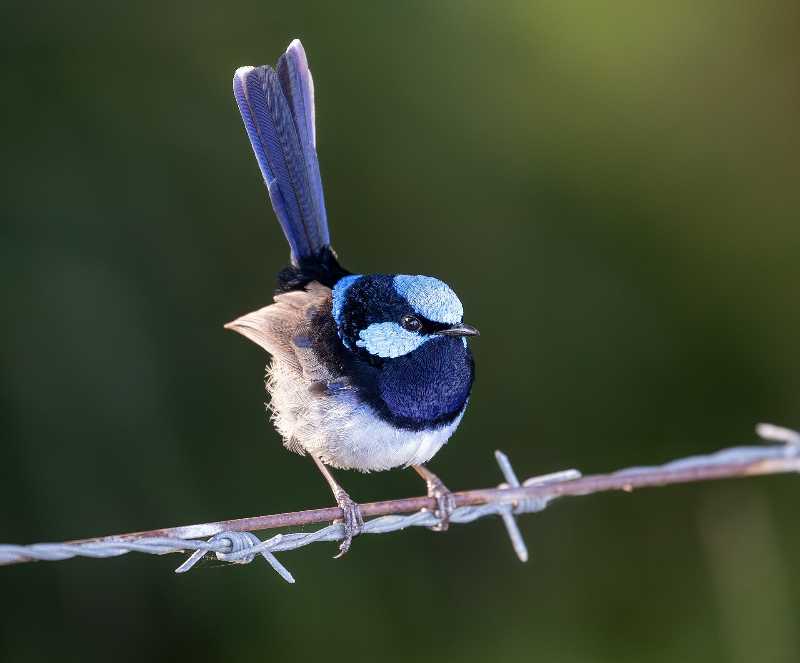
12. Superb fairy wren
These distinctive small birds are one of a few fairy wren species, each of which has varying degrees of blue, grey, black, white and even purple. This image depicts a male in breeding plumage, but juveniles, females and non breeding males are plain greyish brown in colour.
They mainly eat insects, though occasionally eat seeds to supplement their diet with necessary nutrients. They move with lively hops and bounces, using their tail for balance and generally only flying to find a new area to feed or when threatened.
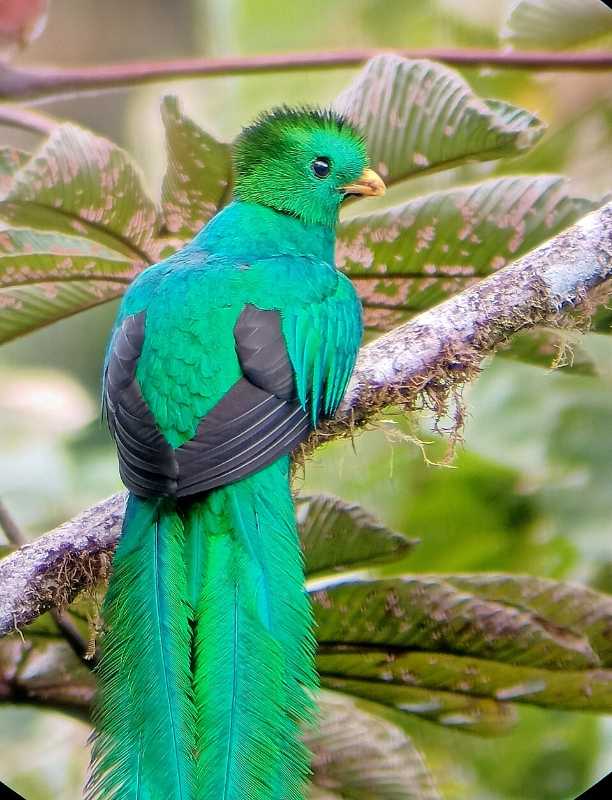
13. Resplendent quetzal
This bird's shiny green feathers and small orange beak are the main identification factors. This bird is a male and, although not visible in the image, they have very long tails. The females are much the same in appearance, but with significantly shorter tails and a black beak.
It is the national animal of Guatemala, and is closely associated with the deity Quetzalcoatl. They aren't considered threatened, but deforestation and agriculture are fragmenting their population.
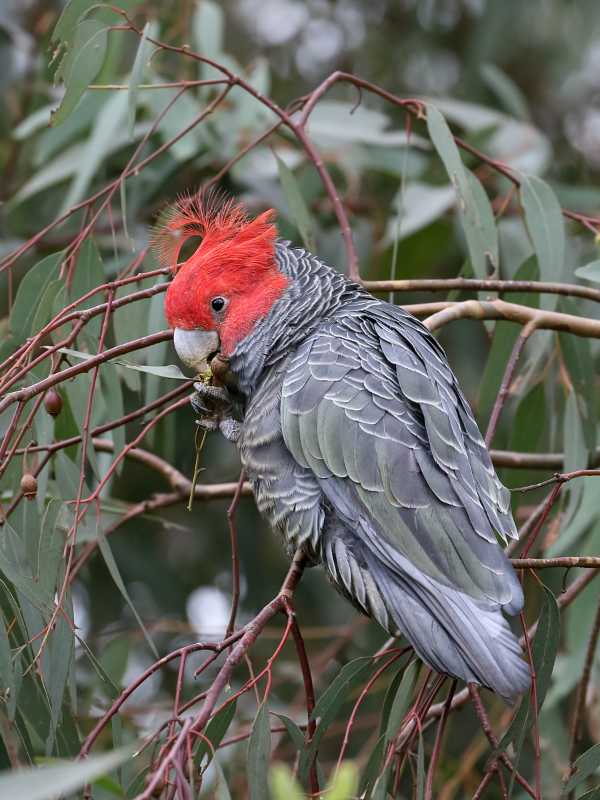
14. Gang-gang cockatoo
This easily identifiable Australian bird is the symbol of the Australian Capital Territory. Its call is described as sounding like a cork popping from a bottle or a creaky gate opening. The bird in this image is male, while the female has no red on its head and a smaller crest.
The name gang-gang comes from a New South Wales Aboriginal language. It is considered vulnerable to environmental issues and other pressure, though is not close to extinction.
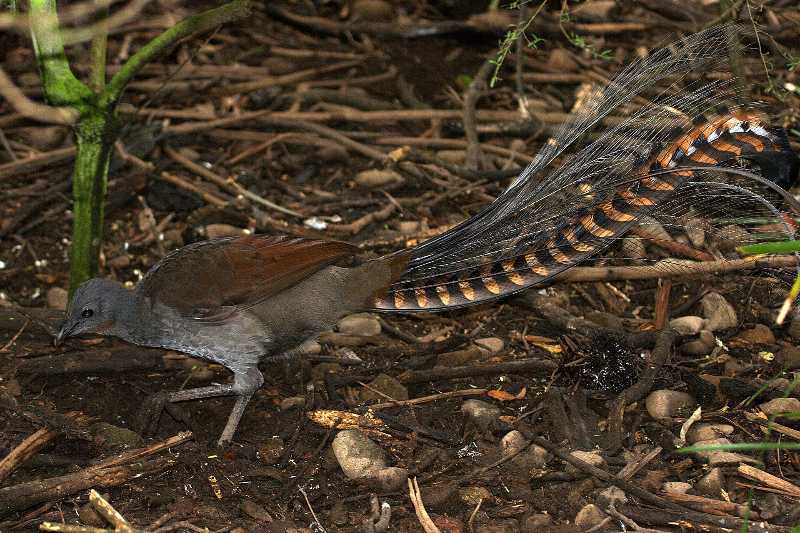
15. Superb lyrebird
This bird's distinctively shaped and coloured tail feathers are all the indication needed to identify it as a lyrebird. Their name comes from the shape of the two largest tail feathers, which are curved like the arms of a lyre. The male's extravagant tail plumes are used in courtship displays to woo females.
This classic bird is featured on the Australian ten cent coin, showcasing its status as a unique and symbolic bird.
This quiz was reviewed by FunTrivia editor rossian before going online.
Any errors found in FunTrivia content are routinely corrected through our feedback system.