FREE! Click here to Join FunTrivia. Thousands of games, quizzes, and lots more!
Kids' Scrambles - Desert Animals Quiz
My students really love photo quizzes and word scrambles, and this photo match quiz brings those two things together! Match the scrambled English words to their correct photos. (Click the images for a closer look!)
May 25 2026
:
BigTriviaDawg: 10/12
May 15 2026
:
Guest 73: 12/12
May 11 2026
:
Guest 97: 12/12
May 05 2026
:
PDAZ: 12/12
May 05 2026
:
LadyNym: 12/12
May 01 2026
:
Guest 47: 12/12
Apr 28 2026
:
Guest 67: 12/12
Apr 27 2026
:
chrissie25: 10/12
Apr 26 2026
:
Guest 99: 12/12
Quiz Answer Key and Fun Facts
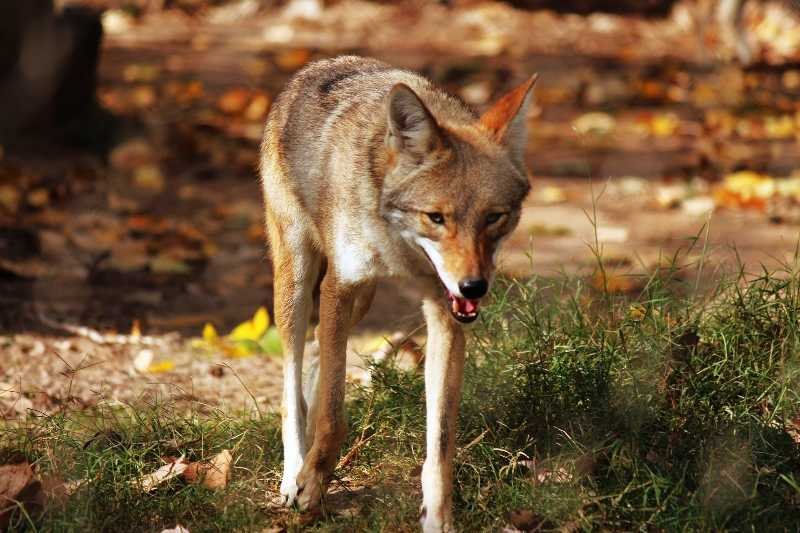
1. otecoy
The scrambled clue "otecoy" = coyote.
In the dry deserts of North America, coyotes move quietly across sandy land. Their sandy-colored fur helps them blend in with places like the Mojave and Sonoran Deserts. These clever animals eat many kinds of food, including rabbits, rodents, birds, insects, and even fruits and plants. Sometimes they hunt alone, while other times they work together in packs, depending on what food is available.
Fascinating fact: Desert coyotes make a wide range of noises, including yips, howls, and barks, which they use to communicate with other coyotes in their area.
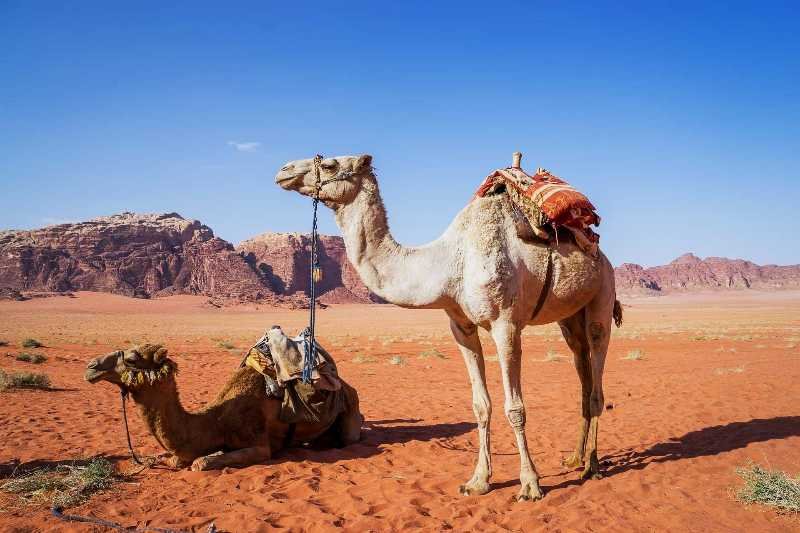
2. lcame
The scrambled clue "lcame" = camel.
Camels are built for life in hot and dry places. Found in Africa and Asia, they have humps on their backs that store fat for energy when food and water are hard to find. Their diet includes tough plants and dry grasses that grow in desert regions. They can go for weeks without drinking water by storing and conserving it in their bodies. They are social animals and usually travel in groups called herds.
Fascinating fact: Camels have long eyelashes and closable nostrils that help protect them from blowing sand and dust in the desert winds.
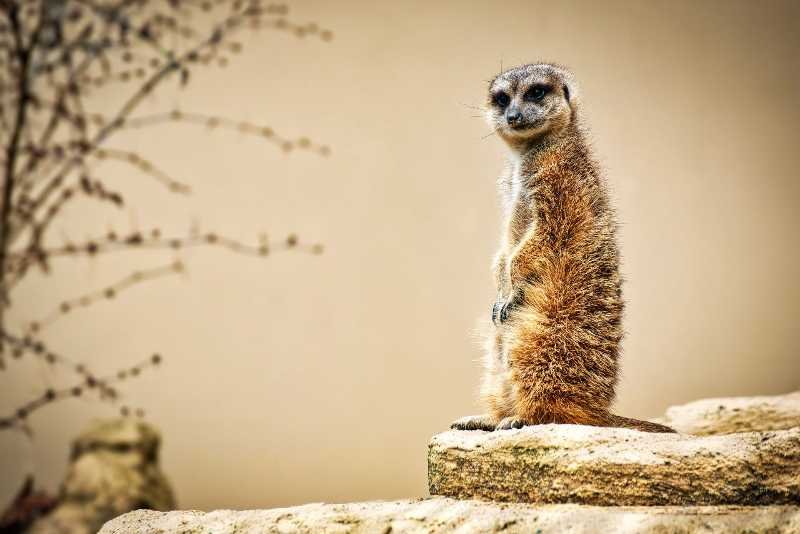
3. rmtkeea
The scrambled clue "rmtkeea" = meerkat.
Living in southern Africa, meerkats form close-knit groups called mobs or gangs. These small mammals, often seen in places like the Kalahari Desert, have sandy fur that helps them stay hidden. They mainly eat insects but will also eat small animals, fruits, and plants. Meerkats dig complex burrows where they sleep and raise their young, and they take turns standing guard while others search for food.
Fascinating fact: Meerkats have a special adaptation called "babysitting behavior," where adult meerkats take turns caring for and watching over the young, teaching them important skills for survival.
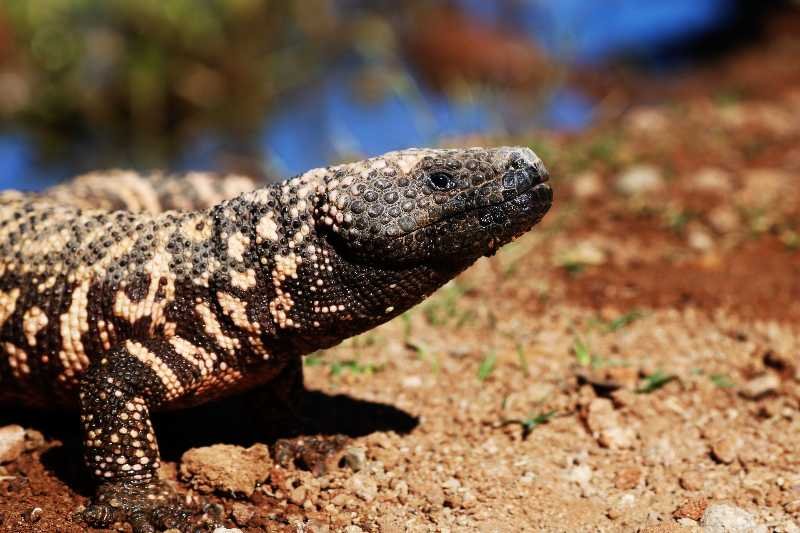
4. igal smornte
The scrambled clue "igal smornte" = gila monster.
The gila monster, a large desert reptile, is characterized by its bold orange and black patterns. It lives in the southwestern United States and northern Mexico, often in rocky or sandy areas where it can burrow to escape the heat. This reptile eats small mammals, birds, eggs, and other lizards. Although it looks intimidating, it usually avoids humans unless it feels threatened.
Fascinating fact: Gila monsters have venom glands in their lower jaws, which they use to immobilize their prey, making them one of the only venomous lizards in North America.
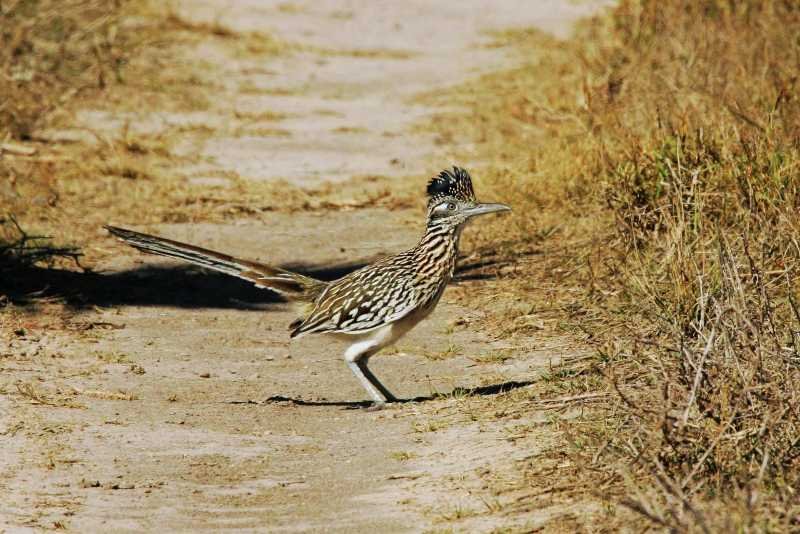
5. odnrerruna
The scrambled clue "odnrerruna" = roadrunner.
Fast and alert, roadrunners race across open desert land in the southwestern United States and Mexico. They have long legs, a long tail, and a feathered crest. They prefer areas with little vegetation, where they can spot prey like insects, reptiles, rodents, and small birds. When chasing food, they can run up to 20 miles per hour.
Fascinating fact: Roadrunners will often collect bright or shiny items like bits of glass, bones, or even aluminum foil to adorn their nests!
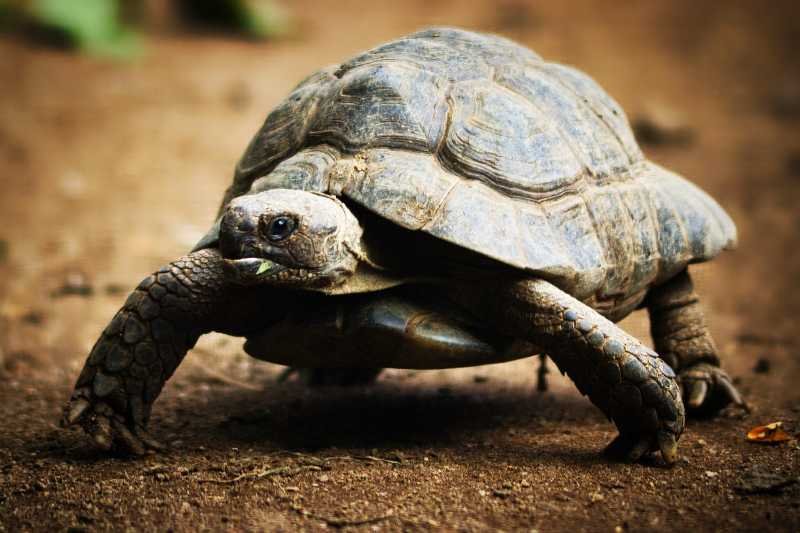
6. stotireo
The scrambled clue "stotireo" = tortoise.
Desert tortoises spend much of their time in burrows to stay cool in hot climates. Found in the southwestern United States and northern Mexico, they have thick shells that help them hold in moisture. These slow-moving animals eat plants like grasses, herbs, and cacti, getting most of their water from what they eat. They are usually alone and are most active when temperatures are lower.
Fascinating fact: Desert tortoises are capable of storing water in their bladders for long periods to keep from dehydration. They sure know how to hold their pee!
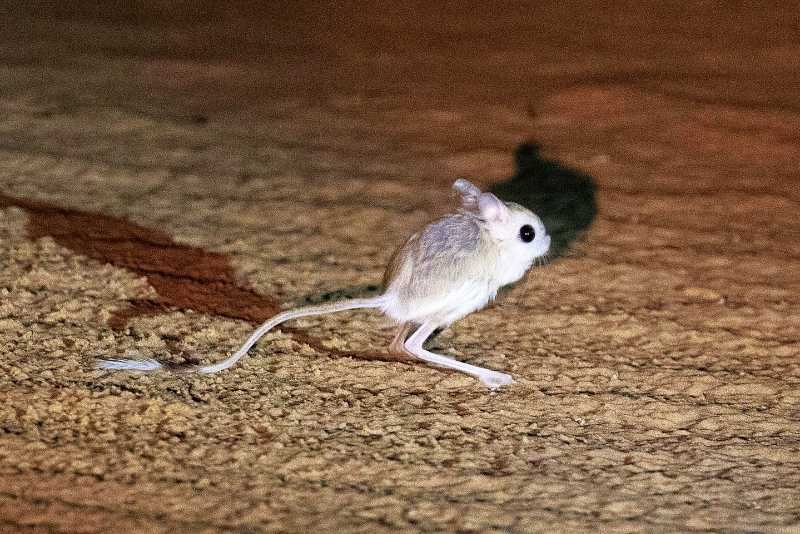
7. erjoba
The scrambled clue "erjoba" = jerboa.
Tiny and quick, jerboas hop across the sandy deserts of Africa and Asia. Their long hind legs and tails help them balance as they jump. To avoid the daytime heat, they stay in cool underground burrows and come out at night. Jerboas eat seeds, insects, and plants found in their environment.
Fascinating fact: Instead of relying solely on drinking water, jerboas can extract moisture from the food they eat.
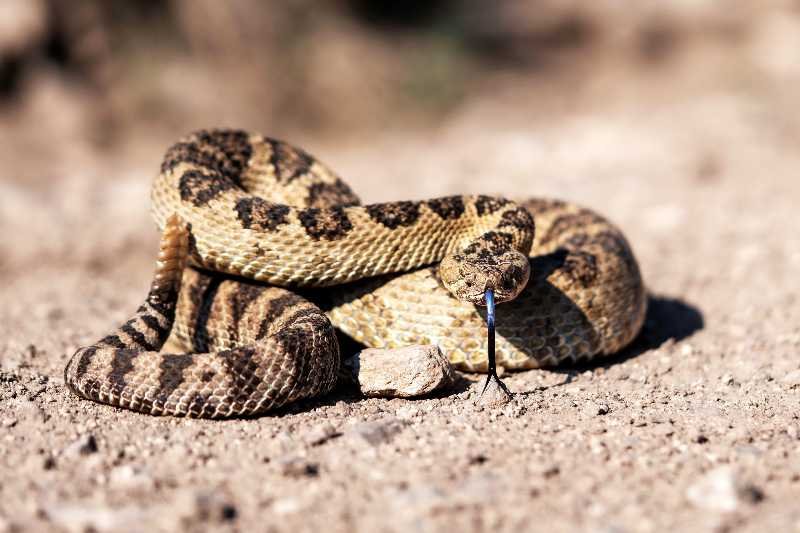
8. sklarteante
The scrambled clue "sklarteante" = rattlesnake.
With a warning rattle at the end of its tail, the rattlesnake lets others know to stay away. These snakes live in many parts of the Americas, from forests to deserts. They eat small mammals, birds, lizards, and even other snakes, using venom to stop their prey. Often, they wait quietly and strike when prey gets close.
Fascinating fact: Rattlesnakes shed their skin as many as 4 times per year!
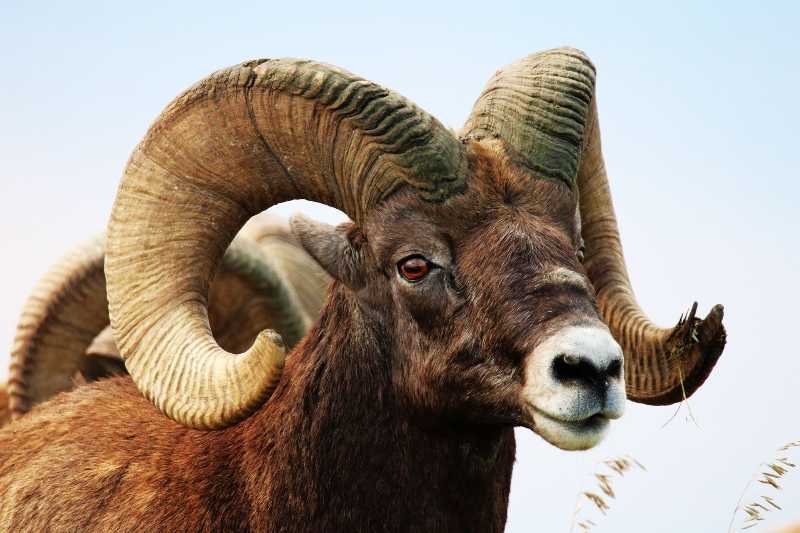
9. onhigbr hespe
The scrambled clue "onhigbr hespe" = bighorn sheep.
High in rocky mountains, bighorn sheep climb steep cliffs with ease. Found across North America, from Canada to Mexico, they have large curved horns used for defense and for competing during mating season. Their diet includes grasses, herbs, and shrubs. Living in herds, they rely on strong eyesight to spot predators like mountain lions and coyotes.
Fascinating fact: The horns of bighorn sheep never stop growing!
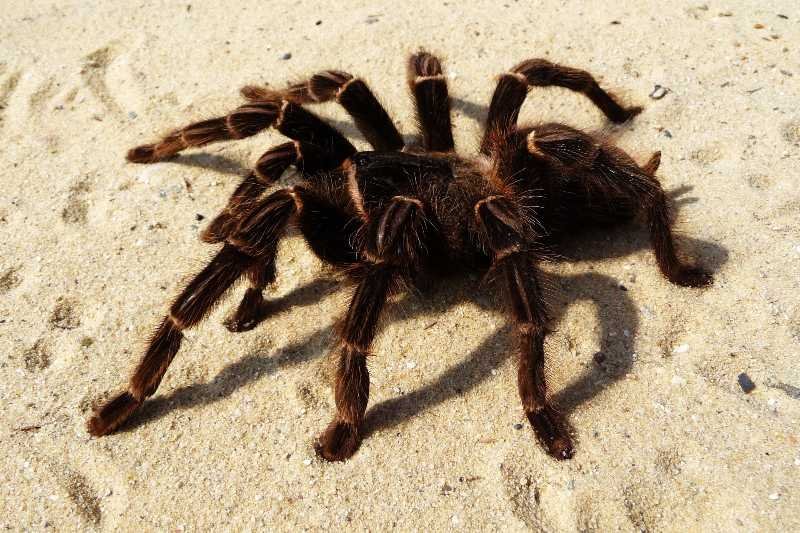
10. aranlttau
The scrambled clue "aranlttau" = tarantula.
Tarantulas are large, hairy spiders that live in burrows lined with silk. They eat insects, small rodents, and other small creatures, using venom to catch their prey. Even though they look scary, they usually avoid conflict. When threatened, they may flick tiny hairs from their bodies as a defense.
Fascinating fact: Tarantulas shed their exoskeletons as they grow!
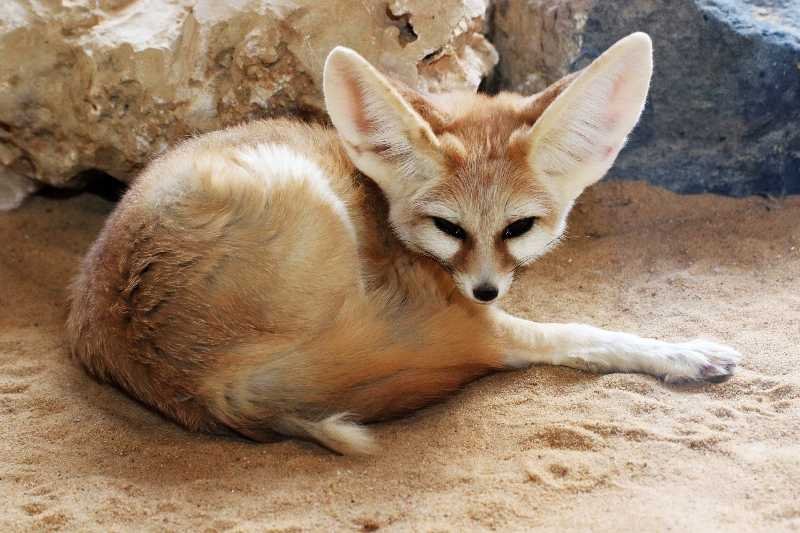
11. cneenf oxf
The scrambled clue "cneenf oxf" = fennec fox.
In the sandy Sahara Desert, fennec foxes survive in extreme heat. Their large ears help them release heat and hear prey moving underground. These small foxes eat insects, small animals, birds, and fruits. They dig burrows to stay cool and are most active at night. Fennec foxes live in small family groups and communicate using barks, chirps, and whines.
Fascinating fact: Fennec foxes have long, thick fur on their feet, which helps insulate them from the hot sand.
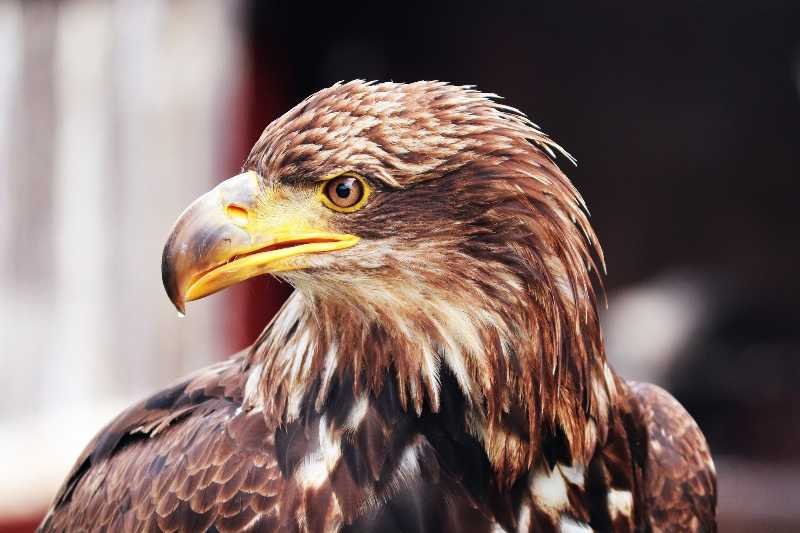
12. dlengo leaeg
The scrambled clue "dlengo leaeg" = golden eagle.
Found across North America, Europe, and Asia, golden eagles prefer mountains, cliffs, and wide plains. They hunt animals like rabbits, squirrels, and other birds, using sharp talons and strong beaks. They often fly alone or in pairs and protect their territory from other eagles.
Fascinating fact: Golden eagles' eyesight is eight times sharper than human vision!
This quiz was reviewed by FunTrivia editor looney_tunes before going online.
Any errors found in FunTrivia content are routinely corrected through our feedback system.