FREE! Click here to Join FunTrivia. Thousands of games, quizzes, and lots more!
Quiz about Swing Around These Dances

Swing Around These Dances Trivia Quiz


With just a photo to give you a clue, your task is to match the dance style hinted at in the photo to the correct picture. A little bit of lateral thinking may be needed.

by rossian. Estimated time: 3 mins.
  1. Home
  2. »
  3. Quizzes
  4. »
  5. Humanities Trivia
  6. »
  7. Performing Arts
  8. »
  9. Dance

Author
rossian
Time
3 mins
Type
Quiz #
423,066
Updated
Feb 11 26
# Qns
10
Difficulty
Very Easy
Avg Score
9 / 10
Plays
49
Last 3 plays: Guest 149 (10/10), Guest 97 (10/10), Steelflower75 (10/10).
Match the photo hint to the correct dance.
Drag-Drop or Click from Right
Options
Samba Salsa Polka Tap Disco Haka Ballet Foxtrot Tango Electric slide


 View Image Attributions for This Quiz

Most Recent Scores
Today : Guest 149: 10/10
Today : Guest 97: 10/10
Today : Steelflower75: 10/10
Today : sarryman: 8/10
Today : Guest 47: 10/10
Today : chianti59: 10/10
Today : lancer1972: 10/10
Today : Guest 76: 10/10
Today : misstified: 10/10

Quiz Answer Key and Fun Facts
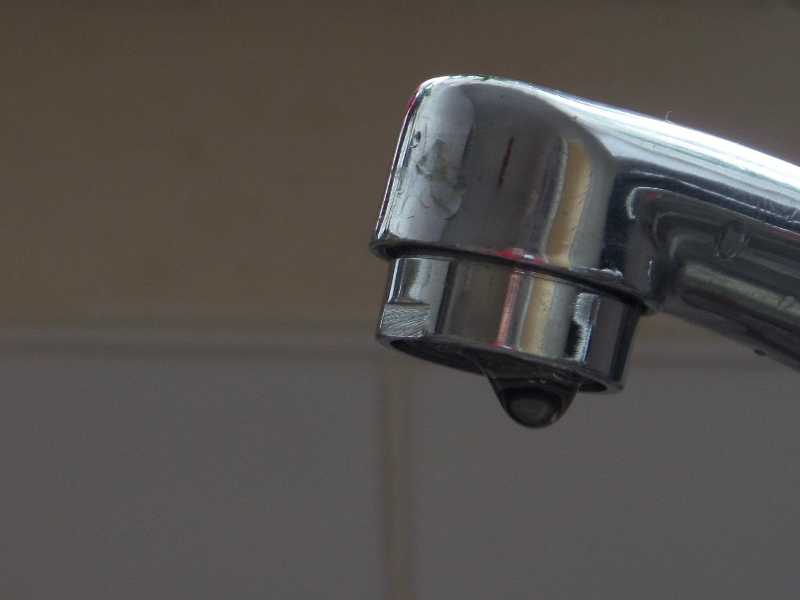
1. Tap

A dripping tap, as it's known in the UK, should have been enough to prompt you to choose the dance style called tap. The dance incorporates elements of African dances, merged with European dances like the Irish jig. The name comes from the metal pieces, called taps, attached to the underside of the dancing shoes - on the heel and on the sole near the front of the shoe.

Well known tap dancers include Fred Astaire, Bill Robinson (better known as Mr Bojangles) and Gregory Hines.
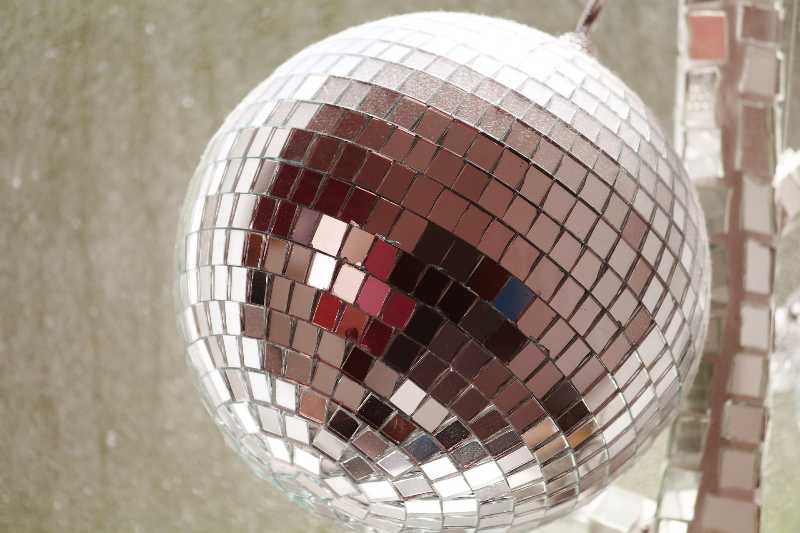
2. Disco

The photo of a disco ball should have pointed you towards disco dancing. This dance style originated with the advent of discotheques, where dancing is to recorded music rather than live bands - the latter part of the 1960s was where it began. This period also saw the rise of the disc jockey, who chose and played the music in discos and clubs.

The styles vary, but the film 'Saturday Night Fever', with John Travolta strutting his stuff, epitomises the genre very well.
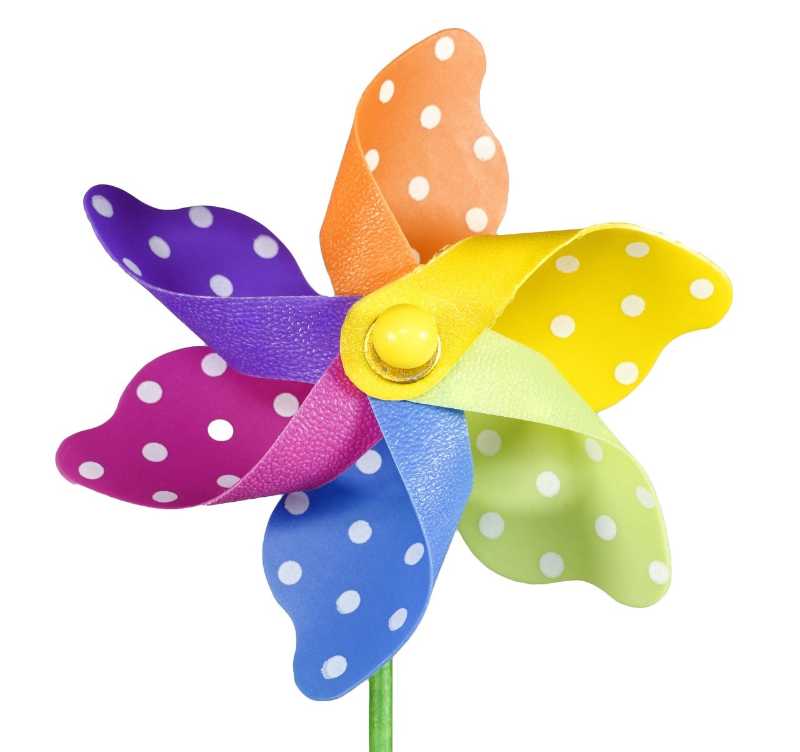
3. Polka

Polka is a dance which originated in Bohemia and is associated with the Czech Republic and Central Europe. The dance is quite lively, although the styles have evolved and different countries have their own versions. The name is usually said to derive from pulka, which means a half-step in the Czech language.

The photo clue shows a pattern of polka dots, the name given to scattered dots, often on fabric, and dating from the first half of the nineteenth century. The name is directly linked to the dance.
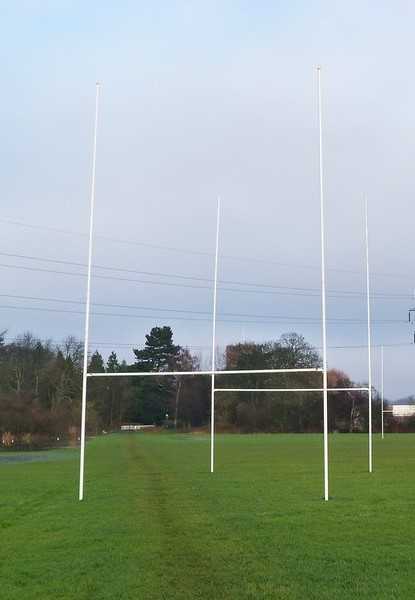
4. Haka

The haka is not a dance you're likely to see in your local nightclub or in a dancing show. It is a ceremonial dance associated with the Maori, the indigenous people of New Zealand. While often thought of as a war dance, this is only one of its forms. A haka may be performed to welcome guests or as a celebration and at a funeral.

The haka has been brought to a wider audience by the New Zealand rugby union team, who perform a haka as a challenge to the opposition before the start of a match. The rugby union posts in the photo were, I hope, a good pointer.
5. Samba

The samba is a dance which originated in Brazil, South America, and combines African influences with those of the indigenous people of the country and Europeans. Although it didn't begin there, it is now associated with Rio de Janeiro and its colourful carnival. The samba is a lively dance with its music also being called samba. It is now a part of the ballroom dance catalogue and can be seen performed on television shows such as 'Strictly Come Dancing' in the UK and 'Dancing with the Stars' in the USA.

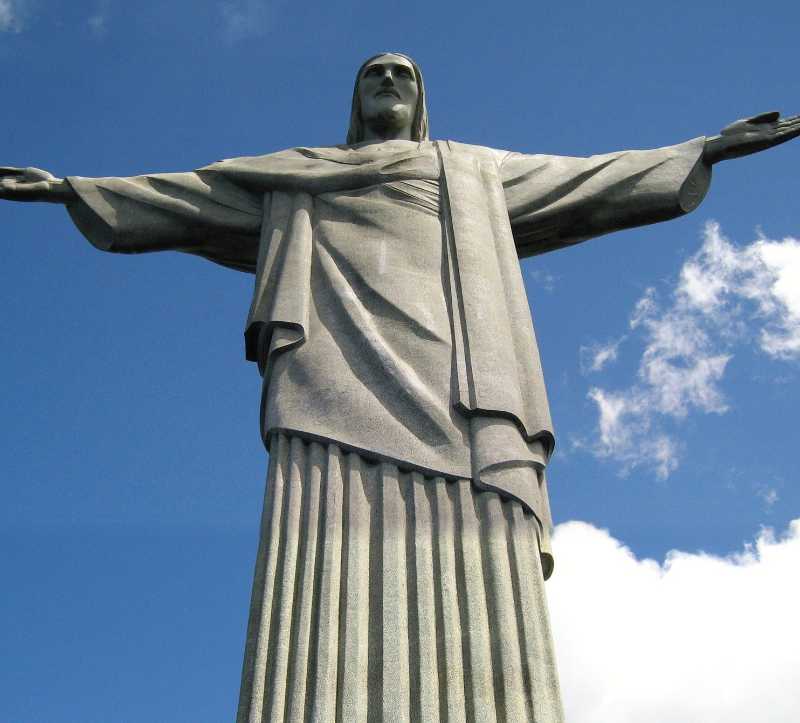
The photo shows another Brazilian icon in the statue of Christ the Redeemer which overlooks Rio from the top of Mount Corcovado. This should have pointed your way to the Brazilian dance.
6. Tango

The tango is mostly associated with Argentina, although it developed historically both there and in neighbouring Uruguay, on the other side of the Rive Plate. There are several styles both characterised by sharp movements of the legs, arms and head. The ballroom version incorporates other dance styles, with variations. The Argentine tango has more emphasis on leg movements, with flicks around and between the partner's legs very prominent.

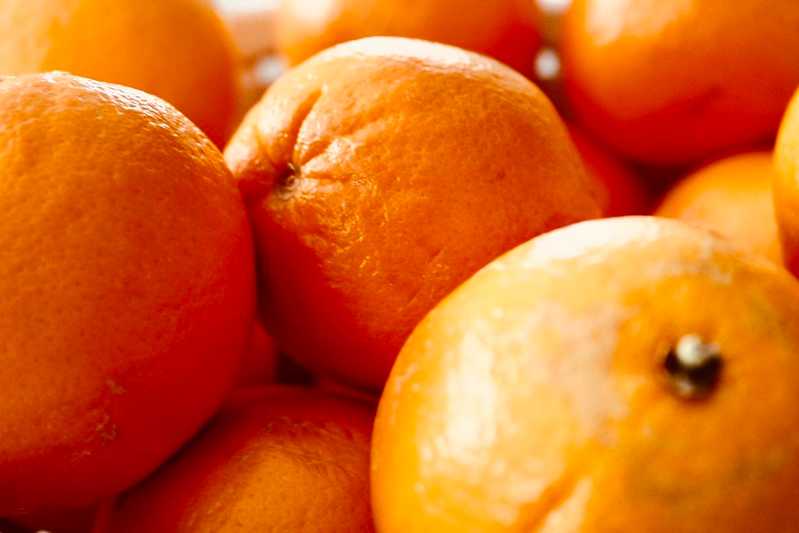
The photo might be more helpful to UK players where there is a common canned drink called 'Tango', which is made from oranges. Even if you haven't heard about this, oranges are known for being tangy, so not too far away.
7. Ballet

Ballet derives its name from words meaning 'to dance' and is a style many of us are unlikely to take part in. It originated during the Renaissance, initially in Italy before spreading to France and most of the terminology of the genre is either Italian or French. There are many well known classical ballets, such as 'Swan Lake', 'The Nutcracker' and 'Coppelia' while famous performers include Margot Fonteyn, Rudolf Nureyev and Anna Pavlova.

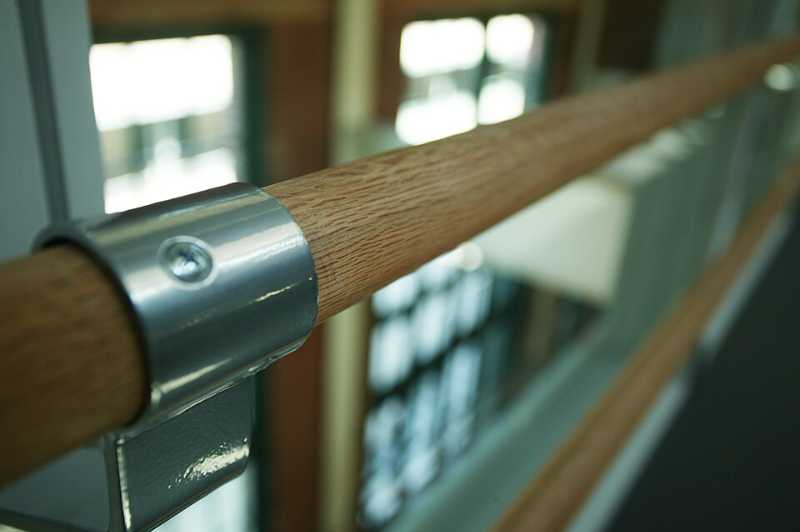
The picture hint here is a more direct one, showing the barre which ballet dancers use for practice.
8. Foxtrot

The foxtrot is a ballroom dance which looks similar to the quickstep, but has a different time signature and isn't quite as fast moving. It is described as being a 'smooth' dance which progresses around the dance floor. It first became popular in the early part of the twentieth century and has remained so ever since as one the dances to be performed in competitions.

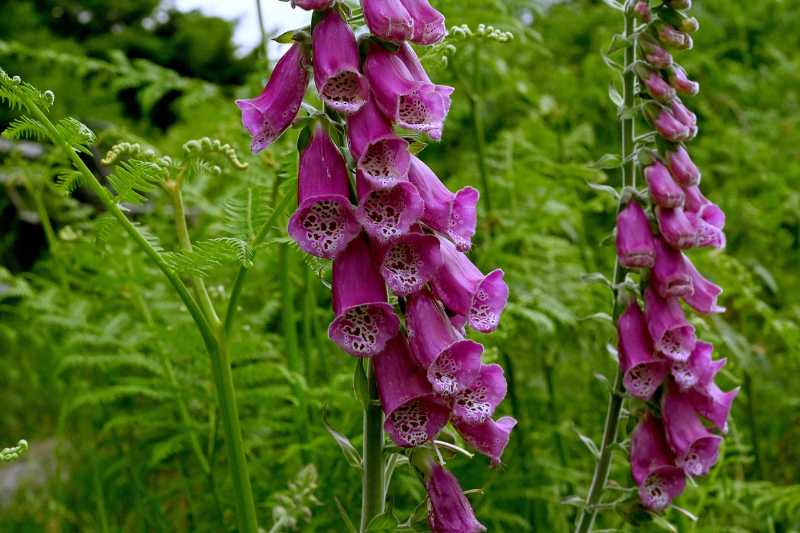
Rather than picking the rather too obvious animal called a fox, the clue is instead a photo of the plant called the foxglove.
9. Salsa

Salsa is a Latin American dance which was developed to be performed to the music of the same name, which is usually associated with Cuba and Puerto Rica. The dance was created to fit the music and has elements of several other dances including mambo, swing, and rumba. Various styles have evolved, some of which are similar to each other while others are less interchangeable.

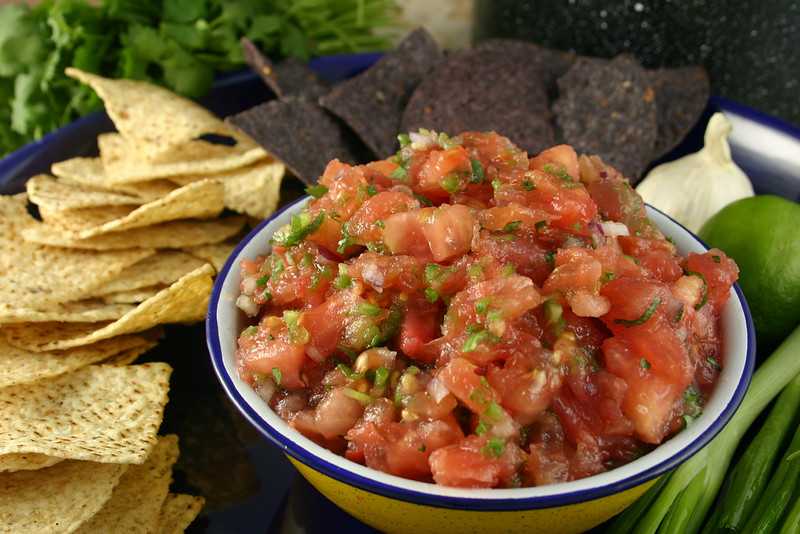
The visual clue is a dish of the food called salsa, which just means sauce. In English speaking countries it usually refers to the sauce made from tomatoes and chili, as depicted.
10. Electric slide

The electric slide is a line dance, one of many types of dance created for solo dancers who form lines with other dancers to perform the same steps. There are variations of the dance, but it mostly consists of two grapevines (a step to the side, a step behind, a further side step and then a touch) one in each direction, followed by four steps back, a rock step then a pivot to change direction. The dance covers all four directions. Like most line dances, seeing a large group of individual dancers performing the same steps in unison looks quite impressive.

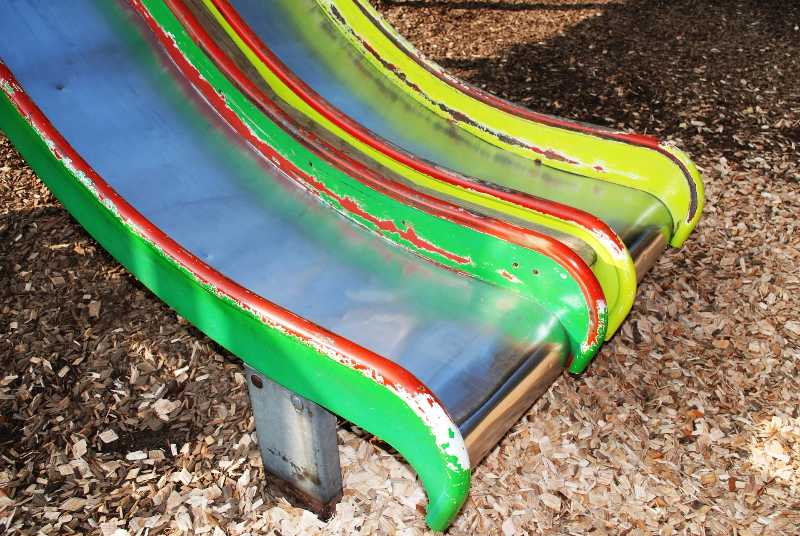
The picture clue shows the bottom part of two slides side by side. Some of the photos I looked at showed water slides, but mixing water and electricity is not recommended.
Source: Author rossian

This quiz was reviewed by FunTrivia editor ponycargirl before going online.
Any errors found in FunTrivia content are routinely corrected through our feedback system.
Related Quizzes
1. Dancing Around Very Easy
2. A Trivial History of Dance of the Renaissance Era Average
3. Medieval Dance Average
4. Private Dancer Easier
5. Trip the Light Fantastic Easier
6. Shake a Leg Easier
7. One Small Step Easier
8. A Time to Dance Average
9. Run, Twist, Stomp Easier
10. Dance Around The World Easier
11. Dancing with Bob Average
12. Let's Dance Average

2/11/2026, Copyright 2026 FunTrivia, Inc. - Report an Error / Contact Us