FREE! Click here to Join FunTrivia. Thousands of games, quizzes, and lots more!
This Book Is Making Me Hungry! Quiz
Warning: Spoiler Alerts
There are many wonderful books that have fantastic story lines and that also weave food tightly into the theme. From appetizers to desserts, food can serve as a dish and a symbol. Match the food to its corresponding novel in which it stars.
Last 3 plays: Guest 24 (2/10), JGal321 (5/10), elfharry (1/10).
Drag-Drop or Click from Right
Options
Delicious!Eat, Pray, LoveSweetbitterThe School of Essential IngredientsWith the Fire on HighJulie and Julia: My Year of Cooking DangerouslyFried Green Tomatoes at the Whistle Stop CafeThe Hundred-Foot JourneyThe Joy Luck ClubChocolat
The book "Fried Green Tomatoes at the Whistle Stop Cafe" was written in 1987 by Fannie Flagg. It describes two different time periods. In the modern time, an unhappy middle aged woman named Evelyn befriends an elderly lady named Ninny who is in a nursing home. During their friendship, Ninny describes a small town in Alabama called Whistle Stop.
Here the second time period weaves into the story. It is the 1930s and two female friends named Idgie and Ruth run a cafe in the small town. The restaurant showcases a variety of chracters that portray the local community and the racial tension that exists in that era. It also touches on domestic abuse as Ruth is a victim of it from her husband.
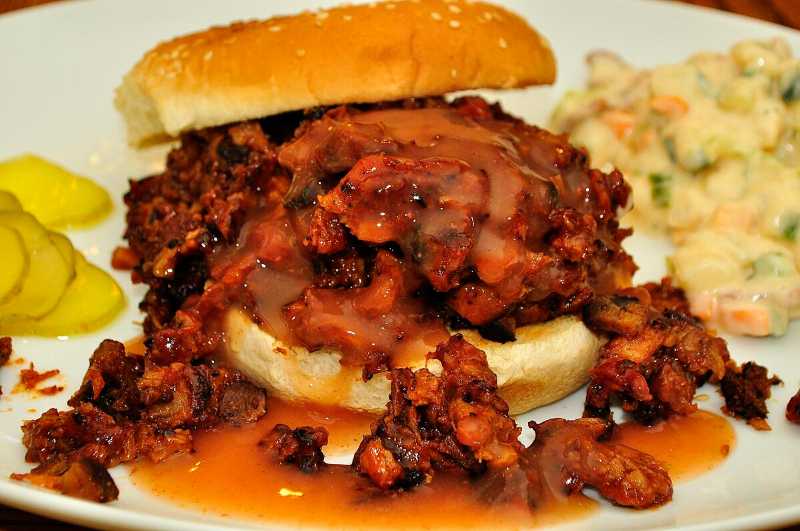
The cafe serves quite a bit of food. There is fried green tomatoes, of course. And there is barbecue. It is made in the back of the restaurant by an African American named "Big George". One day, Ruth's abusive husband disappears. It turns out he was the main ingredient in that day's batch of barbecue, which, ironically, was fed to the detectives on the case!
2. Sweetbitter
"Sweetbitter" was written in 2016 by Stephanie Danler. It follows a young woman named Tess who arrives in New York City from Ohio. She lands a job as a food runner at an elite resturant in Union Square. Having no experience in fine dining, she eventually befriends two other key characters. Simone, a server, becomes a form of a mentor to her and Jake, a bartender, becomes her infatuation.
Tess (and the reader) learn about the complexities and politics that go on "behind the scenes" in upper class restaurants. She begins to work incredibly long hours while partying until all hours of the night. She also partakes in alcohol and drugs to help her cope. Tess also manages the difficult relationships that go on between herself and Simone and Jake which ultimately forces her to leave it all behind.
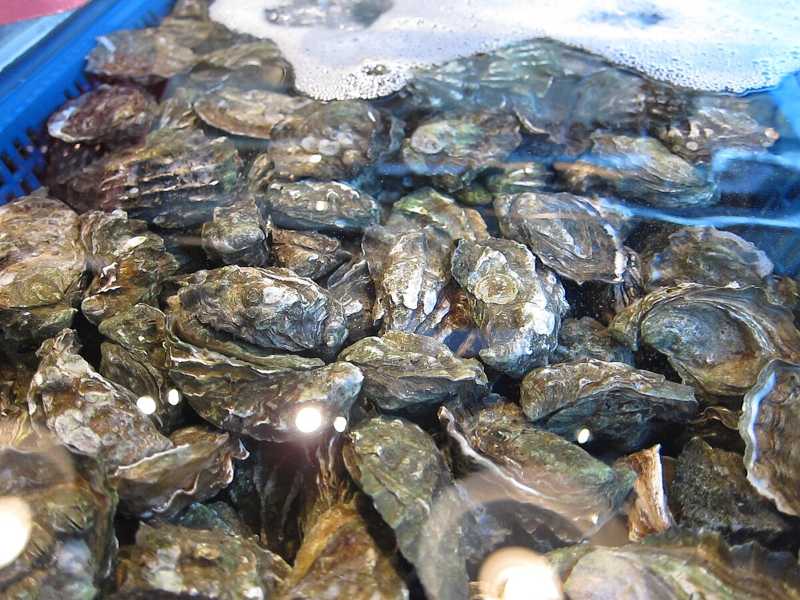
In the novel, the oyster itself becomes more than just a symbol of sexual arousal. It is one of the first foods she tries in this new "journey" in her life and she is amazed at the taste. It symbolizes her growing education not only in food and its preparation, but in life itself.
3. The Hundred-Foot Journey
"The Hundred-Foot Journey" is a 2008 novel by Richard C. Morais. The book is about Hassan Haji and his journey from a boy in India to a chef in Europe. When Hassan was a child, his father's family restaurant in India was fire bombed which forced the family to move to France. His father built a new restaurant, serving his Indian food, directly across the street from a very upscale French restaurant. It was actually 100 feet, which was the title of the book and a symbol of the distance between classes of people.
Madame Mallory, the proprietress across the road, recognized Hassan's extraordinary raw talent in the kitchen. She took him under her wing and taught him the art of French cooking. Hassan moved to Paris and spent a decade working in several different high-end restaurants under various famous chefs until he fulfilled his ultimate dream of opening his own high-end restaurant. He even earned three Michelin stars.
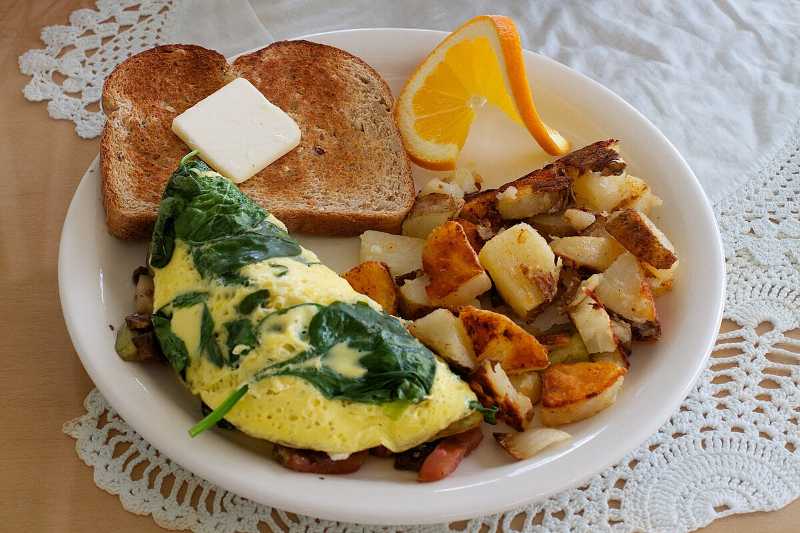
When Hassan's family's restaurant opened across from Madame Mallory the front of their establishment was vandalized. Madame Mallory came over to help. To thank her, Hassan fixed an omelette. This was especially daring because Madame Mallory expected omelettes to be traditional and perfect. Hassan made his omelette with a twist by adding his culture's flavors to it. She loved it. This dish acted as the bridge that connected the two characters.
4. The Joy Luck Club
The novel "The Joy Luck Club" was written in 1989 by Amy Tan. It follows the lives of four sets of Chinese American women who are mothers and daughters. Suyuan is the founder of the Joy Luck Club, which is a group of women who play mahjong, eat food, and share stories of the past. Suyuan herself had to leave two children behind while fleeing China to America. The other mothers had to deal with things like arranged marriages, misfortune, and disappointment.
The daughters are led by June, whose mother is Suyuan. She must try to live up to her mother's high expectations as the years go by. The other daughters, while dealing with the complex relationship with their mothers, must also face personal issues such as divorce and loss of "spirit". The novel follows the daughters into their mid-thirties when June takes over the club after her mother's death.
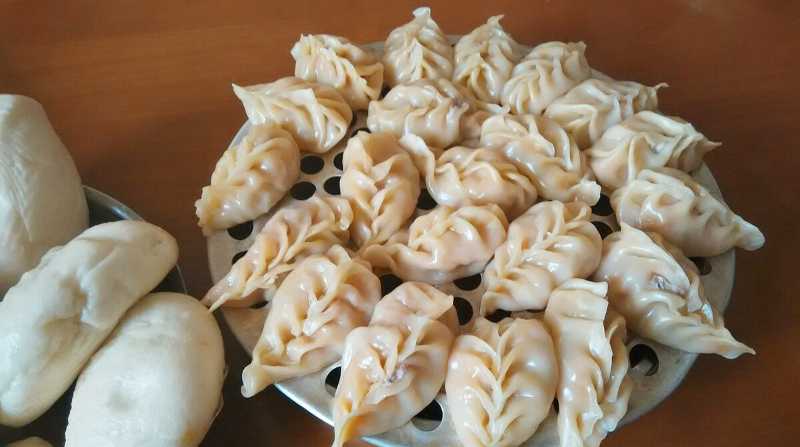
In Chinese culture, dumplings are shaped like ancient silver or gold ingots and eating them traditionally symbolizes wealth and prosperity for the coming year. During the weekly meetings of the Joy Luck Club, dumplings were often served for this purpose. Suyuan said that "dumplings were like hopes - little pieces of filling wrapped up in a dough, with the corners twisted tight". These also helped bridge the gap between mothers and daughters as they prepared these delicacies together.
5. Chocolat
"Chocolat" is a 1999 novel by Joanne Harris. It is set in the French village of Lansquenet-sous-Tannes during Lent, between Mardi Gras and Easter Sunday. This is when Vianne Rocher and her young daughter Anouk arrive in the small town and open a chocolate shop directly across the square from the church. Vianne has "psychic" abilities and uses her uncanny intuition to discern her customers' secret troubles and provides a specific chocolate to help them find happiness or resolve their problems.
The novel showcases not only the various villagers and their internal struggle between temptation and restraint, but the relationship between Father Francis Reynaud (the village priest) and Vianne. Father Francis is constantly swinging between his contempt of the shop and the fact that chocolate is one of his inherent weaknesses. The story's conclusion is on Easter Sunday when there are major conflicts in the town and people begin to embrace a different a view on life.
In the book, chocolates are far more than mere candy; they serve as several types of symbols. They act as healing agents when Vianne gifts them to the various villagers to aid them in their personal struggles. To the priest, they are symbols of sin and gluttony (even though he relishes the chocolate orange flavors). Also, the chocolates serve as a sense of community togetherness in the small town when everyone can suddenly share a similar joyful subject.
6. Julie and Julia: My Year of Cooking Dangerously
"Julie and Julia: My Year of Cooking Dangerously" is a bestselling 2005 memoir by Julie Powell that chronicles her year-long, real-life culinary quest. Julie finds herself approaching her 30th birthday and feels there is little purpose in her life and her dead-end job. So she vows to cook all 524 recipes in Julia Child's classic 1961 cookbook, "Mastering the Art of French Cooking", in just a single year. She also writes a blog about it.
Her husband encourages her "deranged assignment", as he calls it, and she begins the next year to document all the successes and failures of her attempts to cook all the recipes in her tiny apartment kitchen. Julie, in her mind, has one-sided conversations with Julia Child as she progresses through the journey. Julie finished the final recipe with little time to spare and her blog went on to be published.
For Julie, Beef Bourguignon is the signature dish, the ultimate test of her ability to cook like Julia Child. It was the first recipe on the first episode of Julia Child's television show and Julie felt like mastering this complex, multi-hour stew would prove her endeavor worthwhile. Her first attempt was an utter failure as she burned it completely. But in a symbolic move, Julie went on to skip work the next day to make sure she dedicated herself to the dish and her own resolve.
7. Delicious!
"Delicious!" is a 2014 novel by Ruth Reichl, the former editor-in-chief of "Gourmet" magazine. The story showcases Billie Breslin, a young lady from California who lands a dream job in New York at "Delicious!" magazine. She quickly befriends the cast of characters who work at the publication. However, the magazine is shut down and Billie is left behind to man a hot-line. While wandering through the empty historcial office building, she discovers a hidden cache of letters from the 1940s.
The letters are from a young girl named Lulu Swan who, while struggling through WWII times, corresponds with legendary chef James Beard. The letters captivate Billie as they describe the turbulent years, the culinary work that young Lulu undertakes, a hint to a secret "treasure" and various relationships that Lulu is cultivating. The correspondence connects the two women across generations through their shared love of food and their experiences with adversity and family.
During Billie's interview process, she has to make food in the test kitchen. She chooses her mother's very unique gingerbread cake recipe and the judges are captivated. The cake also forms a link between Billie and the memories of her deceased mother. The book actually includes a recipe for this cake at the end, after much build up of its incredible taste and texture.
8. With the Fire on High
"With the Fire on High" is a young adult novel by Elizabeth Acevedo written in 2019. It features Emoni Santiago, a talented Afro-Puerto Rican teen mother in Philadelphia who strives to fulfill her dream of becoming a professional chef. Emoni is a senior in high school with a two year old daughter. She also supports her elderly grandmother by working part-time at a fast-food restaurant. This contrasts sharply with her dream to be a professional chef.
Emoni enrols in a new culinary arts elective offered at her high school despite her initial doubts about having enough time or money. Even though she clashes with her teacher, she learns to balance her creativity with professional techniques. Emoni works extra hard and does fundraising events and is able to go on a class trip to Spain where she realizes her full potential and that dreams can become realities.
Tostones, twice-fried slices of unripe, green plantains, are a regular part of Emoni and her grandmother's life. The simple dish is a source of comfort and reminds them of family in Puerto Rico. For Emoni, cooking and eating this type of food is a way of connecting to her roots and heritage, even while living in Philadelphia.
9. Eat, Pray, Love
The book, with its full title of "Eat, Pray, Love: One Woman's Search for Everything Across Italy, India and Indonesia" is a bestselling 2006 memoir by Elizabeth Gilbert. The book chronicles her year-long journey of self-discovery following a painful divorce and emotional crisis. Elizabeth wanted to find a healthy balance between worldly pleasure, spiritual devotion, and love, and boldly decided to leave everything behind on a journey to find answers.
She spends four months in Rome to study the art of pleasure and indulgence in food. She found food to be comforting and reassuring and allowed herself to gain weight without guilt. She then traveled to India to immerse herself in meditation and spirituality. Finally, she goes to Indonesia to seek forms of love. She finds this in several people, but most especially, within herself.
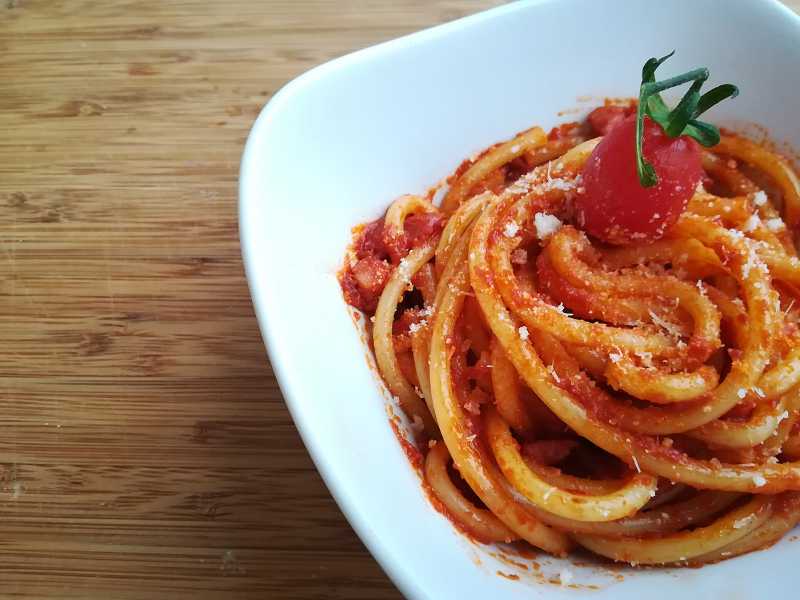
Spaghetti all'amatriciana is a classic Italian pasta dish that is a staple of modern Roman cuisine. While in Italy, Elizabeth "gorges herself on a heaping plate" of the pasta dish, finding immense joy and satisfaction in its rich simplicity. She loves the feeling of stopping her self-deprivation mindset and finds the basic flavors working together makes her aware that she can find joy out of simple things.
10. The School of Essential Ingredients
"The School of Essential Ingredients" is a 2008 novel by Erica Bauermeister that focuses on a monthly cooking class in a restaurant run by Lillian. Eight different students gather and each one focuses on a particular dish that is very meaningful to them. For instance, a young mother named Claire bakes a beautiful white cake that reminds her of her wedding and the hope she had then. Tom, a grieving widower, finds that the preparation of the recipe helps him focus on something other than sadness.
Throughout the book, food acts as a universal language that bridges gaps between people, cultures, and generations. The characters, many of whom would never interact in "everyday life", find themselves sharing memories and thoughts. When the class, and the book, ends, everyone has learned that life is like cooking and there is always something new around the corner.
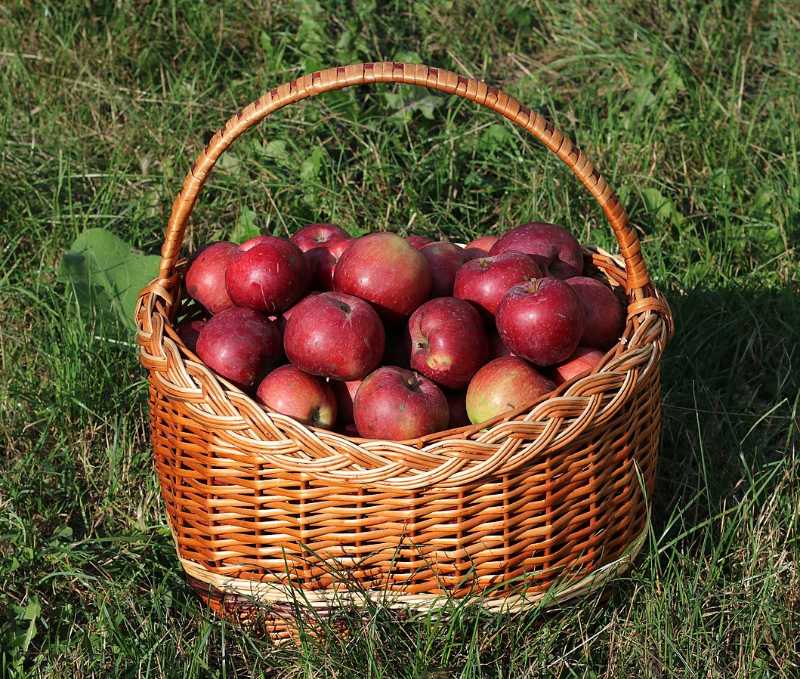
A fresh, crisp apple is the very first "essential ingredient" that Lillian, the chef and instructor, discovers as a child. Lillian, seeking to reconnect with her mother, uses the simple, sensory power of a freshly picked apple (its smell, coolness, and taste) to engage her mother's senses and pull her back from her despair after her husband left the family. The apple, and its simple joy, is the theme that Lillian passes on to her students.
This quiz was reviewed by FunTrivia editor looney_tunes before going online.
Any errors found in FunTrivia content are routinely corrected through our feedback system.