FREE! Click here to Join FunTrivia. Thousands of games, quizzes, and lots more!
Quiz about Patron Saints of Sufferers

Patron Saints of Sufferers Trivia Quiz


These Roman Catholic saints are associated with people suffering from various diseases and ailments. Can you match each saint with the condition or situation for which they are traditionally invoked?
This is a renovated/adopted version of an old quiz by author IndianPainter

by wellenbrecher. Estimated time: 3 mins.
  1. Home
  2. »
  3. Quizzes
  4. »
  5. Religion Trivia
  6. »
  7. Christian People / Saints
  8. »
  9. Patron Saints

Time
3 mins
Type
Quiz #
8,517
Updated
Aug 19 26
# Qns
10
Difficulty
Average
Avg Score
6 / 10
Plays
19
Last 3 plays: Bowler413 (6/10), gracemercy1 (10/10), Guest 170 (0/10).
Drag-Drop or Click from Right
Options
St Peter Damian St Herve St Benedict of Nursia St Denis of Paris St Timothy St Hilary of Poitiers St Apollonia St Blaise St Gerard Majella St Agatha of Catania


 View Image Attributions for This Quiz

Most Recent Scores
Today : Bowler413: 6/10
Today : gracemercy1: 10/10
Today : Guest 170: 0/10
Today : Guest 86: 0/10
Today : Emma-Jane: 10/10
Aug 19 2026 : Morrigan716: 10/10
Aug 19 2026 : lethisen250582: 10/10
Aug 19 2026 : underscored: 0/10
Aug 19 2026 : Reamar42: 6/10

Quiz Answer Key and Fun Facts
1. St Denis of Paris

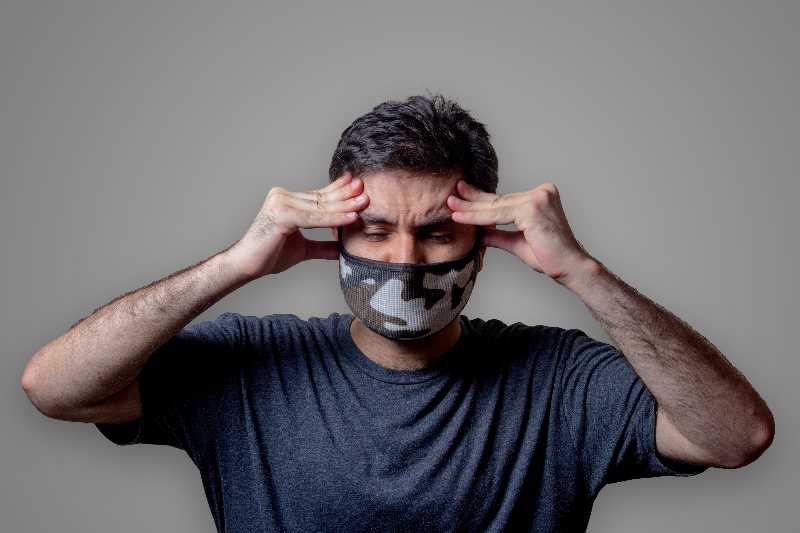
St Denis is the patron saint of people suffering from headaches. He was a Christian missionary who is traditionally regarded as the first Bishop of Paris. He was martyred in the third century by beheading, alongside his companions Rusticus and Eleutherius.

According to medieval legend, after being beheaded, Denis picked up his own head and walked several miles while continuing to preach before finally collapsing at the site of the present-day Basilica of Saint-Denis. This is why he is usually depicted holding his severed head.

He is also invoked against rabies and demonic possession. Beyond these associations, he is the patron saint of Paris and France and is linked with the French monarchy. His feast day is 9 October.
2. St Apollonia

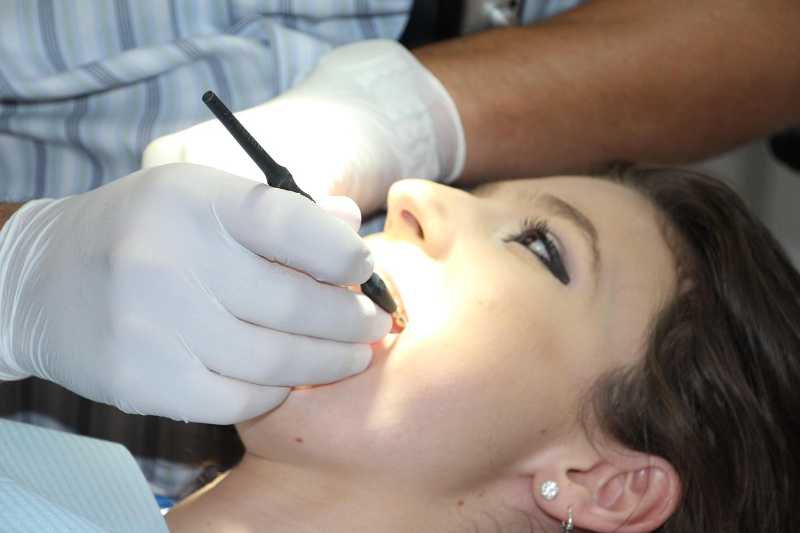
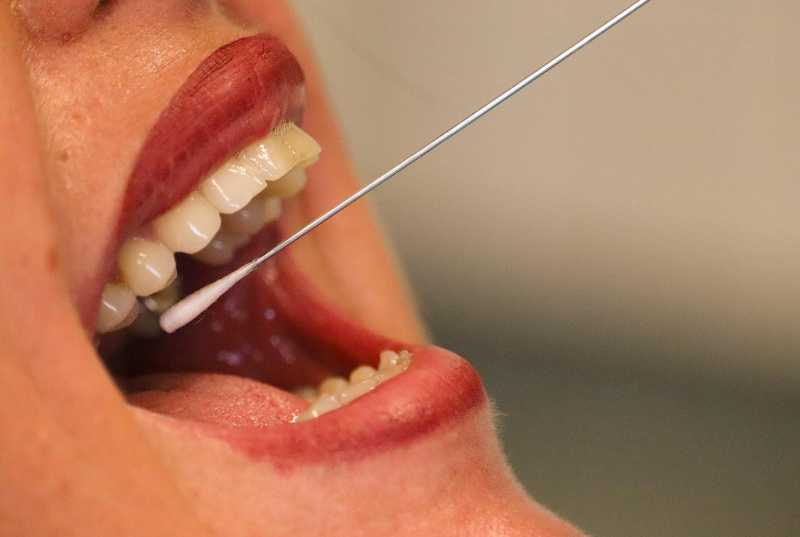
St Apollonia of Alexandria is the patron saint of people suffering from toothache. She is also the patron saint of dentists.

She was a third-century Christian martyr. During a period of Christian persecution, she was captured by a mob and subjected to brutal torture. Her tormentors struck her in the face, knocking out or pulling out all her teeth. They then threatened to burn her alive unless she renounced her faith. According to tradition, she chose to face the flames rather than give up her beliefs.

According to legend, before her death, Apollonia prayed that those suffering from severe dental pain would be granted relief when they called upon her. In art, she is easily recognisable: she is often depicted holding a pair of pincers containing a tooth. She is commemorated on 9 February.
3. St Blaise

St Blaise is the patron saint of people suffering from throat ailments, including sore throats and difficulty swallowing. He is also associated with animals, wool combers and the wool trade.

St Blaise was a 4th-century Christian bishop and martyr from Sebaste, now part of Turkey. According to tradition, he was a physician before becoming Bishop of Sebaste. During a period of persecution, he withdrew to a cave in the wilderness, where he lived among wild animals and continued to heal those who came to him.

The story most closely associated with his patronage concerns a young boy choking on a fish bone stuck in his throat. While Blaise was imprisoned, the boy was brought to him. Blaise prayed for him, and the boy was saved. Traditional accounts go on to describe Blaise's torture and eventual execution.

His connection with throat ailments lives on in the Blessing of the Throats, traditionally performed on 3 February, his feast day. During the blessing, two candles are held in a crossed position against or in front of the throat.
4. St Hilary of Poitiers

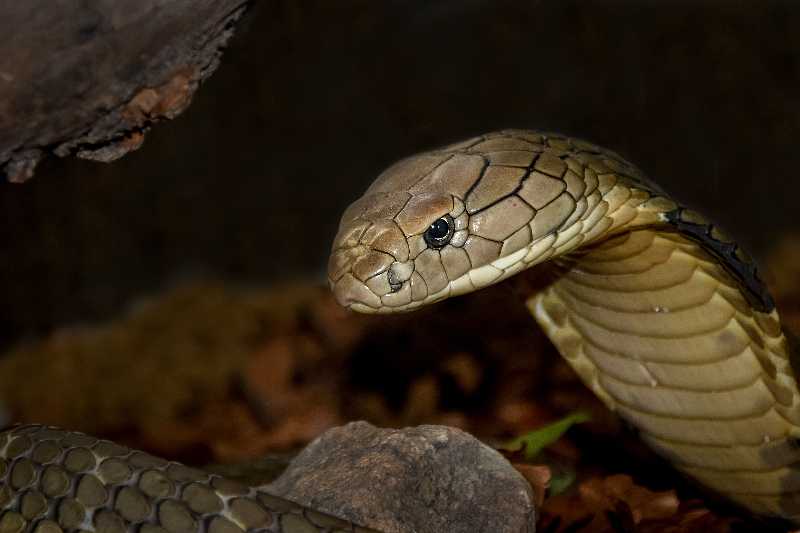
St Hilary of Poitiers is traditionally regarded as a protector against snake bites. He is also linked to snakes and rheumatism, and is regarded as a patron of the sick.

Hilary was a 4th-century bishop and theologian from Gaul. He became one of the leading defenders of the Christian doctrine of the Trinity and was eventually declared a Doctor of the Church. He died around 367 and is remembered as one of the most important early Christian writers in Western Europe.

According to a medieval legend, Hilary once arrived on an island infested with venomous snakes. He drove the snakes away and marked a boundary with his staff, ordering them not to cross it. The snakes supposedly obeyed and remained on the other side. The story is questioned by some historians, but has nevertheless been taken quite literally by many believers over the centuries. It helped strengthen Hilary's reputation as a protector against snakes. His feast day is 13 January.
5. St Herve

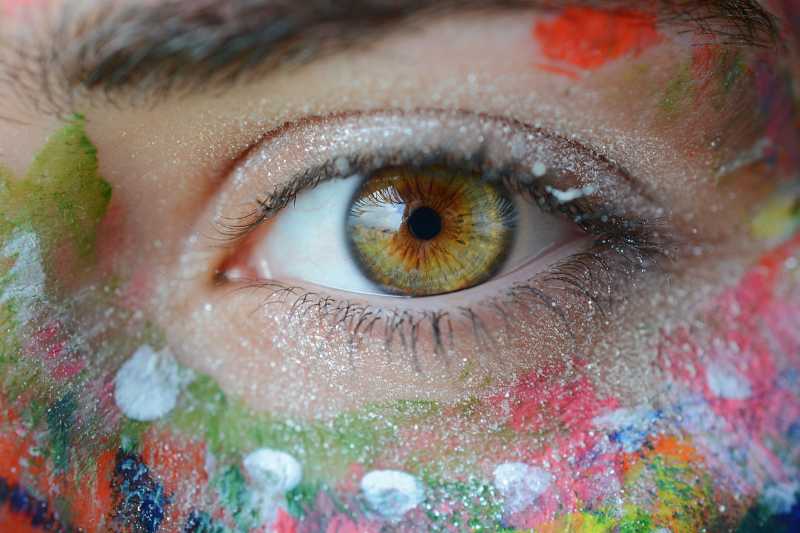
St Hervé is the patron saint of people suffering from eye diseases and vision problems. He is especially venerated in Brittany, where many places bear his name.

Hervé was a blind Breton monk and hermit who lived in the 6th century. Although he was blind from birth, tradition describes him as a man with exceptional spiritual insight. He became a teacher, poet, and religious leader, and he was held in high regard in Brittany.

One of the most memorable stories about Hervé involves his guide dog. According to legend, a wolf killed the dog while Hervé was travelling. Rather than reacting with anger, he prayed and forgave the animal. The story then takes an extraordinary turn: the wolf is said to have taken the dog's place and guided the blind saint on his travels.

He is commemorated on 17 June.
6. St Agatha of Catania

St Agatha of Catania is the patron saint of people suffering from breast diseases, including breast cancer. She is also considered a protector against fires and volcanic eruptions.

Agatha was a young Christian woman who lived in 3rd-century Sicily. She came from a wealthy family and had dedicated herself to her faith, refusing the advances of a Roman official who wanted to marry her. Angered by her refusal, he had her arrested and subjected to brutal torture. According to traditional accounts, one of the tortures she endured was the mutilation of her breasts.

She is particularly revered in Sicily because tradition says that her veil once stopped a lava flow from Mount Etna. In religious art, Agatha is often depicted holding a plate or dish bearing her severed breasts, which is one of the more striking symbols in Christian iconography. In parts of southern Germany, Austria and Italy, the tradition of Agatha bread survives to this day: small loaves resembling breasts are blessed on her feast day. She is commemorated on 5 February.
7. St Gerard Majella

St Gerard Majella is a patron saint of expectant mothers and childbirth. He is also widely regarded as a patron of children and families hoping to have children.

Gerard was an 18th-century Italian Redemptorist brother who spent much of his short life serving the poor and sick. He was known for his humility, compassion and profound religious devotion. He died in 1755 at the age of just 29.

His connection with pregnancy stems from a famous story involving a handkerchief. According to tradition, he once visited a family and deliberately left his handkerchief behind when he departed. Their young daughter ran after him to return it, but Gerard told her to keep it, saying that she would need it one day. Years later, when she was giving birth, she experienced a life-threateningly difficult labour. Remembering Gerard's handkerchief, she placed it on her body, and her labour reportedly became easier, with both mother and child surviving.

Pregnant women traditionally carry a medal bearing his image or ask for his intercession during pregnancy and childbirth. He is commemorated on 16 October.
8. St Timothy

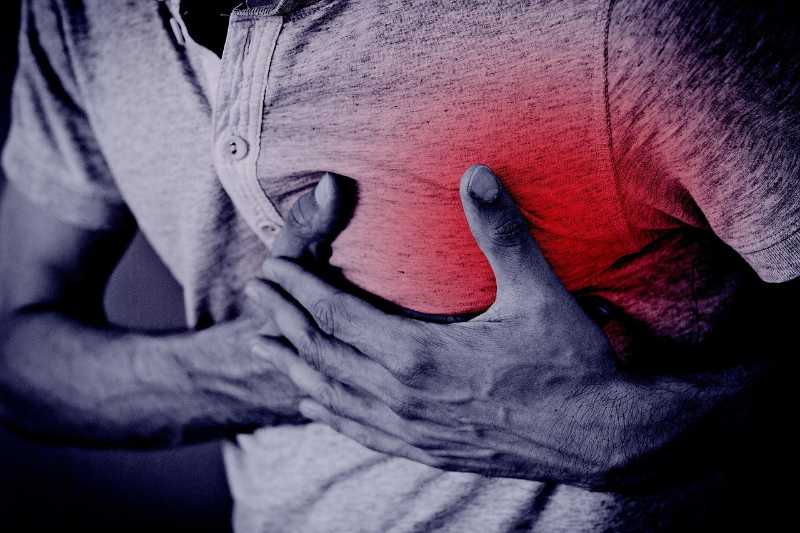
St Timothy is the patron saint of people suffering from stomach and intestinal disorders.

Timothy was one of St Paul's closest companions and an important figure in the early Christian Church. Paul trusted him with difficult missions, and Timothy eventually became the first Bishop of Ephesus. Several of Paul's letters mention Timothy, and two New Testament letters are addressed to him.

The link between Timothy and stomach problems stems from an ordinary detail in one of Paul's letters. Paul advises Timothy: "Drink no longer water, but use a little wine for thy stomach's sake and thine often infirmities." (1 Timothy 5:23 KJV). It seems that Timothy suffered from recurring stomach problems, although we have no way of knowing exactly what was wrong.

This short piece of medical advice is the basis for his association with stomach ailments. According to later tradition, he was martyred in Ephesus around AD 97 when he attempted to stop a pagan procession and was attacked by the crowd. His feast day in the Catholic Church is 26 January.
9. St Benedict of Nursia

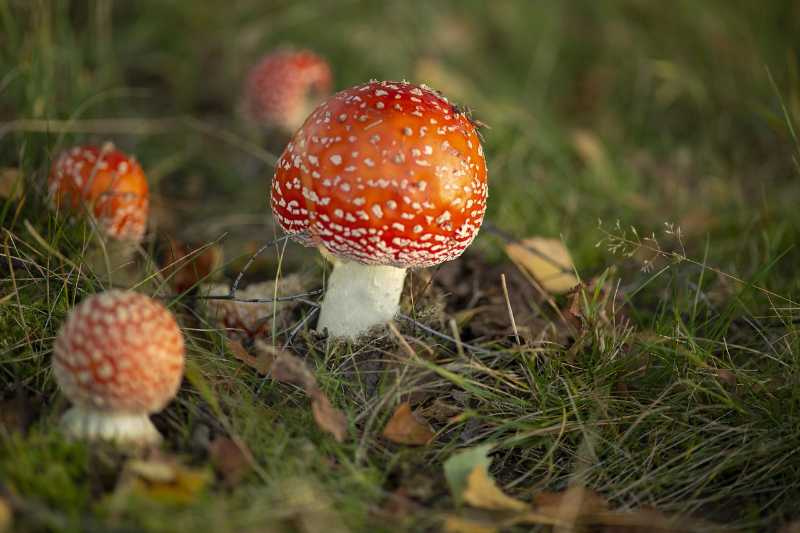
St Benedict of Nursia is associated with protection against poisoning. He is also the patron saint of monks, students and Europe, and is traditionally invoked against the devil and other forms of spiritual danger.

Benedict lived in 6th-century Italy and is regarded as the father of Western monasticism. He founded the monastery at Monte Cassino and wrote the "Rule of St Benedict", a set of guidelines for monastic life which became one of the most influential texts in Western Christianity.

His association with poisoning comes from a dramatic story about an attempt on his life. According to tradition, some monks who opposed his strict leadership tried to poison him by offering him a poisoned cup of wine. However, when he made the sign of the cross over the cup, it shattered, revealing the plot and saving his life. A similar attempt was later made with poisoned bread, but a raven is said to have carried the bread away at Benedict's command.

He is commemorated on 11 July.
10. St Peter Damian

People suffering from insomnia and sleep disorders have traditionally turned to St Peter Damian.

Peter Damian was an 11th-century Italian Benedictine monk, cardinal and one of the most important church reformers of his time. He was renowned for his exceptionally strict lifestyle, devoting himself to prayer, study and religious discipline. He was later named a Doctor of the Church.

His connection with insomnia is closely tied to this extreme lifestyle. According to tradition, he subjected himself to such intense prayer and study, as well as long nightly vigils, that his body eventually struggled to cope. He developed severe, chronic insomnia and suffered the consequences of sleep deprivation. After a prolonged illness, he became more careful with his health and the amount of sleep he allowed himself.

His feast day is 21 February.
Source: Author wellenbrecher

This quiz was reviewed by FunTrivia editor looney_tunes before going online.
Any errors found in FunTrivia content are routinely corrected through our feedback system.
8/20/2026, Copyright 2026 FunTrivia, Inc. - Report an Error / Contact Us