FREE! Click here to Join FunTrivia. Thousands of games, quizzes, and lots more!
Quiz about Pixellated Paradise

Pixellated Paradise Trivia Quiz


The Golden Age of arcade video games had some of the most iconic games, and still recognizable. Can you figure out which game I have referenced in the picture and match it to its developer and year of release?

by reedy. Estimated time: 3 mins.

  1. Home
  2. »
  3. Quizzes
  4. »
  5. Video Game Trivia
  6. »
  7. Video Games Mixture
  8. »
  9. Video Game Developers

Author
reedy
Time
3 mins
Type
Quiz #
423,806
Updated
Apr 20 26
# Qns
10
Difficulty
New Game
Avg Score
5 / 10
Plays
10
Last 3 plays: cardsfan_027 (5/10), lethisen250582 (10/10), Kabdanis (3/10).
Drag-Drop or Click from Right
Options
Atari, 1981 Konami, 1981 Namco, 1980 Williams Electronics, 1982 Taito, 1982 Atari, 1980 Atari, 1982 Data East, 1982 Atari, 1979 Taito, 1983


 View Image Attributions for This Quiz

Most Recent Scores
Today : cardsfan_027: 5/10
Today : lethisen250582: 10/10
Today : Kabdanis: 3/10
Today : bernie73: 0/10
Today : james1947: 10/10
Today : xchasbox: 0/10
Today : Rizeeve: 8/10
Today : bigjohnsludge: 7/10
Today : etymonlego: 6/10

Quiz Answer Key and Fun Facts
1. Konami, 1981

"Frogger" casts the player as a determined amphibian attempting to cross lanes of speeding traffic and a hazardous river to reach a series of safe home spaces at the top of the screen. Gameplay is deceptively simple - movement is limited to four directions - but success depends entirely on timing, pattern recognition, and nerves. Each stage becomes more demanding as obstacles speed up and safe routes shrink, turning a gentle premise into a tense arcade challenge.

Developed by Konami and released in North America in 1981 through Sega/Gremlin, "Frogger" became a breakout hit of the Golden Age of Arcade Video Games. One lasting point of interest is its wide cultural reach; it crossed into mainstream awareness in ways few arcade games had, remaining recognizable decades later even to non-gamers.
2. Atari, 1979

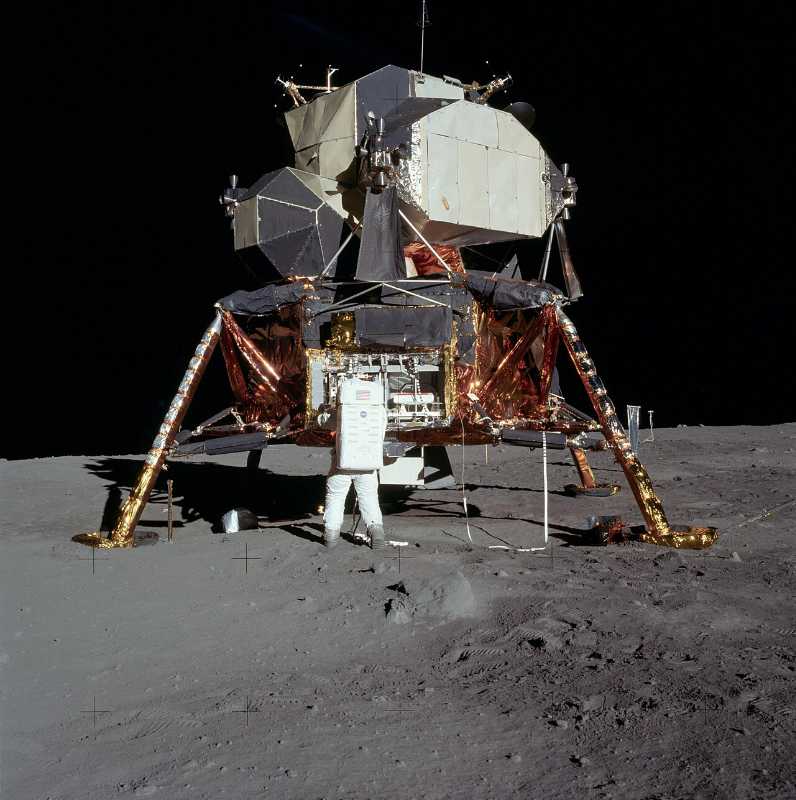
"Lunar Lander" places players at the controls of a fragile spacecraft, tasking them with bringing it safely down onto the moon's surface using limited fuel. Unlike fast-paced shooters of its era, the game emphasizes careful control of thrust and rotation, with momentum and gravity playing a constant role in success or failure.

Released by Atari in North America in 1979, "Lunar Lander" stood out for its vector graphics and realistic physics simulation. It was one of the first arcade games to reward precision and restraint rather than reflexes, foreshadowing the rise of simulation-based gameplay.
3. Data East, 1982

"BurgerTime" transforms a kitchen into a battlefield, with players guiding a chef across platforms to assemble giant hamburgers piece by piece. Each ingredient drops when stepped on, and timing these falls correctly is essential while avoiding relentless food-themed enemies that patrol the stage.

Developed by Data East and distributed in North America by Bally/Midway in 1982, "BurgerTime" became memorable for its whimsical design and escalating difficulty. Its unusual enemies - hot dogs, eggs, and pickles - embody the Golden Age tendency toward playful, surreal character concepts.
4. Atari, 1981

In "Centipede", players defend the bottom of the screen from a descending centipede that winds its way through a field of mushrooms. Shooting segments causes the creature to split, rapidly increasing the number of threats and forcing players to react quickly while managing screen space.

Released by Atari in 1981, "Centipede" was notable not just for its distinctive trackball controls but also for its intentional appeal to a broad audience. Its bright colours and organic enemies contrasted sharply with the space-themed shooters that dominated arcades at the time.
5. Taito, 1983

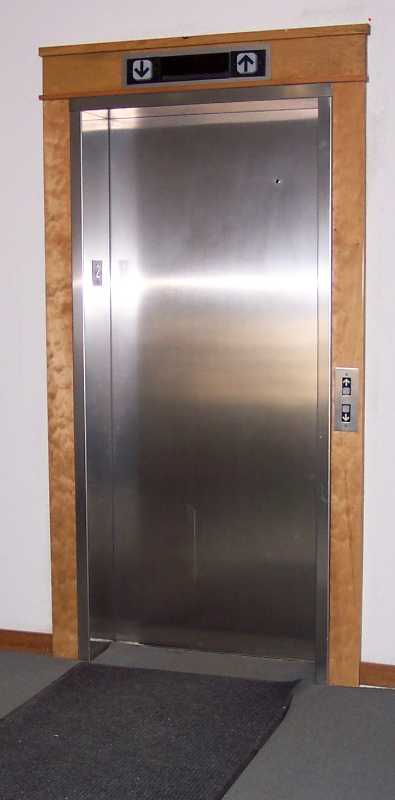
"Elevator Action" places players in the role of a suave secret agent infiltrating a multistory office building guarded by enemy operatives. Using elevators, stairs, and quick reflexes, the agent must retrieve confidential documents from each floor and escape the building alive. The game blends action and strategy, rewarding players who carefully time movements, use doors for cover, and manipulate elevators to outsmart their pursuers.

Taito released "Elevator Action" in arcades in 1983, where it stood out for its spy‑movie atmosphere and vertically scrolling gameplay. Unlike many shooters of its era, the tension comes from navigating space and managing risk rather than overwhelming firepower. Its stylish presentation and clever use of environment helped make it a lasting arcade classic and an early example of action games built around spatial awareness rather than constant combat.
6. Atari, 1982

"Dig Dug" challenges players to burrow underground and eliminate colourful monsters either by inflating them with an air pump or crushing them under falling rocks. Strategic digging is as important as combat, since tunnels serve as both escape routes and traps.

Developed by Namco and distributed in North America by Atari in 1982, "Dig Dug" blended action with deliberate pacing. Its mix of cute visuals and clever mechanics made it accessible while still rewarding thoughtful play.
7. Namco, 1980

"Pac-Man" tasks players with clearing a maze of pellets while being hunted by four ghosts, each with subtly different behaviour patterns. Power pellets temporarily reverse the roles, allowing Pac-Man to chase the ghosts for bonus points, creating a rhythm of tension and release.

Released in North America in 1980 by Midway under license from Namco, "Pac-Man" became a cultural phenomenon. Its non-violent premise and iconic character helped expand arcade gaming beyond its early niche and into the mainstream.
8. Williams Electronics, 1982

In "Joust", players ride flying ostriches (or storks for player 2) and battle enemy knights by colliding with them from a higher altitude. Movement is achieved by flapping, leading to chaotic and exhilarating aerial combat that rewards spatial awareness and timing.

Williams Electronics released "Joust" in North America in 1982. One especially notable feature was its support for simultaneous cooperative play, allowing two players to fight enemies - or interfere with each other - on the same screen.
9. Taito, 1982

"Jungle Hunt" is a multi-stage action game that sends players swinging on vines, leaping over crocodiles, dodging rolling boulders, and fending off attackers with thrown spears. Each section introduces new mechanics, keeping the experience varied.

Originally developed by Taito and released in North America in 1982, "Jungle Hunt" underwent revisions for Western audiences. These adjustments reflected early awareness of cultural sensitivities in international game distribution.
10. Atari, 1980

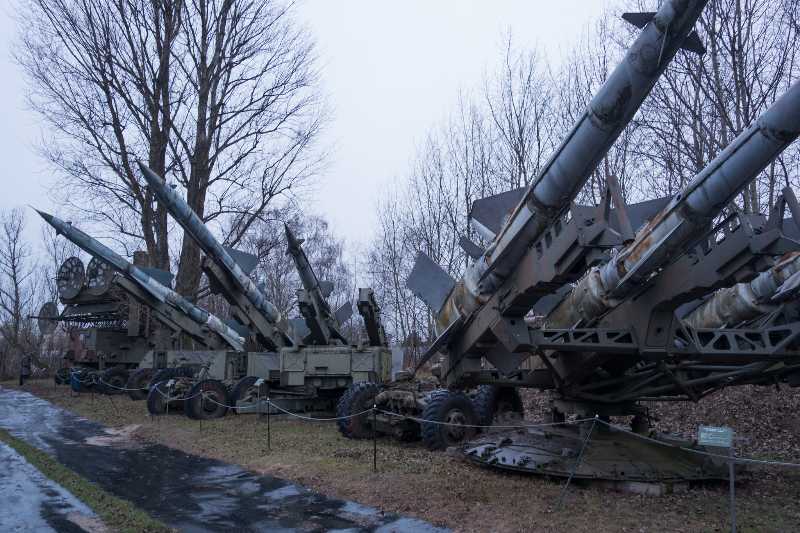
"Missile Command" places players in a stark defensive role, protecting cities from incoming nuclear missiles by launching interceptors. Ammunition is limited, forcing difficult choices as attacks grow more frequent and overwhelming.

Released by Atari in North America in 1980, "Missile Command" is often remembered for its somber tone. The game is unwinnable by design, echoing Cold War fears and making it one of the most thematically serious titles of the arcade era.
Source: Author reedy

This quiz was reviewed by FunTrivia editor kyleisalive before going online.
Any errors found in FunTrivia content are routinely corrected through our feedback system.
4/20/2026, Copyright 2026 FunTrivia, Inc. - Report an Error / Contact Us