FREE! Click here to Join FunTrivia. Thousands of games, quizzes, and lots more!
Quiz about Right This Way Explorer

Right This Way, Explorer! Trivia Quiz


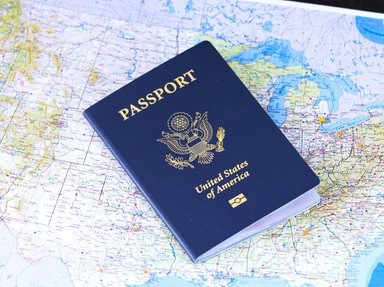
Pack your bags, grab your passport, and embark on an exhilarating journey around the globe! Follow your tour guide through South America, Africa, and Asia to discover exciting cultures and traditions. Ten stops, ten photos! Can you ace them all?

A photo quiz by nnamarie. Estimated time: 4 mins.
  1. Home
  2. »
  3. Quizzes
  4. »
  5. World Trivia
  6. »
  7. Global Trivia
  8. »
  9. Around the World in 10Q

Author
nnamarie
Time
4 mins
Type
Photo Quiz
Quiz #
426,530
Updated
Nov 17 26
# Qns
10
Difficulty
New Game
Plays
11
Last 3 plays: Guest 73 (8/10), OswaldEllie (10/10), lolleyjay (9/10).
-
Question 1 of 10
1. "Welcome to Brazil!" announces your tour guide as samba music fills the streets of Rio de Janeiro. Dazzling costumes and colorful floats are everywhere! Which famous celebration is taking place? Hint


Question 2 of 10
2. After a short flight, your group lands in Buenos Aires, Argentina. "Time to relax like the locals!" says your guide, passing around a small gourd filled with a leafy drink and a metal straw. What traditional South American beverage are you being invited to try? Hint


Question 3 of 10
3. "Next stop, Peru!" calls your guide as you board another plane. After landing in Lima, everyone heads to a seaside restaurant for lunch. Your guide recommends a famous Peruvian dish featuring fresh fish marinated in citrus juice. What's on the menu? Hint


Question 4 of 10
4. "Passports ready! We're off to Africa!" announces your guide. After connecting flights across the Atlantic, your group arrives in Ghana. At a bustling textile market, you discover colorful handwoven fabric featuring striking geometric patterns. What famous Ghanaian cloth are you admiring? Hint


Question 5 of 10
5. Your group catches another flight, with a connection, to Morocco. While exploring Marrakech, your guide stops at a traditional café. "Before we continue, let's enjoy some Moroccan hospitality!" A server pours a fragrant drink into small glasses. What popular beverage are you being served? Hint


Question 6 of 10
6. "Next stop, Cairo!" announces your guide as you board a flight to Egypt. Before taking your group on a traditional felucca sailboat ride along the Nile, your guide orders everyone a bowl of koshari, a popular Egyptian street food. Which combination of ingredients makes up this hearty dish? Hint


Question 7 of 10
7. After a flight to India, your tour group arrives to find the streets filled with laughter and clouds of pink, yellow, and green powder! "You've arrived during one of India's most colorful celebrations!" exclaims your guide. Which famous Hindu spring festival is taking place? Hint


Question 8 of 10
8. "Time for a shopping trip!" announces your guide after your flight arrives in Thailand. But instead of taking a taxi, your group boards a boat and travels along a canal. Soon, you spot vendors selling fresh fruit and delicious snacks directly from their boats. What kind of market are you visiting? Hint


Question 9 of 10
9. Your group boards a plane to China, where colorful red decorations fill the streets for Lunar New Year! "Look what the children are receiving!" your guide points out. Families are exchanging small red envelopes called hongbao. What traditional gift is usually tucked inside? Hint


Question 10 of 10
10. "Last stop, Japan!" announces your guide as your group boards its final flight. At a cultural workshop, everyone receives a square sheet of paper. Without using scissors or glue, you learn to fold it into an elegant crane. What traditional Japanese art are you practicing? Hint


(Optional) Create a Free FunTrivia ID to save the points you are about to earn:

arrow Select a User ID:
arrow Choose a Password:
arrow Your Email:


View Image Attributions for This Quiz

Most Recent Scores
Today : Guest 73: 8/10
Today : OswaldEllie: 10/10
Today : lolleyjay: 9/10
Today : Guest 155: 8/10
Today : Guest 174: 10/10
Today : bernie73: 7/10
Today : Guest 104: 4/10
Today : dellastreet: 10/10
Today : kstyle53: 10/10

Quiz Answer Key and Fun Facts
1. "Welcome to Brazil!" announces your tour guide as samba music fills the streets of Rio de Janeiro. Dazzling costumes and colorful floats are everywhere! Which famous celebration is taking place?

Answer: Carnival

The carnival in Rio de Janeiro, Brazil, takes place every year before Lent and is famous for its dazzling samba school parades. Performers wow the crowds with vibrant costumes, massive floats, and choreographed dances. Many samba schools devote almost an entire year to getting ready for their spectacular performances.

Festa Junina is a traditional Brazilian June festival, Oktoberfest originated in Germany, and Diwali is the Hindu Festival of Lights.
2. After a short flight, your group lands in Buenos Aires, Argentina. "Time to relax like the locals!" says your guide, passing around a small gourd filled with a leafy drink and a metal straw. What traditional South American beverage are you being invited to try?

Answer: Mate

Mate is a traditional South American drink made from dried yerba mate leaves steeped in hot water. Its roots go back to the Indigenous Guaraní people, who enjoyed the plant long before European colonization. In Argentina, sharing mate is a social tradition, with friends and family often passing the same gourd and metal straw, called a bombilla, around a circle.

Rooibos is a South African herbal tea, masala chai is a spiced Indian tea, and sake is a traditional Japanese rice beverage.
3. "Next stop, Peru!" calls your guide as you board another plane. After landing in Lima, everyone heads to a seaside restaurant for lunch. Your guide recommends a famous Peruvian dish featuring fresh fish marinated in citrus juice. What's on the menu?

Answer: Ceviche

Ceviche is one of Peru's most treasured dishes, traditionally made with fresh fish marinated in citrus juice, chili peppers, and onions. The citrus juice changes the texture of the fish through a process called protein denaturation. In 2023, UNESCO recognized the cultural traditions surrounding Peruvian ceviche as Intangible Cultural Heritage.

Dulce de leche is a caramel-like milk confection, chorizo is a seasoned sausage, and plátanos fritos are fried plantains enjoyed throughout Latin America.
4. "Passports ready! We're off to Africa!" announces your guide. After connecting flights across the Atlantic, your group arrives in Ghana. At a bustling textile market, you discover colorful handwoven fabric featuring striking geometric patterns. What famous Ghanaian cloth are you admiring?

Answer: Kente

Kente is a traditional Ghanaian cloth associated with the Asante and Ewe peoples. Its colorful patterns often have names inspired by proverbs, historical events, or important social values. Once closely associated with royalty and prestigious occasions, kente remains an important symbol of Ghanaian culture. In 2024, UNESCO recognized the craftsmanship of traditional kente weaving.

Kanga is a printed cloth popular in East Africa, bogolanfini is a traditional Malian mud-dyed fabric, and habesha kemis is a traditional Ethiopian and Eritrean dress.
5. Your group catches another flight, with a connection, to Morocco. While exploring Marrakech, your guide stops at a traditional café. "Before we continue, let's enjoy some Moroccan hospitality!" A server pours a fragrant drink into small glasses. What popular beverage are you being served?

Answer: Mint tea

Moroccan mint tea is traditionally prepared with green tea, fresh mint, and sugar. Often called Moroccan whiskey as a playful nickname, it is a symbol of hospitality and is commonly offered to welcome guests. The tea is traditionally poured from a height into small glasses, helping to mix the drink and create a light foam.

Hibiscus tea is a tart herbal infusion made from hibiscus flowers, Turkish coffee is prepared from finely ground coffee, and oolong is a partially oxidized tea traditionally associated with China.
6. "Next stop, Cairo!" announces your guide as you board a flight to Egypt. Before taking your group on a traditional felucca sailboat ride along the Nile, your guide orders everyone a bowl of koshari, a popular Egyptian street food. Which combination of ingredients makes up this hearty dish?

Answer: Chickpeas, lentils, rice, pasta, tomato sauce

Koshari is one of Egypt's most beloved comfort foods, combining rice, lentils, pasta, chickpeas, and tomato sauce, often topped with crispy fried onions. Its ingredients reflect centuries of cultural exchange, with possible influences from Indian rice-and-lentil dishes and Italian pasta. In 2025, UNESCO recognized the traditions surrounding koshari as Intangible Cultural Heritage.

Chicken with yogurt and couscous resembles dishes found in North African cooking, fish and potatoes are common in coastal cuisines, and black beans with rice are staples in parts of Latin America and the Caribbean.
7. After a flight to India, your tour group arrives to find the streets filled with laughter and clouds of pink, yellow, and green powder! "You've arrived during one of India's most colorful celebrations!" exclaims your guide. Which famous Hindu spring festival is taking place?

Answer: Holi

Holi, the Hindu Festival of Colors, celebrates the arrival of spring and the triumph of good over evil. One of its traditional stories involves Prahlada and Holika, whose legend is remembered through ceremonial bonfires. The following celebrations often feature colorful powders called gulal, music, dancing, and festive foods shared with family and friends.

Ashura is an important Islamic observance, Pongal is a Tamil harvest festival, and Navratri is a nine-night Hindu festival honoring the divine feminine.
8. "Time for a shopping trip!" announces your guide after your flight arrives in Thailand. But instead of taking a taxi, your group boards a boat and travels along a canal. Soon, you spot vendors selling fresh fruit and delicious snacks directly from their boats. What kind of market are you visiting?

Answer: Floating market

Floating markets are an important part of Thailand's trading history. Before modern roads became widespread, rivers and canals served as major transportation routes, and merchants sold their goods directly from wooden boats. One of the most famous examples is Damnoen Saduak Floating Market, where visitors can see vendors selling tropical fruits, traditional dishes, and souvenirs along the waterways.

Flea markets specialize in secondhand goods, farmers' markets feature agricultural products, and night markets are shopping areas that operate mainly in the evening.
9. Your group boards a plane to China, where colorful red decorations fill the streets for Lunar New Year! "Look what the children are receiving!" your guide points out. Families are exchanging small red envelopes called hongbao. What traditional gift is usually tucked inside?

Answer: Money

During Chinese Lunar New Year, red envelopes called hongbao are traditionally given to children and younger relatives as symbols of good luck and prosperity. The color red represents happiness and good fortune, while the amount of money may carry special meaning. For example, the number eight is considered especially lucky because of its association with wealth and success.

Tea leaves are central to Chinese tea traditions, prayer cards contain devotional messages, and fortune slips are associated with forms of temple divination.
10. "Last stop, Japan!" announces your guide as your group boards its final flight. At a cultural workshop, everyone receives a square sheet of paper. Without using scissors or glue, you learn to fold it into an elegant crane. What traditional Japanese art are you practicing?

Answer: Origami

Origami is the Japanese art of folding paper into decorative shapes, from simple animals to intricate designs. The word comes from the Japanese words oru, meaning "to fold," and kami, meaning "paper." One famous tradition involves folding one thousand paper cranes, called senbazuru, which are associated with wishes for good health, hope, and peace.

Ikebana is the Japanese art of flower arranging, shodo is traditional Japanese calligraphy, and kirigami combines paper folding with cutting.
Source: Author nnamarie

This quiz was reviewed by FunTrivia editor stedman before going online.
Any errors found in FunTrivia content are routinely corrected through our feedback system.
11/17/2026, Copyright 2026 FunTrivia, Inc. - Report an Error / Contact Us