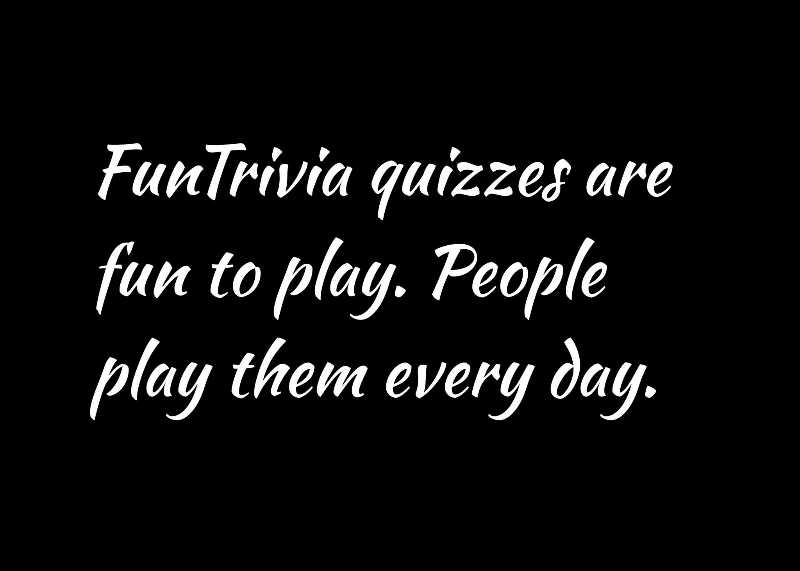
Kaushan Script was designed by Argentinian Pablo Impallari in 2011. Many script fonts look elegant but become hard to read at small sizes. Kaushan Script was specifically optimised for web use, staying legible even at 16px.
It was created to mimic the quick strokes of a brush pen, with irregular angles and imperfect curves that give it a lively, handmade character. Its name was inspired by Vyacheslav Kaushan, a project backer. It was quickly adopted into Google Fonts, which helped it spread widely across websites and apps.
2. Joti One
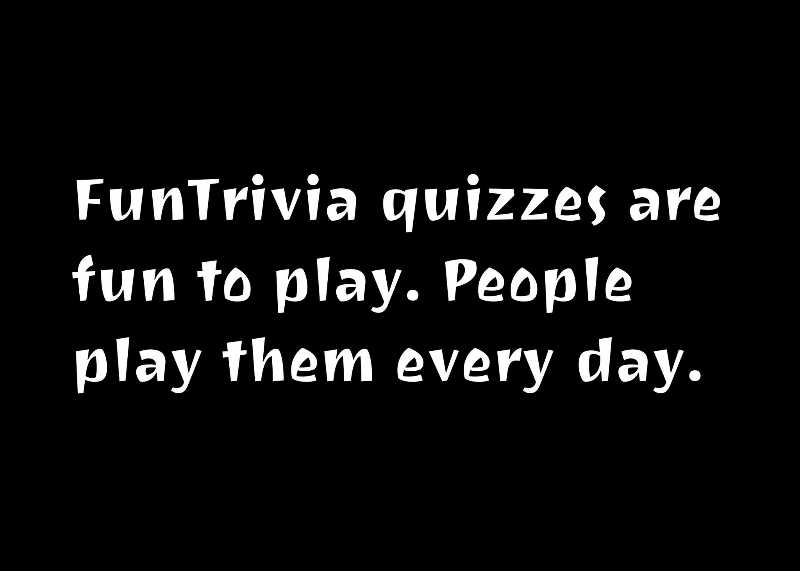
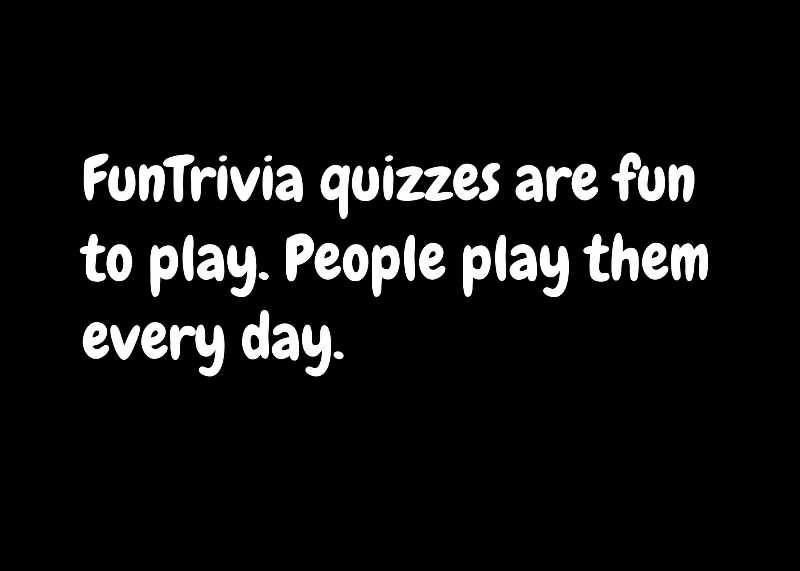
Joti One was designed by Eduardo Tunni in 2012. He named it after his son Jonah (nicknamed Joti), reflecting its childlike, friendly spirit. The font was created for short texts at large sizes (above 14pt), such as titles, posters, and banners.
Its exaggerated, top-heavy stems and informal curves were inspired by the style of children's cartoons, giving it a whimsical, energetic personality. It's perfect for headlines and short texts that need a fun, informal tone.
3. Jolly Lodger
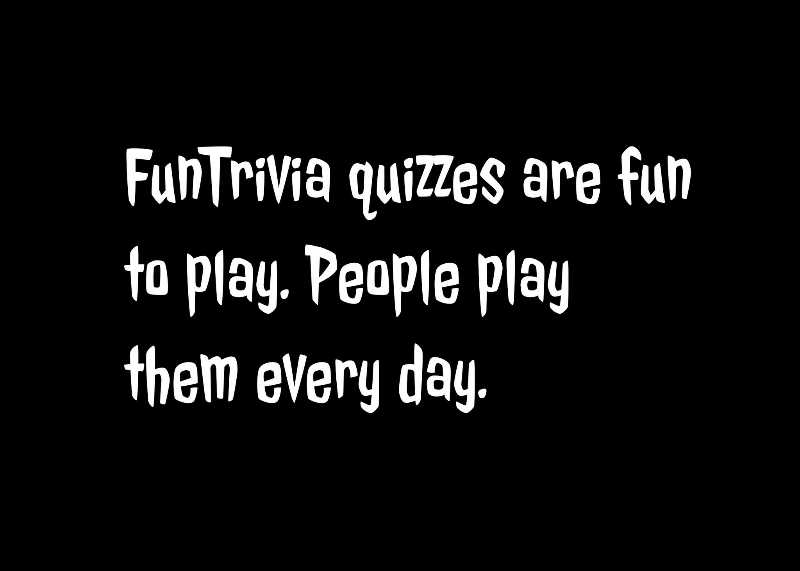
Created by Stuart Sandler for Font Diner in 2010, Jolly Lodger was designed as a retro-inspired display font, meant to capture the playful, quirky spirit of mid-20th-century roadside motels and neon signage. Its name and style reference the idea of a roadside inn, 'Wherever your travels may take you, you'll always find a comfortable host off the interstate at the Jolly Lodger!'
With its exaggerated curves and vintage flair, it's great for posters, logos, nostalgic branding, themed events, or designs that want to feel nostalgic and lighthearted.
4. Alconica
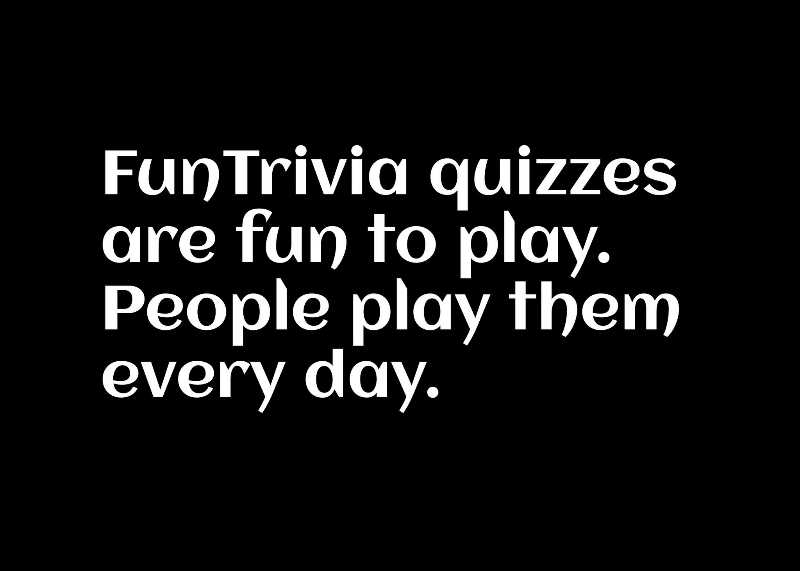
Alconica was created in 2011 by Brian J. Bonislawsky of Astigmatic One Eye Typographic Institute. It was designed as a modern sans‑serif typeface with a slight deco/techno feel, intended for both display titling and body copy.
Its design is clean, strong, and legible, with a generous x‑height for friendliness and readability. Unlike many decorative fonts, Aclonica was intended for both display titling (headlines, posters, logos) and body text, making it more flexible than purely ornamental typefaces.
5. Chewy
Classified as a display typeface, Chewy was designed in 2010 by Sideshow, a type foundry known for fun, informal typefaces. It was created as a playful, bouncy display font for headlines, posters, and children's media.
Its rounded edges and irregular counters give it a hand‑drawn authenticity, setting it apart from sterile typefaces. Chewy was intended for large sizes (titles, headlines) rather than long body text. It was added to Google Fonts, making it widely available for web designers.
6. Henny Penny
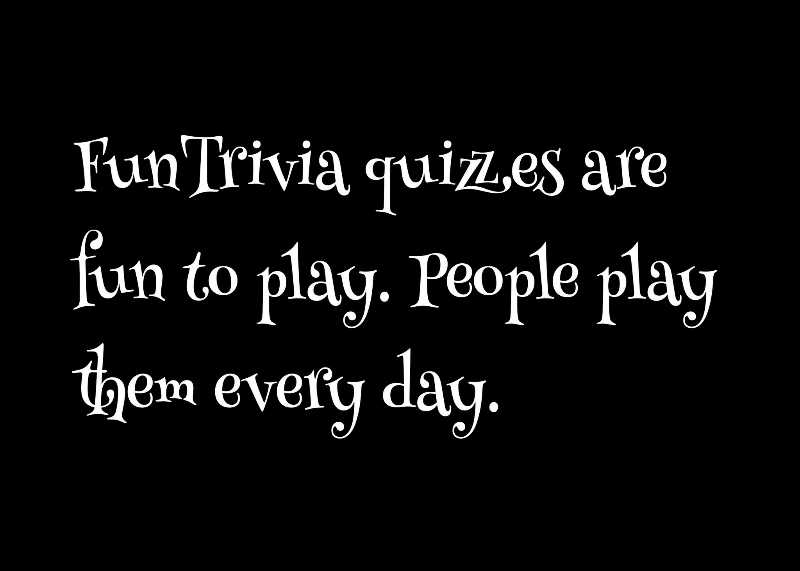
Henny Penny is a display font created in 2011 by Brownfox, designed to bring a fairy‑tale, storybook charm to titles and playful projects. It was released as part of the early wave of open‑source fonts on Google Fonts, with the intent of offering designers a free, accessible typeface that could capture the quirky, decorative feel of children's tales and fantasy themes.
Its letterforms are slightly exaggerated, with curling strokes and lively proportions that make it unsuitable for long body text but perfect for headlines, posters, invitations, and branding that need a touch of magic or humour. The name 'Henny Penny' itself nods to the classic folk tale character, reinforcing its connection to storytelling.
7. Sunshiney
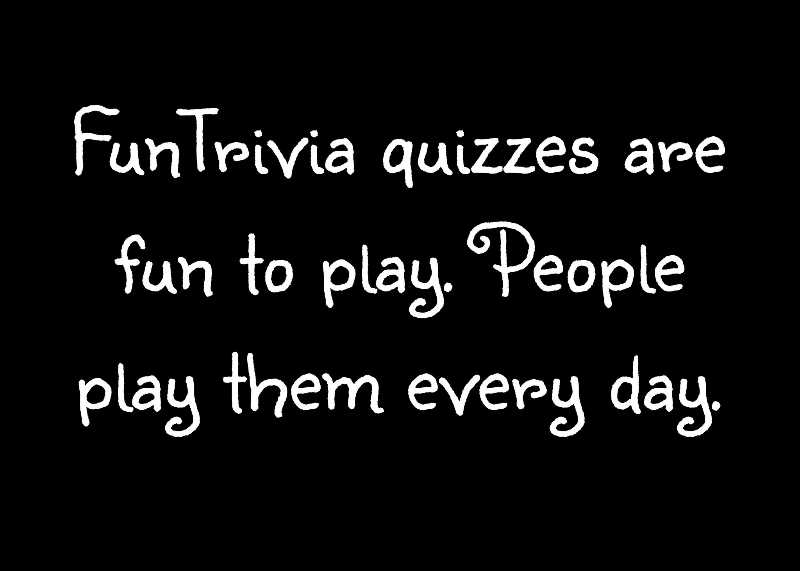
Sunshiney was created in 2010 by Squid (of Font Diner) as a cheerful, hand‑crafted display font designed to bring warmth and playfulness to websites, blogs, and informal projects. It was designed to look like casual, handwritten notes, with loose strokes and rounded forms that convey friendliness and are intended for titles, posters, invitations, and branding, rather than long body text.
It was marketed as 'a ray of hand‑crafted goodness that can lighten up the dreariest of domains'. It works well for blogs, social media graphics, and informal projects where a whimsical, approachable tone is desired.
8. Indie Flower
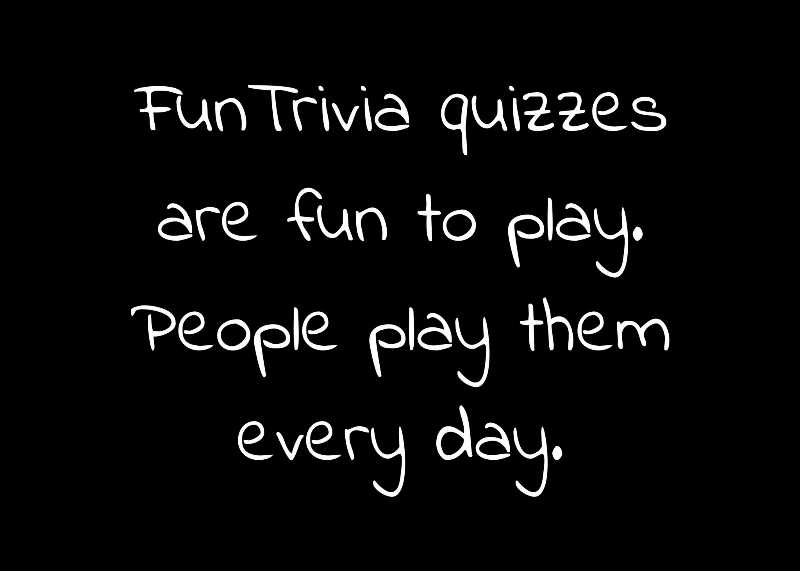
Indie Flower is a casual handwritten font created in 2010 by Kimberly Geswein, designed to bring a friendly, informal touch to digital and print projects by mimicking the look of casual, everyday handwriting, with rounded strokes and a slightly uneven baseline that gives it a warm, human feel.
It was never meant for long passages of text; instead, it shines in headlines, notes, invitations, posters, and playful branding where a handwritten vibe adds personality. The font's name reflects its spirit: 'Indie' for independence and creativity, 'Flower' for softness and friendliness.
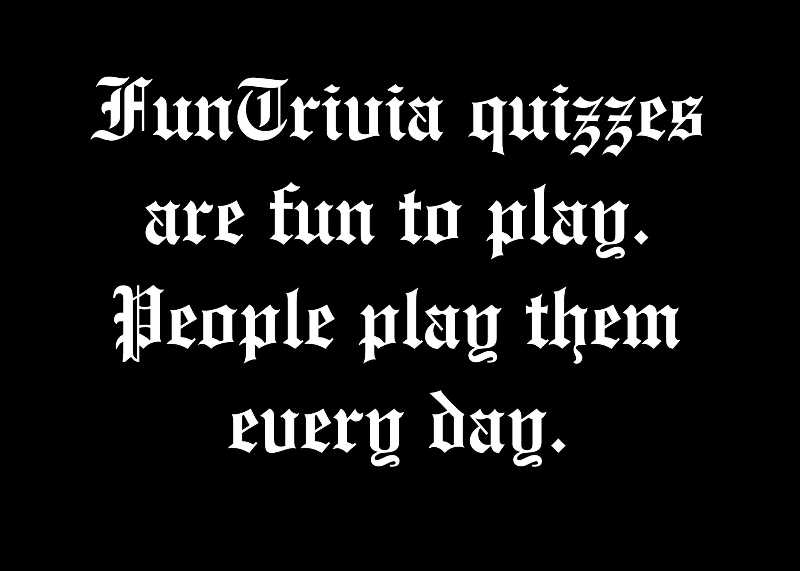
9. Old English
Old English fonts became symbols of tradition, formality, and heritage, often associated with medieval Europe and the Gothic aesthetic. They were used in religious manuscripts, legal documents, and early printed works, including Johannes Gutenberg's famous 15th‑century Bible. The style was meant to replicate the dense, angular handwriting of scribes, with dramatic strokes and ornate flourishes that conveyed authority and solemnity.
In modern usage, Old English fonts are often employed for logos, tattoos, certificates, and branding when designers want to evoke history, mystery, or timeless elegance. They remain popular because they carry a strong sense of tradition, even though they are no longer practical for body text due to legibility concerns.
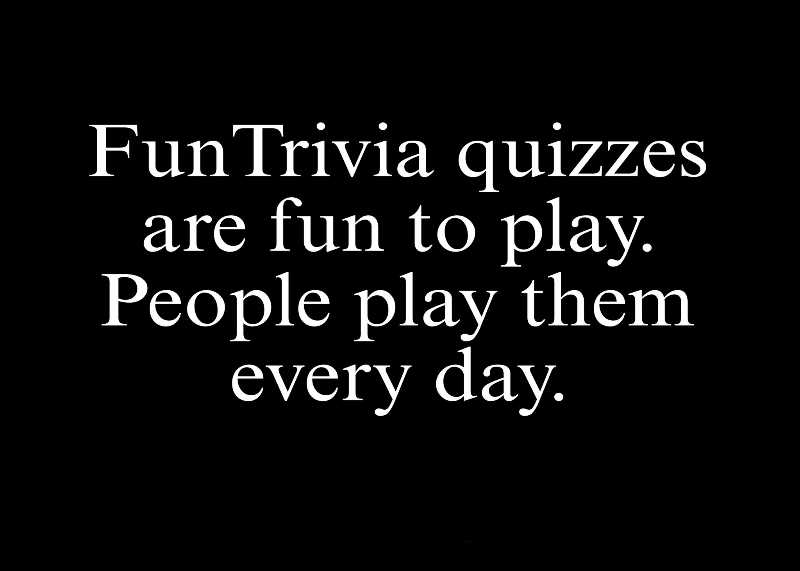
10. Times New Roman
Times New Roman was created in 1931 by Stanley Morison and Victor Lardent for the British newspaper The Times, designed to improve readability and efficiency in print. It was commissioned by 'The Times' (London) in 1929 after Morison criticised the paper's outdated typeface. It is a transitional serif typeface known for its clarity and efficiency in print.
It became one of the most widely used typefaces in the world, bundled with most operating systems and word processors. It's widely used in academic and professional documents due to its formal, readable structure.
This quiz was reviewed by FunTrivia editor looney_tunes before going online.
Any errors found in FunTrivia content are routinely corrected through our feedback system.