FREE! Click here to Join FunTrivia. Thousands of games, quizzes, and lots more!
Musical Instruments: Can You Match Them? Quiz
Can you identify these musical instruments from their photographs? Some will be familiar, while others may leave you scratching your head! Match them to the correct names and discover some fascinating facts along the way. Good luck and enjoy!
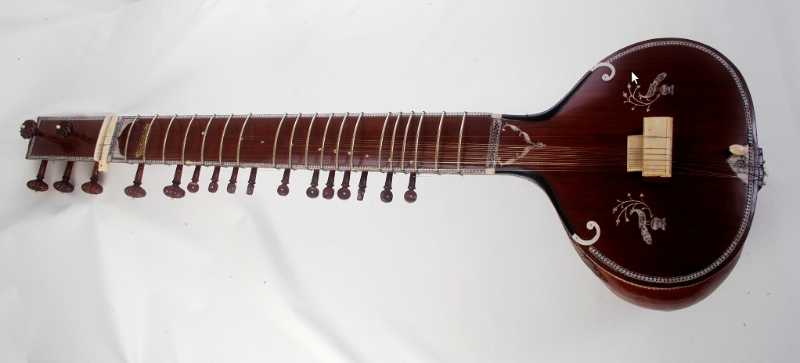
The sitar is a long-necked string instrument associated with the classical music of northern India. It has several playing strings as well as sympathetic strings, which vibrate in response to the notes being played and give the instrument its distinctive resonance. Its movable frets can be adjusted to suit different ragas and musical scales.
Sitar virtuoso Ravi Shankar played a major role in introducing the sitar to Western audiences. His friendship with George Harrison of The Beatles led to George studying the instrument, and it subsequently appeared on several Beatles recordings, including 'Norwegian Wood (This Bird Has Flown)'.
2. Harpsichord
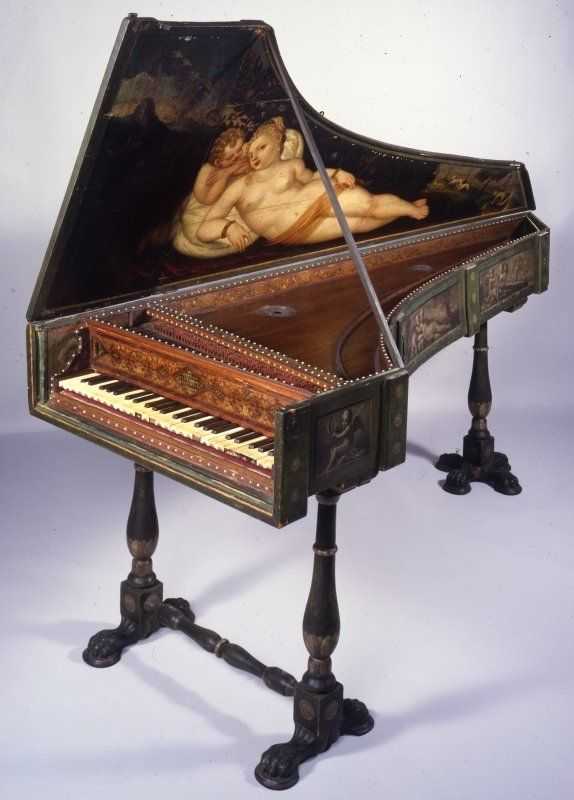
The harpsichord is a keyboard instrument in which the strings are plucked rather than struck. This gives it a bright, crisp sound that is quite different from a piano. Unlike a piano, pressing a harpsichord key harder does not normally make the note louder. The instrument was especially important during the Baroque period, with composers such as Bach and Handel writing extensively for it.
Its distinctive sound also made it a memorable feature of Lurch in the TV show 'The Addams Family', where the character was an enthusiastic harpsichord player. The instrument featured prominently in the 1965 episode 'Lurch and His Harpsichord'.
Elton John has also used the harpsichord in his music. His 1970 album 'Elton John' features electric harpsichord on 'I Need You to Turn To', giving the song an unusual keyboard sound.
3. Ocarina
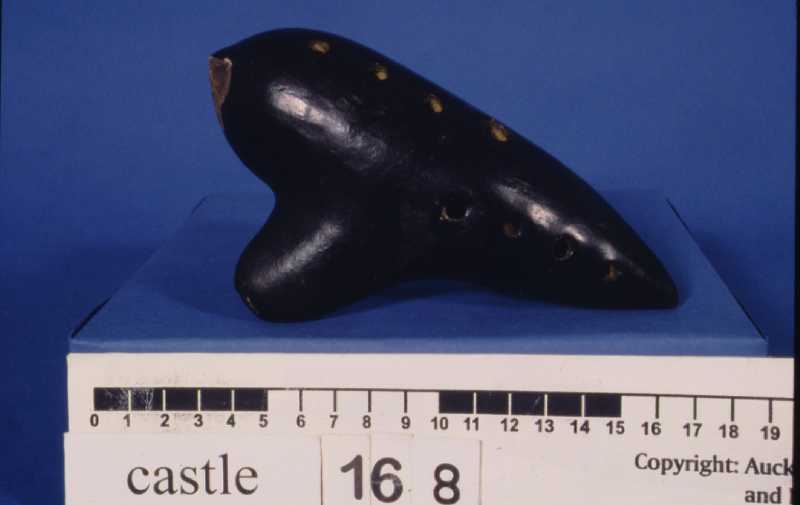
The ocarina is a small wind instrument with a hollow body and finger holes. It is often made from ceramic, although modern examples can be produced from other materials. Despite its simple appearance, ocarinas come in many different shapes and sizes.
The instrument became particularly famous among gamers through 'The Legend of Zelda: Ocarina of Time', which was released in 1998. The game's title refers directly to the ocarina that plays an important role in the story, helping introduce this unusual instrument to a much wider audience.
4. Concertina
The concertina is a compact free-reed instrument with buttons at both ends and a bellows between them. Sound is produced as air passes through reeds when the bellows are pushed and pulled.
Sir Charles Wheatstone patented the English concertina in London in 1829. Different forms later developed, including the German and Anglo concertinas, and the instrument became popular in British and Irish folk music.
Alistair Anderson is a prominent English concertina player. He has performed traditional music internationally and has also helped promote English folk music through education and organisations such as Folkworks.
5. Plucked dulcimer
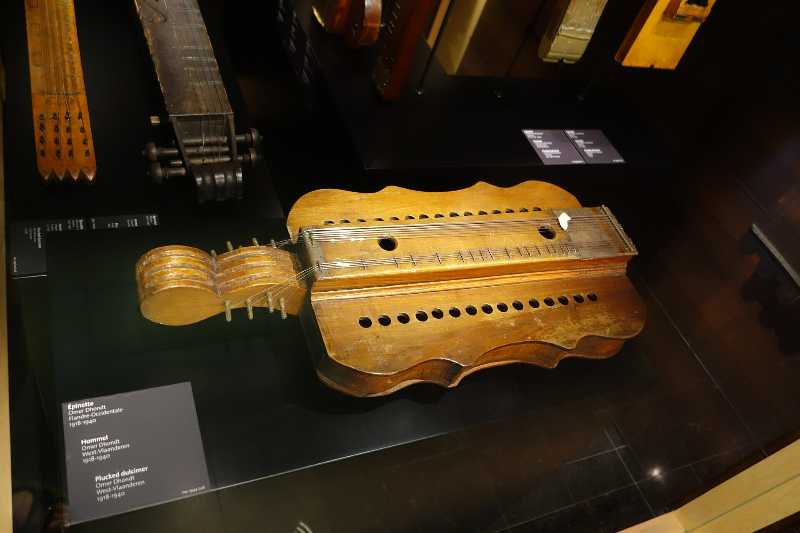
A plucked dulcimer is a string instrument in which the strings are plucked rather than struck with small hammers. This makes it quite different from the better-known hammered dulcimer.
One traditional form is the Belgian hommel, which has frets and drone strings. Plucked dulcimers have appeared in European folk traditions, and their unusual construction makes them particularly distinctive among string instruments.
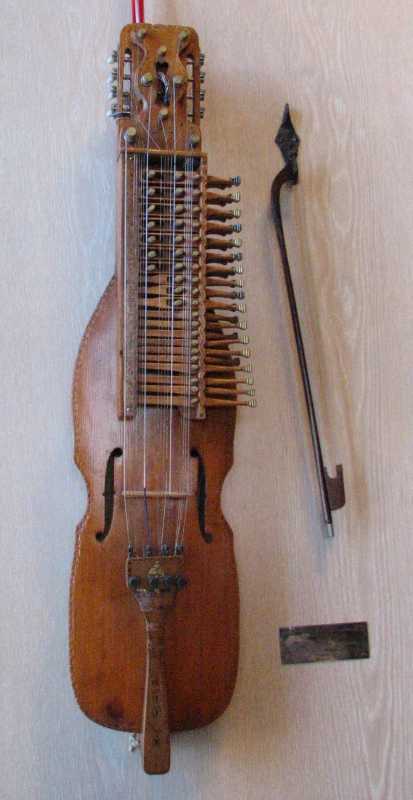
6. Nyckelharpa
The nyckelharpa is a traditional Swedish bowed string instrument, sometimes called a keyed fiddle. Rather than placing the fingers directly on the strings, the player uses keys fitted with small tangents to change the notes.
It also has sympathetic strings that aren't bowed directly. These vibrate when corresponding notes are played, helping to give the instrument its rich, resonant sound. The nyckelharpa has been part of Swedish musical traditions for centuries and remains one of Sweden's most distinctive folk instruments.
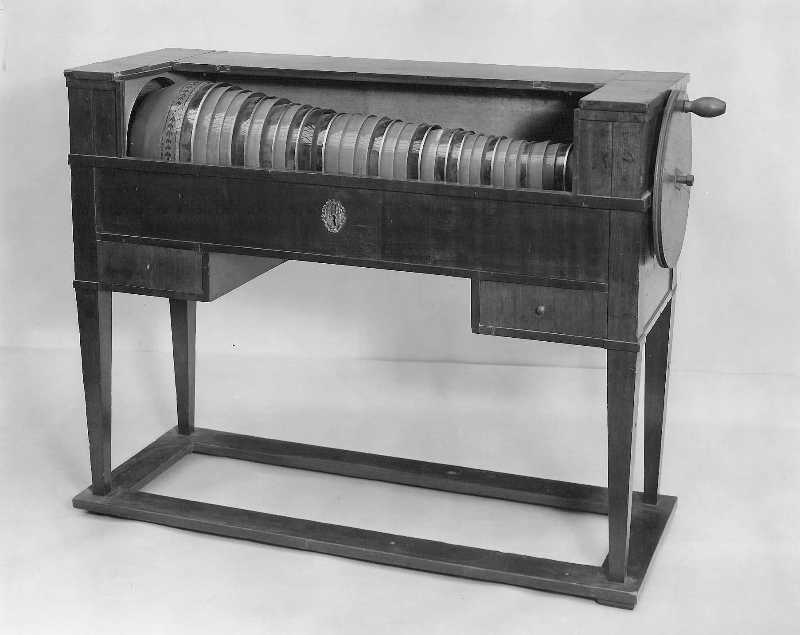
7. Glass harmonica
The glass harmonica was invented by Benjamin Franklin in the 18th century. It consists of glass bowls or discs mounted on a rotating spindle, with the player producing notes by touching their moistened rims.
He developed his version after seeing musicians playing tunes on water-filled glasses. The unusual instrument attracted considerable attention, and composers including Mozart and Beethoven wrote music for it. Its delicate, haunting sound has also helped give the glass harmonica a reputation as one of the more unusual instruments in classical music.
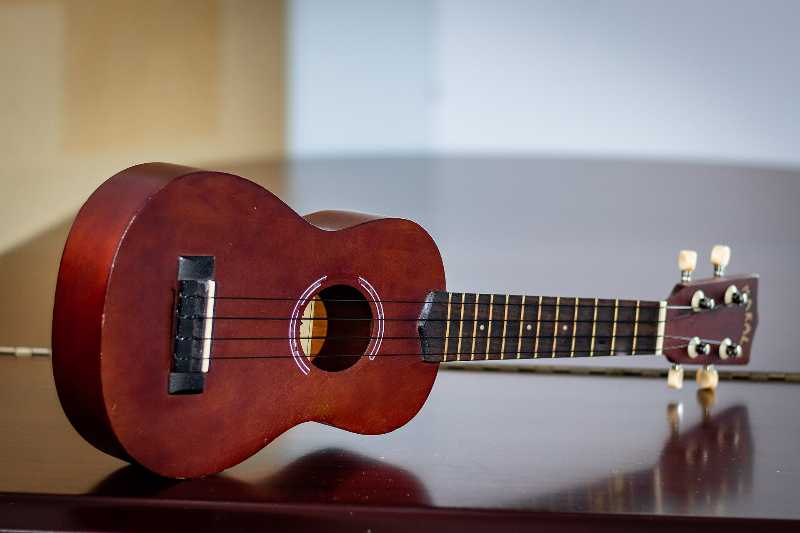
8. Ukulele
The ukulele is a small four-stringed instrument strongly associated with Hawai'i. Its history began with Portuguese immigrants who brought related stringed instruments to the islands during the 19th century.
The ukulele later became popular internationally. In Britain, George Formby became one of its most famous players, often accompanying his comic songs with his distinctive ukulele playing. In the United States, Tiny Tim also became closely associated with the instrument and famously played one while singing in his distinctive falsetto.
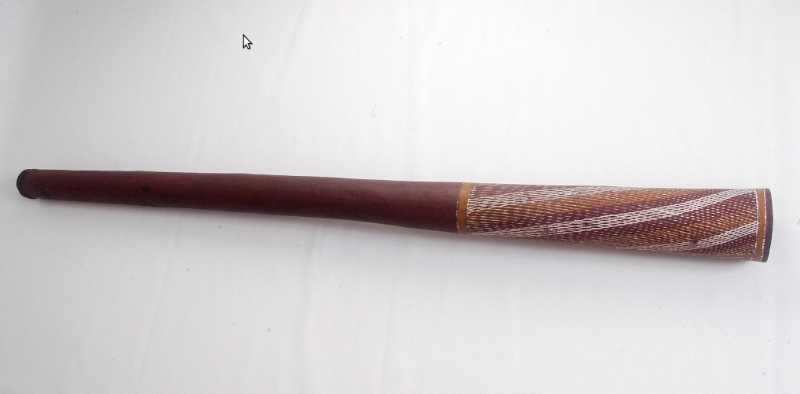
9. Didgeridoo
The didgeridoo is a traditional wind instrument associated with Aboriginal peoples of northern Australia. It is generally made from a long wooden tube and produces a deep, resonant drone.
Traditionally, the wood may be naturally hollowed by termites before the instrument is made. One of its most impressive playing techniques is circular breathing, which allows skilled players to maintain a continuous sound while taking breaths. The didgeridoo has a long history in Aboriginal Australian musical traditions.
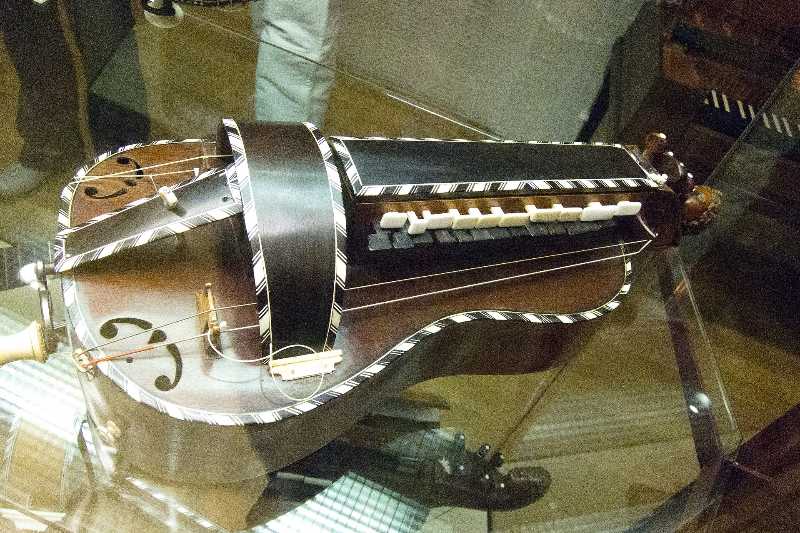
10. Hurdy-gurdy
The hurdy-gurdy is a string instrument with a very unusual way of producing sound. Instead of a bow, the player turns a hand crank that rotates a rosined wheel against the strings. A keyboard changes the pitch of the melody strings, while additional strings can provide continuous drone notes.
The instrument has a long history in European folk music and is still played today. It even inspired the title of Donovan's 1968 song 'Hurdy Gurdy Man'. Despite the title, however, the recording itself doesn't feature a hurdy-gurdy.
This quiz was reviewed by FunTrivia editor agony before going online.
Any errors found in FunTrivia content are routinely corrected through our feedback system.