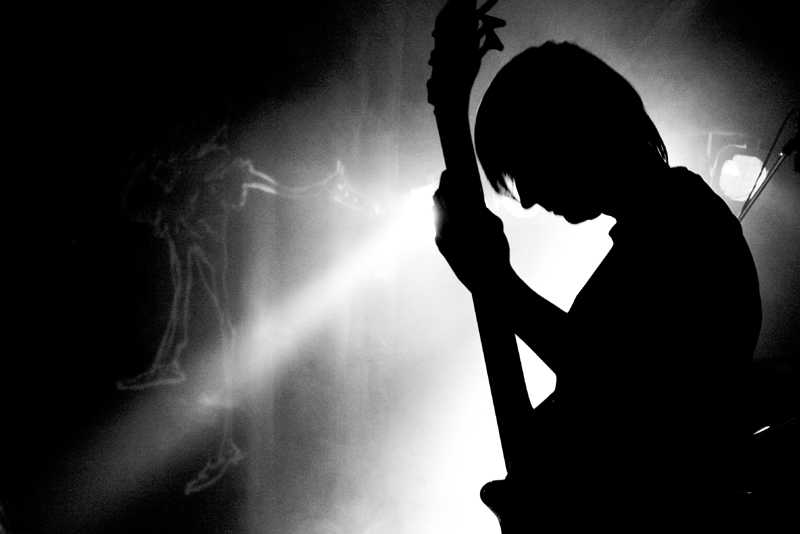
The electric bass guitar was developed in the early 1950s, most notably by Leo Fender, who introduced the Precision Bass in 1951. It was designed as a more portable and easier‑to‑amplify alternative to the double bass, especially for use in bands with electric instruments. Earlier bass roles were filled by upright basses, but amplification challenges made consistency difficult.
The bass guitar took quickly to jazz, rock, and later funk and pop, where its fretted neck and amplified tone helped define modern rhythm sections.
2. Trumpet
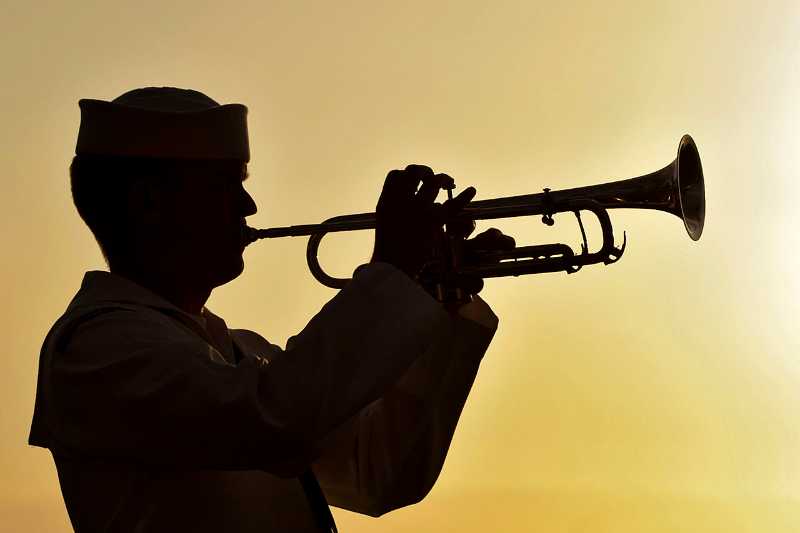
The trumpet has very ancient roots, with early versions made from bone or metal appearing thousands of years ago. The modern valved trumpet emerged in the early 19th century, with key innovations by makers such as Heinrich Stölzel and Friedrich Blühmel, who developed the valve system around 1814. Before valves, trumpets were "natural" instruments limited to certain notes. Today, the trumpet appears across classical, jazz, marching band, and popular styles, often carrying bright melodic lines or fanfares.
3. Double bass
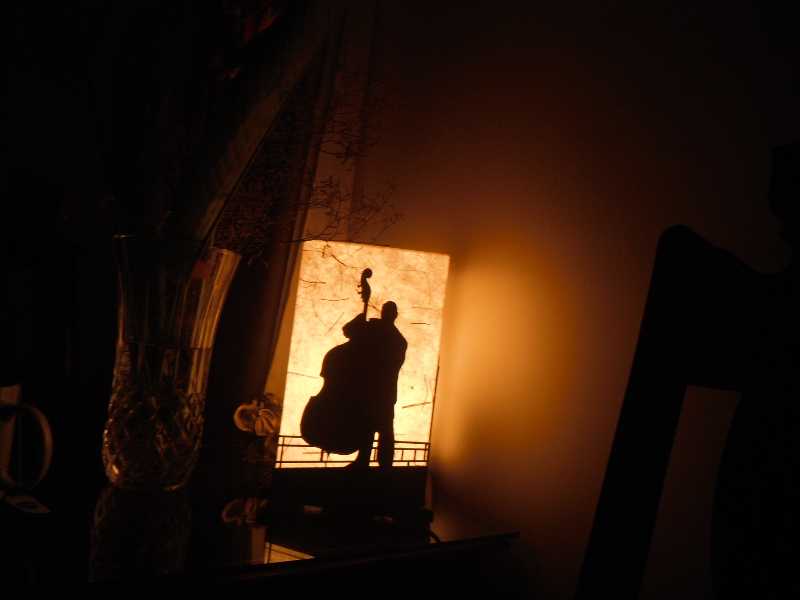
The double bass evolved gradually in Europe during the 16th and 17th centuries, drawing from both the violin and viol families. It doesn't have a single inventor. Early bass instruments varied widely in size and tuning, and the modern double bass reflects a blend of those traditions.
It became a standard foundation for orchestras and later jazz ensembles, where it is often played pizzicato. It's also heard in folk, bluegrass, and even rockabilly settings.
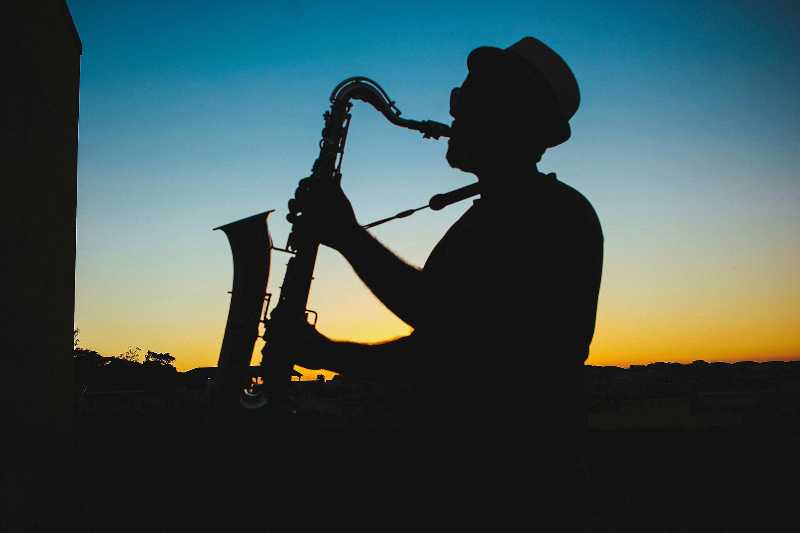
4. Tenor saxophone
The saxophone family was invented by Adolphe Sax in the early 1840s, with patents granted in 1846. The tenor saxophone sits in the middle of the family and was part of Sax's original design. Although initially intended for military bands, the tenor sax found its home in jazz during the early 20th century, where its warm, flexible tone became a staple.
It's also used in rock, pop, and concert band settings.
5. Violin
The violin emerged in northern Italy during the early 16th century, with makers such as Andrea Amati credited with shaping its early form. It developed from earlier bowed instruments like the rebec and fiddle. Over time, refinements in construction standardized its size and tuning.
The violin became central to Western classical music and is also widely used in folk traditions across Europe and beyond.
6. Clarinet
The clarinet was developed in the early 18th century, generally credited to Johann Christoph Denner of Nuremberg around 1700. It evolved from the chalumeau, a simpler single‑reed instrument with a limited range. By adding a register key and improving the design, Denner's instrument gained a wider compass.
The clarinet is now found in orchestras, bands, and jazz ensembles, valued for its wide range and flexible tone.
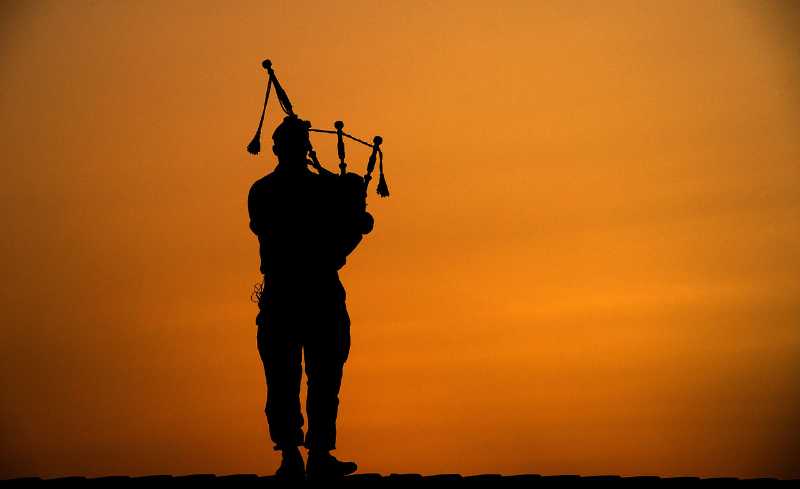
7. Bagpipes
Bagpipes are much older than many orchestral instruments, with forms appearing in Europe and possibly the Middle East more than a thousand years ago. No single inventor is known. The instrument works by storing air in a bag and producing continuous sound through reeds.
The best-known form, the Great Highland bagpipe, became associated with Scottish culture, with the earliest version appearing in the late 14th century. Bagpipes are commonly heard in folk traditions, ceremonial settings, and military bands.
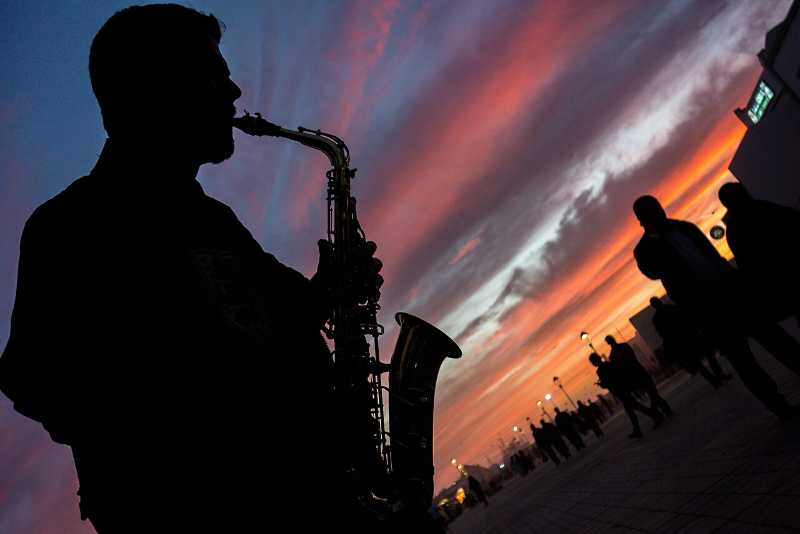
8. Alto saxophone
Also created by Adolphe Sax in the 1840s, the alto saxophone is one of the most commonly used members of the saxophone family. Like the tenor sax, it was originally intended for military and concert bands. Its bright but smooth tone made it popular in jazz, particularly in the early swing era, and it remains common in bands, orchestras (occasionally), and contemporary music.
9. Sousaphone
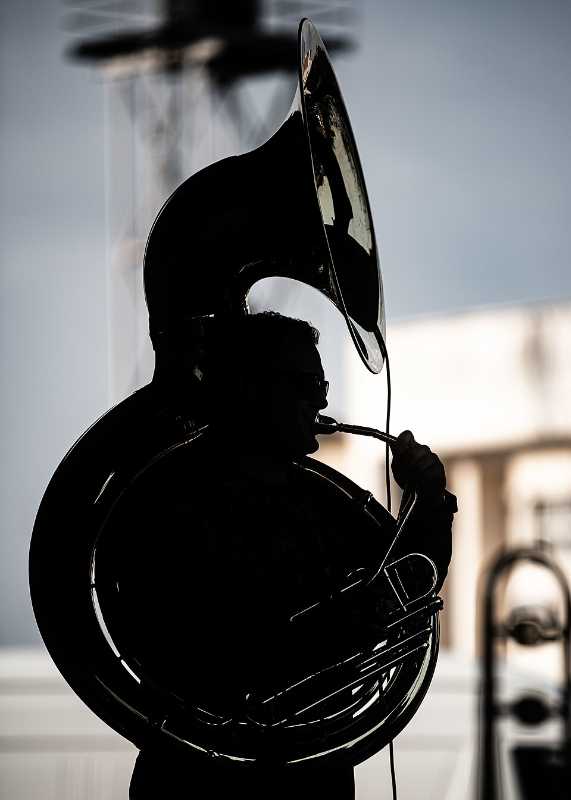
The sousaphone was developed in the 1890s and is named after American bandleader John Philip Sousa. It was designed as a modification of the tuba to suit marching bands, with a shape that wraps around the player and projects sound forward. Earlier tubas were less practical for movement.
The sousaphone is still closely associated with marching bands, parades, and some jazz traditions such as New Orleans brass bands.
10. Bassoon
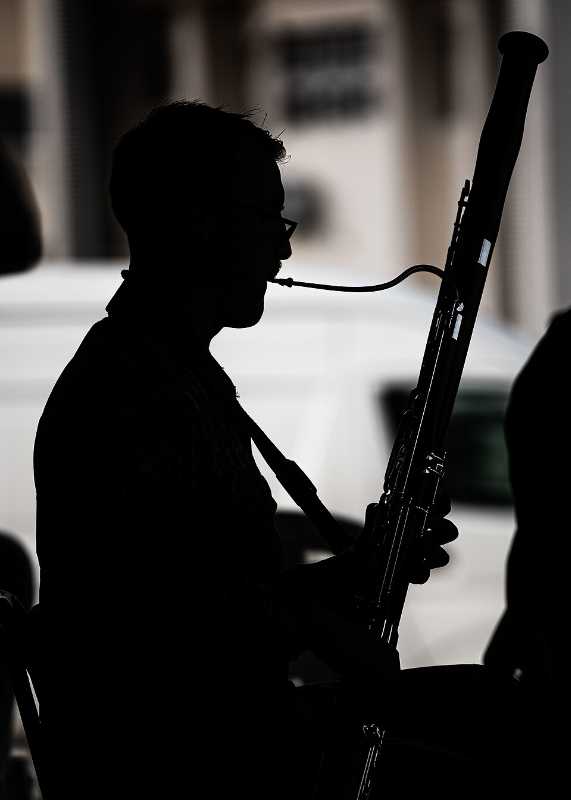
The bassoon developed in the 16th century from the dulcian, an earlier double‑reed instrument. It was refined over centuries, especially in France, where improvements in keywork expanded its range and flexibility. There is no single inventor for the modern form.
The bassoon became a standard orchestral instrument, known for its distinctive tone - often used for both serious and lightly comic musical roles. (Your quiz author plays this instrument)
This quiz was reviewed by FunTrivia editor agony before going online.
Any errors found in FunTrivia content are routinely corrected through our feedback system.