FREE! Click here to Join FunTrivia. Thousands of games, quizzes, and lots more!
Quiz about Blaze a Trail

Blaze a Trail Trivia Quiz


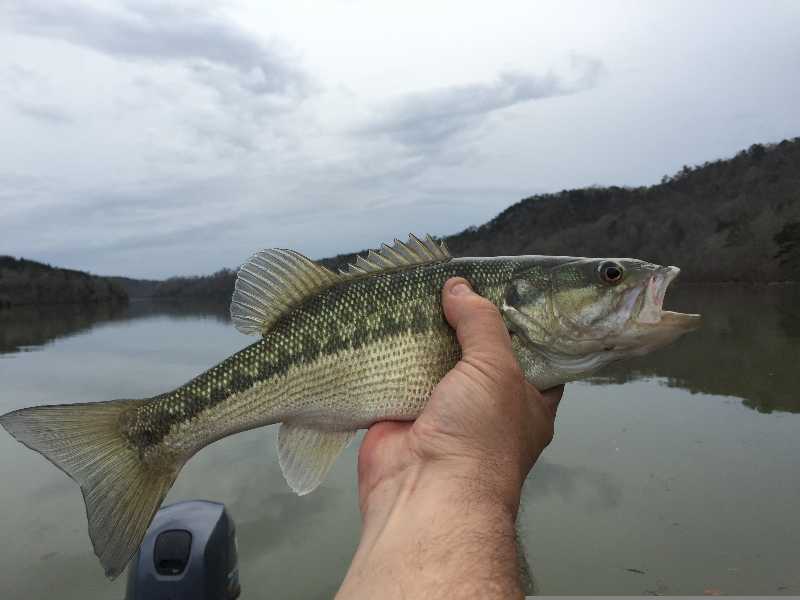
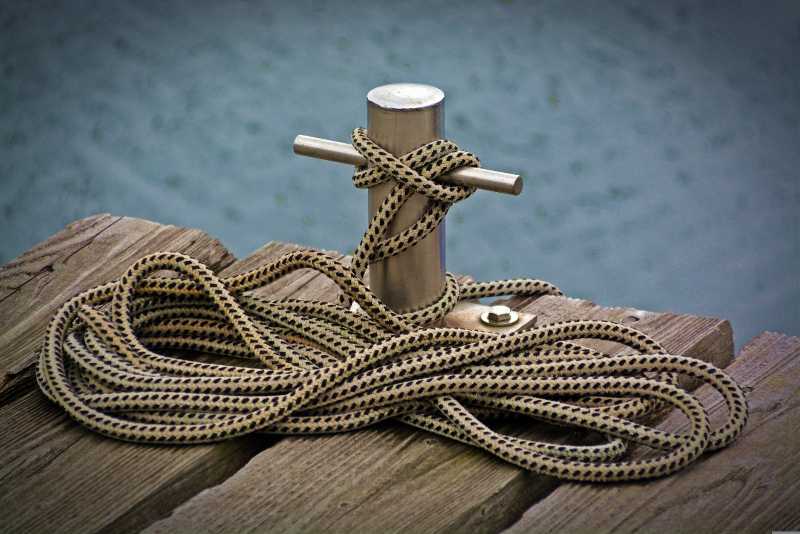
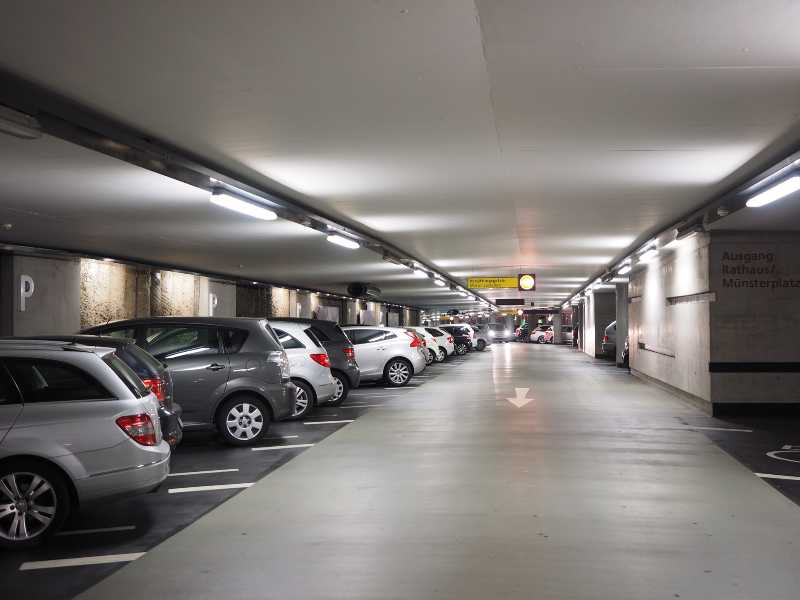
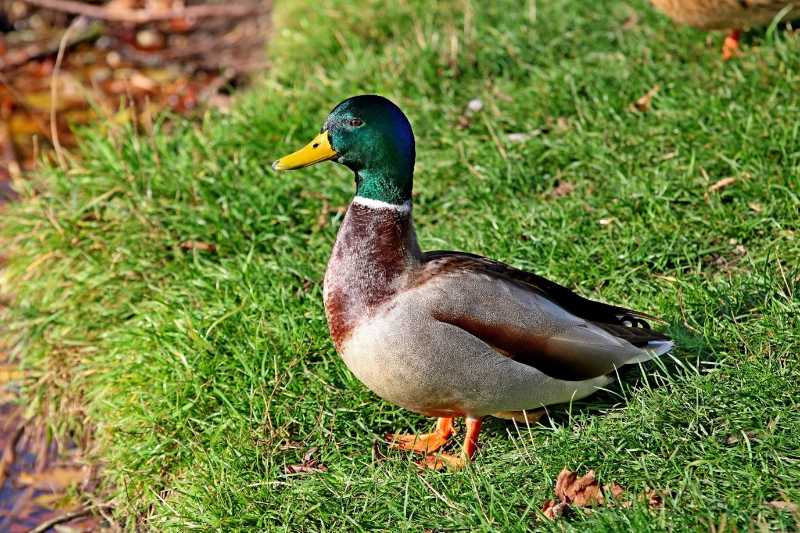
Some people get a fire in their belly to go and explore new places, while personally, I like to snuggle up next to a fire with a good book. Work out which picture corresponds to the hint for each explorer in this quiz!

by VegemiteKid. Estimated time: 3 mins.
  1. Home
  2. »
  3. Quizzes
  4. »
  5. People Trivia
  6. »
  7. Explorers

Author
VegemiteKid
Time
3 mins
Type
Quiz #
423,651
Updated
Sep 04 26
# Qns
10
Difficulty
New Game
Avg Score
5 / 10
Plays
13
Last 3 plays: shadygenea (2/10), FlicksBuff (8/10), Reamar42 (10/10).
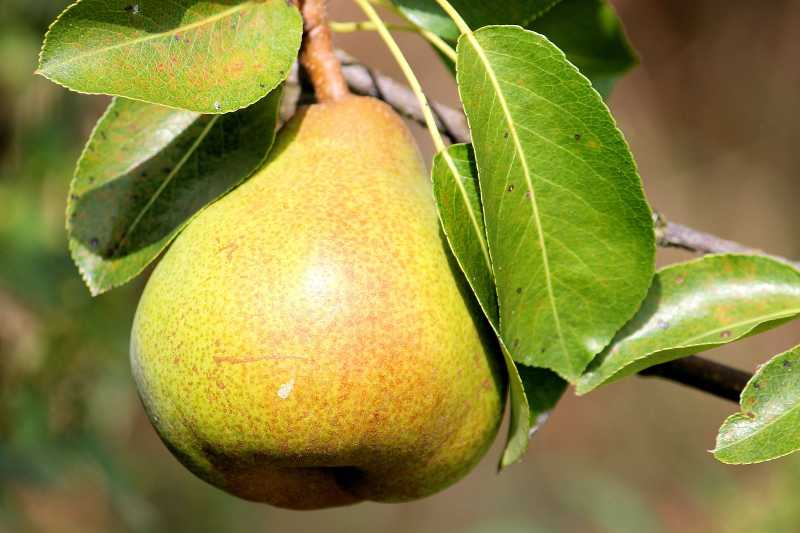
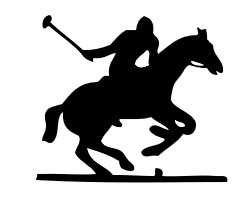
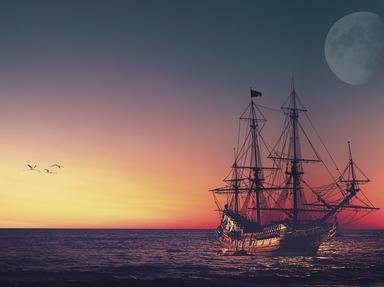
The hint to the surname of each explorer corresponds to an everyday object. Take care - some are not what they seem!
Drag-Drop or Click from Right
Options
Had a river in Western Australia is named after him Led the "Golden Hind" Wrote "A Lady's Life in the Rocky Mountains" (1879) Silk Road Led "HMS Endeavour" Had a strait named for him President of the Royal Society for over 40 years Great Fish River in Canada renamed for him First to the North Pole Wrote "Travels in the Interior Districts of Africa"


 View Image Attributions for This Quiz

Most Recent Scores
Today : shadygenea: 2/10
Today : FlicksBuff: 8/10
Today : Reamar42: 10/10
Today : debbitts: 1/10
Today : Jdoerr: 1/10
Today : xchasbox: 6/10
Today : sluggo13: 10/10
Today : Guest 98: 0/10
Today : Guest 98: 10/10

Quiz Answer Key and Fun Facts
1. Led "HMS Endeavour"

Led "HMS Endeavour" - James Cook

Born in Yorkshire, England, in 1728, James Cook became one of history's most famous explorers and navigators, known for his voyages to the Pacific Ocean between 1768 and 1779. His expeditions greatly expanded the world's knowledge of the Pacific, Australia, New Zealand, the Arctic, and many island groups. Cook led three major Pacific voyages that, with unprecedented accuracy, mapped vast areas previously uncharted; he was the first to map the entire coastline of New Zealand, proving it consisted of two main islands, and, while on his second voyage, he also became the first European to cross the Antarctic Circle. Widely regarded as one of the greatest navigators and cartographers in history, Cook's maps remained in use for many years.

He was renowned for keeping his crews unusually healthy and largely free from scurvy through strict hygiene and diet practices. His travels routinely included scientists, artists, and naturalists, helping to establish the tradition of scientific exploration at sea, and expanding the world's knowledge of flora and fauna. His detailed surveys of Newfoundland led to his appointment as commander of "HMS Endeavour" in 1768.

Captain Cook charted the east coast of Australia in 1770 and claimed it for Great Britain, naming the region New South Wales. He explored the west coast of North America searching for the Northwest Passage, and was also the first known European to encounter the Sandwich (later Hawaiian) Islands in 1778, where he met his death in 1779 at Kealakekua Bay, when he was killed during a confrontation between his crew and native islanders.
2. Wrote "A Lady's Life in the Rocky Mountains" (1879)

Wrote "A Lady's Life in the Rocky Mountains" - Isabella Bird

Isabella Bird became famous mostly through bestselling travel books describing journeys through North America, Asia, the Middle East and the Pacific. Her pioneering travels took her to regions of Japan, Korea, Tibet, Persia and other places little known to Western readers; her travel accounts broadened general understanding of distant cultures. She suffered persistent chronic pain from a spinal complaint, and it was this illness that saw her first travel to the Americas and Canada to improve her health.

Although she continued to suffer throughout her life from back problems, insomnia, and chronic headaches, she traveled to the Sandwich Islands (later Hawaii) and Australia, large parts of Asia and the Americas. Bird was born in 1831 in England and died in 1904 in Edinburgh, Scotland, after being the first woman elected as a Fellow of the Royal Geographical Society.

Of course, the shuttlecock is also known colloquially as a bird - hope you go this hint!
3. Had a strait named for him

Had a strait named for him - George Bass

It is hard to believe, but at one stage the world thought Tasmania was part of the Australian mainland. George Bass, born in England in 1771, explored the coast south of Sydney; with Matthew Flinders he explored Australia's southeastern coastline helping to prove that Tassie is indeed separate from mainland Australia. People were so impressed that they named the water between the two land masses Bass Strait.

Bass had trained as a surgeon before becoming an explorer but sadly, was believed lost at sea in 1803 while sailing between Australia and South America.
4. Had a river in Western Australia is named after him

Had a river in Western Australia is named after him - George Fletcher Moore

George Fletcher Moore was a prominent explorer, settler, lawyer, and chronicler of the Swan River Colony in the south-west of Western Australia, and also explored the Avon Valley and surrounding districts of western Australia. He produced some of the earliest written records of the local Noongar language and culture, and helped document the early development of the growing state of Western Australia.

Moore was born in 1798 in County Donegal, Ireland, and died in London in 1886. The Moore River in Western Australia is named after him, and his diary remains one of the most important primary sources on the early Swan River Colony.
5. Wrote "Travels in the Interior Districts of Africa"

Wrote "Travels in the Interior Districts of Africa" - Mungo Park

Mungo Park is famous for having reached the Niger River in 1796, confirming its eastward flow. He was among the first Europeans to explore the interior of West Africa and to trace the course of the Niger River. Imprisoned for four months by a local ruler during his first expedition, he died in 1806 near Bussa (in present-day Nigeria) while attempting to navigate further down the Niger River. His 'Travels in the Interior Districts of Africa' became a bestseller.
6. Led the "Golden Hind"

Led the "Golden Hind" - Sir Francis Drake

Sir Francis Drake was probably born around 1540, but as few records survive, as the facts surrounding his birth are uncertain; we do know however that he died in January 1596, near present-day Panama.

Regardless of the lack of certainty about his birth, he became one of England's most famous explorers and naval commanders after becoming the first Englishman to circumnavigate the globe in the "Golden Hind". This feat took just under 3 years (the second successful circumnavigation of the world). He was a darling of Queen Elizabeth I and was knighted by her in 1581. Drake explored and mapped parts of the Pacific coast of the Americas. Sometimes regarded as a pirate by the Spanish, he played a major role in defeating the Spanish Armada in 1588.
7. First to the North Pole

First to the North Pole - Robert Peary

Born in 1856 in Cresson, Pennsylvania, USA, Peary is thought to be the first person to reach the North Pole, in 1909, and became famous for his exploration of the Arctic. He also conducted numerous expeditions to Greenland, playing a major role in mapping Greenland's northern regions. He worked closely with Matthew Henson, a highly skilled African American explorer, who was a key member of his polar expeditions. Peary died in 1920, in Washington, DC.
8. Great Fish River in Canada renamed for him

Great Fish River in Canada renamed for him - George Back

Born in 1796 in Stockport, England, George Back's life as an explorer was shaped by his capture by the French during the Napoleonic Wars, when, aged in his early teens, he spent several years as a prisoner of war. During his imprisonment, he developed skills in drawing and painting, skills he used when documenting the landscapes and Indigenous groups while exploring in his later years.

He took part in Arctic expeditions led by Sir John Franklin, and later led expeditions of his own into the Canadian Arctic, surveying and mapping large areas in northern Canada. The Great Fish River, which he navigated, was later renamed the Back River in his honour. He died in London in 1878.
9. Silk Road

Silk Road - Marco Polo

Marco Polo was born in 1254, in Venice in the Republic of Venice (now Italy), and died in 1324 in his hometown. He became famous for his travels across Asia and along routes later associated with the Silk Road. He is also known for his account of life in the court of Kublai Khan, who was the Great Khan of the Mongol Empire from 1260 to 1294.

Polo's explorations provided Europeans with some of the earliest detailed descriptions of China and other parts of Asia, and inspired later explorers, among them Christopher Columbus.
10. President of the Royal Society for over 40 years

President of the Royal Society for over 40 years - Joseph Banks

Naturalist Sir Joseph Banks was born in London in 1743, and is celebrated as one of Britain's most important naturalists. He accompanied Captain James Cook on his "Endeavour" voyage between 1768-1771. During this voyage, Banks and his colleagues recorded more than 1,400 plant species and gathered thousands of plant specimens, including dozens of previously undescribed species. The Australian plant genus Banksia was named in his honour, as was Bankstown, a south-western suburb of Sydney.

He was the President of the Royal Society for over 40 years, though now the term as President in this role is limited to 5 years. He died in 1820.
Source: Author VegemiteKid

This quiz was reviewed by FunTrivia editor ponycargirl before going online.
Any errors found in FunTrivia content are routinely corrected through our feedback system.
9/4/2026, Copyright 2026 FunTrivia, Inc. - Report an Error / Contact Us