FREE! Click here to Join FunTrivia. Thousands of games, quizzes, and lots more!
Tribes! Trivia Quiz
Based on the deathbed blessings of Jacob to his sons, each of the Twelve Tribes of Israel had their own distinctive symbol. Can you pair the sons of Jacob, or the ancient tribes, with their iconic Biblical heraldry? Good luck!
Text - Hebrew Torah/NKJV
Reuben was the eldest son of Jacob, born to his first wife, Leah. As the eldest, and therefore firstborn, he held the right of primogeniture. Sadly, he lost his standing after a grave indiscretion involving his father's concubine, Bilhah. Despite this impulsiveness, Reuben demonstrated genuine compassion by persuading his brothers not to kill young Joseph when they wanted to out of a pique of jealousy. His traditional symbol, the rising sun, reflects his status as the firstborn son who brought the first light of a new generation to Jacob's family. (Genesis 49:3)
The Tribe of Reuben settled on the eastern side of the Jordan River, choosing fertile pastures suitable for livestock. Known as skilled herdsmen and valiant warriors, they fought alongside their fellow Israelites during the conquest of Canaan before returning to their trans-Jordanian territory.
2. Simeon
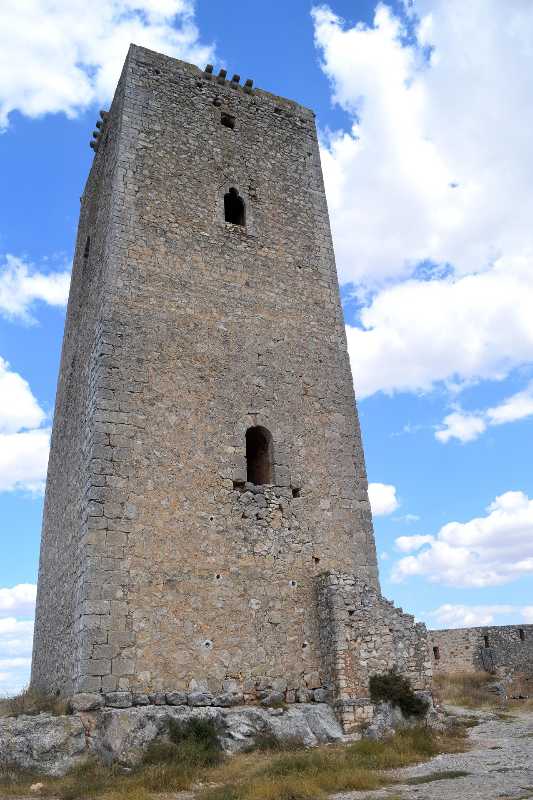
Simeon was Jacob's second son, born to Leah. He is primarily remembered in scripture for his fierce, fiery temperament and unyielding passion for family honour. Alongside his brother Levi, Simeon led a violent reprisal against the city of Shechem to avenge the violation of their sister, Dinah. This uncontrolled aggression led Jacob to rebuke him during his final deathbed blessing. His symbol, the city gate or tower, commemorates the fortified gates of Shechem where he got his ill-advised revenge. (Genesis 34:25)
Interestingly, the Tribe of Simeon received an allotment of land entirely encircled by the territory of Judah in southern Canaan, an enclave. Over many years, many members of this tribe assimilated into the more dominant Tribe of Judah, thus fulfilling Jacob's prophecy that Simeon's descendants would be scattered throughout Israel.
3. Levi
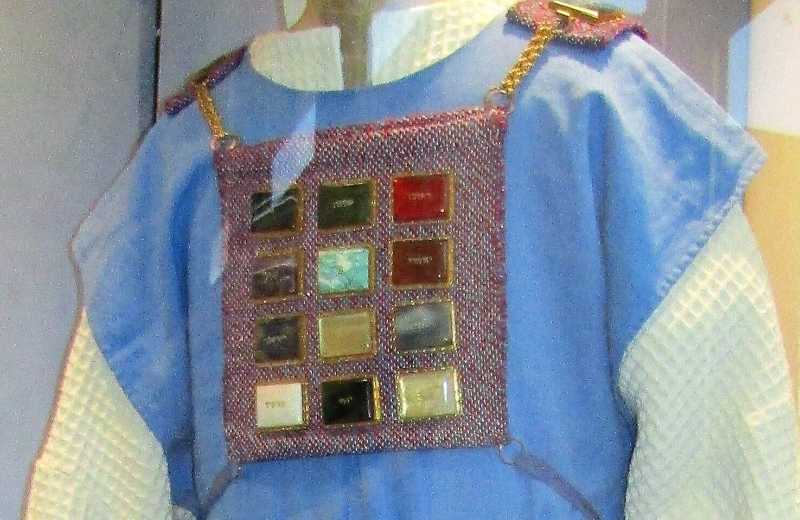
Levi was Jacob's third son with Leah. Like Simeon, he possessed an aggressive, militant nature, personally participating in the destruction of Shechem. While Jacob condemned this initial outburst of anger, the clan's fierce, uncompromising devotion later transformed into religious fervour during the Golden Calf incident, where they alone stood firmly with Moses and refused to bow down to idols. His symbol, the Hoshen (or sacred twelve-gemstone breastplate), represents the high priesthood and the religious leadership bestowed upon his lineage. (Exodus 28:15-21)
Unlike the other tribes, the Tribe of Levi received no dedicated territorial land allotment in Canaan. Instead, as set-aside priests and assistants, they were granted forty-eight scattered cities throughout the nation, living among the other tribes to maintain the Tabernacle and teach the Torah.
4. Judah
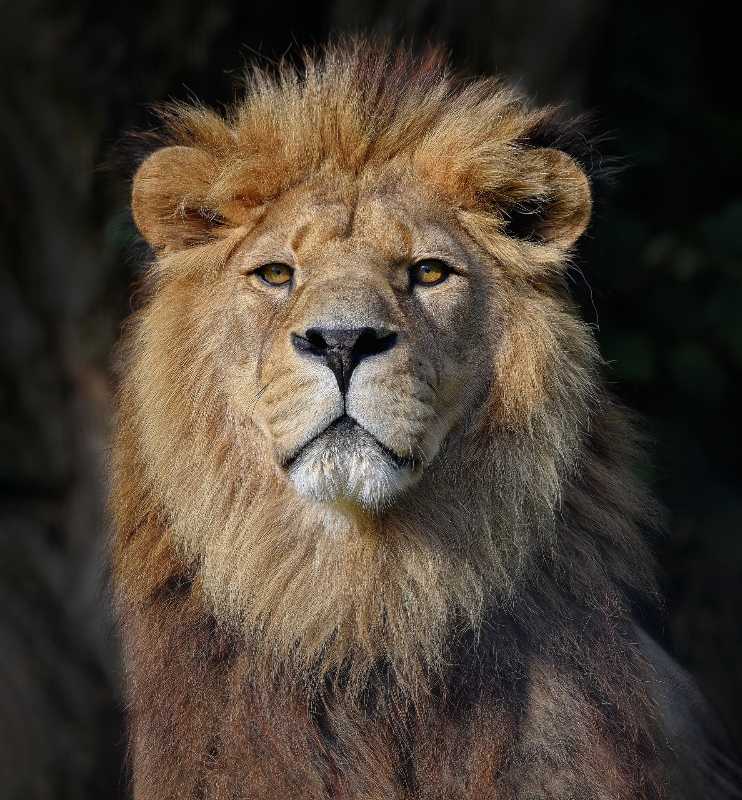
Judah was Jacob's fourth son, born to Leah. He emerged as a natural, pragmatic leader among his siblings, famously convincing them to sell Joseph to traders rather than leaving him to die. Later, he displayed immense self-sacrifice by offering himself as a hostage in Egypt to protect his youngest brother, Benjamin. In Jacob's final blessing, Judah was likened to a lion, establishing his symbol and cementing his line as the premier royal dynasty. (Genesis 49:9)
The Tribe of Judah grew into the largest, most powerful tribe in ancient Israel. Occupying the strategic southern highlands, Judah produced King David, King Solomon, and the royal line of Jerusalem, ultimately giving their name to both the Kingdom of Judah and the Jewish people. It was one of the only two land-owning tribes to return from exile in Babylon, as the Ten Tribes that were lost had been previously exiled by the Assyrians.
5. Dan
Dan was Jacob's fifth son and the firstborn to Bilhah, the handmaid of Rachel. However, due to her inability to produce children at that time, Rachel claimed Dan as her own. His name means "judgement" reflecting Rachel's joy that God had acknowledged her longings and judged her worthy to have a child. In Jacob's final deathbed blessing, he prophesied that Dan would govern his people while describing him as a clever viper or serpent by the trail that strikes at the horse's heels. Consequently, his classic traditional symbol is the snake. (Genesis 49:17)
The Tribe of Dan originally received a coastal land allotment near modern-day Tel Aviv. However, facing heavy pressure from the Philistines, a seafaring nation, a large group migrated far north to conquer the city of Laish (which was then renamed Dan). The tribe famously produced Samson, the legendary judge renowned for his supernatural physical strength and beautiful locks of hair.
6. Naphtali
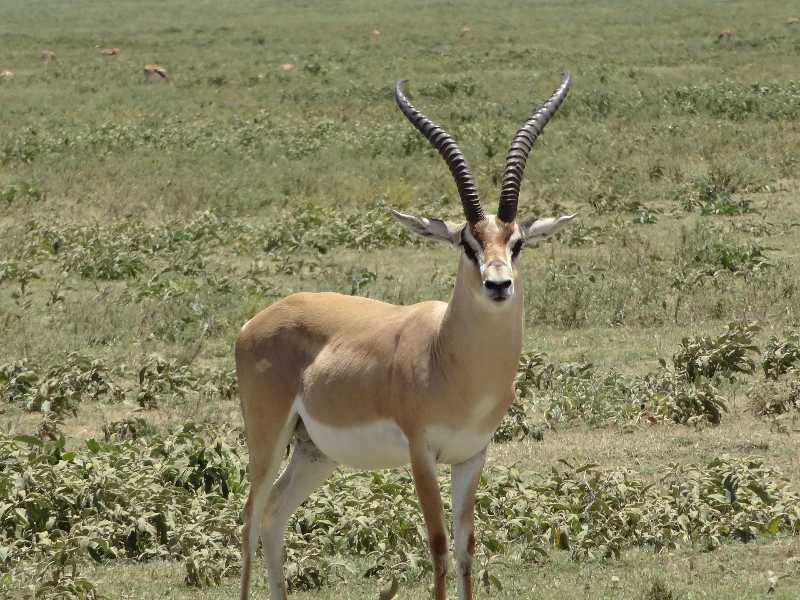
Naphtali was Jacob's sixth son, and the second son born to Rachel's handmaid, Bilhah. His name has the meaning of "my wrestling" which refers back to Rachel's intense spiritual and personal challenge to bear children and the constant struggle with her sister Leah in the fight for Jacob's love and attention. In Jacob's deathbed blessing, Naphtali was praised as a swift, graceful deer, but also as one who speaks beautiful words. His symbol, the hind or gazelle, captures this spirit of agility, poetic elegance, and speed. (Genesis 49:21)
Upon reaching Canaan, the Tribe of Naphtali settled in the northern, highly fertile region of Galilee, bordering Lake Kinneret (the Sea of Galilee). They earned a formidable military reputation under the judge Deborah and general Barak, fighting bravely against Canaanite forces to secure Israel's north.
7. Gad
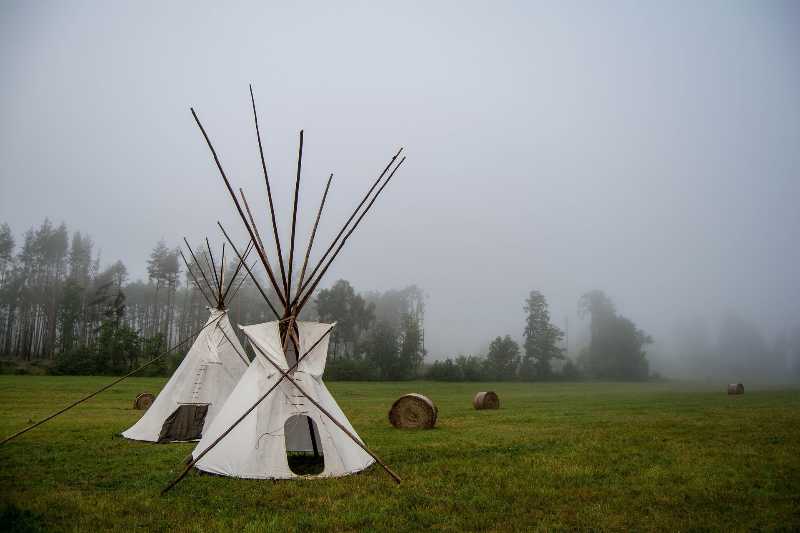
Gad was Jacob's seventh son, and the firstborn to Zilpah, Leah's handmaid. His name signifies "good fortune" which announced his arrival as a prosperous and lucky addition to the family. Jacob's blessing foretold a military destiny, predicting that a troop would press upon Gad, but he would ultimately triumph. His traditional symbol, the tent, reflects the nomadic life, war encampments, and constant readiness for battle required of his clan. (Genesis 49:19)
The Tribe of Gad chose land east of the Jordan River alongside Reuben, favouring the rich grazing pastures for their large flocks. Renowned as elite, courageous fighters, they were quick to cross the Jordan to fight alongside the western tribes during the conquest of Canaan before returning to guard Israel's eastern border.
8. Asher
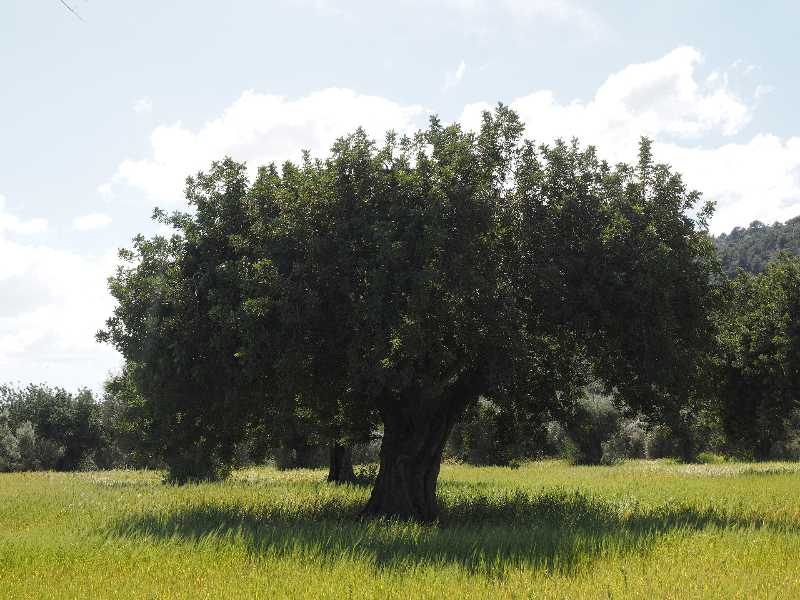
Asher was Jacob's eighth son, born to Zilpah, Leah's handmaid, her second. His name means "happy" or "blessed". This was because his birth brought joy to Leah. In Jacob's deathbed blessing, Asher was promised rich, bountiful food that would yield delicacies, and, years later, Moses also blessed him to dip his foot in oil. His symbol, the olive tree, represents this agricultural abundance, prosperity, and peace, a more modern interpretation. (Genesis 49:20 and Deuteronomy 33:24)
The Tribe of Asher inherited a lush, fertile coastal strip in the northwestern Galilee along the Mediterranean Sea, by some accounts the northernmost of all the Twelve Tribes. This region was renowned for producing high-grade olive oil and prized timber (being adjacent to the cedars of Lebanon), allowing the tribe to enjoy some economic prosperity and establish harmonious trade with neighbouring coastal nations.
9. Issachar
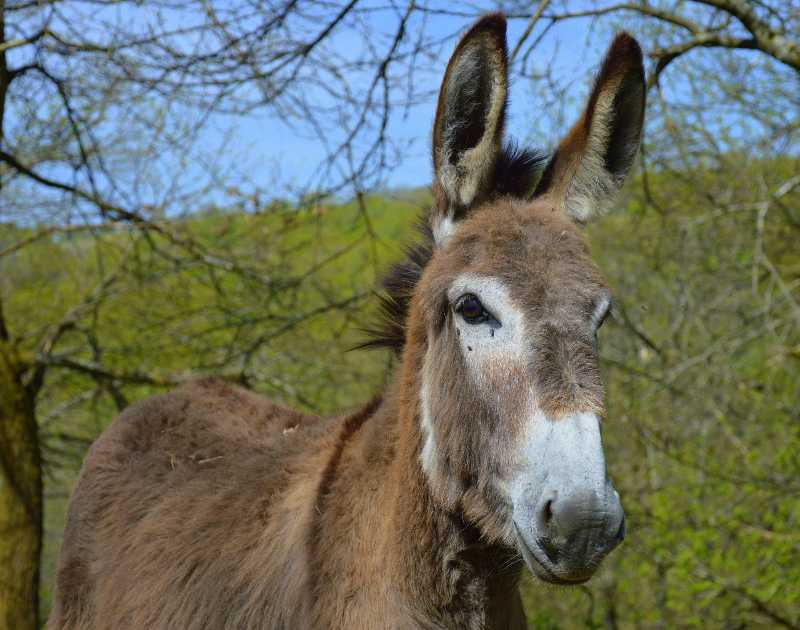
Issachar was Jacob's ninth son and the fifth born to Leah. His name means "there is reward" which references the mandrake incident that brought Leah back into Jacob's favour. In his final blessing, Jacob described Issachar as a strong donkey bearing heavy burdens between two saddlebags, highlighting his hardworking and patient nature. His symbol became the donkey, and it represents labour, perseverance, and agrarian dedication. (Genesis 49:14)
The Tribe of Issachar settled in the flat, highly arable Jezreel Valley. They were celebrated not only as hardworking agrarian farmers who cultivated the rich soil, but also as wise, dedicated scholars who studied spiritual law and calculated the religious calendar for the nation, no easy task when having to reconcile a lunar calendar with the solar one.
10. Zebulun
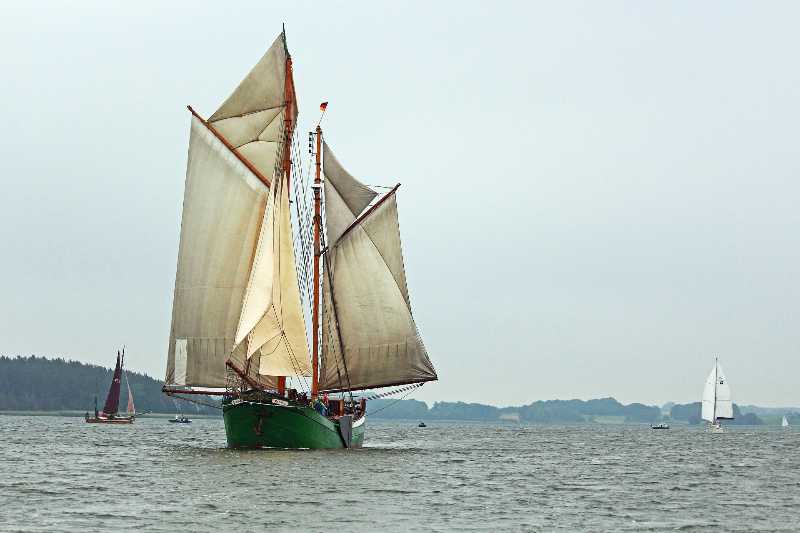
Zebulun was Jacob's tenth son and the sixth, and last, born to Leah. His name signifies "dwelling" or "honour", as Leah had hoped that his birth would permanently secure her husband's affection. It didn't. In Jacob's prophetic blessing, Zebulun was promised a haven by the sea, serving as a gateway for ships. Thus, his symbol, a sailing ship, commemorates this maritime destiny and seafaring spirit. (Genesis 49:13)
After reaching the Holy Land, the Tribe of Zebulun settled in northern Canaan, spanning the land between the Sea of Galilee and the Mediterranean coast. Operating key trade routes, they prospered through commerce and maritime seafaring, naturally, while maintaining close, supportive ties with the more scholarly Tribe of Issachar.
11. Joseph (Manasseh and Ephraim)
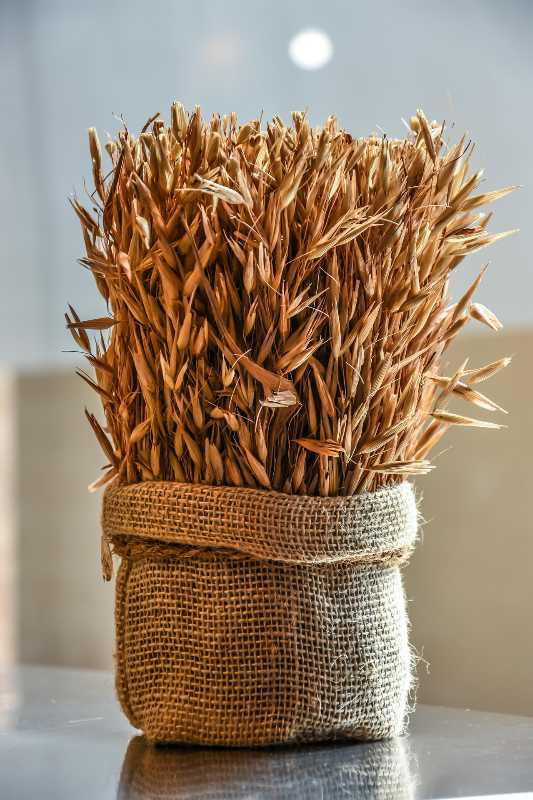
Joseph was Jacob's eleventh son and the long-awaited firstborn of his favourite wife, Rachel. Thus, he became Jacob's favoured child. He was gifted a coat of many colours, sparking deep jealousy among his older brothers. They sold him into Egyptian slavery, but through divine intervention and his wondrous ability to interpret dreams, Joseph rose to become Vizier of Egypt, second only to the Pharaoh. He saved the ancient world from a devastating famine and eventually reconciled with his family. His symbol, the sheaf of wheat, represents his famous prophetic dreams and his role in gathering food to survive the famine. (Genesis 37:7)
Unlike his brothers, Joseph did not have a single territory bearing his name in the traditional listing of the Twelve Tribes. Instead, Jacob granted Joseph a double portion of his inheritance (a right traditionally reserved for the firstborn, stripped from Reuben) as a reward for saving the family. Jacob formally adopted Joseph's two Egyptian-born sons, Manasseh and Ephraim, elevating them to equal standing with his own children. When the land of Canaan was divided, the people descended of Joseph were split into two distinct tribes: Ephraim and Manasseh.
Ephraim, though the younger brother, received the primary blessing from Jacob, who crossed his hands during the invocation. The Tribe of Ephraim grew into a dominant political force in central Canaan, producing the first judge Joshua and eventually forming the heart of the northern Kingdom of Israel. Manasseh, the elder, became a vast tribe split into two geographic halves on either side of the Jordan River. By substituting Ephraim and Manasseh for Joseph, and keeping the landless priestly Tribe of Levi separate, the total count of territorial tribes remained precisely twelve.
12. Benjamin
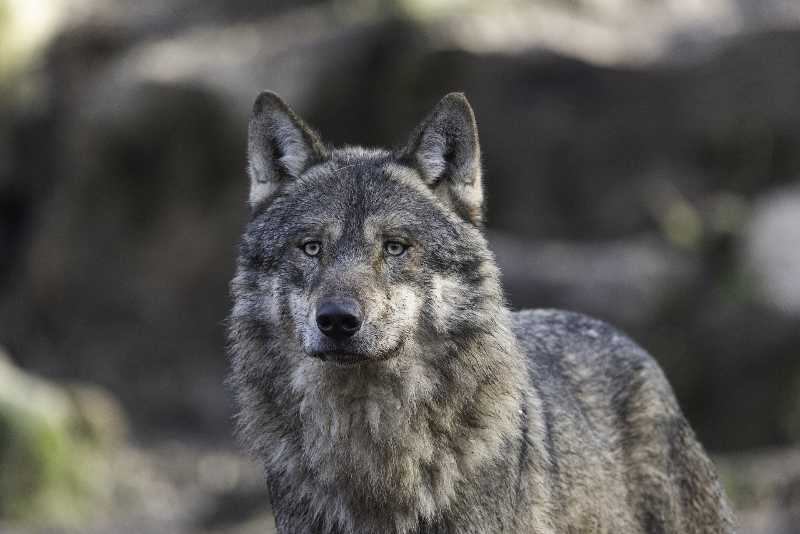
Benjamin was Jacob's twelfth and youngest son, and the second born to Rachel, who tragically passed away during his birth. Jacob cherished him deeply as the last living connection to his beloved wife. In his final deathbed blessing, Jacob described Benjamin as a ravenous wolf who devours prey in the morning and divides the spoils at night. (Genesis 49:27)
Benjamin's symbol, a fierce wolf, reflects the tribe's legendary martial skill and their aggressive spirit. Geographically, the Tribe of Benjamin held a small but strategic territory between Judah and Ephraim, which interestingly included the holy city of Jerusalem. Despite their small size, they were famed as elite, left-handed archers and slingers. The first king of Israel, Saul, came from this tribe, as well as the heroic Mordecai and Queen Esther of the Purim story. It was the smaller of the only two land-owning tribes to return from exile in Babylon, as the Ten Tribes that were lost had been previously exiled by the Assyrians.
This quiz was reviewed by FunTrivia editor looney_tunes before going online.
Any errors found in FunTrivia content are routinely corrected through our feedback system.