FREE! Click here to Join FunTrivia. Thousands of games, quizzes, and lots more!
A Moonlit Serenade Trivia Quiz
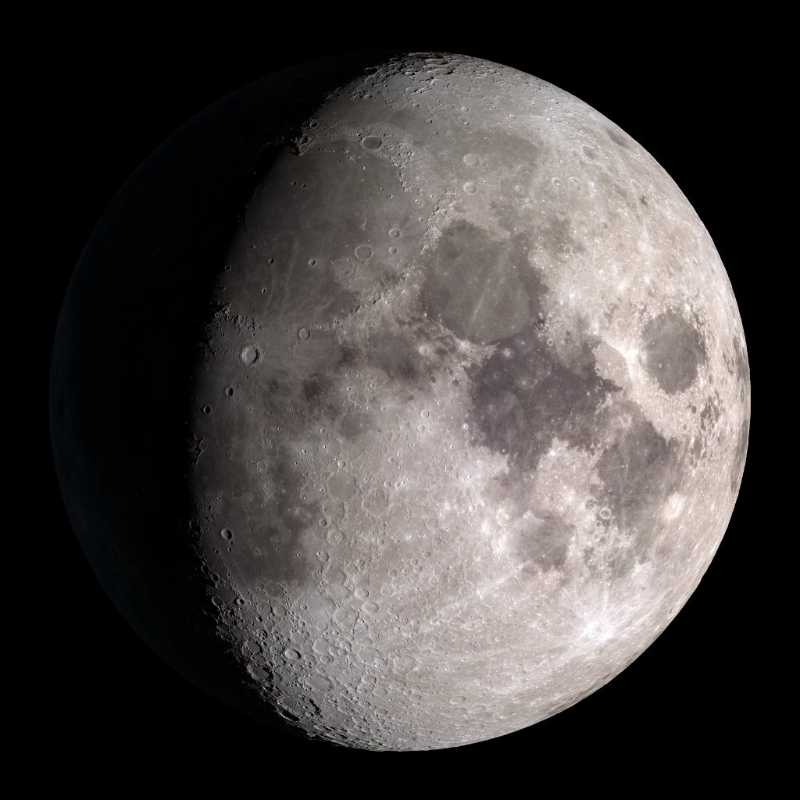
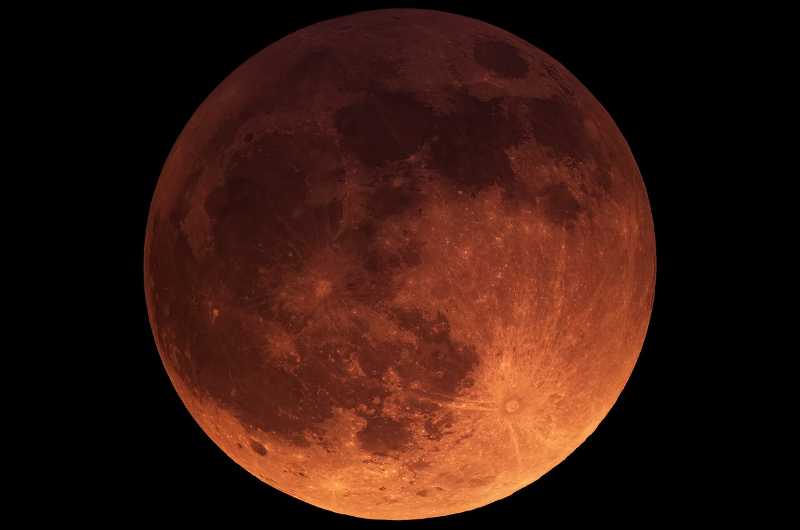
The phases of the Moon have fallen out of order! Can you correctly match the names of the different phases (and eclipses) of the Moon to the images presented?
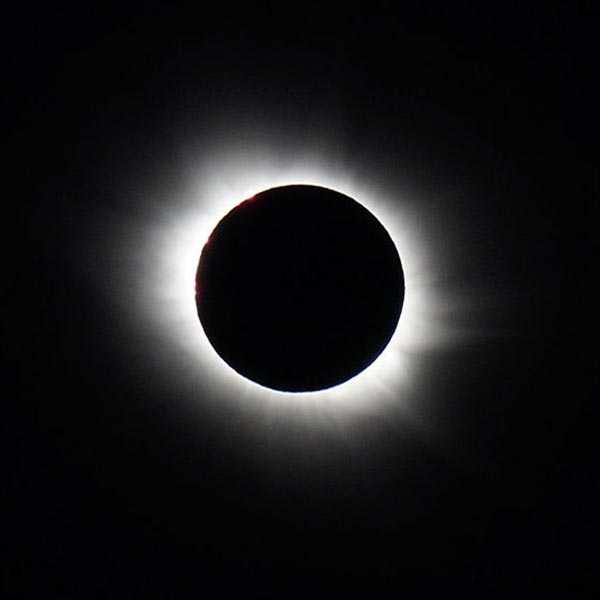
A solar eclipse occurs when the Moon passes directly between the Earth and the Sun, aligning in such a way that the Moon blocks some or all of the Sun's light. This only happens during a new moon phase, when the three bodies line up along nearly the same plane.
When the alignment is precise, the Moon can completely cover the Sun's disk from certain locations on Earth, creating a total solar eclipse (as in the photo). In those areas, the Moon's central shadow (called the umbra) reaches the Earth's surface, briefly darkening the sky. In surrounding regions, where only part of the Sun is obscured, observers experience a partial eclipse, caused by the Moon's outer shadow (the penumbra).
There are also cases where the Moon is slightly farther from Earth in its orbit and appears smaller in the sky, so it cannot fully cover the Sun; this produces an annular eclipse, where a thin ring of sunlight remains visible around the Moon.
A solar eclipse is brief because the Moon continues moving in its orbit, so the alignment quickly changes and sunlight returns to normal.
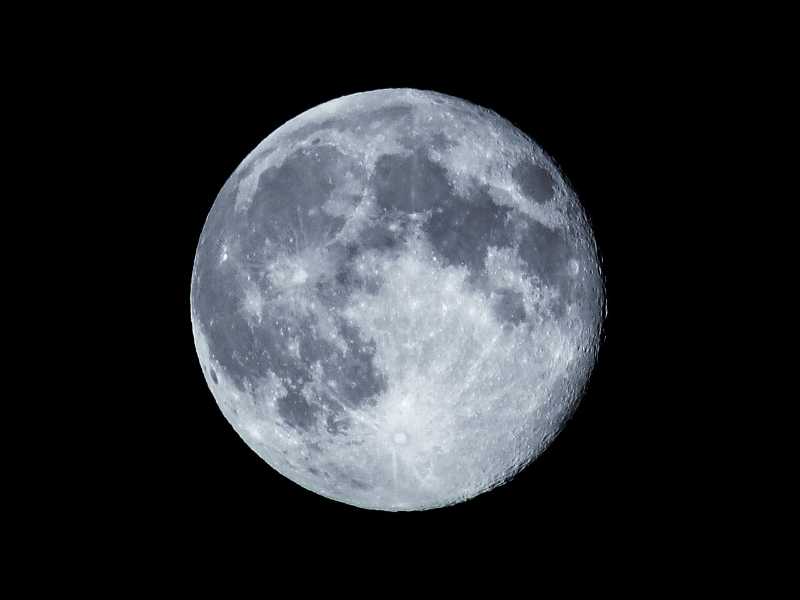
2. Waning gibbous
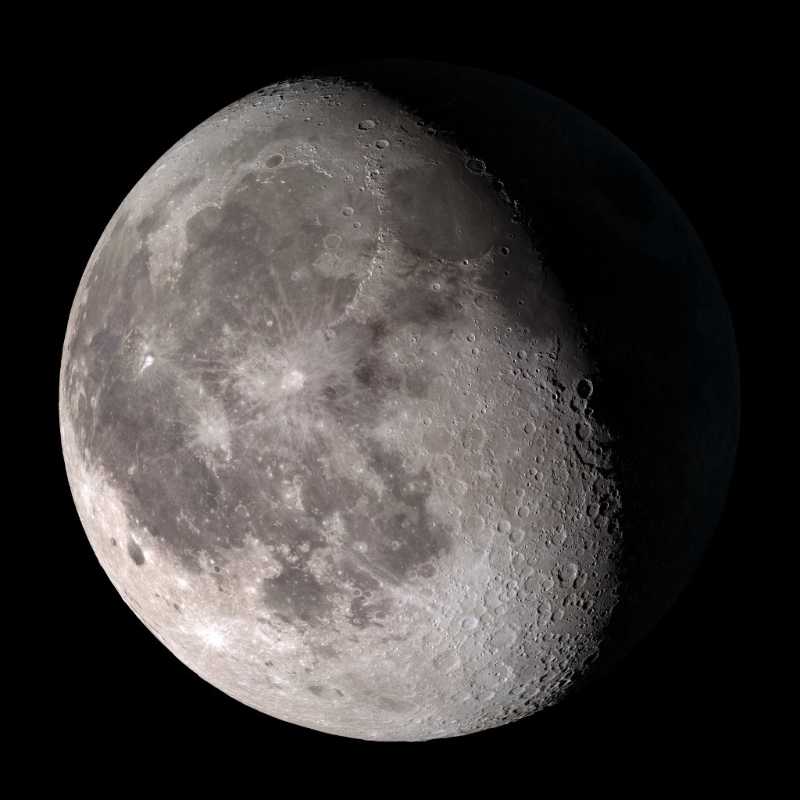
After the full moon, the waning gibbous phase begins as the illuminated portion of the Moon starts to decrease. The term "waning" indicates that less of the Moon is becoming visible over time. During this phase, the Moon rises later in the evening and is often most visible after midnight into the early morning hours.
3. Waxing crescent
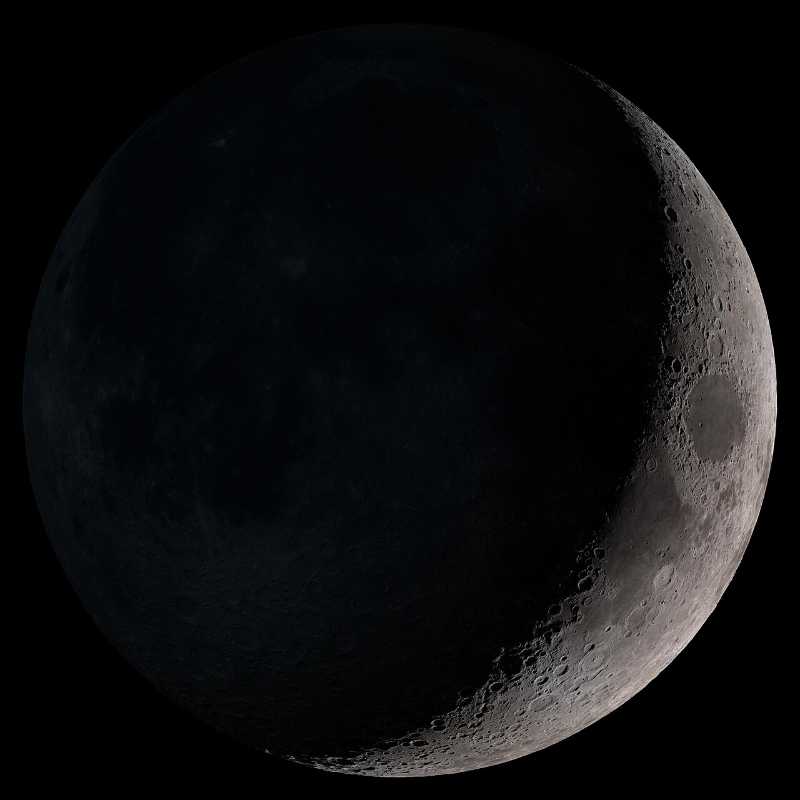
The waxing crescent phase occurs just after the new moon, when a small sliver of the Moon's illuminated side becomes visible from Earth. As the Moon moves eastward in its orbit, more of its sunlit surface is revealed each evening. This crescent shape is typically visible shortly after sunset in the western sky, and the term "waxing" indicates that the visible portion is increasing.
4. New moon
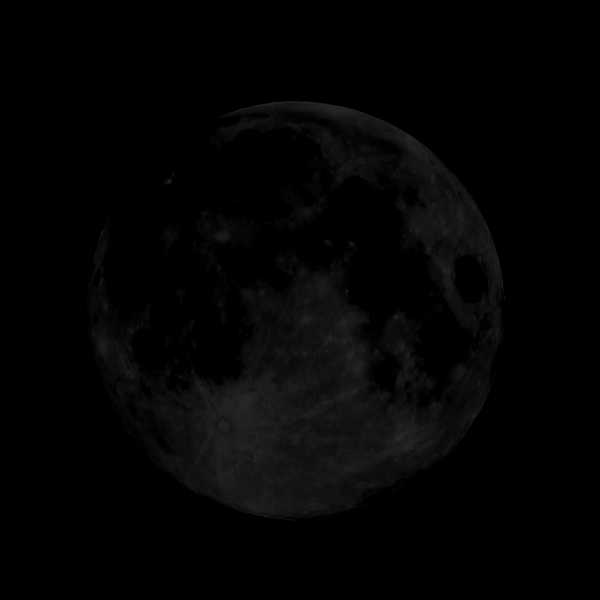
A new moon is the phase of the Moon that occurs when the Moon is positioned between the Earth and the Sun. In this alignment, the side of the Moon that is illuminated by the Sun is facing away from Earth, while the side facing us is in darkness.
Because of this geometry, the Moon is essentially invisible from Earth during a new moon, except in rare cases when it passes directly in front of the Sun and produces a solar eclipse. Most of the time, however, the Moon's orbit is slightly tilted relative to Earth's orbit around the Sun, so it passes just above or below the Sun in the sky and no eclipse occurs.
The new moon marks the beginning of the Moon's monthly cycle, or lunar phase cycle, which lasts about 29.5 days. As the Moon continues along its orbit after the new moon, a small portion of its sunlit side becomes visible from Earth, leading into the waxing crescent phase.
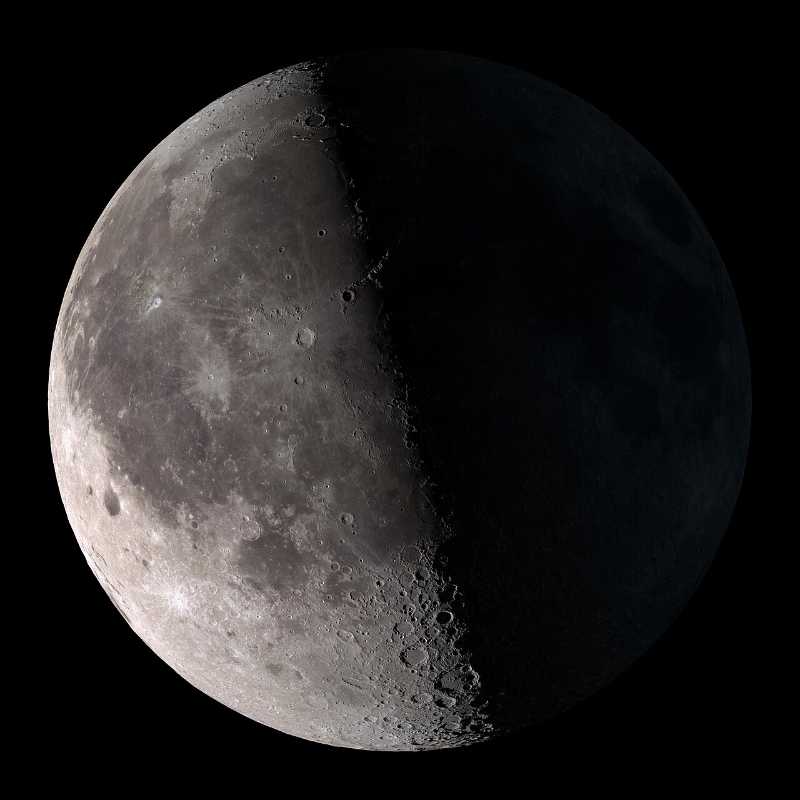
5. Third quarter
In the third quarter phase, the Moon has reached about three-quarters of the way through its orbit. Like the first quarter, half of the Moon's visible surface is illuminated, but this time the opposite side is lit. It rises around midnight and sets around midday, and it is most prominently seen in the morning sky.
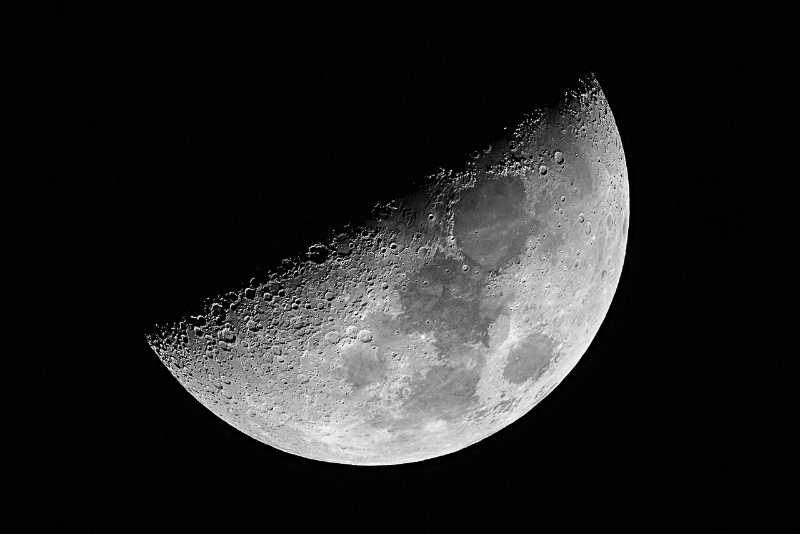
6. First quarter
During the first quarter phase, the Moon has completed about one quarter of its orbit around Earth. From our perspective, half of the Moon's visible surface is illuminated, forming a distinct half-circle shape. It rises around midday and sets around midnight, and the dividing line between light and dark (called the terminator) is especially sharp, making surface features like craters more pronounced.
7. Full moon
A full moon occurs when the Earth is positioned directly between the Sun and the Moon, so that the entire side of the Moon facing Earth is illuminated by sunlight. In this alignment, the Sun, Earth, and Moon are roughly in a straight line, with Earth in the middle.
Because the Moon's near side is fully lit, it appears as a complete, bright circle in the night sky. A full moon rises around sunset and sets around sunrise, making it visible for most of the night. This is the opposite of the new moon, when the illuminated side faces away from Earth and the Moon is essentially unseen.
Although the alignment during a full moon might suggest that an eclipse should occur, a lunar eclipse does not happen every month. This is because the Moon's orbit is slightly tilted relative to Earth's orbit, so the Moon usually passes just above or below Earth's shadow. Only when the alignment is exact does the Moon pass through Earth's shadow, producing a lunar eclipse.
The full moon represents the midpoint of the lunar phase cycle. After this phase, the illuminated portion we see gradually decreases, leading into the waning phases as the Moon continues its orbit around Earth.
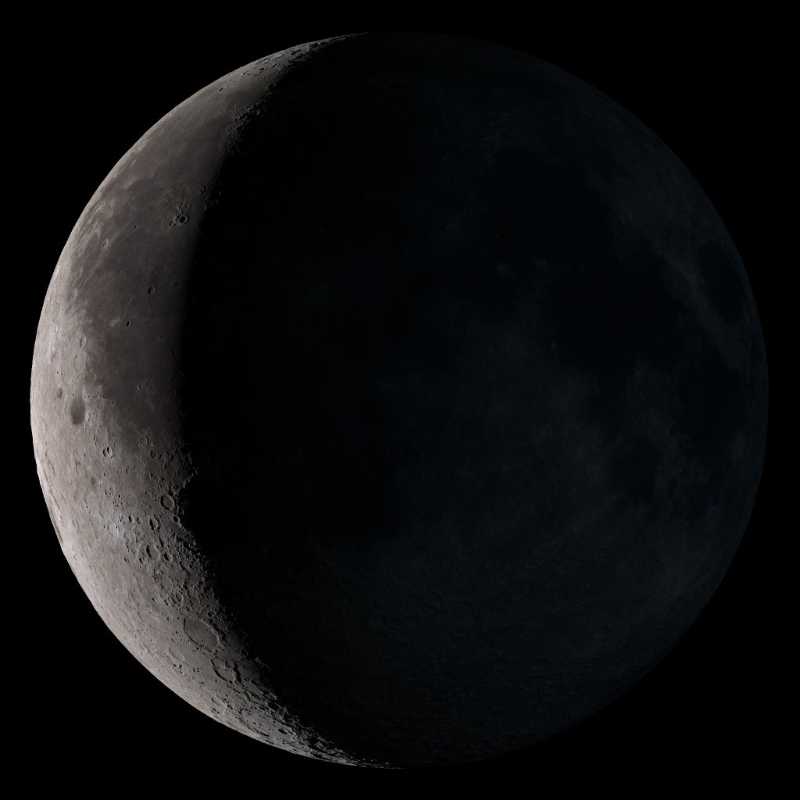
8. Waning crescent
The waning crescent is the final phase before the new moon, when only a thin sliver of the Moon's illuminated side remains visible. This crescent appears in the early morning sky, just before sunrise. As the Moon continues its orbit, the visible portion shrinks until it disappears entirely at the new moon, completing the lunar cycle.
9. Waxing gibbous
The waxing gibbous phase follows the first quarter, when more than half - but not all - of the Moon's visible surface is illuminated. The illuminated portion continues to grow each night as the Moon approaches full. This phase is visible for much of the afternoon and evening, and the Moon appears bright and nearly round, though still slightly incomplete.
10. Lunar eclipse
A lunar eclipse occurs when the Earth moves directly between the Sun and the Moon, causing the Earth's shadow to fall on the Moon. This can only happen during a full moon, when the Sun, Earth, and Moon are aligned in a straight or nearly straight line.
As the Moon passes into Earth's shadow, different stages of the eclipse can be observed. When the Moon enters the outer part of the shadow (the penumbra), the dimming is subtle and may be hard to notice. As it moves into the darker central shadow (the umbra), a more obvious darkening occurs, leading to a partial lunar eclipse. If the entire Moon enters the umbra, a total lunar eclipse takes place.
During a total lunar eclipse, the Moon does not disappear completely. Instead, it often takes on a reddish or copper color. This happens because Earth's atmosphere bends and scatters sunlight, allowing some of the longer (red) wavelengths to reach the Moon even while it is in shadow - essentially filtering sunlight in the same way that sunsets appear red.
Unlike a solar eclipse, a lunar eclipse is safe to view with the naked eye and can be seen from anywhere on Earth where the Moon is above the horizon at the time. Because Earth's shadow is much larger than the Moon, lunar eclipses typically last longer than solar eclipses, sometimes for several hours from start to finish.
This quiz was reviewed by FunTrivia editor rossian before going online.
Any errors found in FunTrivia content are routinely corrected through our feedback system.