FREE! Click here to Join FunTrivia. Thousands of games, quizzes, and lots more!
Quiz about Dont Take It for Granite

Don't Take It for Granite Trivia Quiz

Identifying Rock Types

Do you know your shale from your schist? I recommend you spend a little time taking this quiz and not taking rocks for granite.

by trident. Estimated time: 3 mins.
  1. Home
  2. »
  3. Quizzes
  4. »
  5. Science Trivia
  6. »
  7. Earth Science
  8. »
  9. Geology

Author
trident
Time
3 mins
Type
Quiz #
423,138
Updated
Feb 17 26
# Qns
12
Difficulty
New Game
Avg Score
9 / 12
Plays
23
Last 3 plays: steveastrouk (10/12), Guest 174 (12/12), Guest 24 (5/12).
Drag-Drop or Click from Right
Options
obsidian chalk limestone marble basalt schist granite slate shale gneiss sandstone pumice


 View Image Attributions for This Quiz

Most Recent Scores
Today : steveastrouk: 10/12
Today : Guest 174: 12/12
Today : Guest 24: 5/12
Today : pixiecat: 12/12
Today : tiye: 12/12
Today : misstified: 9/12
Today : cardsfan_027: 12/12
Today : GoodwinPD: 12/12
Today : thomas1975: 7/12

Quiz Answer Key and Fun Facts
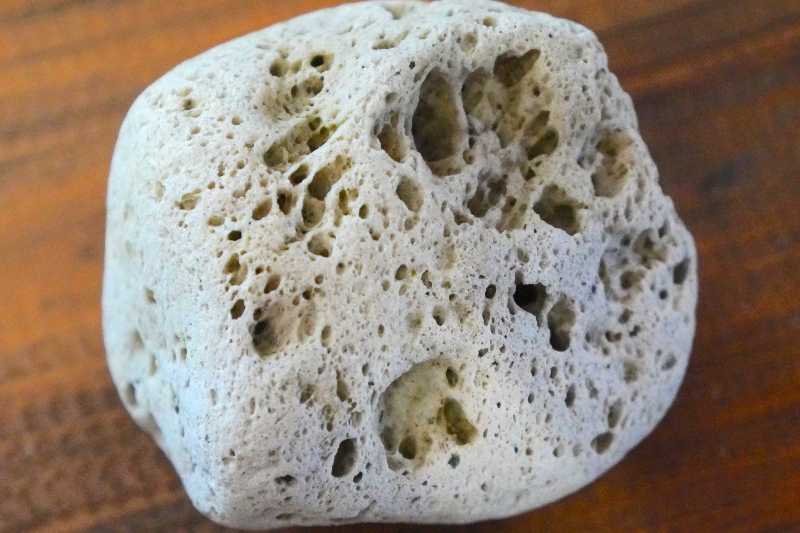
1. pumice

Pumice is a type of igneous rock. It is created when molten rock with a high amount of dissolved gas erupts from a volcano and cools very quickly. As the lava cools, the gas bubbles become trapped inside, leaving many tiny holes. Because of its rough surface, pumice is often used as an abrasive material for smoothing skin or polishing surfaces.
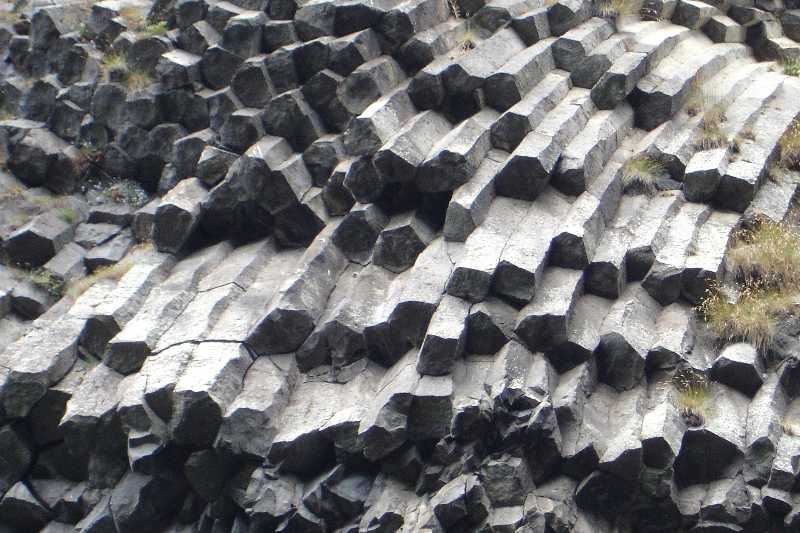
2. basalt

Basalt is a type of igneous rock. It forms when lava erupts and cools quickly at the surface, creating very small crystals and a smooth, fine-grained texture. In some places, basalt forms hexagonal columns. It is one of the most common types of rock in the Earth's crust and makes up much of the ocean floor.
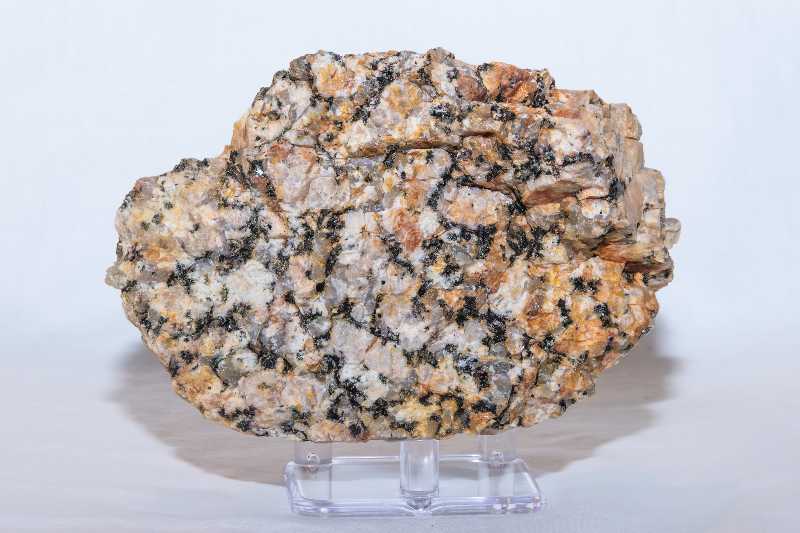
3. granite

Granite is a type of igneous rock. The molten rock that forms it cools slowly underground over a long period of time, giving large mineral crystals time to grow. Granite is made mainly of quartz, feldspar, and mica, which give it a range of colors. Granite is commonly used in construction, cut into blocks or slabs for buildings, bridges, monuments, and even countertops.
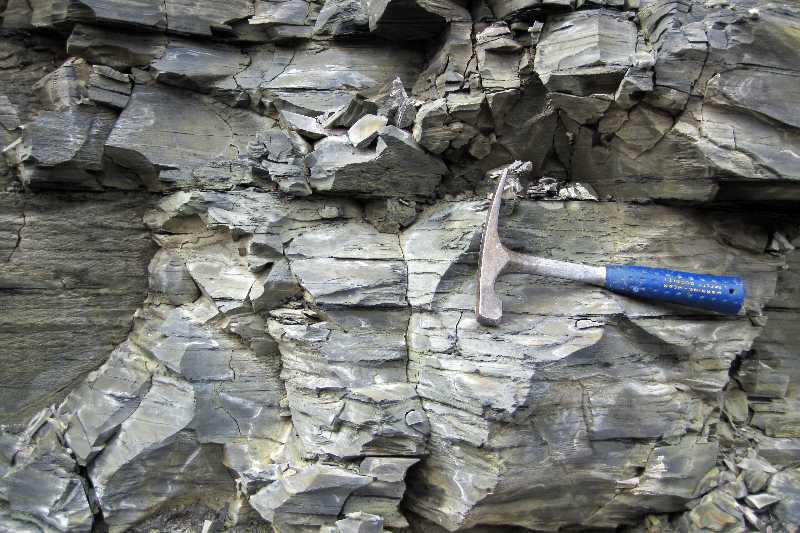
4. shale

Shale is a type of sedimentary rock. It forms when clay and mud settle in calm bodies of water and are gradually buried and compressed over time. As more layers build up on top, pressure turns the soft mud into solid rock. Shale often splits easily into thin layers because of the way the particles are arranged.

It is commonly used to make bricks, tiles, and cement. Some types of shale also contain natural gas and oil, which are extracted to create energy.
5. sandstone

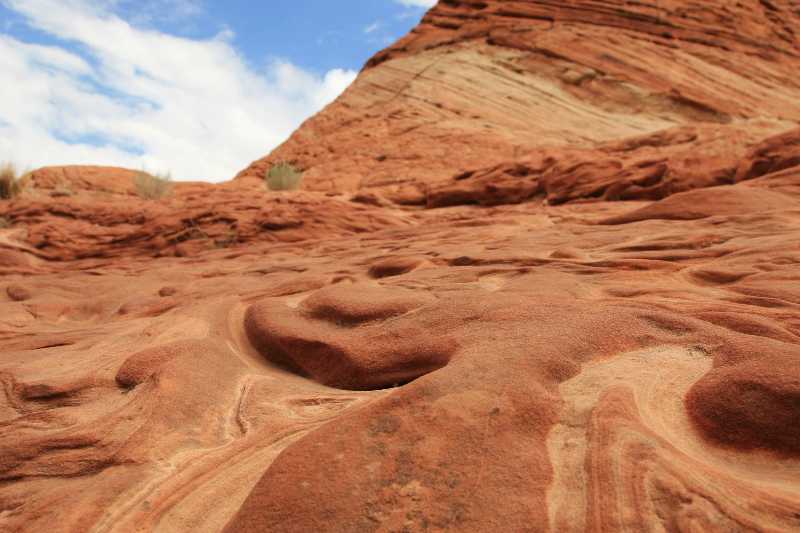
Sandstone is a type of sedimentary rock. It is made mainly of sand-sized mineral particles, usually quartz, formed when layers of sand are deposited by wind, water, or ice and then buried over time. Sandstone has a gritty texture and can appear in a variety of colors, including red, brown, yellow, and gray. Stronger varieties of sandstone can be used as a building material.
6. obsidian

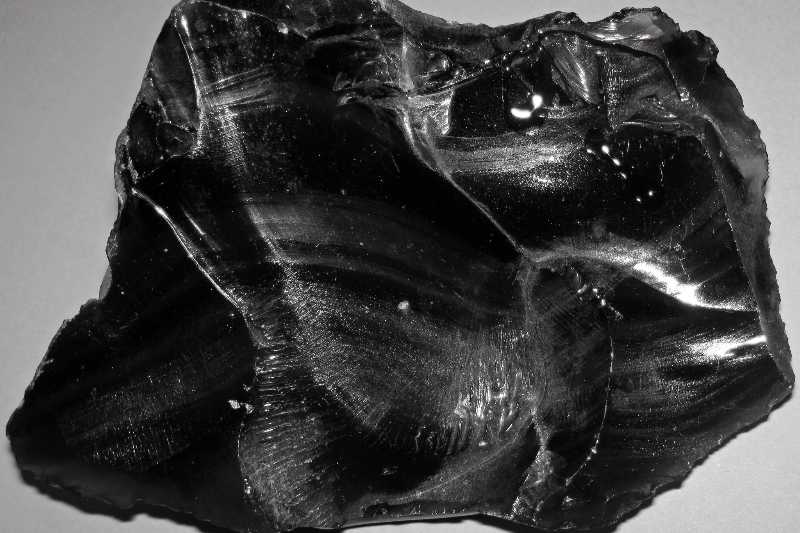
Obsidian is a type of igneous rock. It forms when lava cools extremely quickly after a volcanic eruption, leaving no time for mineral crystals to grow. It has a smooth, glassy texture because of this rapid cooling, and is usually black. The edges of broken obsidian are extremely sharp.

In ancient times, people used obsidian to make tools, arrowheads, and knives. Today, it is used in jewelry and decorative objects.
7. gneiss

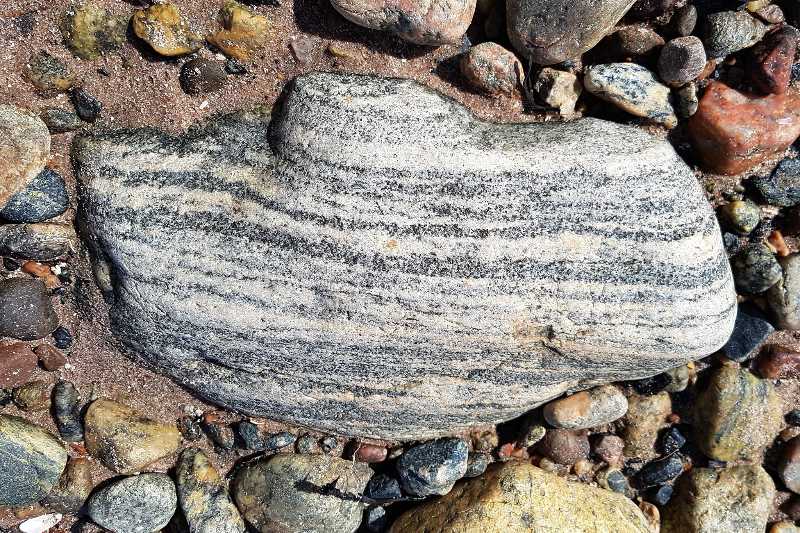
Gneiss is a type of metamorphic rock. It forms when existing rocks, such as granite or certain sedimentary rocks, are exposed to high heat and pressure deep within the Earth. This process changes the rock's structure and causes its minerals to separate into visible light-and-dark bands.

These bands give gneiss a layered or striped appearance. Unlike some other metamorphic rocks, gneiss does not split easily along flat surfaces.
8. marble

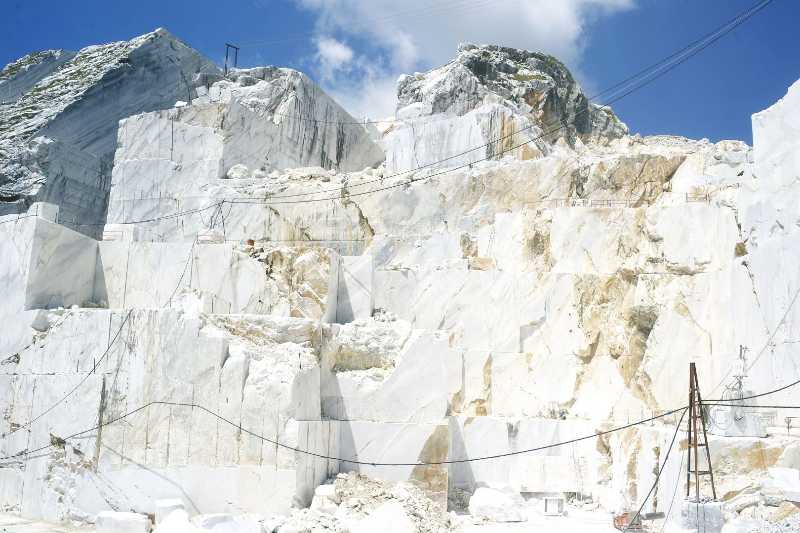
Marble is a type of metamorphic rock. When limestone is buried deep underground and exposed to heat and pressure, marble forms as its calcite crystals grow and interlock, giving it a smooth texture. It is often white but can also contain colored streaks or veins caused by other minerals. Marble can be polished to a smooth, glossy finish, and this quality has made it a valued material for monuments and sculptures for thousands of years.
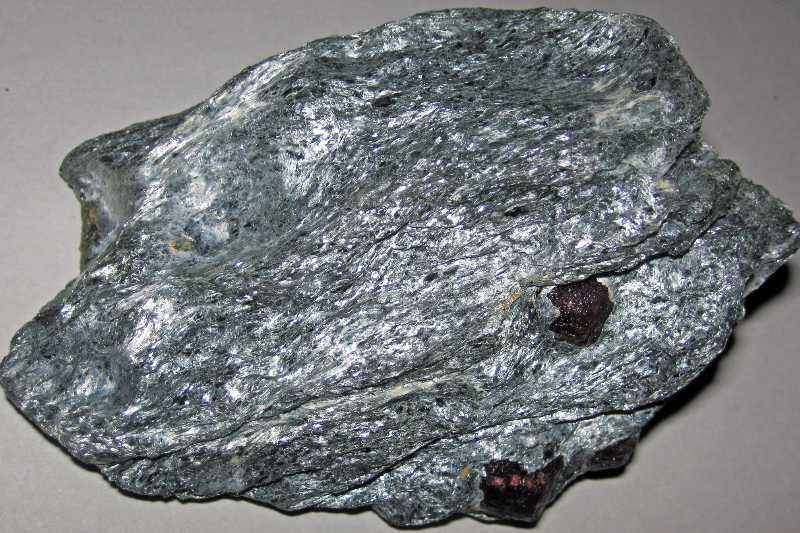
9. schist

Schist is a type of metamorphic rock. It is formed from existing rocks, such as shale or basalt, that are exposed to intense heat and pressure deep within the Earth. This process causes the minerals in the rock to grow and align in thin layers, giving schist a shiny appearance and allowing it to split easily along flat surfaces. Schist often contains visible flakes of minerals such as mica, which can reflect light.
10. chalk

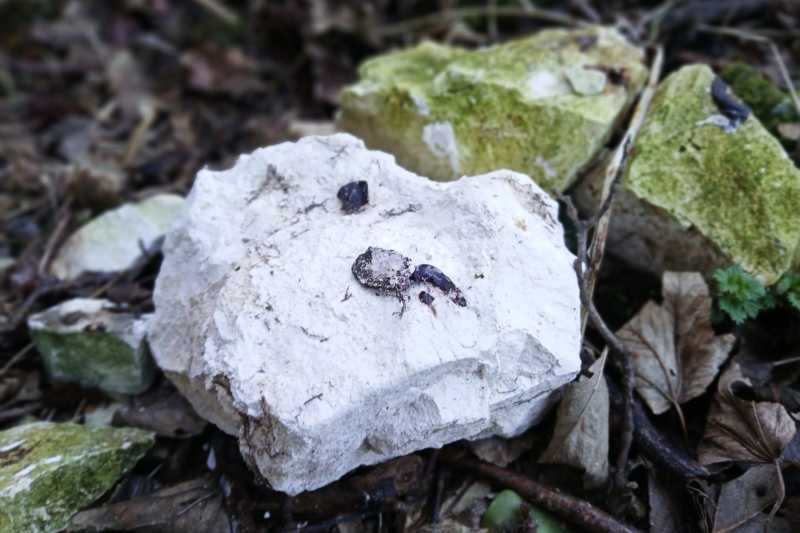
Chalk is a type of sedimentary rock. It is mainly made of calcium carbonate from the remains of tiny marine organisms, such as microscopic algae and plankton that lived in ancient oceans. When these organisms died, their shells settled on the ocean floor and slowly built up in thick layers. Chalk has long been used for writing and drawing on blackboards, in making cement, and for soil treatments in agriculture to reduce acidity.
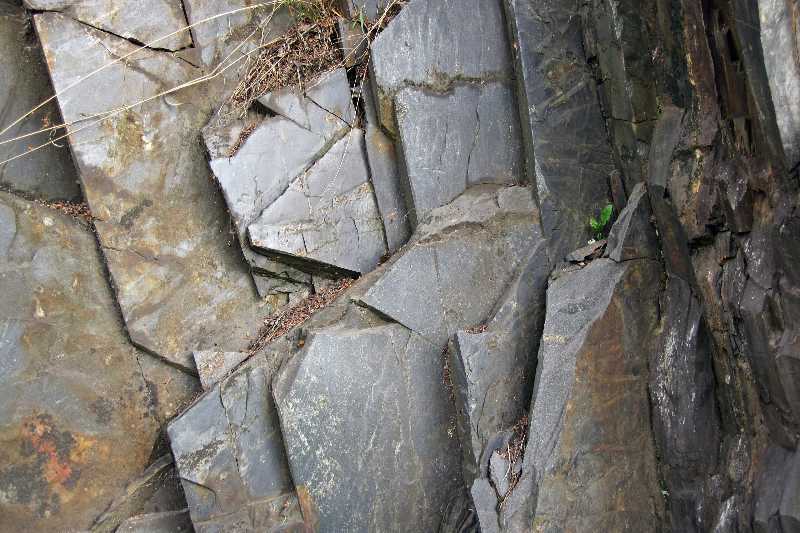
11. slate

Slate is a type of metamorphic rock. It forms when shale is buried deep underground and changed by heat and pressure, causing its minerals to align so it can split into thin, flat sheets. It is widely used as a building material: roofing tiles, flooring, wall coverings, and outdoor paving are all common uses.

In the past, small pieces of slate were also used as writing boards in classrooms (along with chalk!).
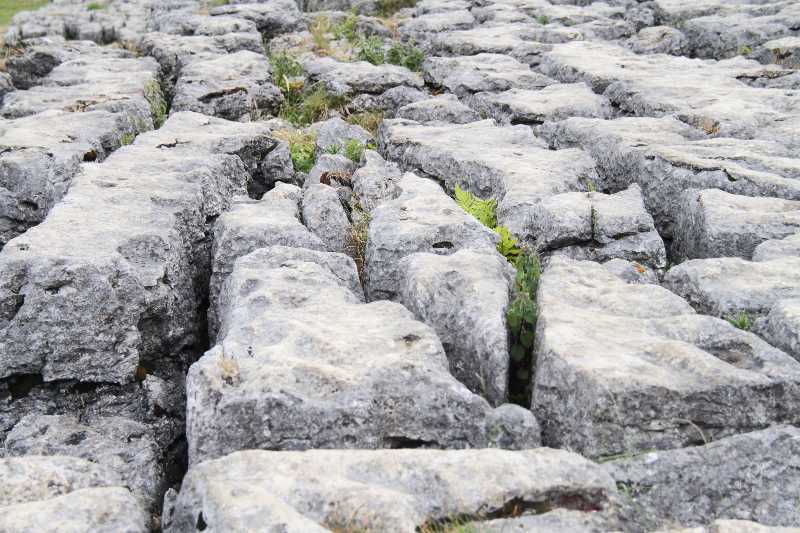
12. limestone

Limestone is a type of sedimentary rock. It forms in oceans and lakes from layers of shells, coral, and other marine remains or from calcium carbonate that settles out of water and is compacted into solid rock over time. It is widely used in construction because it is strong and easy to shape. It is cut into blocks for buildings and monuments and processed to produce cement and lime.
Source: Author trident

This quiz was reviewed by FunTrivia editor rossian before going online.
Any errors found in FunTrivia content are routinely corrected through our feedback system.
2/17/2026, Copyright 2026 FunTrivia, Inc. - Report an Error / Contact Us