
FREE! Click here to Join FunTrivia. Thousands of games, quizzes, and lots more!
Quiz about My What Big Teeth You Have

My What Big Teeth You Have Trivia Quiz

Human Tooth

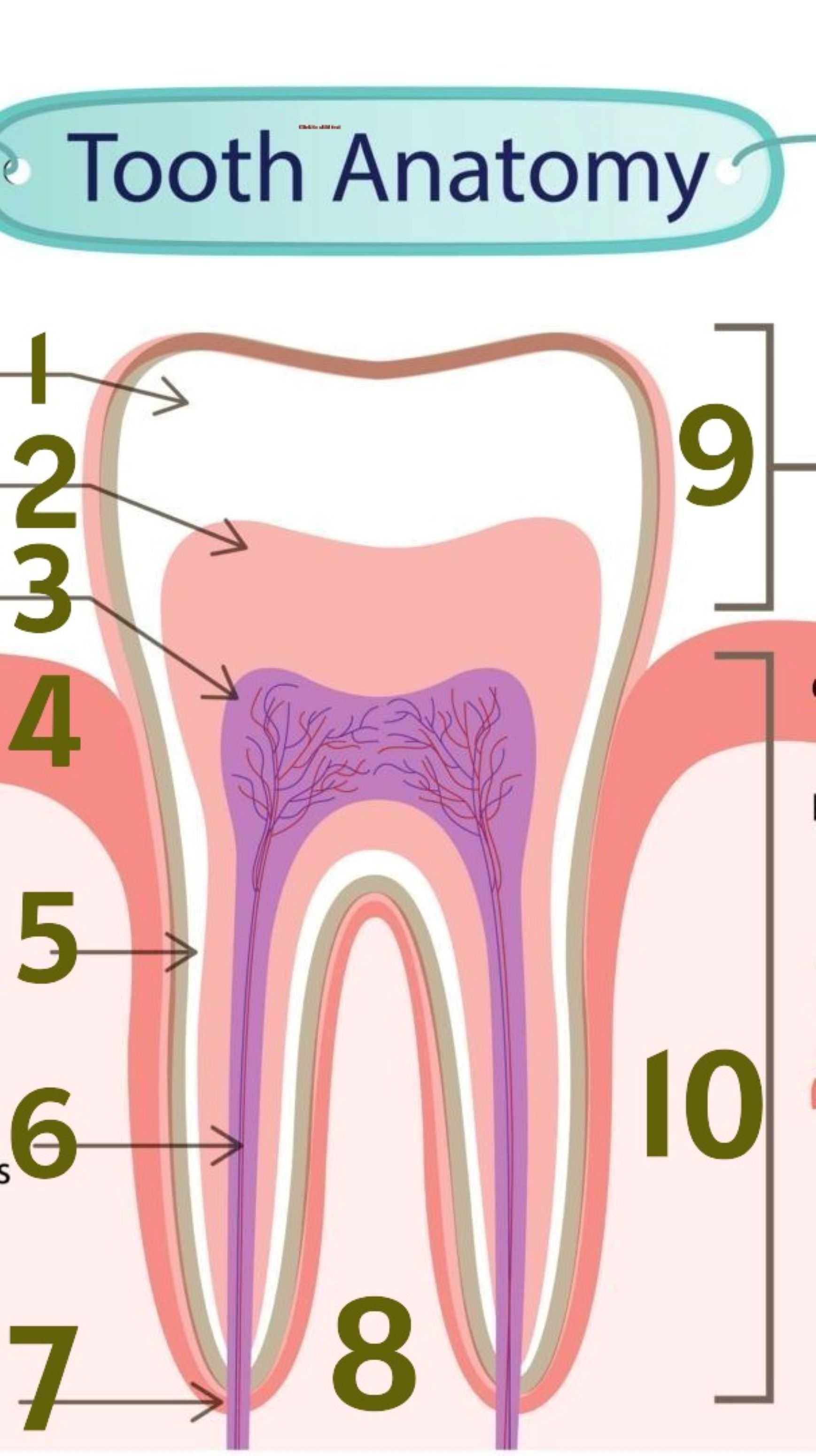
A tooth is a very complex body part with multiple elements making up one of our vital organs. Given a diagram of a tooth, can you identify the different parts?

A label quiz by GBfan. Estimated time: 3 mins.
  1. Home
  2. »
  3. Quizzes
  4. »
  5. Science Trivia
  6. »
  7. Digestive System and Metabolism
  8. »
  9. Teeth and Dentistry

Author
GBfan
Time
3 mins
Type
Label Quiz
Quiz #
422,484
Updated
Dec 30 25
# Qns
10
Difficulty
Average
Avg Score
7 / 10
Plays
68
Last 3 plays: realmccoy72 (10/10), PhNurse (6/10), Guest 143 (3/10).
Click on image to zoom
Dentin or dentine Root canal Root Apical Foramen Gum Crown Pulp Cementum Bone Enamel
* Drag / drop or click on the choices above to move them to the answer list.
View Image Attributions for This Quiz
1.   
2.   
3. Entire purple section  
4.   
5. Not the enamel, the lower thin strip  
6. Painful?   
7.   
8. 206  
9.   
10.   

Most Recent Scores
Today : realmccoy72: 10/10
Today : PhNurse: 6/10
Today : Guest 143: 3/10
Today : Guest 16: 10/10
Today : Guest 162: 1/10
Today : rdhill: 4/10
Today : Guest 32: 10/10
Today : Guest 73: 4/10
Today : Guest 174: 3/10

Quiz Answer Key and Fun Facts
1. Enamel

The visible edge of our teeth is called enamel. This is an extremely strong material that serves as a protection to our teeth. Enamel cannot regenerate so dental hygiene is vital. The strength of enamel means the tooth cannot be easily broken and can act as a barrier to bacteria and acidic foods.
2. Dentin or dentine

Located between a tooth's enamel and the pulp is a hard layer known as the dentin. It actually is a larger portion of the tooth than the enamel. It's made up of hard calcified tissue that is softer than enamel but harder than bone. The dentin layer gives support to the tooth and also transmits sensations like changes in temperature or pressure.

The American spelling is dentin while the British use dentine.
3. Pulp

The outer edge of the tooth is hard enamel but the living part of the tooth is called the pulp. This is essentially the heart of the tooth. In the pulp, the blood vessels, nerves, and connective tissue all combine to keep the tooth alive.
4. Gum

Gums make up the soft lining of our teeth and are called gingiva in Latin. The gums hold firmly to the bone and provide a barrier to the roots below. If you lose gum tissue, you could expose the roots and feel pain when chewing or drinking cold drinks. Changes in color of your gums could be a cause of concern for plaque.
5. Cementum

Cementum covers the root of the tooth. Similar to enamel but softer, cementum is a hard, calcified tissue acting as a bone-like layer that anchors the periodontal ligament. Cementum contains no blood vessels.
6. Root canal

When you hear the words "root canal" you may picture a painful dental procedure but it also refers to an area inside the dental pulp where the nerves, blood vessels, and connective tissue combine. It runs from the pulp chamber down tiny channels to the root tips.
7. Apical Foramen

There is a small opening at the tip of a tooth's root that allows blood vessels and nerve endings to enter and exit the dental pulp. This small opening at the root apex is called the apical foramen and connects the pulp to periodontal tissue.
8. Bone

Our teeth are attached to the jawbone - the upper part is the maxilla and the lower part is the mandible. The bones provide structure for the teeth to stay in place. The roots of our teeth sit in bony sockets in the upper and lower jaws

There are normally 206 bones in a human body.
9. Crown

The crown is covered in enamel and is the visible portion of a tooth. Its role is not only cosmetic but is also used for cutting and grinding our food, depending on the type of tooth. Being the outer layer, the crown can also affect our speech patterns.
10. Root

The roots of our teeth contain nerves, pulp and dentin, and are at risk if our gums recede. The roots also anchor our teeth to the bone, provide stability and deliver nutrients. Their health is vital for our overall dental health.
Source: Author GBfan

This quiz was reviewed by FunTrivia editor rossian before going online.
Any errors found in FunTrivia content are routinely corrected through our feedback system.
12/30/2025, Copyright 2025 FunTrivia, Inc. - Report an Error / Contact Us