FREE! Click here to Join FunTrivia. Thousands of games, quizzes, and lots more!
Quiz about Beasties on the Bibb Mammals

Beasties on the Bibb: Mammals Trivia Quiz

Mammals Found on the Bibbulmun Track

I enjoy my hiking and one of my favourite trails is the Bibbulmun Track in the south western corner of Australia. Along the way I get the opportunity to encounter some of the awesome flora & fauna of our state. Here are some of the mammals.

by pollucci19. Estimated time: 3 mins.
  1. Home
  2. »
  3. Quizzes
  4. »
  5. Animal Trivia
  6. »
  7. Animals by Region
  8. »
  9. Australia

Author
pollucci19
Time
3 mins
Type
Quiz #
423,542
Updated
Apr 02 26
# Qns
10
Difficulty
Average
Avg Score
8 / 10
Plays
24
Last 3 plays: TurkishLizzy (5/10), Sportsphreak (5/10), bchilds1996_ (2/10).
Match the names of the Western Australian mammals with the pictures provided.
Drag-Drop or Click from Right
Options
Echidna Chuditch Brush tailed possum Brush tailed phascogale Southern right whale Quokka Rakali/Water rat Western grey kangaroo Mardo Quenda/Southern brown bandicoot


 View Image Attributions for This Quiz

Most Recent Scores
Today : TurkishLizzy: 5/10
Today : Sportsphreak: 5/10
Today : bchilds1996_: 2/10
Today : stephedm: 8/10
Today : lethisen250582: 10/10
Today : pattycake26: 5/10
Today : Poppet18: 3/10
Today : malidog: 3/10
Today : cowalsh: 10/10

Quiz Answer Key and Fun Facts
1. Mardo

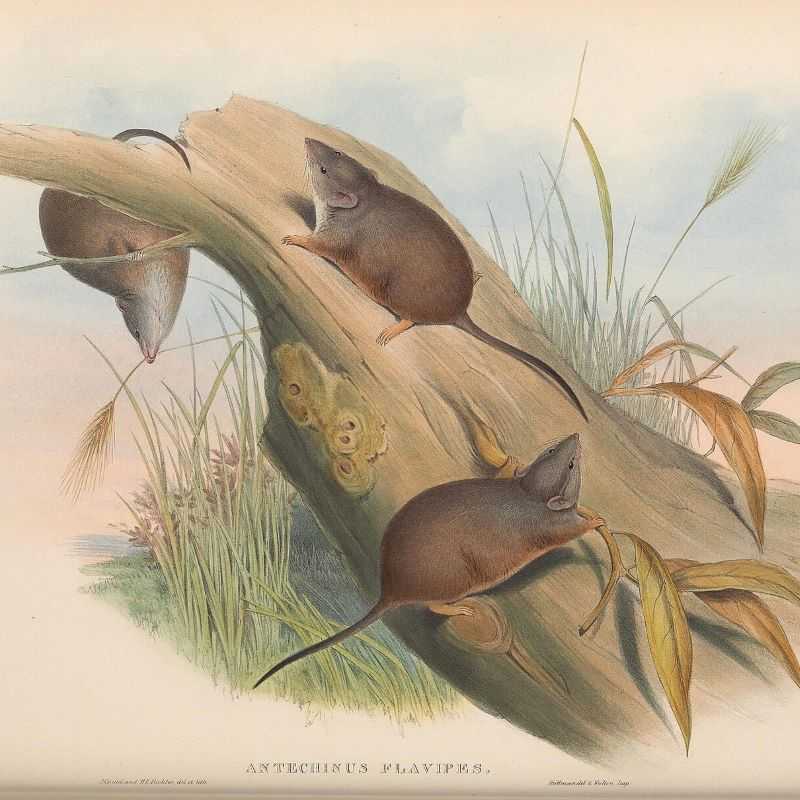
(Antechinus flavipes) This shrew-like little marsupial is also known as the yellow-footed antechinus, is about 10-13 centimetres (4-5 inches) in length and weighs about 30 to 75 grams (1 to 2.65 ounces). Those measurements do not include its tail; roughly 9 to 16 centimetres (3.5 to 6.3 inches). Their fur is generally grey and they will feast on eggs, nectar and the occasional invertebrate.

Male mardos will die after mating and the females will pass on after the young have been weaned. For us hikers though, they can be a bit of a nuisance as they have a habit of chewing through backpacks to get at our food. The trick is to suspend the pack off the ground with some fishing line.
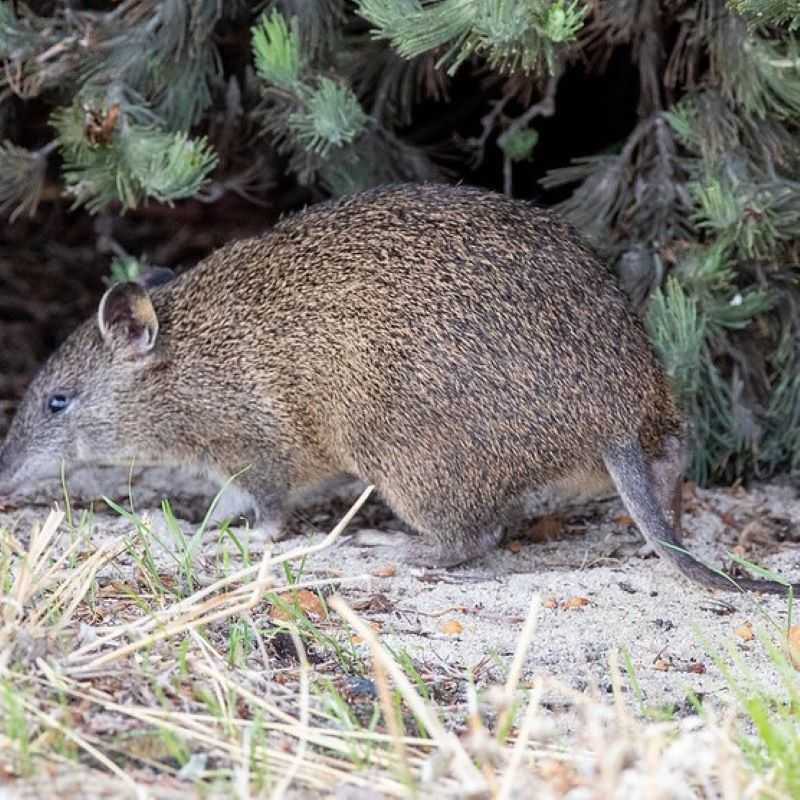
2. Quenda/Southern brown bandicoot

(Isoodon obesulus) The average male quenda is about 33 centimetres (13 inches) in length, with its tail adding another 12 centimetres (4.7 inches). They weigh slightly less than a kilogram (just over two pounds) and their females are a little smaller in both size and weight.

This omnivorous creature, which is often mistaken for a large rat, has coarse, dark grey fur on top and a cream coloured underside. The quenda is a solitary creature that feeds at night. The males, though, are very territorial and can become aggressive. Their main predators are feral foxes and cats.
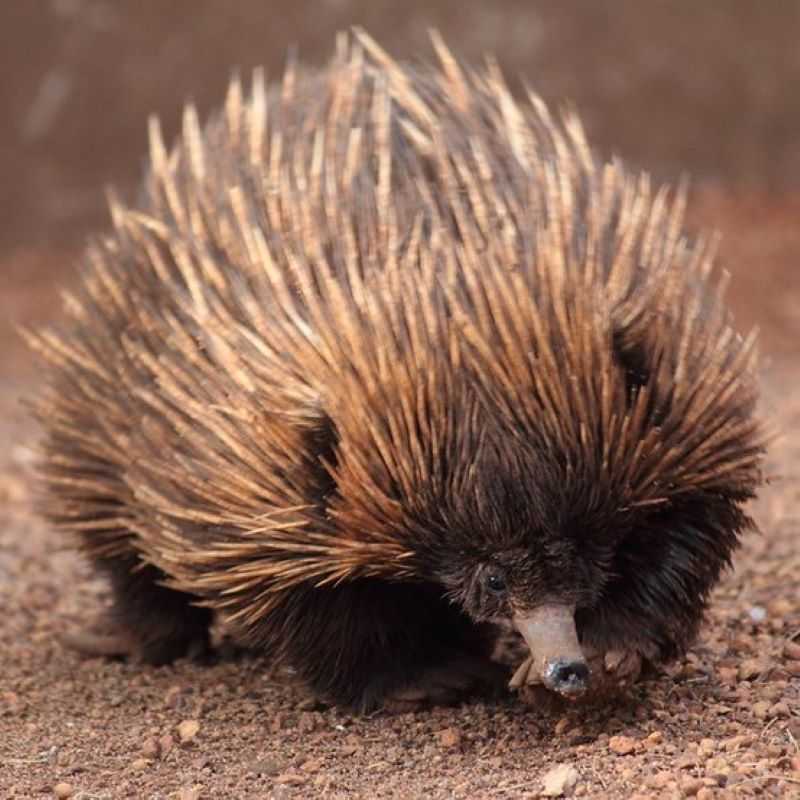
3. Echidna

(Tachyglossus acanthion) Also known as the spiny anteater and, after noting the photograph, you get a feeling that not a lot of imagination expired in coming up with the latter name. The creature is covered in both spines and fur and its other distinctive features are its long snout and, while you cannot see it here, it has a specialized tongue that is uses to catch termites at great speed. It will also hunt earthworms and other burrowing prey.

The echidna is one of two creatures (the other being the platypus) that are monotremes. In other words, they're the rare breed of mammal that lays eggs, and the echidna's young are called puggles. The spiny anteater is not a fighter and its main forms of defence are (a) to curl up into a ball and (b) burrow into the ground where they can utilize their strong front legs to prevent the predators from dragging them out.
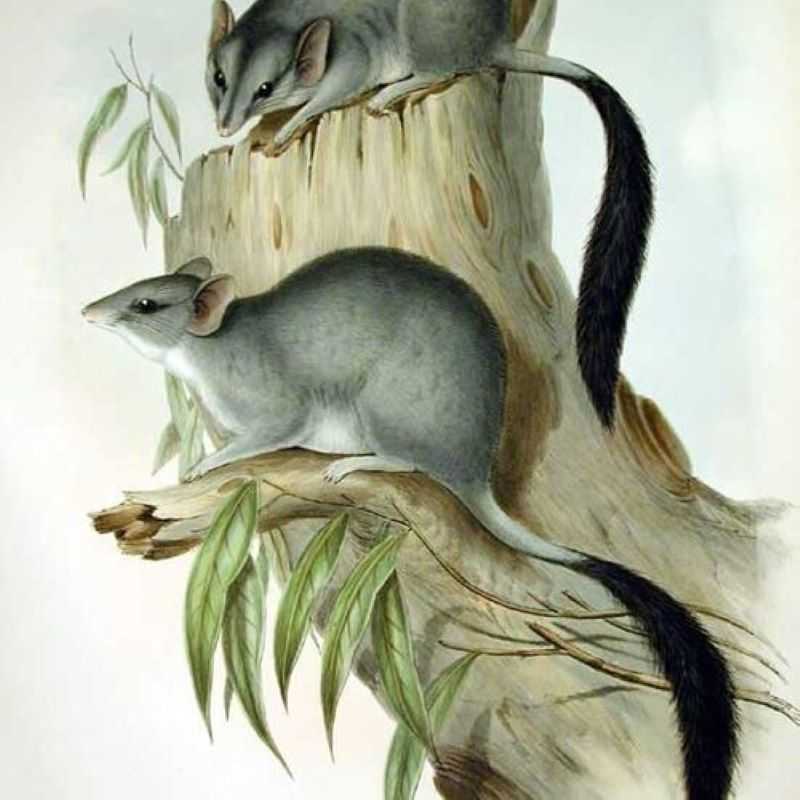
4. Brush tailed phascogale

(Phascogale tapoatafa) This is a rat sized carnivorous marsupial that enjoys an arboreal habitat. The grey body is between 16-27 centimetres (6.3-10.6 inches) in length and it black tail adds on a similar distance to its overall size.

Its native name is tuan but it has also been called a black-tailed mousesack and a common wambenger. It is an opportunistic feeder that enjoys smaller mammals, birds, insects, spiders and lizards. It has also been known to steal eggs and drink nectar from flowering shrubs. Extinction wise, they are a vulnerable species and they have been severely affected by habitat loss and the threat of feral foxes and cats.
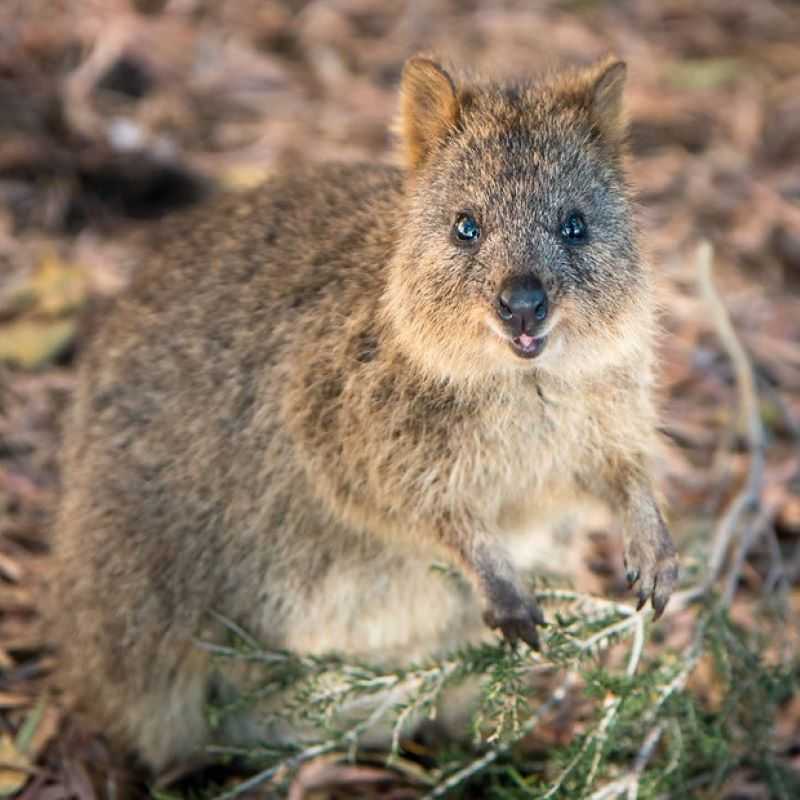
5. Quokka

(Setonix brachyurus) The quokka looks like a dwarf version of the kangaroo but, unlike its fellow macropod, it can climb trees. It grows to about 40-90 centimetres (15-35 inches) in height and weighs between 2.5 - 5 kilograms (5.5-11 pounds).

It is a nocturnal creature, sleeping during the day and feeding on vegetation in the evening. Its habitat range is small, found mainly in the state's south-west forests and small pockets also exist on Rottnest Island, off the coast of Fremantle, and Bald Island near the coast of Albany. As Rottnest is a much visited tourist location, the quokkas there are now used to human contact and are very friendly, but do not expect a similar welcome from the forest dwellers.
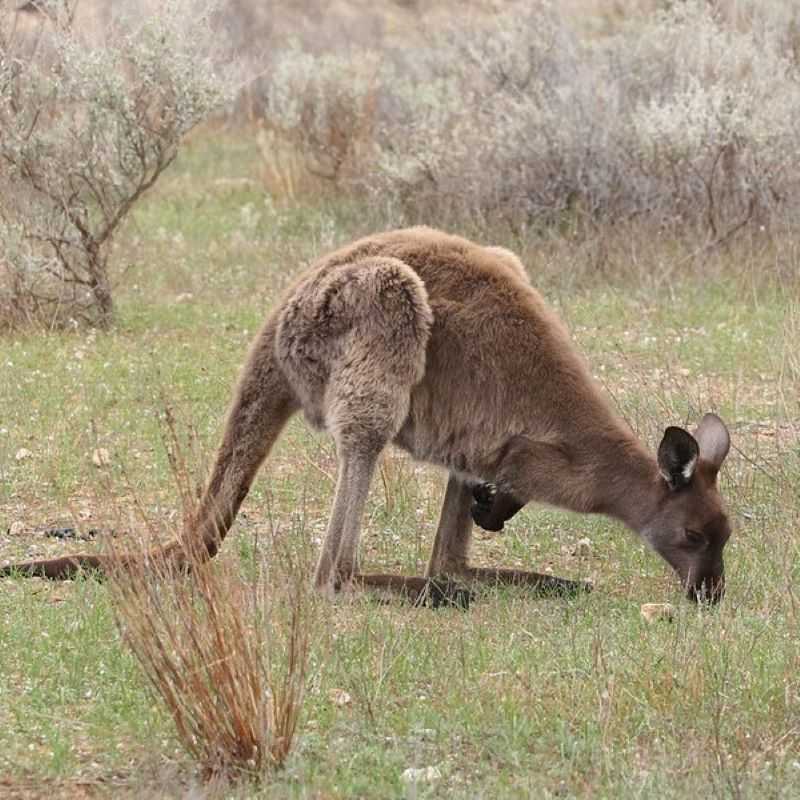
6. Western grey kangaroo

(Macropus fuliginosus) The Western grey is one of the larger species of kangaroo in Australia, with the males standing between 1.3 to 2 metres (4 to 7 feet) in height. They can weigh anywhere between 28 to 54 kilograms (53 to 119 pounds). The females, though, are considerably smaller.

We get to spot many of these on the Bibbulmun Track, particularly late afternoon or early morning when we're likely to find them feeding on grasses and shrubs. They are very social creatures and will live in mobs of up to fifteen members.
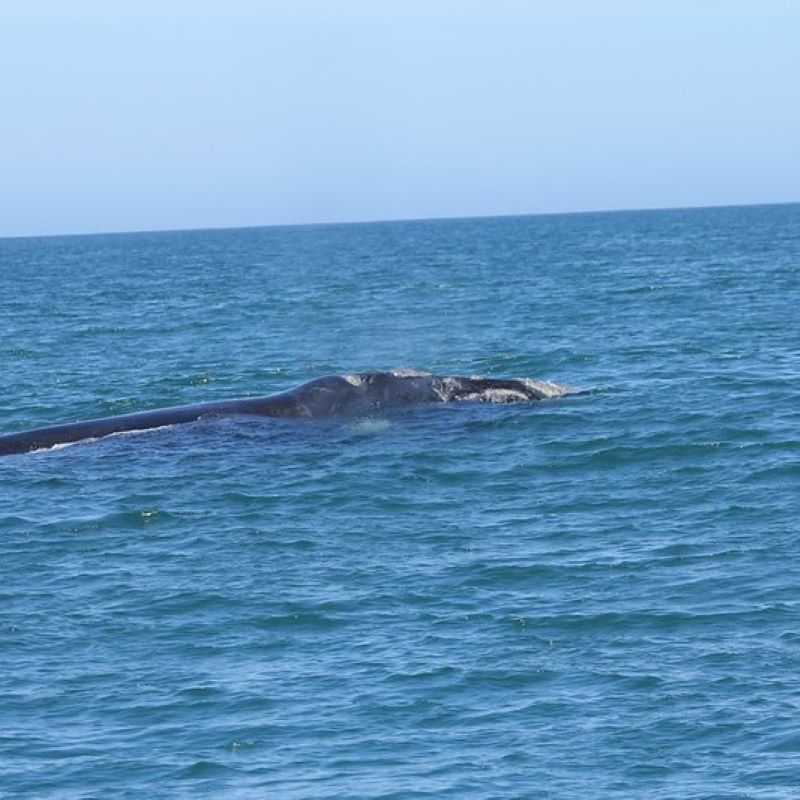
7. Southern right whale

(Eubalaena australis) At the southern of the Bibbulmum Track you will spend a fair amount of time hiking along some amazing coastline and, if you're in the area between June and September, there's a good chance of spotting one of these incredible creatures.

Easily identifiable by the calcified skin patches around their head and their broad backs, they do not possess a dorsal fin. The female is the larger of the species and can grow to be 15-18 metres (49-59 feet) long and weigh between 50 and 80 tonnes (the imperial measurement is similar). That said, there have been individual right whales that have grown to be in excess of 100 tonnes.

The Southern right whale used to be the primary target for whalers, hence the name - the "right" whale to hunt - and the practice had decimated the population in our southern waters. The cessation of whaling and the international protection laws that were introduced in the 1930s have seen the numbers of these amazing creatures increase at approximately 7% each year.
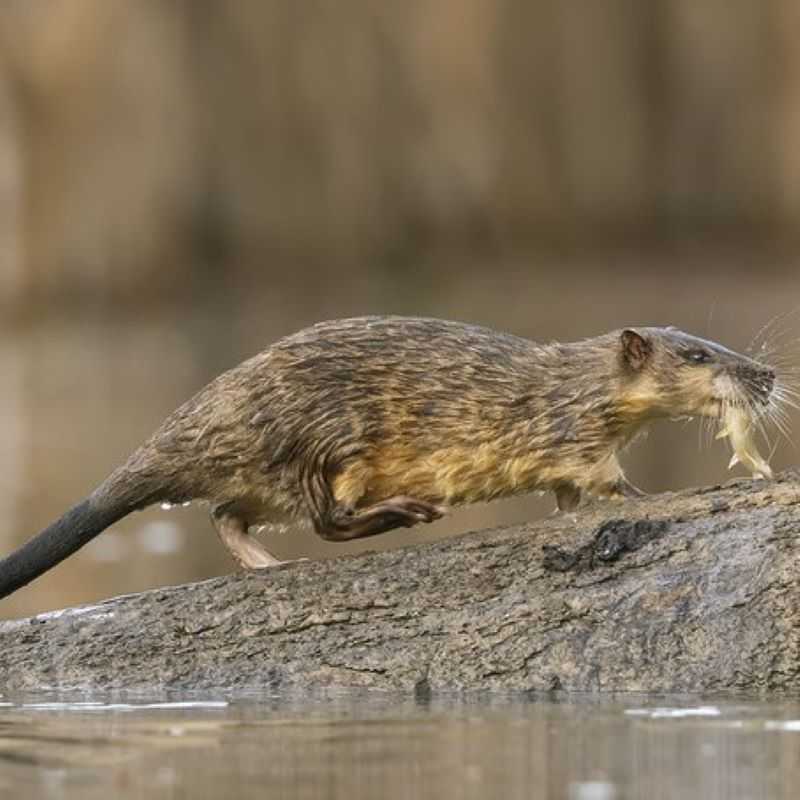
8. Rakali/Water rat

(Hydromys chrysogaster) As the photograph may indicate, this Australian rodent is at home in or by the river banks and estuaries, where it will dig its burrows to reside in. They are nocturnal creatures that enjoy a meal of insects, fish, frogs, and bird's eggs. In a similar manner to the mardo, they are also likely to raid the backpacks of hikers so, once again, it is a good idea to keep the packs suspended off the ground.

Rakali are blessed with webbed feet and waterproof fur, which enhance their ability to swim. Other recognizable features include a flattened head and a long, though somewhat blunt, nose. Sometimes called the "Australian otter", the name "rakali" was adopted from the Ngarrindjeri people. This was pursued by Environment Australia who believed that the name "water rat" did not foster a positive image of the creature.
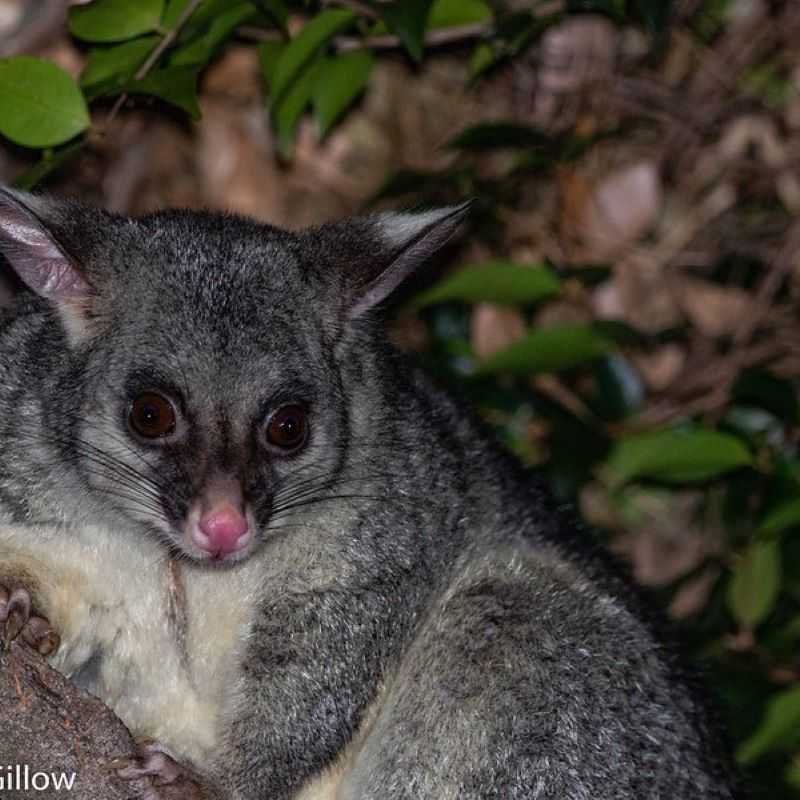
9. Brush tailed possum

(Trichosurus vulpecula) This creature's taxonomic name is drawn from the Greek term for "furry tail" and the Latin for "little fox". This small to medium sized marsupial is a semi-arboreal creature which is a folivore - a herbivore whose main diet is leaves. In this possum's case, those favoured leaves are the eucalyptus. Despite this, it has also been known to supplement its diet with the occasional small mammal such as rats.

The possum's body is between 32-58 centimetres (13-23 inches) in length and its tail extends a further 24-40 centimetres (9-16 inches). The tail is prehensile and has been adapted to allow the possum to grasp onto branches with it. They are solitary animals and will mark their territories with urine to keep others away.
10. Chuditch

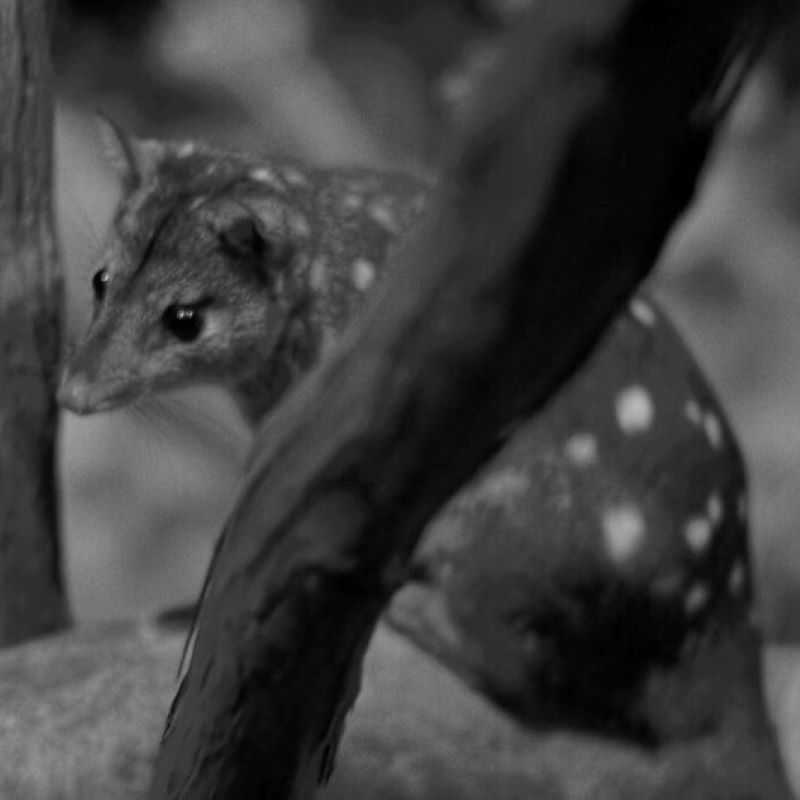
(Dasyurus geoffroii) This near threatened creature is also known as the Western quoll and it is Western Australia's largest mammalian carnivore. Its native name has been adopted from the local Noongar language.

About the size of a domestic cat, it is predominantly brown in colour and bears 40-70 white spots on its back. This adaptation helps it to blur its own outline under moonlight which, in turn, helps it to hunt. The quoll is solitary by nature, is a crepuscular hunter and will take refuge in burrows or hollow logs during the daytime. It also has the ability to lower its body temperature while it sleeps as a means of conserving energy.

At one time, the chuditch occupied a large portion of the Australian mainland but European settlement, which saw it hunted for its fur, and loss of habitat saw the creature's numbers drop alarmingly. It soon became confined to (mostly) the south-west corner of Australia. Plans to reintroduce the species into parts of the Flinders Range (in South Australia) are showing early signs of success, despite the threats posed by feral cats, so much so that further plans are being put into place to introduce the quoll onto Dirk Hartog Island in WA's north west, the Yorke Peninsula in South Australia and the Sturt National Park in New South Wales.
Source: Author pollucci19

This quiz was reviewed by FunTrivia editor rossian before going online.
Any errors found in FunTrivia content are routinely corrected through our feedback system.
4/2/2026, Copyright 2026 FunTrivia, Inc. - Report an Error / Contact Us