FREE! Click here to Join FunTrivia. Thousands of games, quizzes, and lots more!
Quiz about Dogs of the 2026 World Cup

Dogs of the 2026 World Cup Trivia Quiz


No, this isn't a football quiz - it's a quiz about dogs that come from twelve different countries, one from each group In the 2026 FIFA World Cup. Match the name with the photo of the dog.

by Kankurette. Estimated time: 3 mins.
  1. Home
  2. »
  3. Quizzes
  4. »
  5. Animal Trivia
  6. »
  7. Dogs
  8. »
  9. Dog Breeds

Author
Kankurette
Time
3 mins
Type
Quiz #
424,807
Updated
Jul 14 26
# Qns
12
Difficulty
New Game
Avg Score
10 / 12
Plays
17
Last 3 plays: Guest 107 (9/12), mcdonoughuk (7/12), Guest 174 (12/12).
Match the photo to the dog breed.
Drag-Drop or Click from Right
Options
Dogo Argentino Pyrenean mastiff Basenji Chihuahua Saluki Bernese mountain dog Patterdale terrier Dobermann Border collie Shiba inu Norwegian elkhound Australian cattle dog


 View Image Attributions for This Quiz

Most Recent Scores
Today : Guest 107: 9/12
Today : mcdonoughuk: 7/12
Today : Guest 174: 12/12
Today : Guest 108: 12/12
Today : Victortennis: 10/12
Today : amarie94903: 12/12
Today : xchasbox: 4/12
Today : Guest 172: 12/12
Today : Dizart: 12/12

Quiz Answer Key and Fun Facts
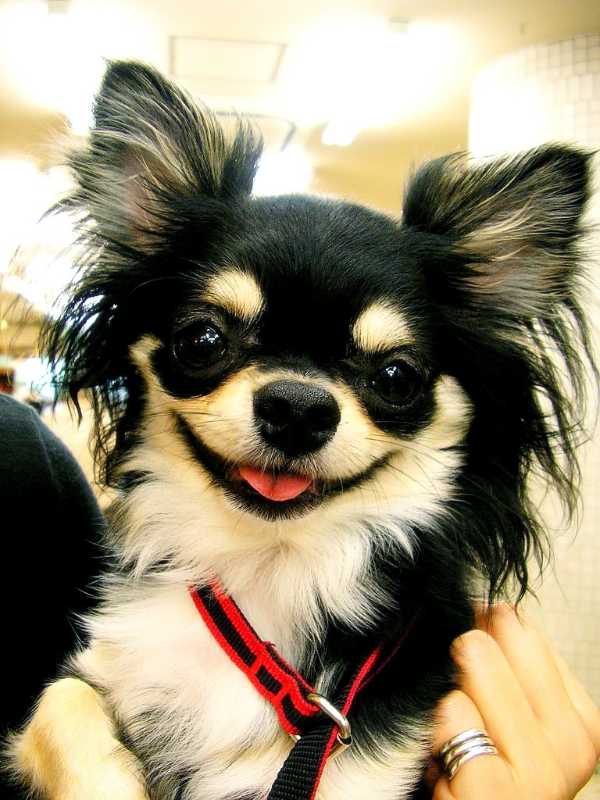
1. Chihuahua

Group A featured Czechia, Mexico, South Africa and South Korea, and I chose the chihuahua to represent Mexico. One of the world's smallest dog breeds, this feisty little critter has a reputation for being fearless and snappy (although in fairness, this is often down to a lack of training), and has a heritage that dates back to pre-Columbian times. There are two types of chihuahua: the apple head, which has a rounded head, and the deer head, with larger ears and longer legs.

A chihuahua called Gidget was the mascot for Taco Bell between 1997 and 2000.
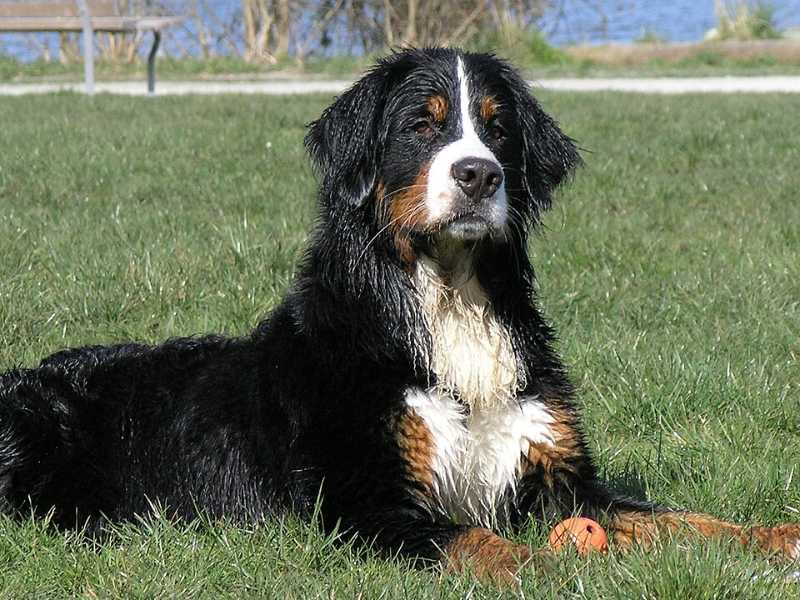
2. Bernese mountain dog

Group B featured Bosnia & Herzegovina, Canada, Qatar and Switzerland, and I chose the Bernese mountain dog to represent Switzerland. Also known as the Berner Sennenhund, the Bernese is the largest of the four tricolour Swiss mountain dogs (the others being the Appenzell, the Entlebucher mountain dog and the Greater Swiss mountain dog), and is also the only one with a long coat.

It was bred to pull carts and work as a farm dog; locals called it the 'cheese dog' due to it pulling carts of milk and cheese.
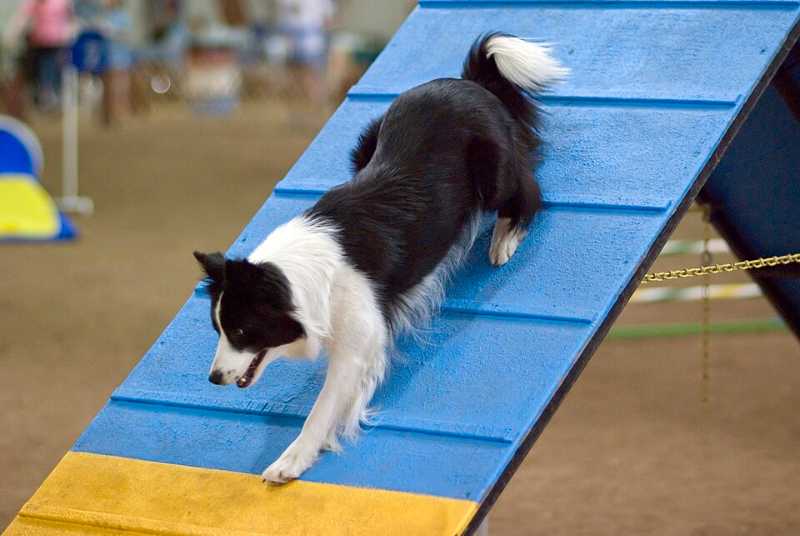
3. Border collie

Group C featured Brazil, Haiti, Morocco and Scotland and, being half-Scottish, I chose the border collie to represent Scotland, as it originates from the Anglo-Scottish border. The border collie has a reputation as one of the most intelligent breeds of dog, and needs to be given plenty of work and stimulation to keep it happy.

It was bred to herd sheep, and many farmers use border collies today as herding dogs. Its ancestor, Old Hemp, was known for quietly herding sheep and his style became known as the border collie style.
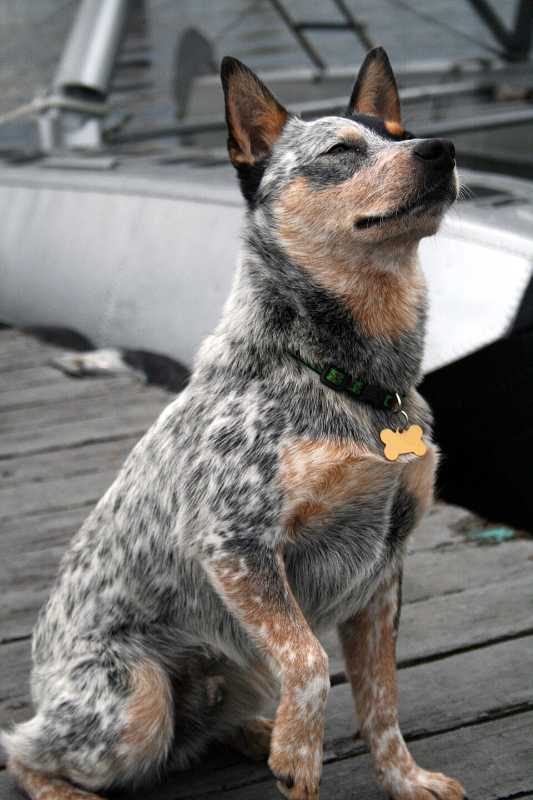
4. Australian cattle dog

Group D featured Australia, Paraguay, Turkey and the USA, and I chose the Australian cattle dog - also called the blue heeler - to represent Australia. If you've ever seen 'Bluey', you'll recognise this dog, because Bluey and her family are Australian cattle dogs.

It was bred to withstand the Australian heat, as imported European dogs could not cope with it. Its blue-black coat comes from British breeds such as smooth collies, which were crossed with dingoes; some Australian cattle dogs have red coats instead, a result of the dingo being mixed in.
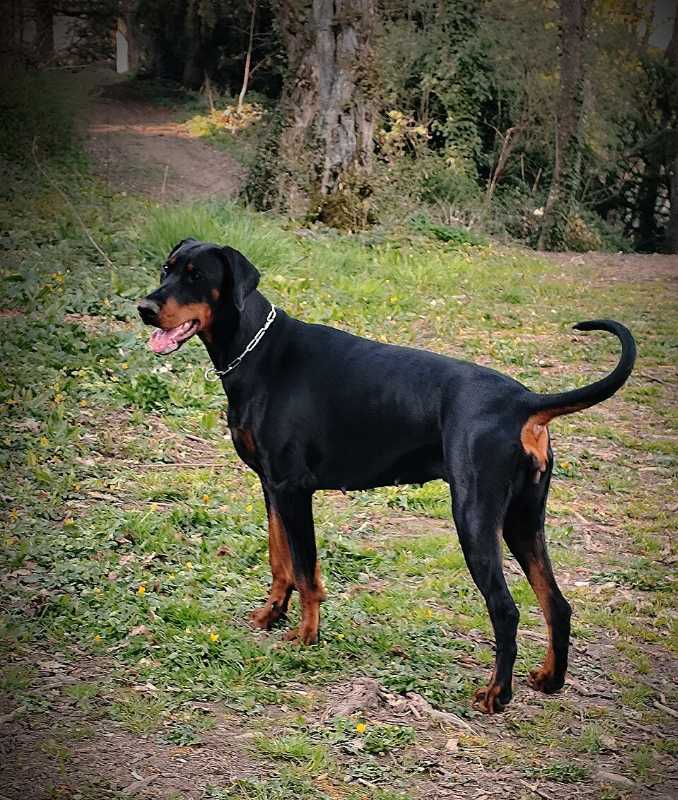
5. Dobermann

Group E featured Curaçao, Ecuador, the Ivory Coast and Germany, and I chose the Dobermann to represent Germany. The Dobermann, or Doberman Pinscher in the US, gets its name from Louis Dobermann, a German tax collector and part-time dog catcher who ran a dog pound and wanted to breed his own guard dog. One major cultural difference regarding Dobermanns is that they often have their ears cropped and tails docked in the US, while European Dobermanns keep their ears and tails natural like the one in the picture, as cropping is banned in some countries.
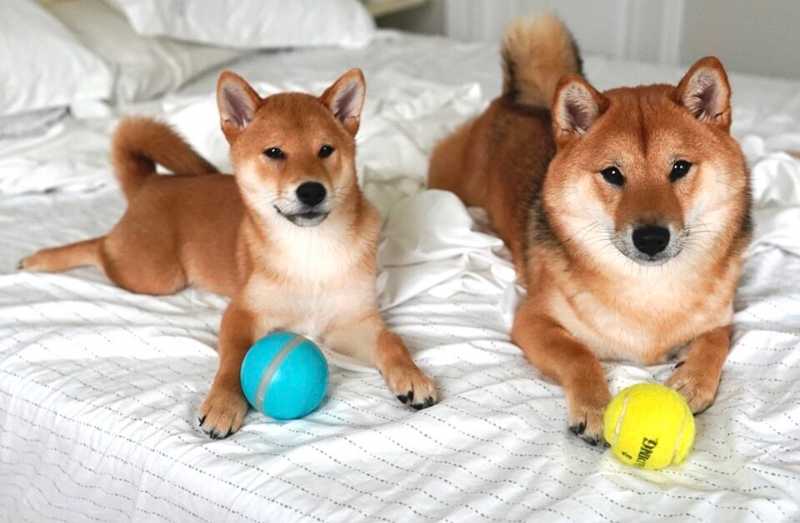
6. Shiba inu

Group F featured Japan, the Netherlands, Sweden and Tunisia, and I chose the shiba inu to represent Japan. The shiba inu is a typical spitz-type dog with its pointy ears and curly tail, and was bred to hunt birds and small animals. It lets out a high-pitched scream when agitated, and is often compared to a cat due to being relatively aloof for a dog. One Japanese shiba inu, Kabosu, became an internet meme known as 'Doge' after photos of her circulated on Tumblr; she was named after the kabosu citrus fruit due to her round face.
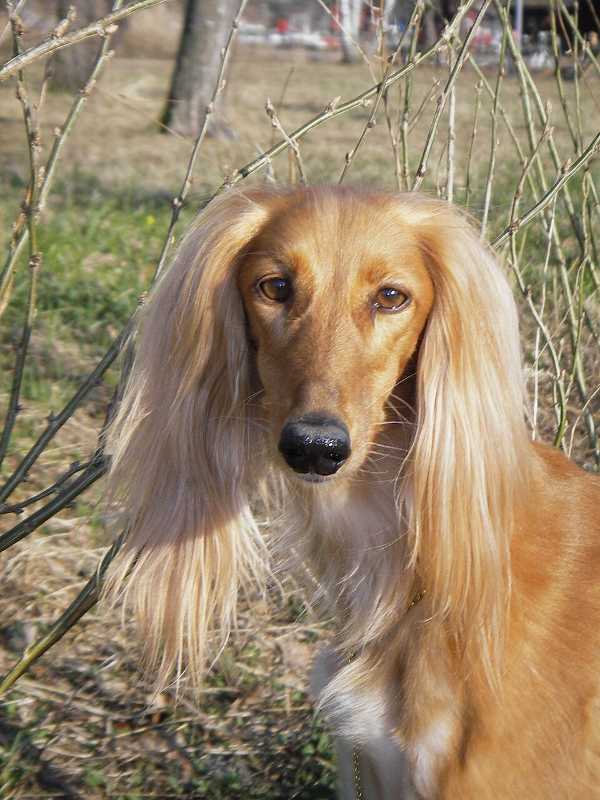
7. Saluki

Group G featured Belgium, Egypt, Iran and New Zealand, and I chose the saluki to represent both Egypt and Iran, as it is also known as the Persian greyhound. As swift as Egypt's Mo Salah, it is an ancient breed of dog originally from the area known as the Fertile Crescent, and has appeared in ancient Persian, Sumerian and Egyptian art.

Although dogs are considered unclean in Islam, the saluki is an exception as the Bedouin traditionally used it as a hunting dog and call the white spot on its chest the 'kiss of Allah'.

The saluki pictured has a feathered coat; smooth-coated variants also exist.
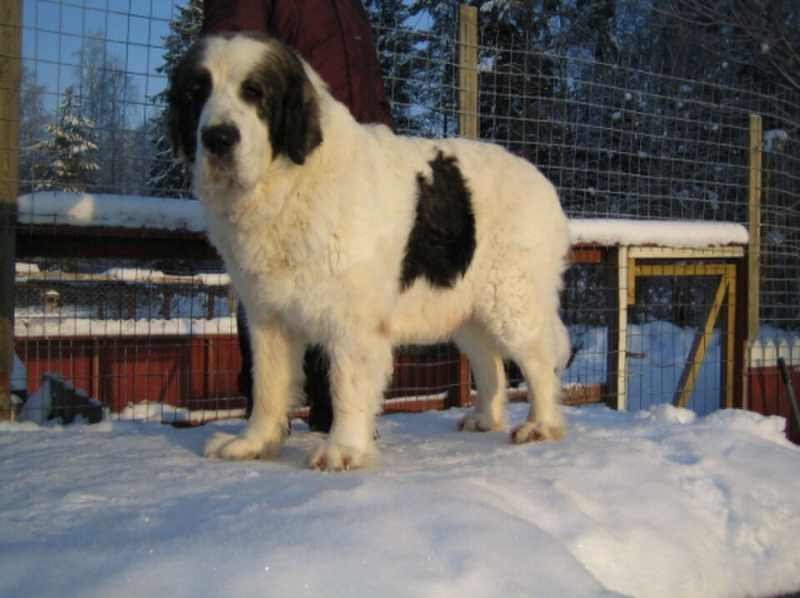
8. Pyrenean mastiff

Group H featured Cape Verde, Saudi Arabia, Spain and Uruguay, and I chose the Pyrenean mastiff - not to be confused with the Pyrenean mountain dog - to represent Spain. Like legendary Spanish goalkeeper Iker Casillas, it is a big and powerful animal, bred for guarding and farm work.

It originally comes from the autonomous region of Aragon and would guard sheep when they were taken up to the high pastures of the Pyrenees in the summer months, before heading to lower pastures for the winter. To deter wolves, it wore a spiked collar called a carlanca.
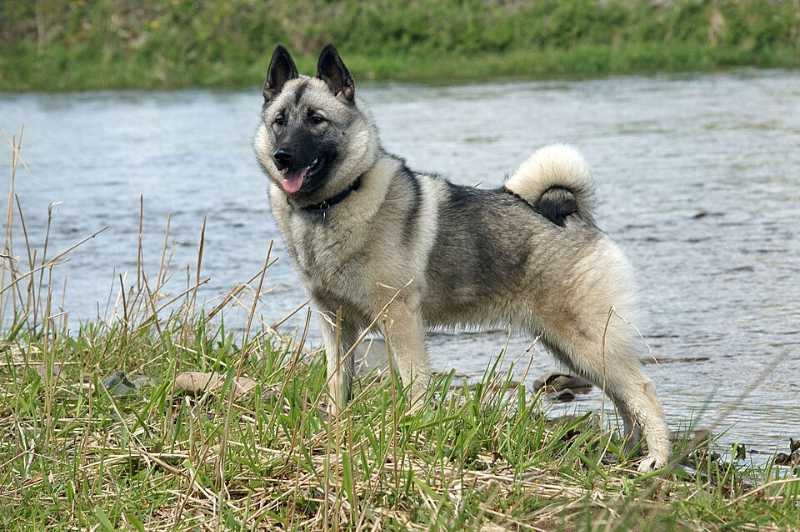
9. Norwegian elkhound

Group I featured France, Iraq, Norway and Senegal, and I chose the Norwegian elkhound to represent Norway. Like Norway's Erling Haaland, it is a magnificent beast and is the national dog of Norway. As its name suggests, it was bred to hunt elk, as well as bears and wolves, and would keep elk at bay until the hunter arrived. Like other northern spitz breeds, it is descended from a female wolf and a male dog.

The US President Herbert Hoover owned a Norwegian elkhound called Weegie.
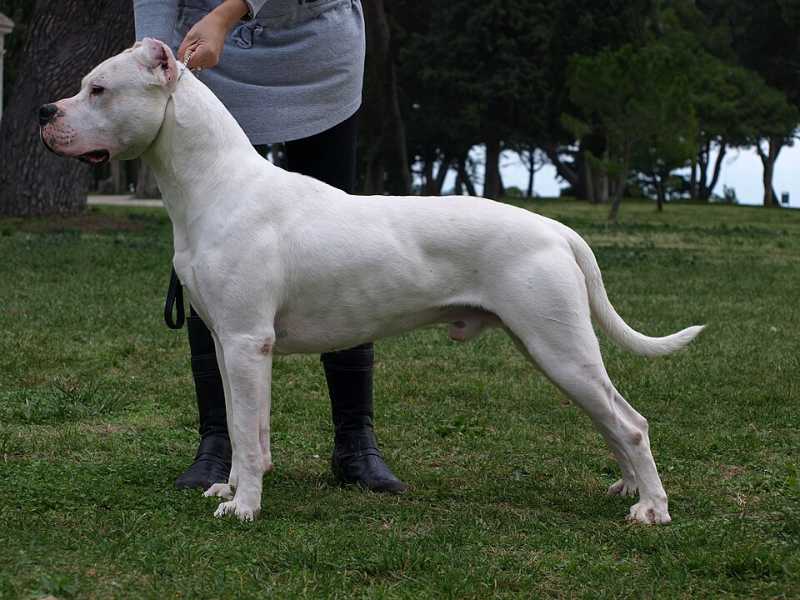
10. Dogo Argentino

Group J featured Algeria, Argentina, Austria and Jordan, and I chose the Dogo Argentino to represent Argentina. A big, powerful dog, the Dogo Argentino - also known as the Argentinian mastiff - was bred to hunt large animals such as pumas and wild boar.

It is the product of mixing several breeds of dog, including the bull terrier, the extinct Córdoba fighting dog, and the Pyrenean mastiff; dogs were selected for their white coats when breeding. It was also popular as a fighting dog.
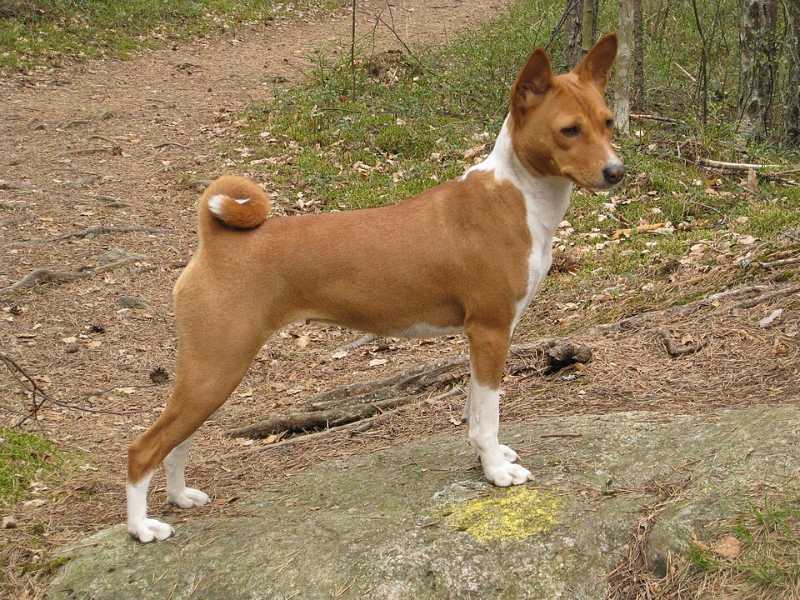
11. Basenji

Group K featured Colombia, the Democratic Republic of the Congo, Portugal and Uzbekistan, and I chose the basenji to represent the DRC. An ancient dog breed with similarities to the dingo, the basenji is an unusual type of dog in that it doesn't bark, but yodels instead because of the shape of its larynx. Like fellow sighthound, the Afghan hound, it is very stubborn and difficult to train.

It is thought to be descended from the Tesem, an Ancient Egyptian dog with pointy ears and a curled tail.
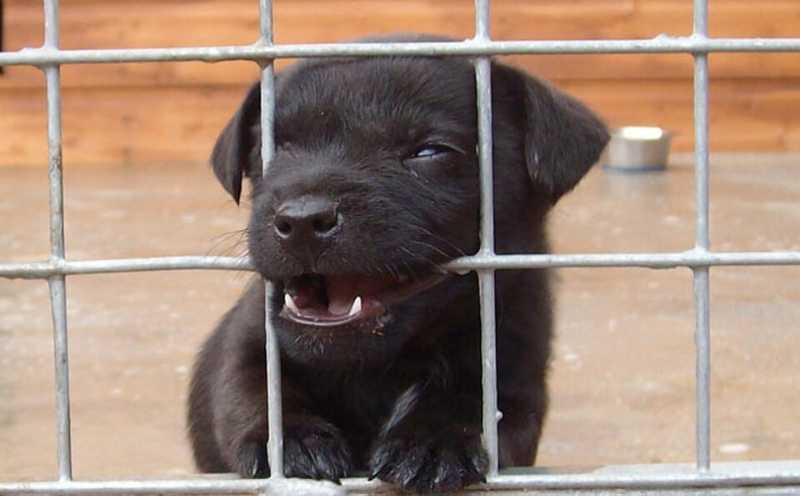
12. Patterdale terrier

Group L featured Croatia, England (my team) Ghana and Panama, and I chose the Patterdale terrier to represent England (though it was tempting to pick the distinctive Dalmatian for Croatia!) One of the more obscure breeds in this quiz, the Patterdale gets its name from the village of Patterdale in the Lake District.

It was bred to hunt rats, foxes and rabbits and is usually black and smooth-coated, like the puppy here. It is a working dog, so there are no strict breed standards for its appearance, and scars are permitted.
Source: Author Kankurette

This quiz was reviewed by FunTrivia editor rossian before going online.
Any errors found in FunTrivia content are routinely corrected through our feedback system.
7/14/2026, Copyright 2026 FunTrivia, Inc. - Report an Error / Contact Us