FREE! Click here to Join FunTrivia. Thousands of games, quizzes, and lots more!
Quiz about Live Laugh Lava

Live, Laugh, Lava Trivia Quiz

Volcanoes of the World

Everything's all fine and dandy until the lava starts flowing. See if you can identify these twelve volcanoes by their appearance (as well as a little geographical hint thrown in).

by trident. Estimated time: 3 mins.
  1. Home
  2. »
  3. Quizzes
  4. »
  5. Geography Trivia
  6. »
  7. Mountains & Volcanoes
  8. »
  9. Volcanoes

Author
trident
Time
3 mins
Type
Quiz #
416,787
Updated
May 04 26
# Qns
12
Difficulty
Very Easy
Avg Score
11 / 12
Plays
437
Awards
Top 5% quiz!
Last 3 plays: Guest 74 (12/12), sciencenerd05 (12/12), shoeman425 (9/12).
Drag-Drop or Click from Right
Options
Mount Pinatubo Kilauea Mount Fuji Mount Kilimanjaro Mount Vesuvius Anak Krakatoa Mount Tongariro Eyjafjallajokull Mount St. Helens Popocatepetl Mount Erebus Mount Ararat


 View Image Attributions for This Quiz

Most Recent Scores
Jun 17 2026 : Guest 74: 12/12
May 14 2026 : sciencenerd05: 12/12
May 08 2026 : shoeman425: 9/12

Quiz Answer Key and Fun Facts
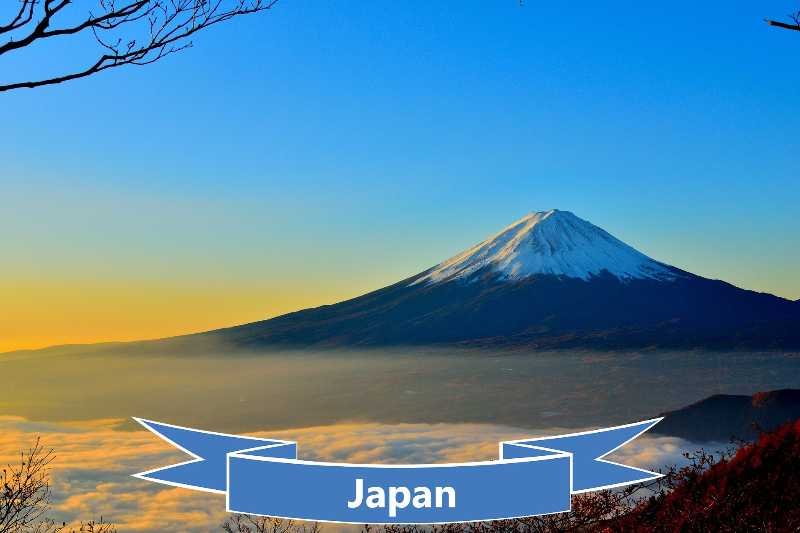
1. Mount Fuji

Rising above Honshu Island, Mount Fuji stands at 3,776 meters (12,389 feet), making it Japan's highest peak and one of its most recognizable natural landmarks. This stratovolcano, shaped by layers of hardened lava and ash, is technically active, though it has remained dormant since the Hoei Eruption of 1707-1708. That eruption sent ash as far as Edo (now Tokyo) and carved a new crater into the mountain's southeastern side.

Despite its long quiet period, scientists continue to monitor Fuji closely.
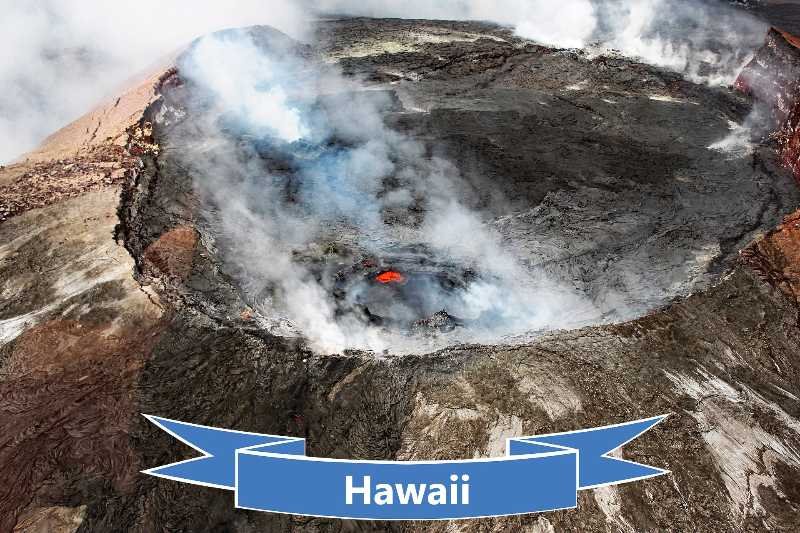
2. Kilauea

Kilauea, located on the Big Island of Hawaii, presents a very different volcanic form. As a shield volcano, it spreads outward in broad, gentle slopes formed by fluid basaltic lava that can travel long distances before cooling. It ranks among the most active volcanoes on Earth, with nearly continuous eruptions since 1983.

In 2018, a major eruption sent lava through residential areas, destroying more than 700 homes and permanently reshaping the landscape. Lava flows reached the ocean, adding new land to the island, while hazardous conditions forced the closure of Hawaii Volcanoes National Park. Volcanologists focus closely on Kilauea because its persistent activity offers a rare chance to observe eruptive processes as they happen.
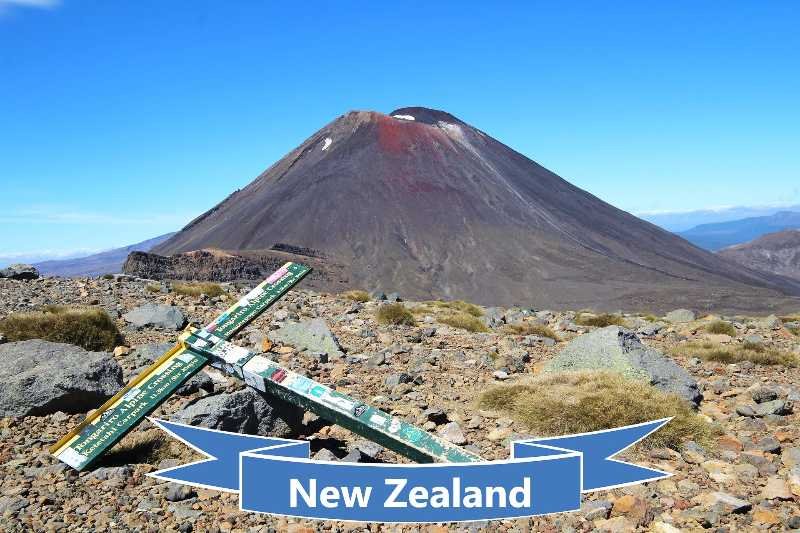
3. Mount Tongariro

On New Zealand's North Island, Mount Tongariro forms part of a complex volcanic system made up of multiple cones and craters. Instead of having one consistent shape, the volcano has multiple features formed by different eruptions over time, including cones, craters, and layered deposits.

The volcano remains active, with its most recent eruption occurring in 2012, when ash clouds disrupted air travel and settled across nearby regions. Earlier activity in 1896-97 helped create the Blue Lake crater, part of a landscape the Māori regard as tapu, or sacred, where visitors are expected to avoid eating and to treat the area with respect.

Tongariro also belongs to a larger volcanic center that includes the sharply defined cone of Ngauruhoe, reinforcing its role within a broader geological network.
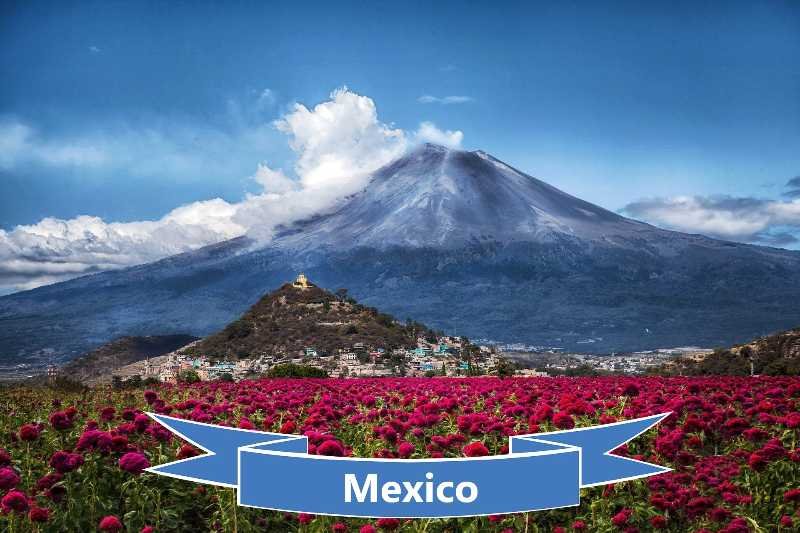
4. Popocatepetl

Popocatepetl, often called "El Popo," rises to 5,426 meters (17,802 feet) in central Mexico, placing it among the tallest and most active volcanoes in North America. This stratovolcano has a long record of eruptions stretching back thousands of years, and it continues to show frequent activity today.

In December 2000, an eruption forced the evacuation of thousands of residents as ashfall and pyroclastic flows threatened nearby communities. More recent eruptions in 2019 and 2020 produced ash plumes and lava flows, sending ash over nearby towns.
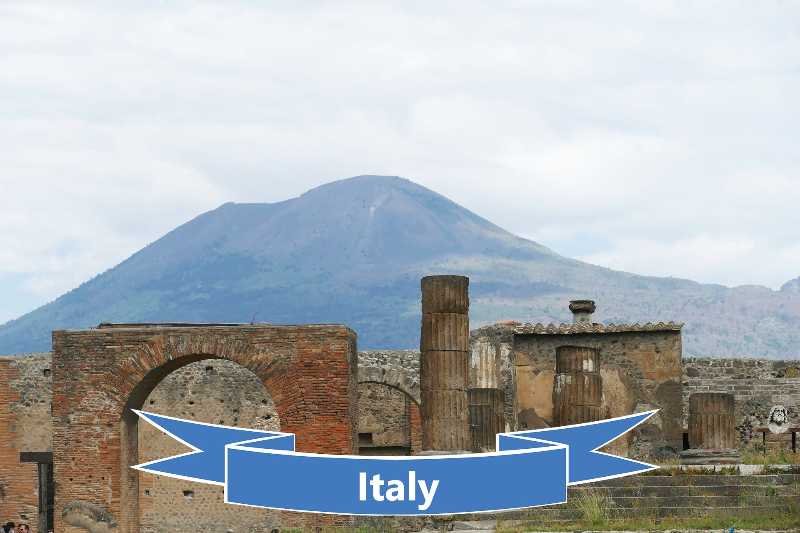
5. Mount Vesuvius

Mount Vesuvius' eruption in AD 79 buried the cities of Pompeii and Herculaneum beneath ash and pumice, preserving buildings, frescoes, and everyday objects such as bread loaves and cooking tools. It is still classified as active, with its most recent major eruption occurring in 1944 during World War II. That event damaged nearby villages and displaced thousands of residents.

Although it has been relatively quiet since then, its proximity to Naples and the surrounding Campania region keeps it under constant observation.
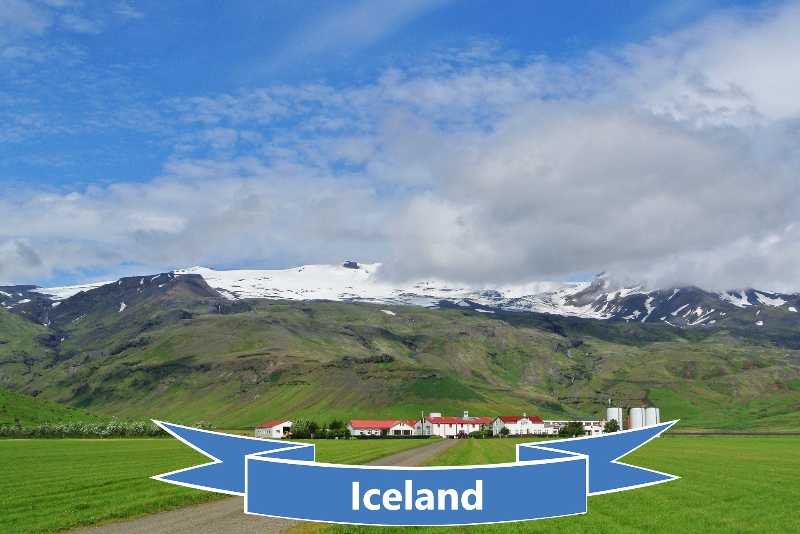
6. Eyjafjallajokull

Eyjafjallajokull, a stratovolcano in Iceland, gained global attention during its 2010 eruption. Its steep profile comes from layers of lava and ash, and its eruptions can send large amounts of ash into the atmosphere.

That was the case with the 2010 eruption, in which a massive ash plume drifted across Europe, forcing widespread flight cancellations and disrupting air travel for weeks. Authorities closed airspace to prevent damage to aircraft engines, while nearby residents faced evacuations due to ashfall and flooding risks.
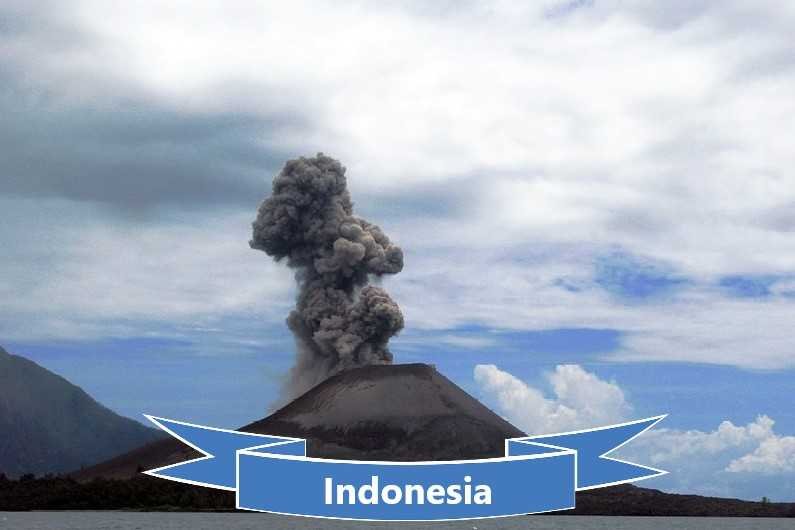
7. Anak Krakatoa

Anak Krakatoa, meaning "Child of Krakatoa," emerged from the caldera left by the catastrophic 1883 eruption of its parent volcano, Krakatoa. Located in the Sunda Strait between Java and Sumatra, it has grown into an active stratovolcano with a steep cone formed by repeated eruptions.

Activity has been frequent since its formation in the early 20th century. In December 2018, part of its structure collapsed during an eruption, triggering a tsunami that struck surrounding coastlines and caused widespread destruction. Even newly formed volcanic islands can be unstable, as that event showed, with collapsing slopes capable of triggering widespread destruction.
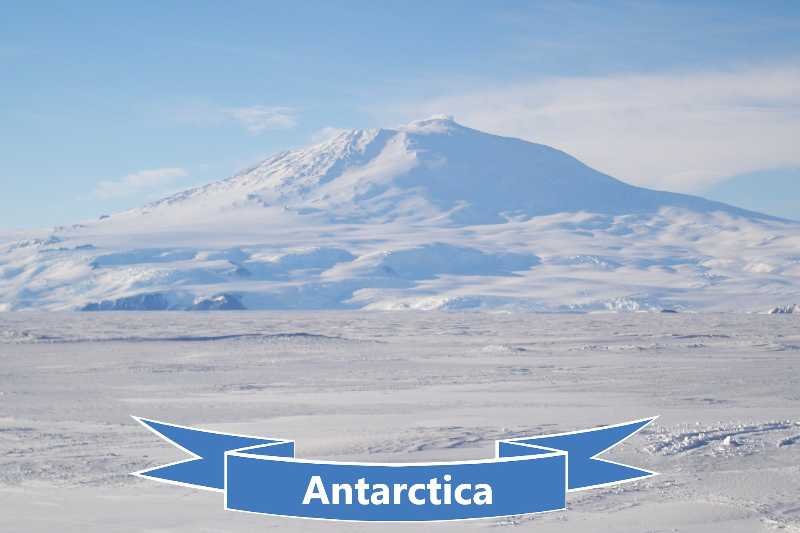
8. Mount Erebus

On Ross Island in Antarctica, Mount Erebus contains a persistent lava lake, one of the few on Earth. Inside its summit crater, molten rock remains exposed at the surface, forming a constantly churning pool that releases heat and gas even in the extreme cold.

It remains active despite the extreme conditions of its environment, producing ongoing lava emissions and occasional Strombolian eruptions, a type of mild, intermittent eruption that ejects bursts of glowing lava fragments and gas from the crater.
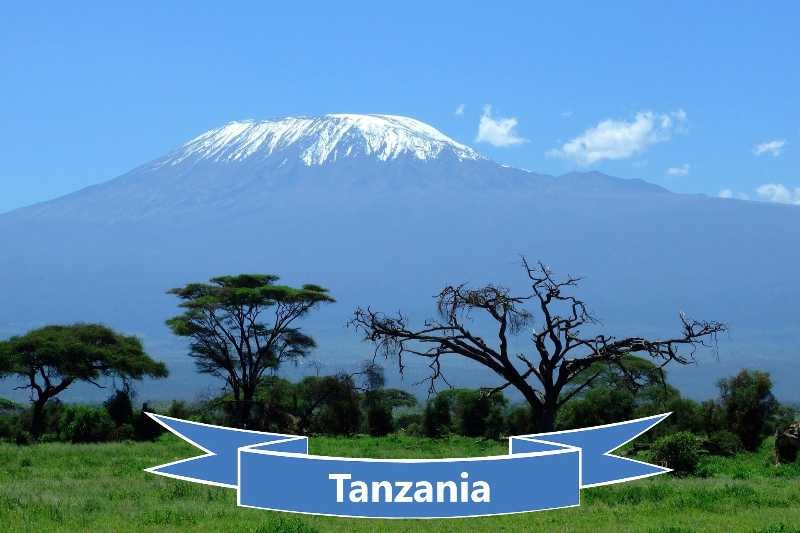
9. Mount Kilimanjaro

Mount Kilimanjaro, located in Tanzania, consists of three volcanic cones: Kibo, Mawenzi, and Shira. At 5,895 meters (19,341 feet), it is the highest mountain in Africa. Although classified as a dormant stratovolcano, it has not erupted in recorded history, and its last significant activity likely occurred around 360,000 years ago.

Instead of volcanic eruptions, Kilimanjaro is known for its glaciers and snow-capped summit, features that have been shrinking in recent decades due to climate change. Geothermal activity beneath the surface shows that some internal heat still lingers.
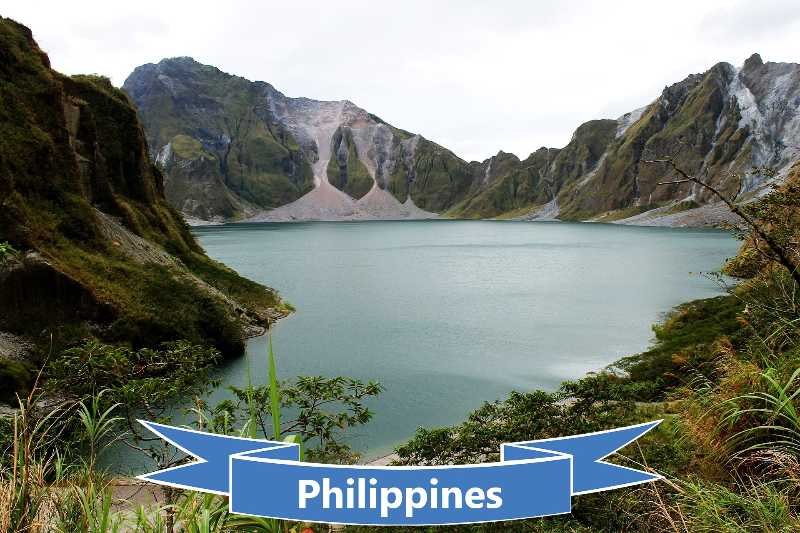
10. Mount Pinatubo

Mount Pinatubo in the Philippines produced one of the most powerful eruptions of the 20th century in June 1991. It released more than 10 cubic kilometers of magma and ash, sending a plume up to 40 kilometers (25 miles) into the atmosphere. The eruption triggered massive mudflows, forced the evacuation of tens of thousands of people, and caused widespread destruction across surrounding regions.

The effect had global consequences: it lowered temperatures by injecting particles into the atmosphere. Since that event, Pinatubo has remained relatively quiet, though it continues to be monitored closely.
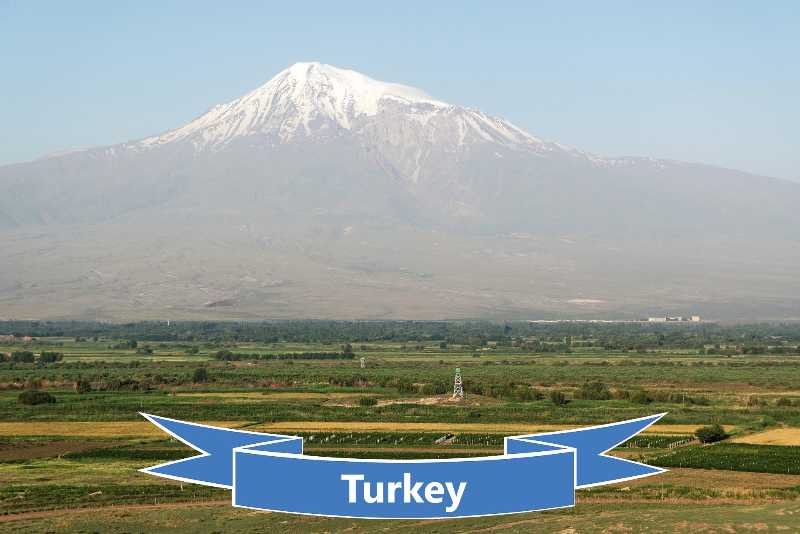
11. Mount Ararat

Mount Ararat rises in eastern Turkey near the borders of Armenia and Iran. This dormant stratovolcano is associated with the biblical story of Noah's Ark. It consists of two main cones: Greater Ararat, which reaches 5,137 meters (16,854 feet), and Lesser Ararat at 3,896 meters (12,782 feet).

Although fumarolic activity suggests some residual heat beneath the surface, no confirmed eruptions have occurred for thousands of years. The last known activity dates back roughly 2,000 years, after which the volcano entered a long period of dormancy.
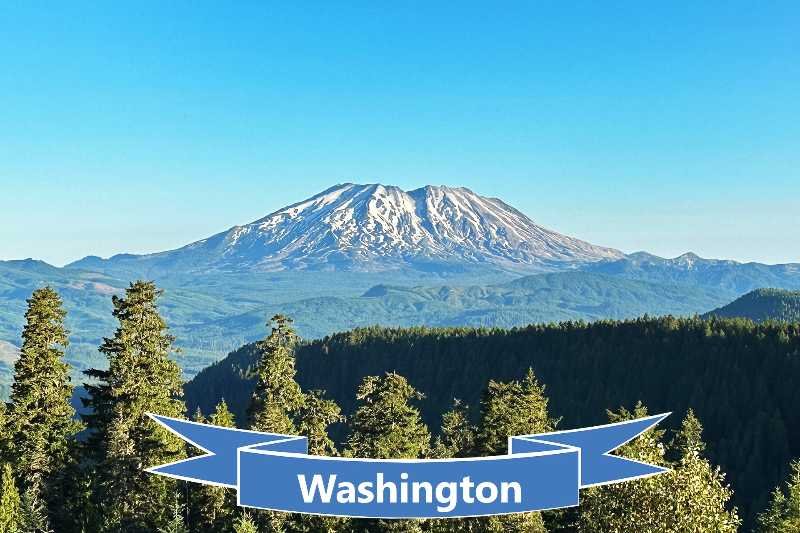
12. Mount St. Helens

Mount St. Helens, located in Washington State, is known for its dramatic eruption on May 18, 1980. Before that event, it stood as a symmetrical cone reaching 9,677 feet (2,950 meters). A massive landslide triggered the eruption, removing the summit and releasing a lateral blast that devastated approximately 230 square miles (600 square kilometers). Forests, homes, and infrastructure were destroyed, and an ash cloud rose more than 15 miles (24 kilometers) into the atmosphere, spreading debris across several states. Since then, the volcano has remained active, producing steam eruptions and gradually building a lava dome within its crater.
Source: Author trident

This quiz was reviewed by FunTrivia editor agony before going online.
Any errors found in FunTrivia content are routinely corrected through our feedback system.
Related Quizzes
1. Volcanoes Average
2. Ka-BOOOOOOOOM! The Eruption of Krakatoa Average
3. Under the Volcano Easier
4. Ring of Fire - Volcanoes and Tectonic Plates Average
5. Run! It's Lava! Average
6. Volcano Lands Average
7. Fire In The Sky Average
8. Hot or Not? Easier
9. Volcanoes Average
10. Volcanoes and Earthquakes Tough
11. Volcanoes Average
12. Volcano Trivia Average

6/18/2026, Copyright 2026 FunTrivia, Inc. - Report an Error / Contact Us