FREE! Click here to Join FunTrivia. Thousands of games, quizzes, and lots more!
Chef's Ingredients - Herbs Trivia Quiz
This enjoyable photo quiz tests your knowledge of twelve herbs used in cooking. You might already have some in your spice rack! (Click the photos to get a closer look!)
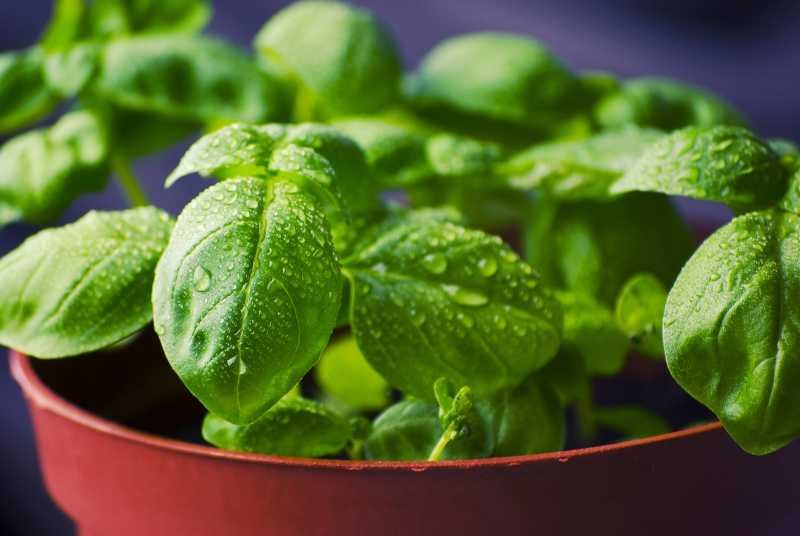
Basil is a fragrant herb with a flavor that blends peppery, sweet, and slightly minty notes. It originally comes from warm regions in Asia and Africa, eventually spreading to Europe and becoming a central ingredient in Mediterranean cooking. In Italian cuisine, basil is especially important.
It appears in dishes like pesto, caprese salad, and margherita pizza. It also shows up in Thai cooking, in such dishes as green curry and pad Thai.
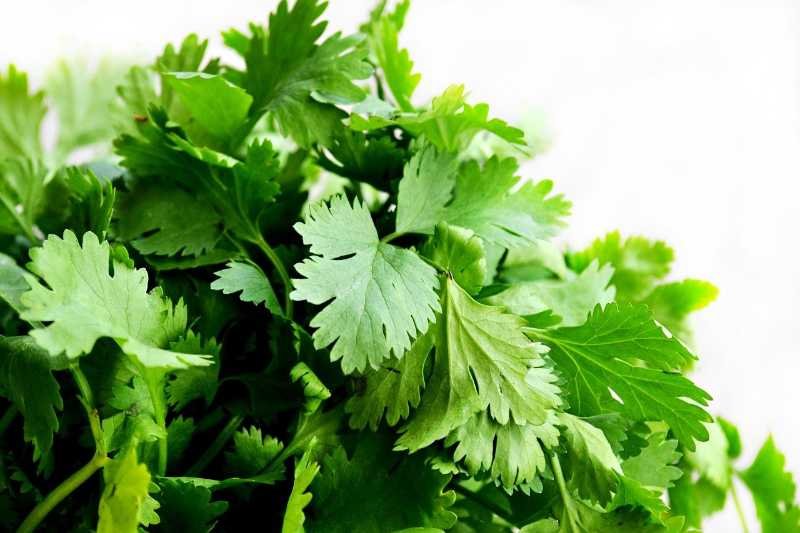
2. cilantro/coriander
Cilantro, which is also called coriander in many regions, stands out for its fresh, citrusy, and slightly peppery flavor. The leaves have a bright, herbal taste, while the seeds have a warmer, earthier quality. This herb has been used since ancient times, with references found in Egyptian and Sanskrit texts.
In Mexican cooking, cilantro is essential for dishes like salsa and guacamole. Thai cuisine uses it generously in soups, curries, and salads such as "som tum." It also plays a role in Indian dishes, especially in chutneys and as a garnish for foods like biryani and tandoori chicken. Finally, Middle Eastern and North African cuisines use it in falafel and tabbouleh.
3. lemongrass
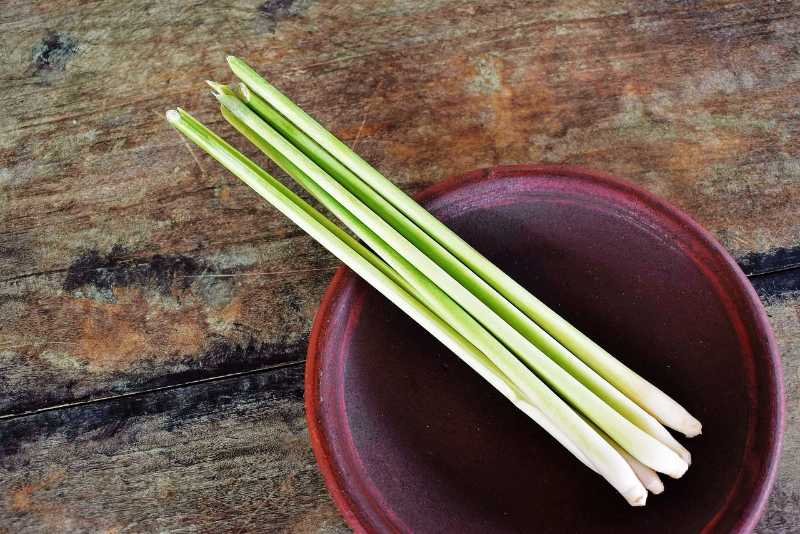
Because of its citrusy aroma, lemongrass is easy to recognize in many dishes. Its flavor combines lemon, mild ginger, and a hint of earthiness. Native to tropical regions of Asia, especially Southeast Asia and India, it has long been used in both cooking and traditional medicine.
Lemongrass is a key ingredient in Thai dishes such as tom yum soup and green curry. It is also used in Vietnamese foods like pho and banh mi. Indonesian and Malaysian cooking uses it often, especially in dishes like satay and rendang.
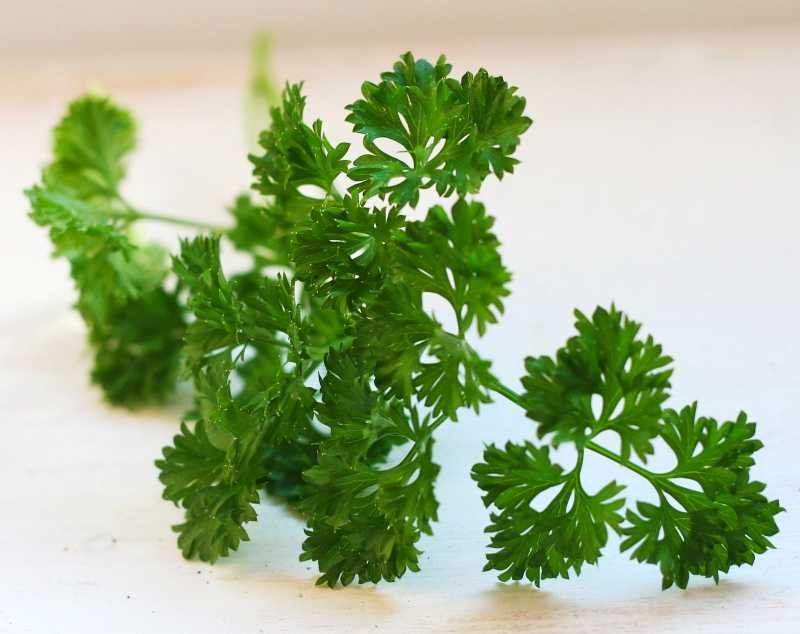
4. parsley
After centuries of use in the Mediterranean, parsley has become one of the most widely recognized herbs. Its flavor is mild and fresh, with a slightly peppery edge and hints of citrus. It has been used for over two thousand years, dating back to ancient Greece and Rome, and belongs to the Apiaceae family.
In Mediterranean cuisine, parsley is a main ingredient in tabbouleh. Italian dishes use it in gremolata and as a garnish for pasta and soups. In French cooking, it is included in bouquet garni, which flavors stocks and stews. It is also commonly used as a garnish, adding a bit of color to otherwise dreary plates.
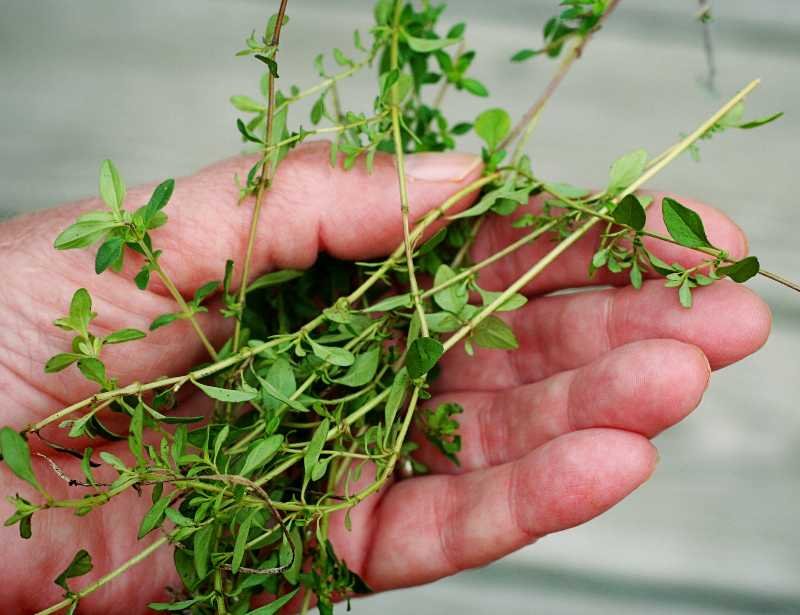
5. thyme
Although small in size, thyme carries a strong flavor that is earthy, slightly minty, and touched with hints of lemon. As part of the mint family, Lamiaceae, it is known for its aromatic leaves.
Thyme is often used when roasting vegetables, grilling meats, and preparing stews. French cuisine includes it in the so-called herbes de Provence, which is used in dishes like ratatouille and grilled fish. In the United States, thyme is commonly used to season poultry, stuffing, and sauces. It also appears in Middle Eastern and North African dishes such as shawarma and tagine.
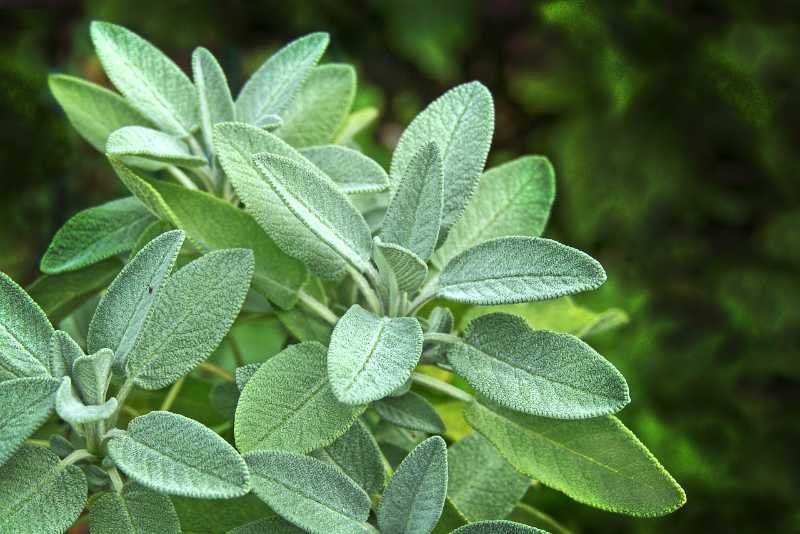
6. sage
Sage has a strong, earthy flavor with savory, slightly peppery notes and hints of citrus and pine. It has also been associated historically with wisdom and longevity.
In Italian cooking, sage is often used in dishes like saltimbocca and gnocchi with brown butter. It pairs especially well with poultry, making it a common ingredient in Thanksgiving stuffing in the U.S. French chefs use sage to season meats, including in dishes like coq au vin and roast pork.
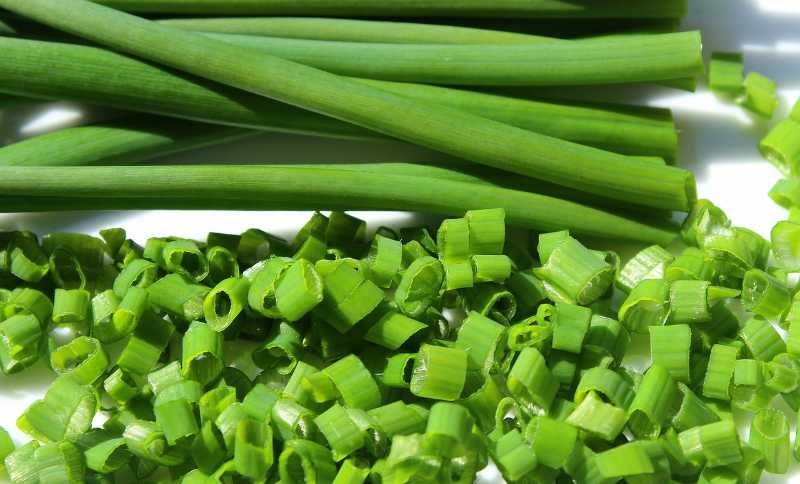
7. chives
Chives have a mild, delicate flavor that resembles a light version of onion with a hint of garlic. As part of the Alliaceae family, they are related to garlic, onions, and leeks.
Fines herbes, a classic blend in French cuisine, includes chives and is used in omelets, quiches, and sauces. They are also commonly sprinkled over baked potatoes. Asian cooking uses chives in stir-fries and noodle dishes. They also appear in dips, such as sour cream and chive dip.
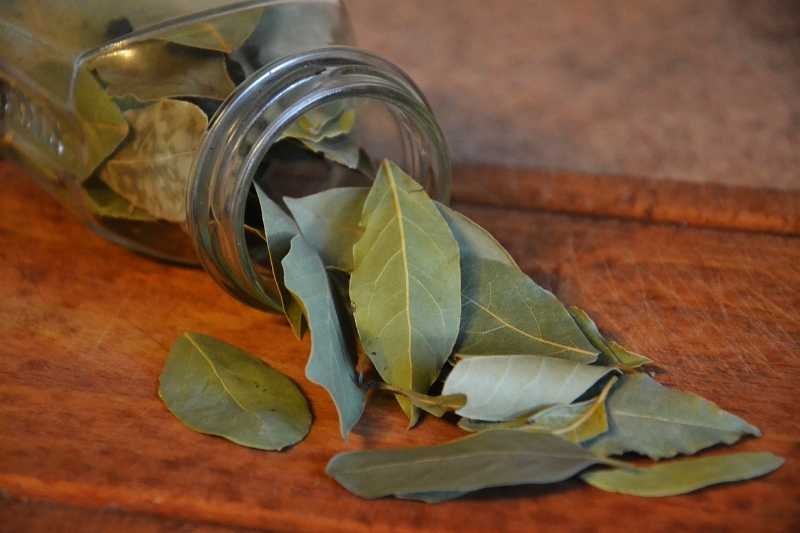
8. bay leaf
While they are not usually eaten on their own, bay leaves play an important role in many dishes. Their flavor is subtle, with earthy, floral, and slightly woody notes. They come from the Mediterranean and are derived from the laurel tree.
In many cuisines, bay leaves are added to slow-cooked dishes such as soups, stews, and braised meats. Italian recipes like spaghetti sauce and minestrone often include them. In Indian cooking, they are used in spice blends like garam masala and in rice dishes such as biryani. French cuisine also uses bay leaves in sauces like bechamel and veloute.
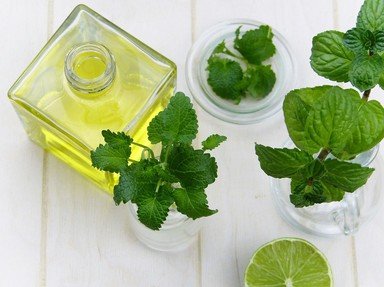
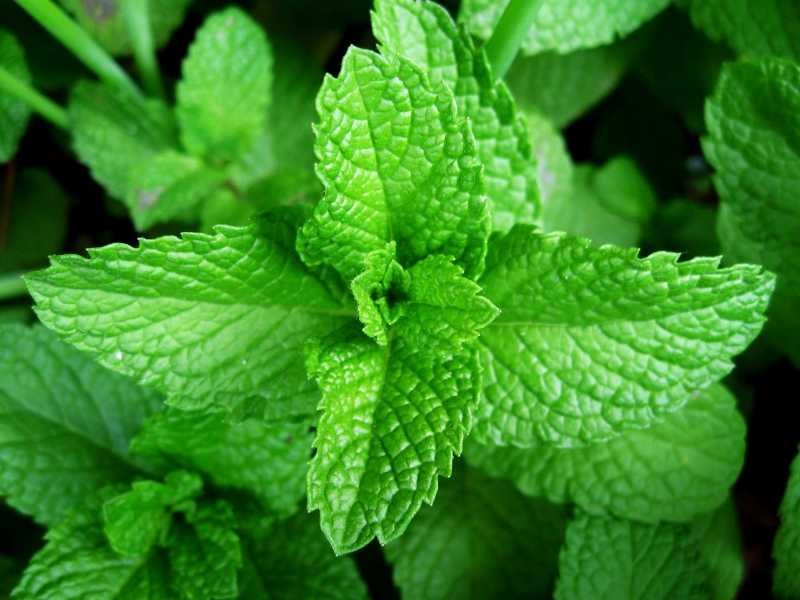
9. mint
Mint has a cool, refreshing flavor with a slight sweetness and a mild peppery edge. It appears in Middle Eastern dishes like tabbouleh and lamb kebabs, while Thai cooking uses it in recipes such as green curry and spring rolls. Western cuisine often features mint in desserts like mint chocolate chip ice cream and as a garnish for drinks such as mojitos and mint juleps.
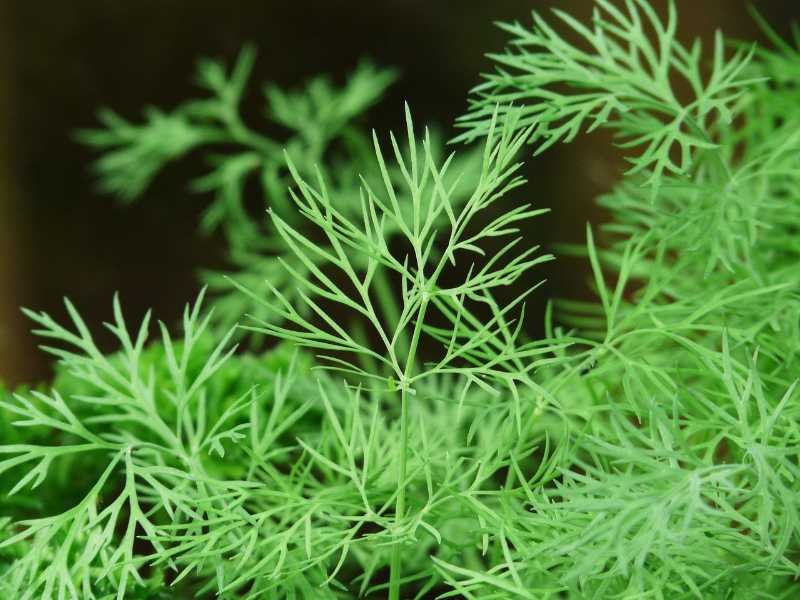
10. dill
With its fresh, tangy taste, dill adds a recognizable flavor to many dishes. It has a slight sweetness and a hint of licorice. In Scandinavian and Eastern European cooking, dill is commonly used in pickling. It also appears in sauces like tzatziki and in dishes like gravlax. You'll also often find it in fish dishes that feature salmon or trout.
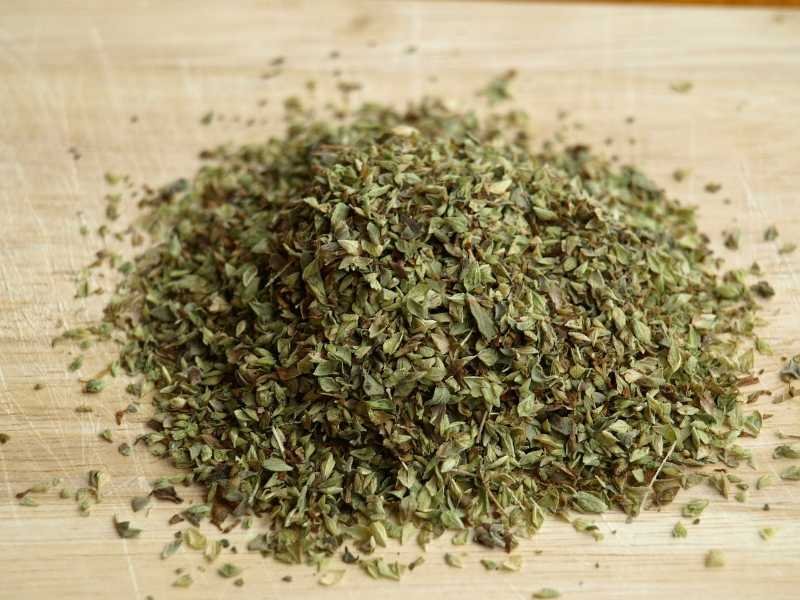
11. oregano
Oregano combines earthiness with slight peppery, citrus, and pine notes. It is native to the Mediterranean, especially the mountainous regions of Greece and Turkey, and is closely related to marjoram. Some cuisines that utilize oregano's earthy flavor include Mediterranean, Italian, and Mexican: grilled lamb and Greek salad for the first, tomato sauces, pizza, and pasta dishes for the second, and chili and tacos for the third.
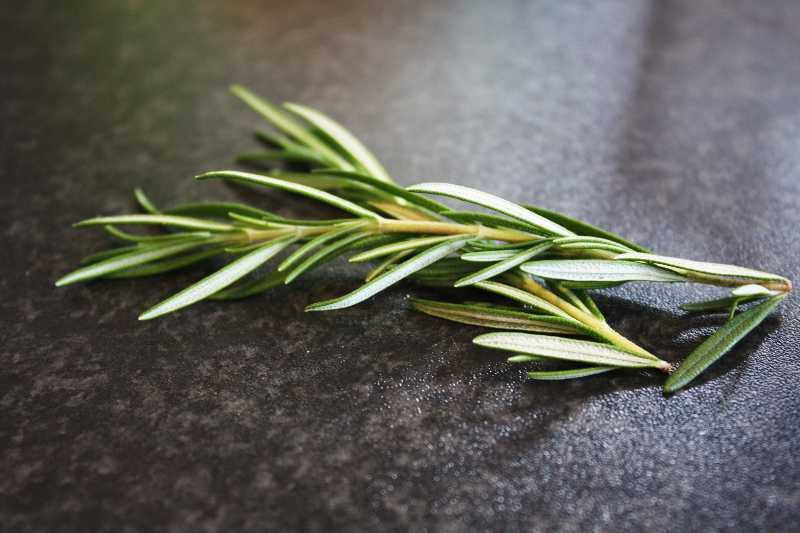
12. rosemary
Rosemary is woody and slightly peppery. In Mediterranean cooking, it is often paired with roasted lamb and potatoes. French cuisine includes it in herb blends like herbes de Provence and bouquet garni. It is also used to infuse olive oil and pairs well with poultry, making it a popular seasoning for chicken and turkey.
This quiz was reviewed by FunTrivia editor agony before going online.
Any errors found in FunTrivia content are routinely corrected through our feedback system.