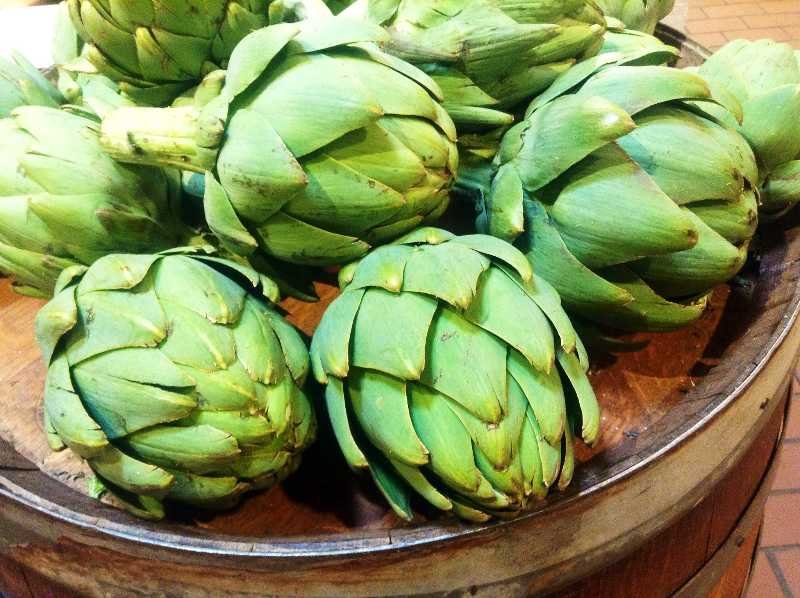
Artichokes have a flavor that blends nuttiness with a slight sweetness, along with a mild earthy note. They come from the Mediterranean region, where they have been cultivated for centuries, with roots tracing back to ancient Greek and Roman cultures.
In Mediterranean cooking, artichokes show up in dishes like artichoke heart salads, bruschetta topped with marinated artichokes, and creamy dips. The heart of the vegetable is especially valued and often added to pasta. In French cuisine, they are often cooked into quiches, while in Italian dishes they appear on pizzas or in risottos.
2. tomatillo
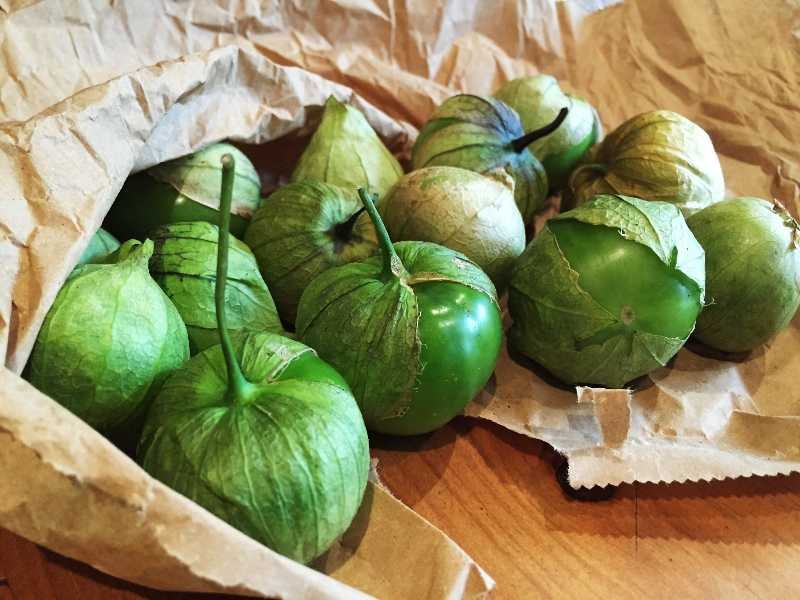
Tomatillos are technically fruits, though they are usually treated like vegetables in cooking. Their taste is tart with a slightly citrusy edge. Native to Mexico, they have been cultivated since ancient Mesoamerican times.
One of their most common uses is in Mexican cuisine, especially in salsa verde, where they are blended with ingredients like chili peppers and cilantro. This sauce is widely used with tacos, enchiladas, and tamales. Tomatillos also play a role in stews such as chile verde, where meat is simmered in a tangy sauce. Outside of traditional Mexican dishes, they appear in fusion and Southwestern cooking, often used in sauces for grilled meats or burritos. They can also be sliced raw into salads or pickled.
3. kohlrabi
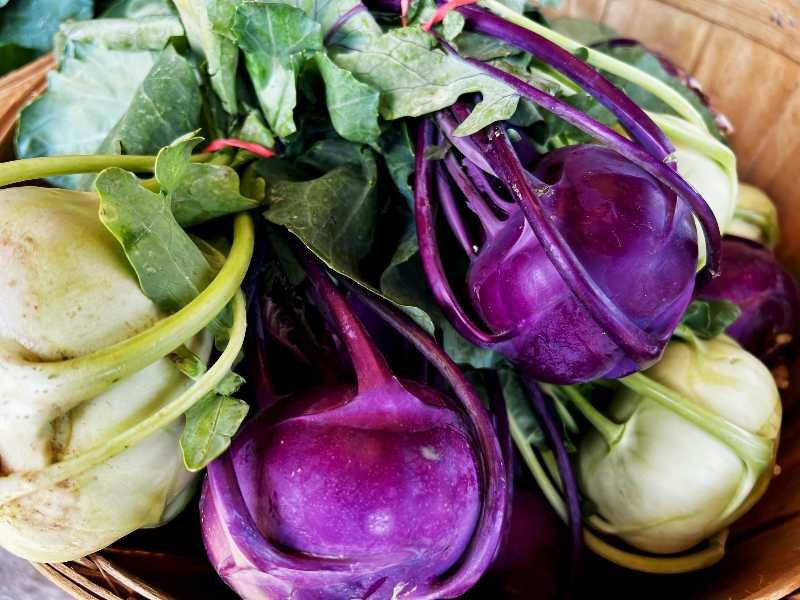
Kohlrabi has a flavor that falls somewhere between mild cabbage and a light radish bite, giving it a crisp and slightly peppery quality. It originated in Europe and has been part of traditional diets there for centuries.
Raw kohlrabi is often cut into thin strips and added to salads or eaten on its own as a crunchy snack. When cooked, it softens and becomes slightly sweet, making it a good addition to stir-fries and stews. It can also be mashed or pureed into a smooth side dish, or roasted as an alternative to more common root vegetables. Because of its mild taste, it fits easily into a wide range of cuisines, from Asian dishes to Mediterranean-style meals.
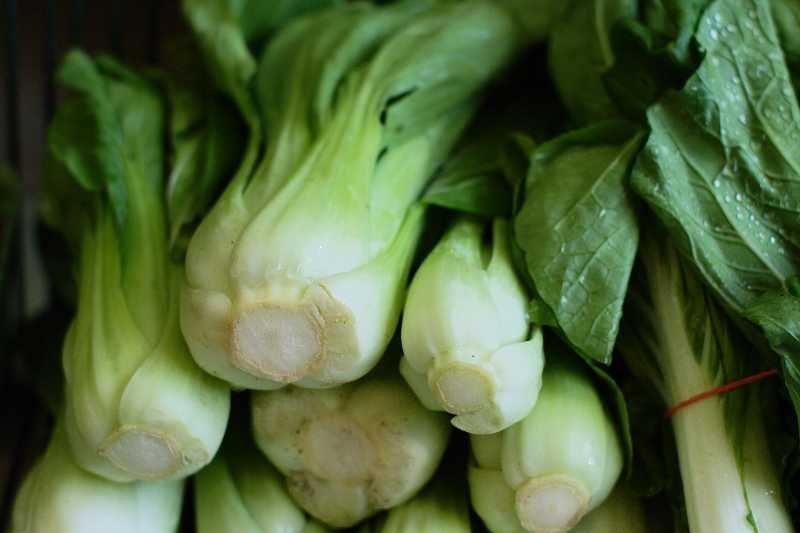
4. bok choy
Bok choy offers a mild flavor that combines elements of cabbage and spinach, along with a gentle sweetness and earthiness. It comes from China and has been used in cooking there for thousands of years. In Asian cuisine, it is often included in stir-fries, and it also works well in soups and noodle dishes.
The stems and leaves can be used raw in salads, and when eaten as a side dish, its subtle flavor also pairs easily with ingredients like soy sauce and garlic.
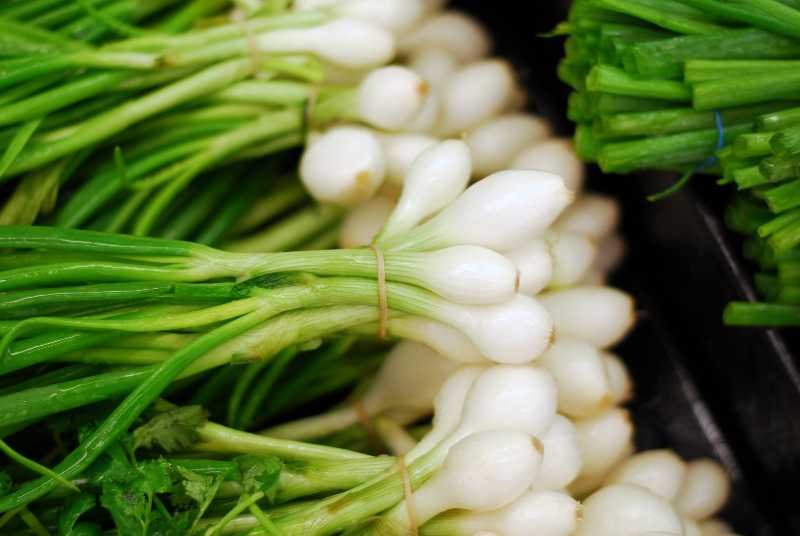
5. scallion
Scallions sit somewhere between onions and chives in terms of flavor, offering a light onion taste. They originated in Asia and have been used there for thousands of years before spreading globally.
They frequently appear in sushi and other Japanese dishes, as well as in Chinese dumplings and spring rolls. In Western cooking, scallions are used as a garnish for soups, salads, baked potatoes, and omelets. They also show up in salsas, relishes, marinades, and creamy dips.
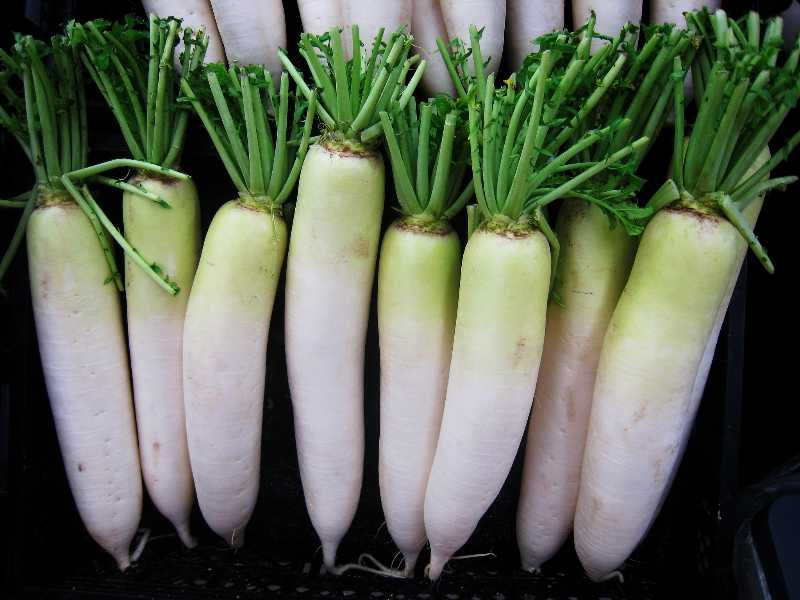
6. daikon
Daikon has a taste similar to a milder radish with a slight peppery edge, along with a refreshing crunch. It originated in parts of Asia, including China, Japan, and Korea, where it has been used for centuries.
In Japanese cuisine, it is often pickled into "takuan," which provides a sharp contrast to richer dishes like sushi. It is also used in soups and stews, where it absorbs the surrounding flavors while keeping its texture. In Korean cuisine, daikon appears in dishes like kimchi and in various other banchan (Korean side dishes).
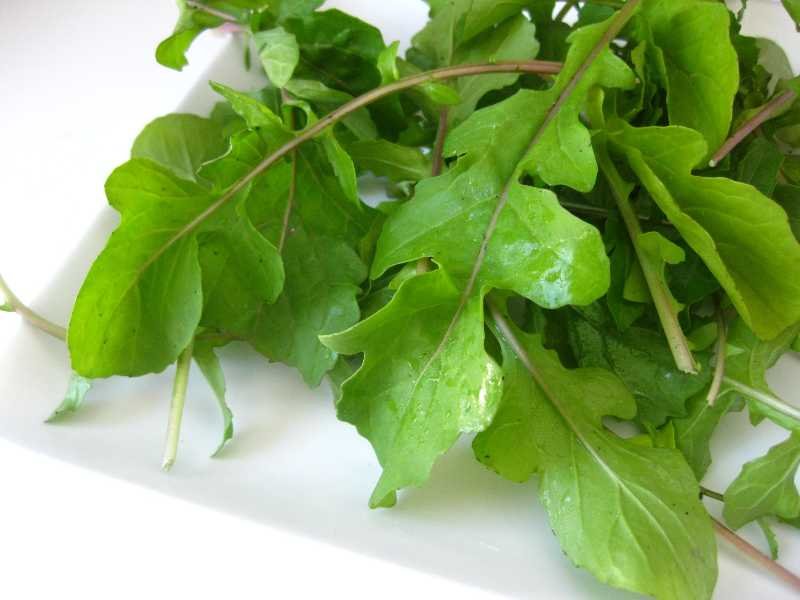
7. arugula
Arugula is a leafy green with a peppery, slightly bitter taste that adds a fresh note to dishes. It comes from the Mediterranean region. Most often, it is added to salads, but it is also used on pizza and in pasta dishes to balance heavier sauces and cheeses.
It can be cooked as well, wilting down when added to hot dishes. Arugula also works as a base for other ingredients or as a topping for sandwiches and wraps.
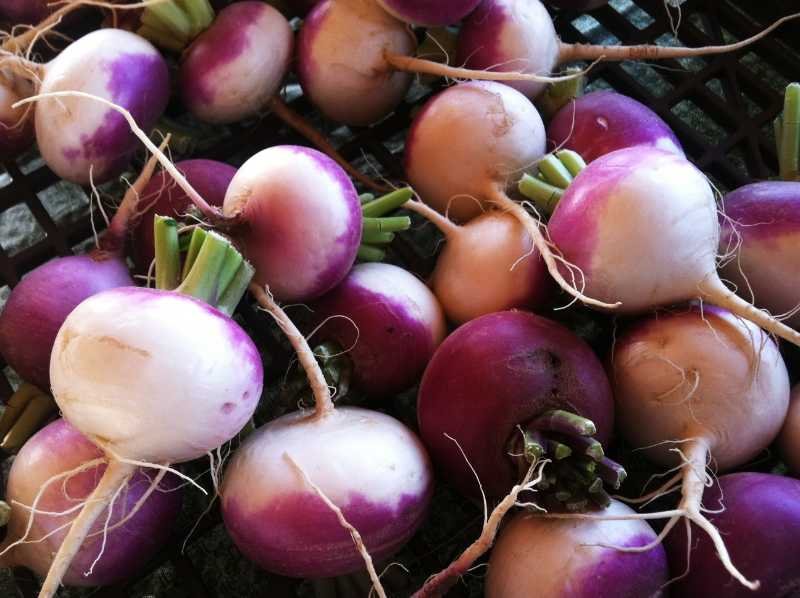
8. turnip
The flavor of turnips changes as they mature. When they are young, they are usually mildly sweet, but as they age, they take on a more peppery and earthy taste. In the kitchen, they are often mashed into a simple side dish, though they can also be pickled for a sharper, tangy option. Roasting or sauteing brings out their natural sweetness, which pairs well with meats and other vegetables.
The greens from younger turnips are used as well, whether in salads or cooked on their own as a side.
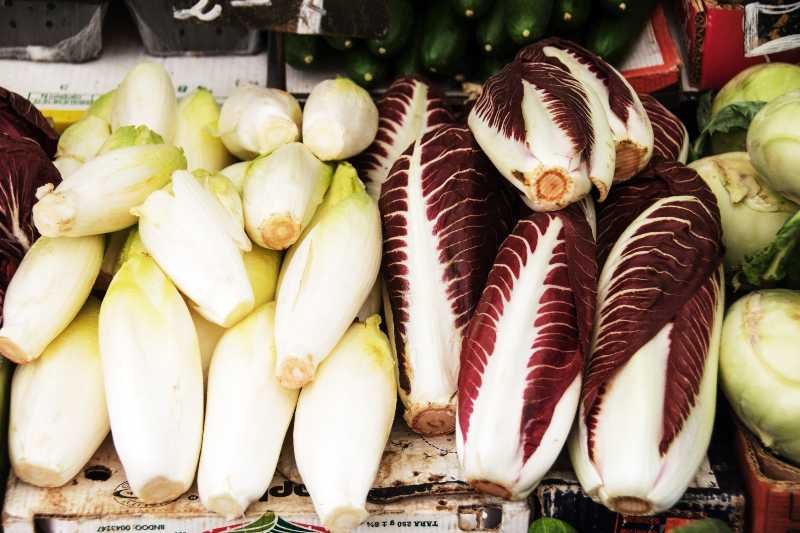
9. endive
Belgian endive (the kind shown in the image) has a flavor that balances mild bitterness with a touch of sweetness. It originated in Belgium in the 19th century, after being accidentally discovered growing in a dark cellar. Since then, it has become a staple in European cuisine.
Its crisp leaves are eaten raw in salads and can also be used as a base for appetizers, filled with ingredients like cheese, nuts, or seafood. When cooked, endive changes character, becoming softer and developing caramelized flavors that reduce its bitterness.
Its shape also makes it useful as a scoop or wrap for different fillings.
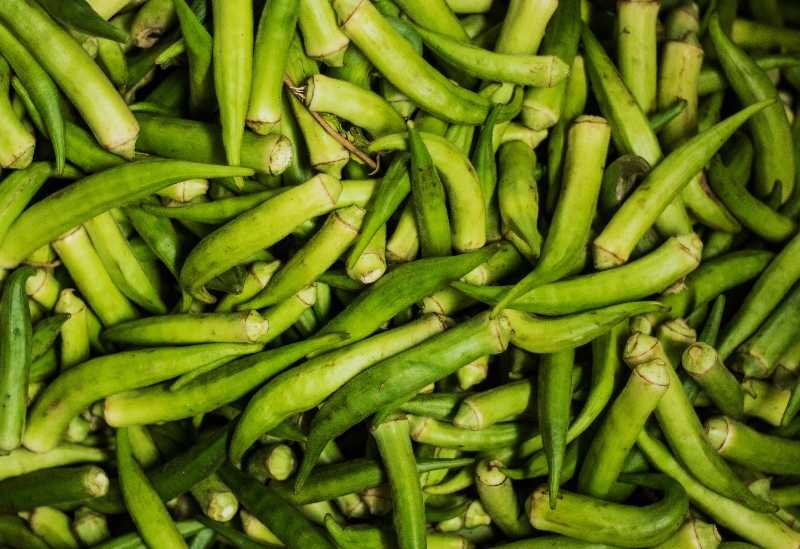
10. okra
Originally from Africa, okra later spread to many other regions. Its flavor is mild with a slight earthiness and a hint of sweetness, and its texture can vary from tender to somewhat chewy. In Southern United States cooking, it often appears in gumbo, where it helps thicken the stew, and it is also commonly fried for a crisp finish. Middle Eastern and Mediterranean dishes use okra in recipes like bamia, where it is cooked with tomatoes and served over rice. Beyond cooked dishes, okra can be pickled or served raw in salads.
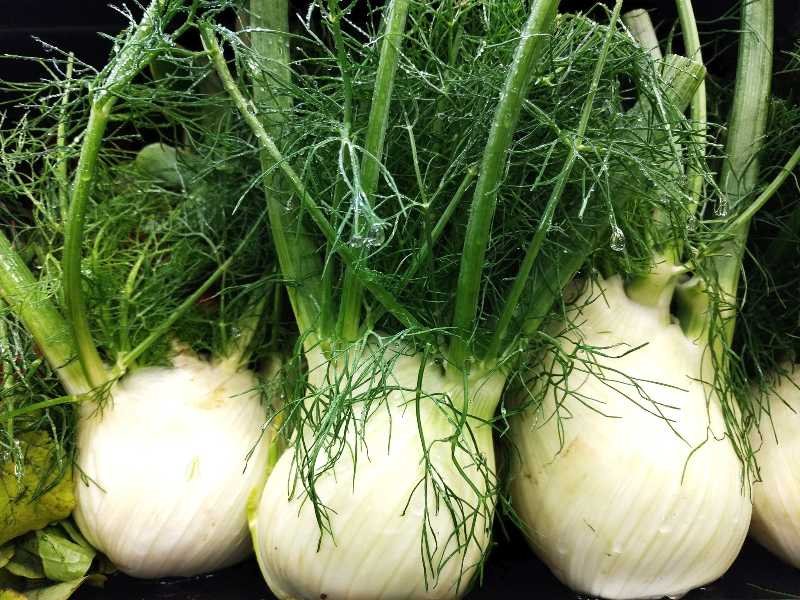
11. fennel
Fennel has a mild, licorice-like flavor with subtle herbal notes that give it a fresh, slightly sweet taste. In Italian cuisine, cooks often slice it thin and add it to salads. It also appears in dishes like ratatouille, where it adds another layer of flavor to the mix of vegetables.
The bulb can be roasted or sauteed as well, which brings out more of its natural sweetness. Fennel seeds are widely used as a spice in sausages, curries, and breads, while the fronds are often used as a garnish and add color and a light, aromatic touch.
12. shallot
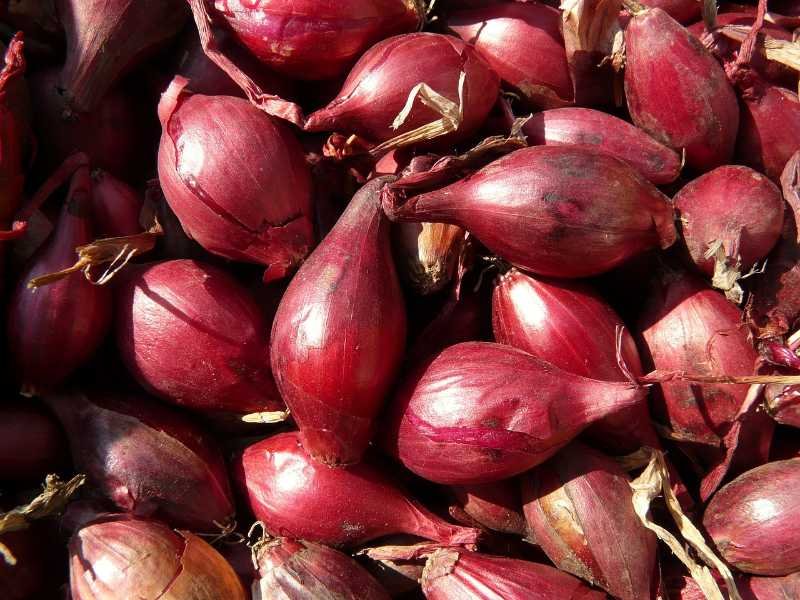
Shallots offer a more delicate flavor than onions, with a hint of garlic mixed in. In French cuisine, they are used in sauces and dressings and are also commonly sauteed or caramelized, where they develop a rich, slightly sweet flavor. They appear in dishes like risottos, quiches, and roasted meats.
In Asian cooking, shallots are used in stir-fries, curries, marinades, and noodle dishes. They are also frequently minced and used as a base for soups, stews, gravies, and dipping sauces.
This quiz was reviewed by FunTrivia editor Bruyere before going online.
Any errors found in FunTrivia content are routinely corrected through our feedback system.