FREE! Click here to Join FunTrivia. Thousands of games, quizzes, and lots more!
Still-Life Sandwiches Trivia Quiz
Match the Sandwiches
A multitude of ingredients layered deliciously between pieces of bread. The sandwich is an incredible culinary invention, and here we celebrate twelve of the world's most famous. (Click the images for a closer look!)
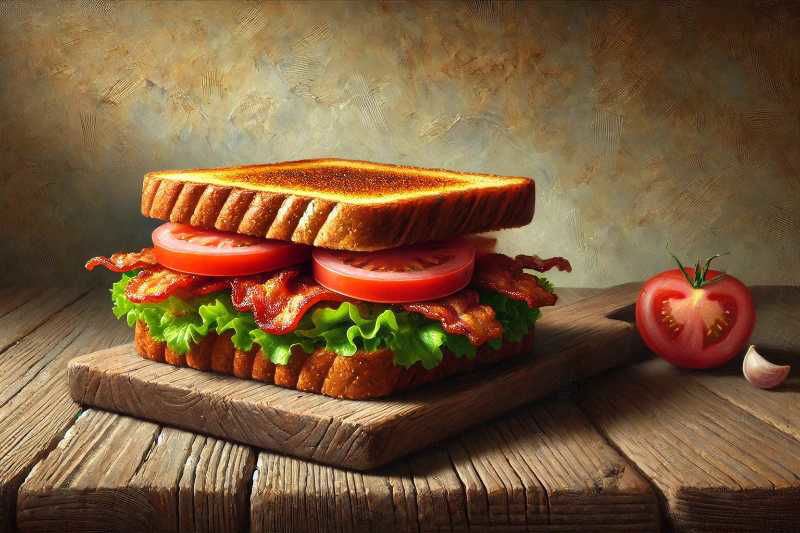
The BLT, short for bacon, lettuce, and tomato, took off in the United States after World War II, when bacon became more widely available in supermarkets. At its core, it is straightforward: crisp bacon layered with fresh lettuce and sliced tomatoes on toasted bread, usually finished with mayonnaise or butter. Variations show up quickly once you start looking. Add avocado and it becomes a BLAT; stack in turkey and it starts to resemble a club sandwich.
2. banh mi
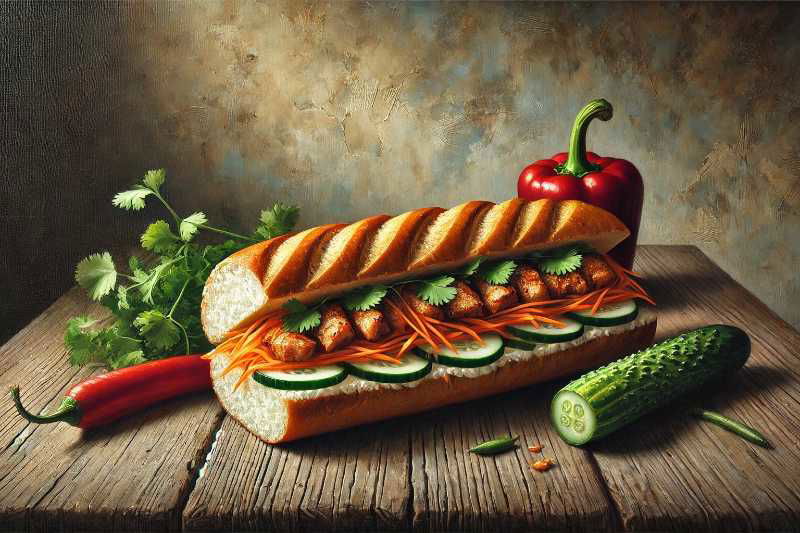
In Vietnam, the banh mi reflects a blend of colonial influence and local adaptation: French baguettes paired with Vietnamese fillings. A typical version includes marinated pork, pâté, pickled carrots and daikon, cucumber, cilantro, and chili peppers. That balance creates in one bite a rich, acidic, fresh, and spicy combination.
Some vendors swap in grilled chicken, tofu, or beef for the protein, while others might add fried eggs.
3. croque monsieur
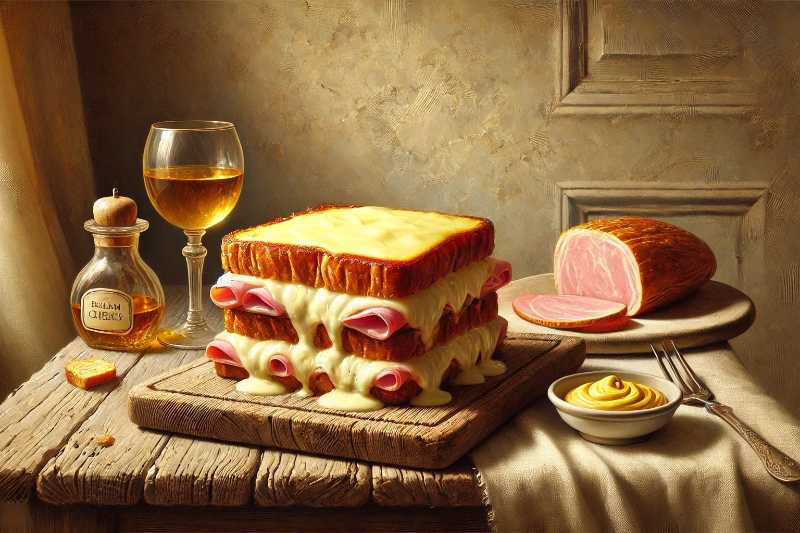
Parisian cafés in the early 20th century introduced the croque monsieur, a sandwich built around indulgence rather than restraint. Ham and Gruyère sit between slices of bread, which are then grilled or baked until the cheese melts and the edges crisp. In many versions, béchamel sauce coats the top. A fried or poached egg turns the sandwich into a croque madame.
4. po' boy
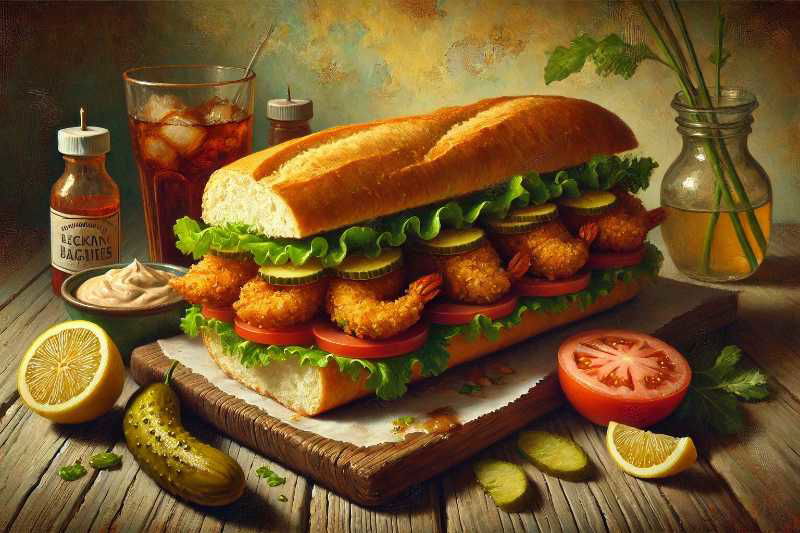
The po' boy traces back to a New Orleans streetcar strike in the late 1920s. Local restaurant owners handed out sandwiches to the strikers, calling them "poor boys," and the name stuck. Built on French bread with a crisp crust, the sandwich often features fried shrimp, oysters, or catfish, as well as lettuce, tomatoes, pickles, and mayonnaise.
Some versions lean away from seafood and use roast beef or hot sausage instead.
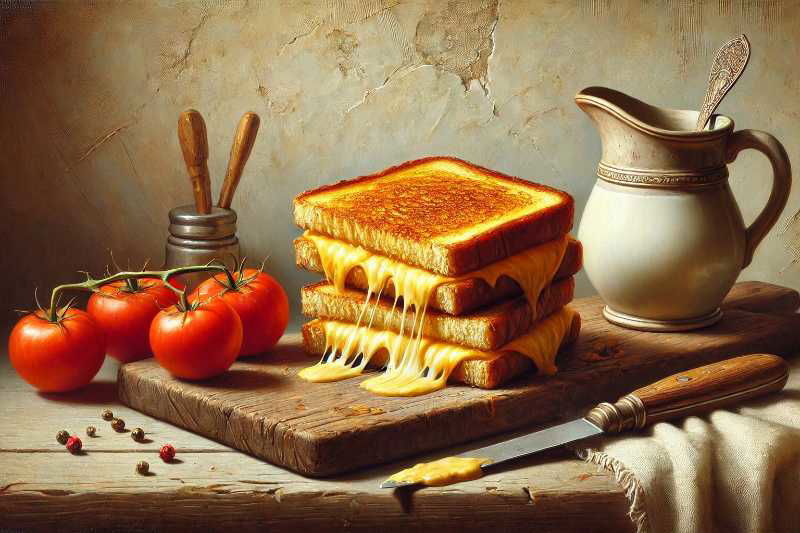
5. grilled cheese
A product of early 20th-century food manufacturing, the grilled cheese sandwich relies on two developments: sliced bread and processed cheese. By the 1920s, both were inexpensive and widely available in the United States. The method is simple but precise. Bread, buttered on the outside, cooks on a griddle until golden, while the cheese inside melts into a uniform layer.
Many people add extras such as tomato slices, bacon, or avocado, and it often appears alongside a bowl of tomato soup.
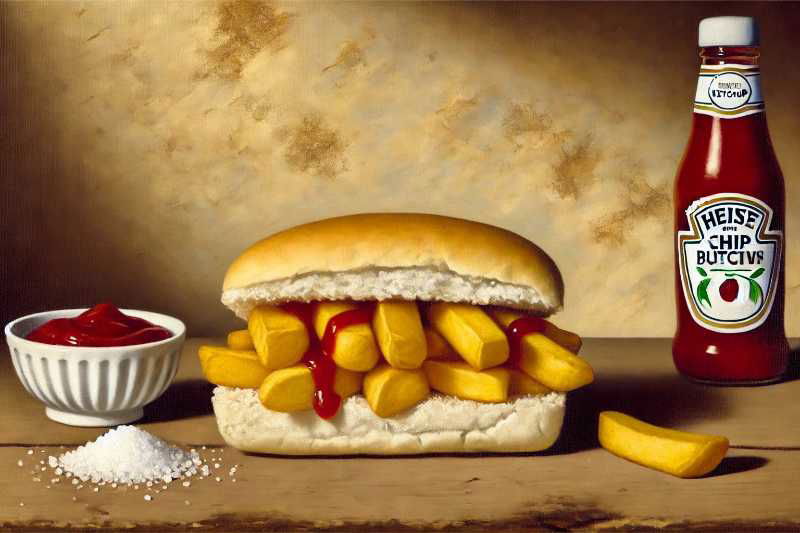
6. chip butty
In Northern England, the chip butty comes from working-class communities. Thick-cut fries, called chips, are placed inside buttered white bread or a soft roll. The sandwich is dense and filling. Common condiments include ketchup, mayonnaise, or malt vinegar. Some versions add cheese, bacon, or sausage, but the basic combination stays the same.
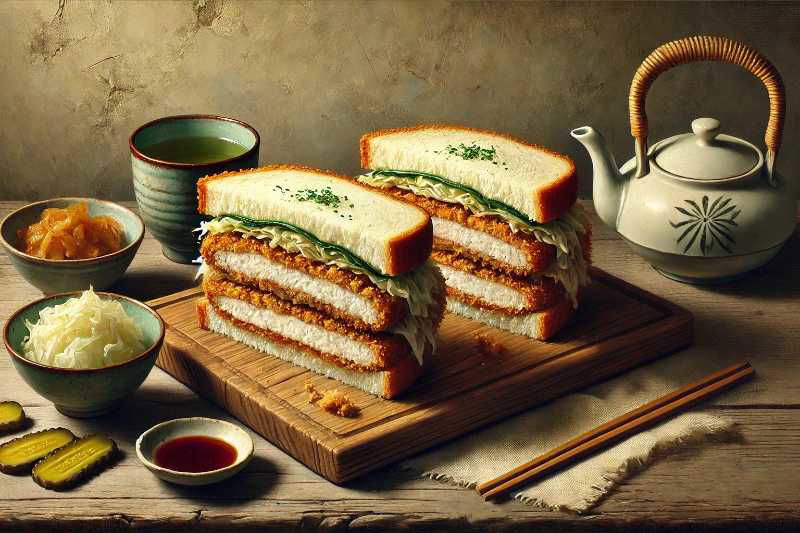
7. katsu sando
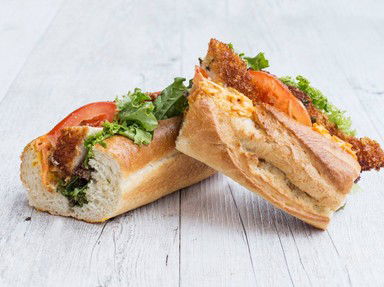
The katsu sando is a Japanese sandwich built around a breaded pork cutlet. The cutlet is fried until crisp, then placed between slices of soft white bread, often with the crusts removed. The pork is typically accompanied by a layer of shredded cabbage and a drizzle of tangy tonkatsu sauce, similar to Worcestershire sauce. Cutlets of beef, chicken, or fish are common substitutes.
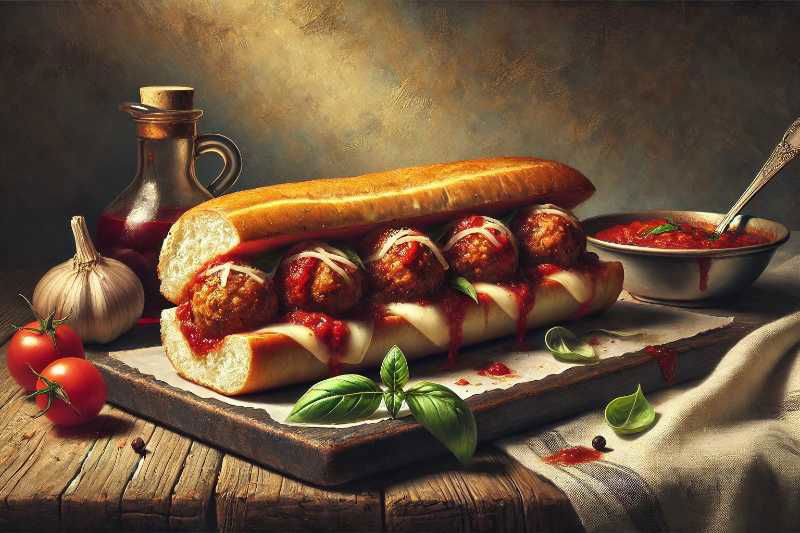
8. meatball sub
Italian-American communities in the United States produced the meatball sub, a sandwich built around its hearty filling. Meatballs, usually made from seasoned ground beef, simmer in tomato sauce before being placed into a long roll. Melted mozzarella or provolone covers the top, and the sandwich often includes extra sauce, cooked peppers, or onions. Some versions add basil or pesto.
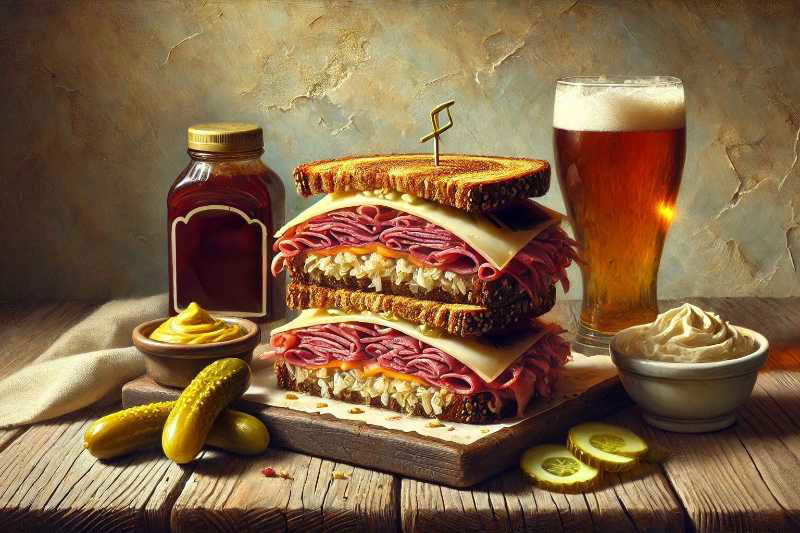
9. Reuben
The Reuben carries a disputed origin story, with claims tied to both Omaha and New York City in the early 20th century. Regardless of its exact birthplace, the main ingredients are consistent. Rye bread holds corned beef, Swiss cheese, sauerkraut, and either Russian or Thousand Island dressing.
The sandwich can be grilled until the bread crisps and the cheese melts. Variants such as the Rachel swap in turkey or pastrami and replace the sauerkraut with coleslaw.
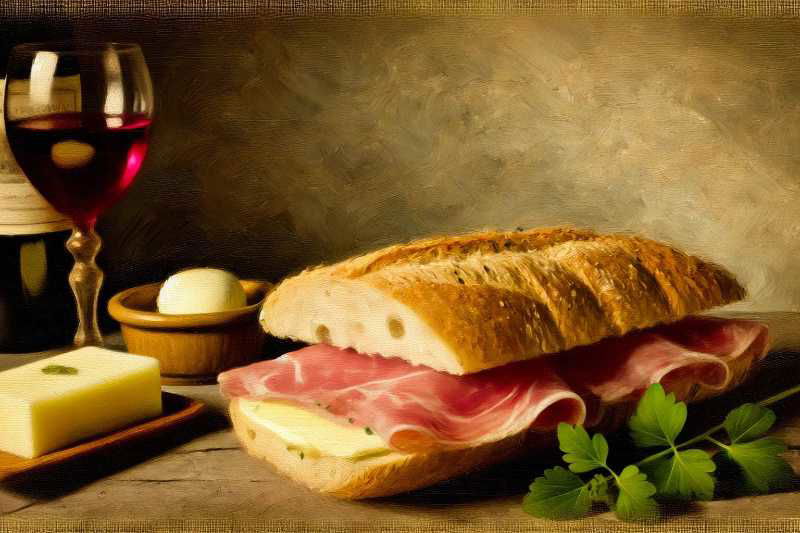
10. jambon-beurre
In France, the jambon-beurre emphasizes restraint. A baguette, sliced open, is spread with butter and filled with thin slices of ham, with jambon de Paris being a required component for some cafes. Some versions include cornichons for acidity or a touch of Dijon mustard, though purists tend to keep it simple.
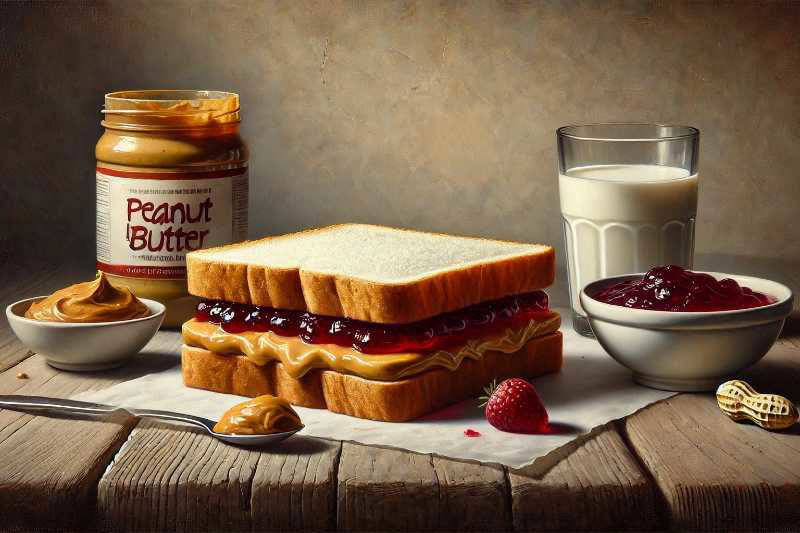
11. PB&J
The PB&J, short for peanut butter and jelly, became common in the United States in the early 20th century. Peanut butter had become inexpensive and widely available, and the jelly added sweetness, and so a classic was born.
The sandwich uses two slices of bread, one spread with peanut butter and the other with jelly. White, whole wheat, or multigrain are common bread choices, and grape or strawberry jelly are the most common flavors.
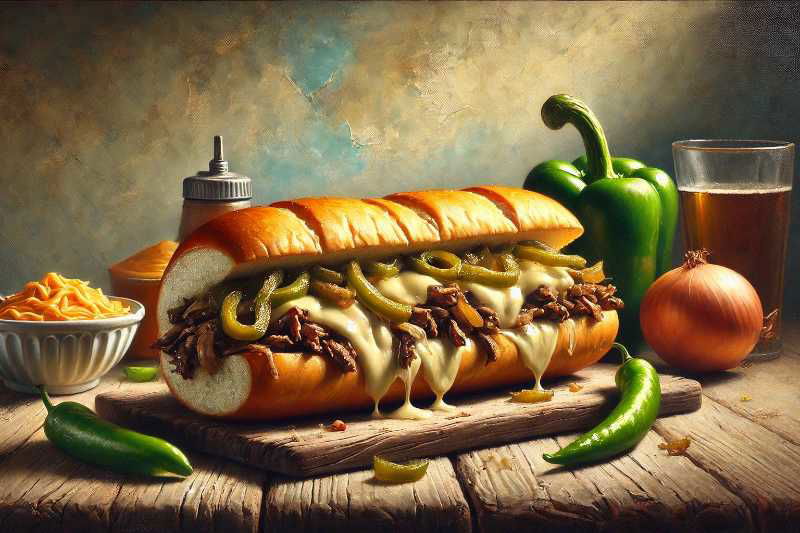
12. Philly cheesesteak
Philadelphia in the 1930s saw the emergence of the cheesesteak, credited to Pat Olivieri, a hot dog vendor who decided to grill beef and place it in a roll. Thinly sliced ribeye is cooked on a flat-top grill, then gets topped with melted cheese, often Cheez Whiz, provolone, or American. The sandwich is served in a long hoagie roll, and some chefs add sautéed onions and jalapenos.
This quiz was reviewed by FunTrivia editor jmorrow before going online.
Any errors found in FunTrivia content are routinely corrected through our feedback system.