FREE! Click here to Join FunTrivia. Thousands of games, quizzes, and lots more!
World Confections Trivia Quiz
Sweets Around the World
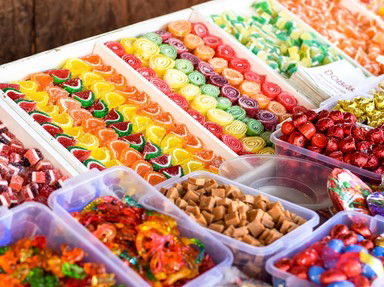
One commonality between us humans, no matter the country, is that we can't get enough sugar. Match these twelve different sweets from around the world to their correct photos. (Click the images for a closer look!)
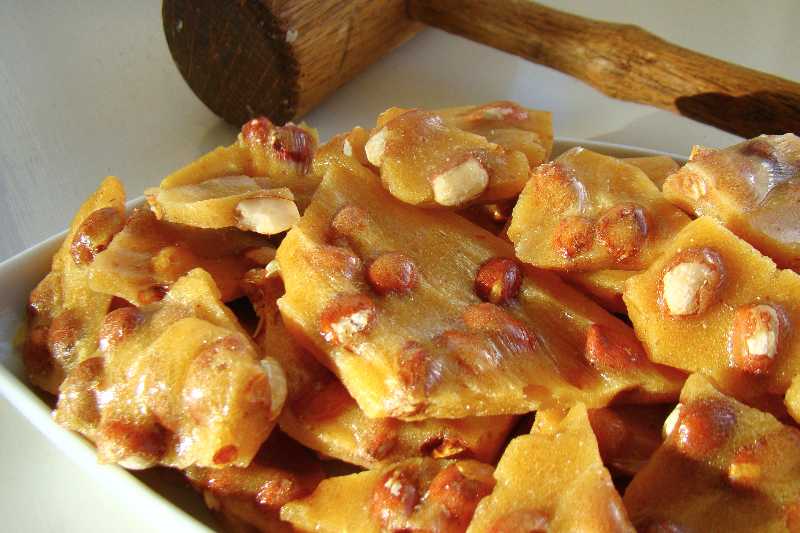
Brittle is a hard, crunchy candy made by cooking sugar until it caramelizes and then mixing in nuts or seeds before letting it cool and harden. Peanut brittle is the most common variety eaten in the United States. Many countries have their own versions of brittle, such as in India, where a candy called chikki is made by combining roasted peanuts or sesame seeds with melted jaggery (a type of unrefined sugar).
2. mooncake
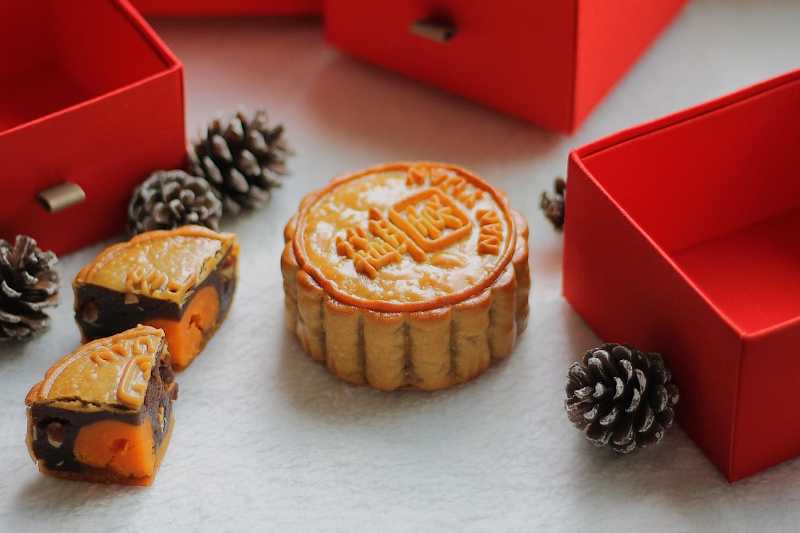
Mooncakes are a traditional Chinese pastry closely associated with the Mid-Autumn Festival, a celebration that dates back more than a thousand years. They symbolize the full moon and family reunion. Numerous fillings can be used, including lotus seed paste, red bean paste, or mixed nuts, and sometimes they contain a salted duck egg yolk in the center.
The filling is wrapped in dough, placed in a carved mold, and baked until golden brown. They are then cut into small wedges and served with tea during the festival.
3. Turkish delight
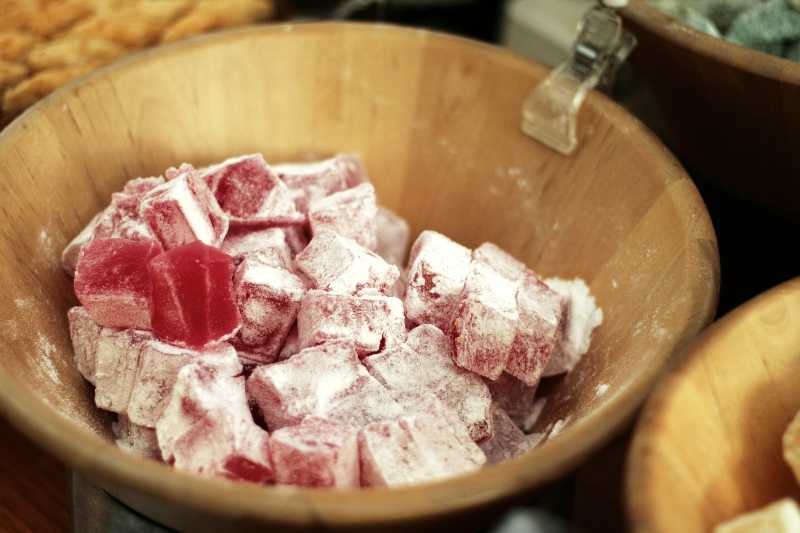
Turkish delight originated in the Ottoman Empire several centuries ago and is made by cooking sugar and water with starch until the mixture thickens into a gel. It is then flavored and allowed to set before being cut into small cubes. One common flavoring is rosewater, which is made by steeping rose petals in water and then adding it to the mixture. Turkish delight is also often flavored with pistachios, walnuts, lemon, or orange, though pretty much any flavor can be added to it.
After the gel sets, the candy is usually dusted with powdered sugar or starch to prevent it from sticking.
4. daifuku
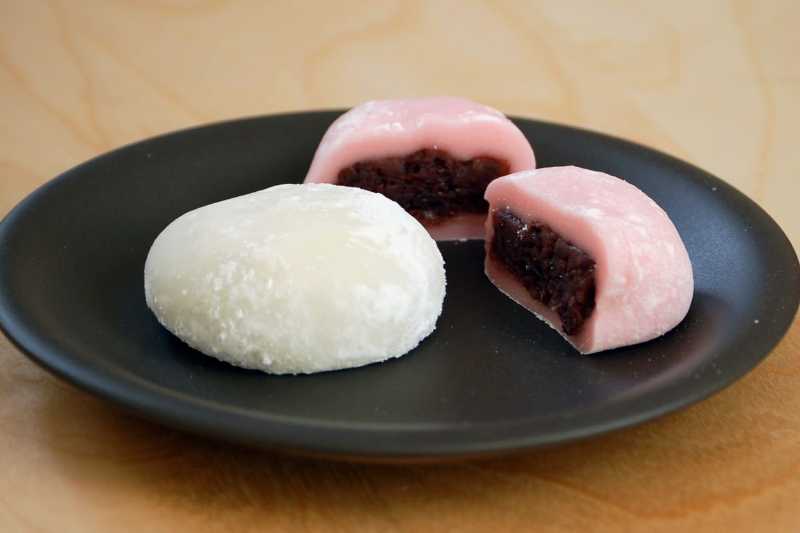
Daifuku is a traditional Japanese sweet made with soft mochi (pounded glutinous rice dough) and filled. It was first developed in Japan several centuries ago and is now commonly seen in Japanese confectionery shops. It has a soft, chewy texture and a mildly sweet taste.
The stretchy mochi dough is wrapped around fillings such as sweetened red beans, strawberries, or cream, then dusted with powdered sugar. A more modern take on this sweet snack is mochi ice cream, in which a thin layer of mochi dough is wrapped around a small scoop of (usually vanilla) ice cream.
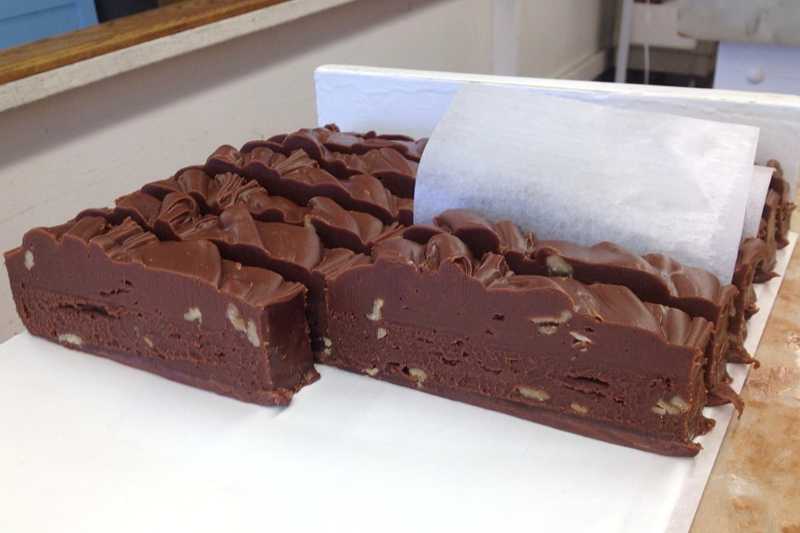
5. fudge
Fudge likely originated in the late 1800s in the U.S., when the chef, who was trying to make caramel, accidentally "fudged," or made it incorrectly, creating a smoother, softer texture. You heat sugar, butter, and cream until the mixture thickens, then beat it as it cools so that small sugar crystals form. Chocolate is the most common flavor, but some others include fruit, maple, and mint. Nuts, marshmallows, and other whole ingredients are often added into the fudge mixture when cooking. Fudge became popular in the United States in the early 20th century, especially in tourist towns and college communities, where it was made in large batches and sold as a homemade treat.
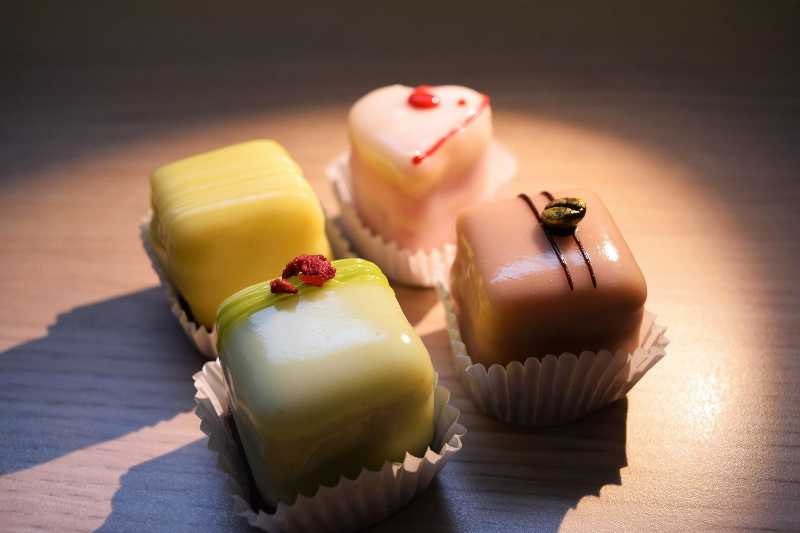
6. petit four
A petit four is a small French pastry that is usually bite-sized. The name comes from the French words "petit four," meaning "small oven." The term originally referred to pastries baked in a cooling oven after the main baking was finished, when the heat was lower.
Instead of wasting the heat, the lower temperature was used for baking smaller, delicate sweets that would easily burn in a hotter oven.
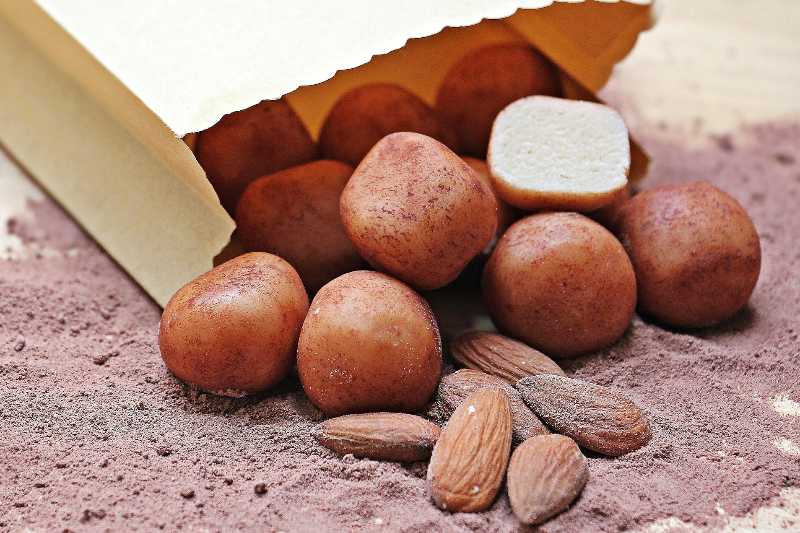
7. marzipan
Marzipan is made primarily from ground almonds and sugar, and is popular in Germany, Spain, and Italy. It is made by grinding almonds into a fine paste and mixing them with sugar or honey. It can then be rolled into pretty much any shape imaginable, with some of the most common being fruits or animals. Among these shapes are German "Marzipankartoffeln," small balls of marzipan rolled in cocoa powder to resemble tiny potatoes.
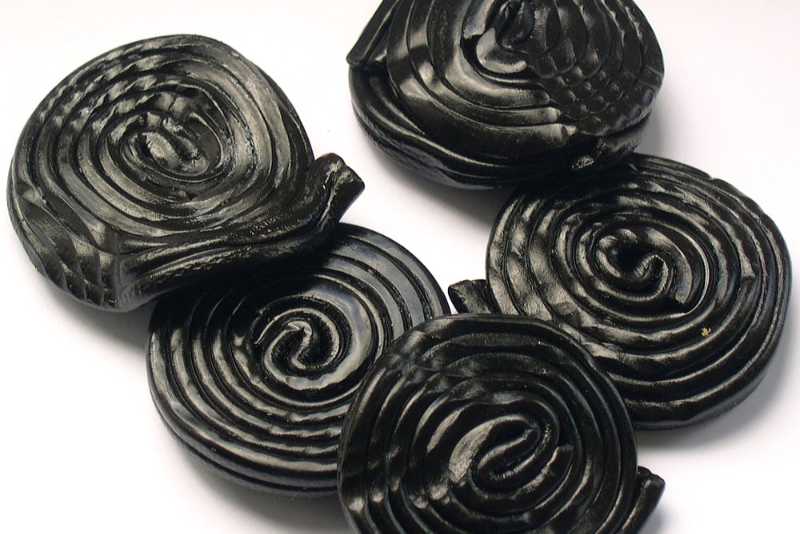
8. liquorice
Liquorice candy (seen in a rope version here) is flavored with the root of the liquorice plant. The root itself is sweet and slightly bitter, somewhat similar to anise. One common variety seen in British candy stores is liquorice allsorts, a colorful assortment of differently-shaped bits that combines liquorice with layers of coconut, fondant, or jelly.
9. dalgona
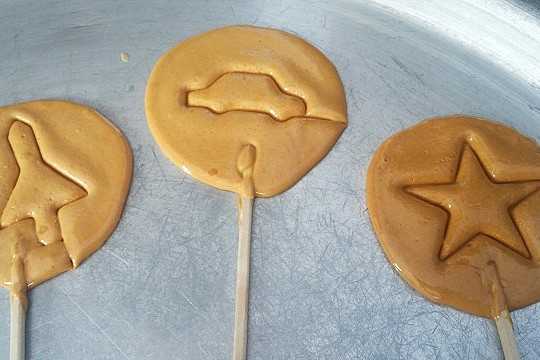
Dalgona is a Korean street candy made from melted sugar mixed with a small amount of baking soda. The sugar is heated until it melts and turns golden, then the baking soda is stirred in before the mixture is poured onto a flat surface and pressed thin. Vendors often stamp simple shapes such as stars or circles into the candy. Dalgona became famous internationally because of the TV show "Squid Game," in which contestants had to carefully cut out a stamped shape (such as an umbrella) without breaking the candy.
10. brigadeiro
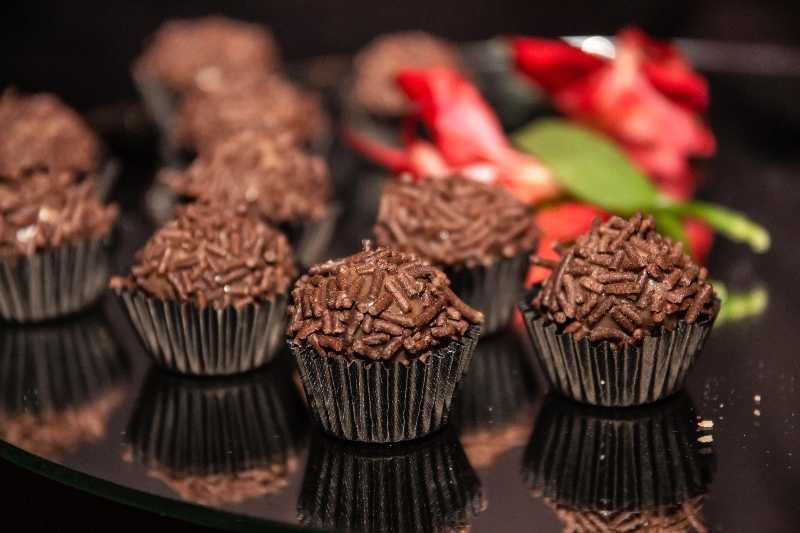
Brigadeiros are a Brazilian sweet commonly served at birthday parties and other celebrations. They are named after Brigadeiro Eduardo Gomes, a Brazilian air force officer and political candidate whose supporters sold the candy to raise funds for his campaign in the 1940s.
They are made by cooking sweetened condensed milk, cocoa powder, and butter together in a saucepan until the mixture thickens. After cooling slightly, the mixture is rolled into small balls and coated in chocolate sprinkles. Shredded coconut or crushed nuts are sometimes used.
11. taffy
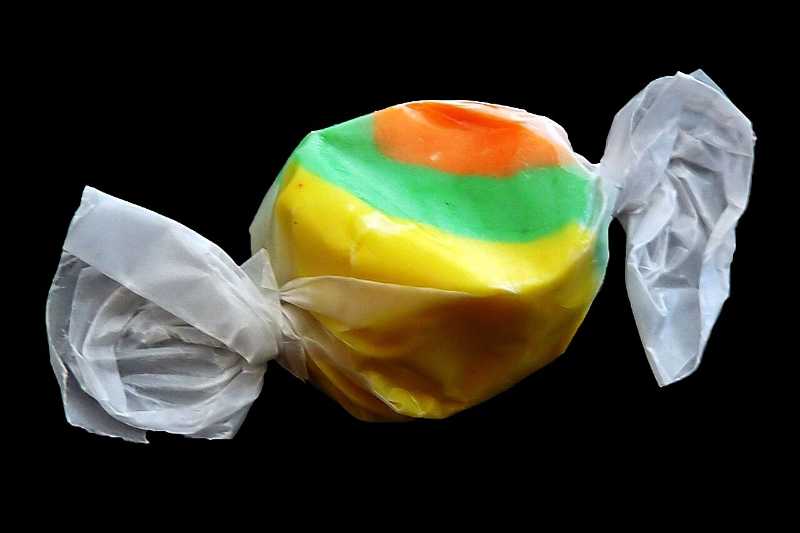
Taffy (particularly salt water taffy) became popular in the United States in the late 1800s in seaside towns along the Atlantic coast. The name likely came from a joke made by a candy shop owner after a storm flooded his store with seawater, covering the candy.
Despite the name, salt water taffy is not made with seawater (though the individual ingredients of salt and water can be used in its production).
12. gumdrops
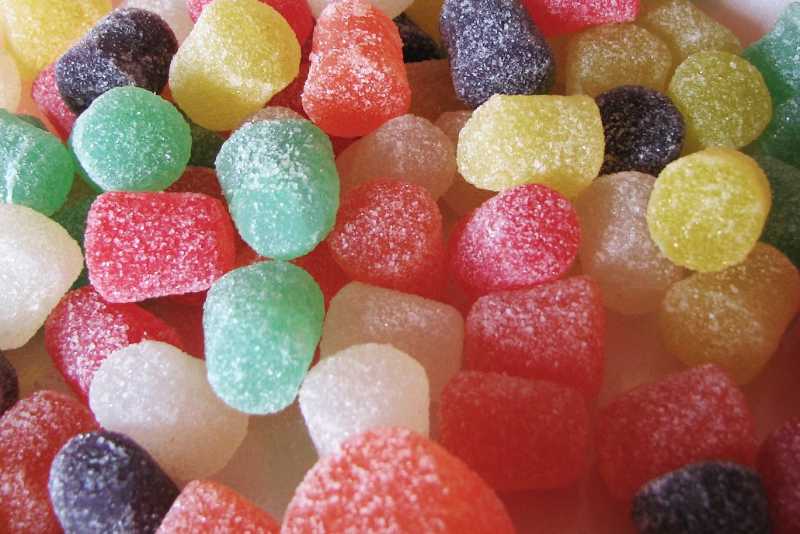
Gumdrops have been popular in the United States since the 1800s. They are made by cooking sugar, corn syrup, and gelatin/pectin together then coated in sugar. Gumdrops are often used as decorations during Christmas time, especially on gingerbread houses or as buttons for gingerbread men. One other place they might be more commonly seen is at the movie theater.
This quiz was reviewed by FunTrivia editor Bruyere before going online.
Any errors found in FunTrivia content are routinely corrected through our feedback system.