FREE! Click here to Join FunTrivia. Thousands of games, quizzes, and lots more!
Olympus, LLC Trivia Quiz
Corporate Logos of the Greek Gods
The Greek gods and goddesses of Mount Olympus have joined the ranks of the corporate world, and each of them needs a new modernized logo. Search for symbols associated with each deity and match them up corrrectly. (Click the images for a closer look!)
Jun 12 2026
:
JOHNNYBOI1: 10/12
May 29 2026
:
PDAZ: 12/12
May 27 2026
:
BigTriviaDawg: 12/12
May 25 2026
:
DeepHistory: 12/12
May 21 2026
:
jondrussell: 12/12
May 21 2026
:
S4a4m4: 12/12
May 21 2026
:
Guest 198: 12/12
Quiz Answer Key and Fun Facts
1. Apollo
Apollo's symbols connect him with light, music, prophecy, healing, and beauty. The lyre points to his role as a god of music and poetry, and in myth the instrument came from Hermes, who made it from a tortoise shell before giving it to Apollo. The laurel wreath also belongs to him because of the story of Daphne, who was transformed into a laurel tree after fleeing Apollo's pursuit.
His bow and arrows show a more dangerous side: Apollo could protect, punish, or bring sudden plague and death. Swans, dolphins, and the raven also appear in stories and images connected with him.
2. Aphrodite
Aphrodite, the goddess of love, beauty, and desire, is often linked with the heart, the dove, the rose, and the scallop shell. The shell comes from her famous birth story, in which she emerges from sea foam and reaches the shore fully formed. Roses suggest beauty and passion, while myrtle was used in ancient marriage customs and became one of her sacred plants. Doves suggest the gentler side of Aphrodite, but her myths also show that love can cause jealousy, rivalry, and serious trouble for both gods and mortals.
3. Zeus
Zeus carries the lightning bolt because he rules the sky and can enforce his will with terrifying force. The scepter marks him as king of the gods, a figure associated with law, order, and authority over both Olympus and the human world. His eagle reinforces that high status, since the bird moves through the upper air and often appears as his companion or emblem.
The oak tree was also sacred to Zeus, especially at Dodona, where priests interpreted messages from its rustling leaves.
4. Hermes
With winged sandals called "talaria," Hermes can move between Olympus, earth, and the Underworld faster than almost any other god. His traveler's hat fits his role as a guide for merchants, messengers, thieves, and people on the road. The caduceus, a staff wrapped with two snakes, is tied to negotiation, trade, and safe passage, even though it is sometimes confused with the medical rod of Asclepius.
Hermes is also linked to the tortoise because, as an infant trickster, he supposedly invented the lyre from a tortoise shell.
5. Hera
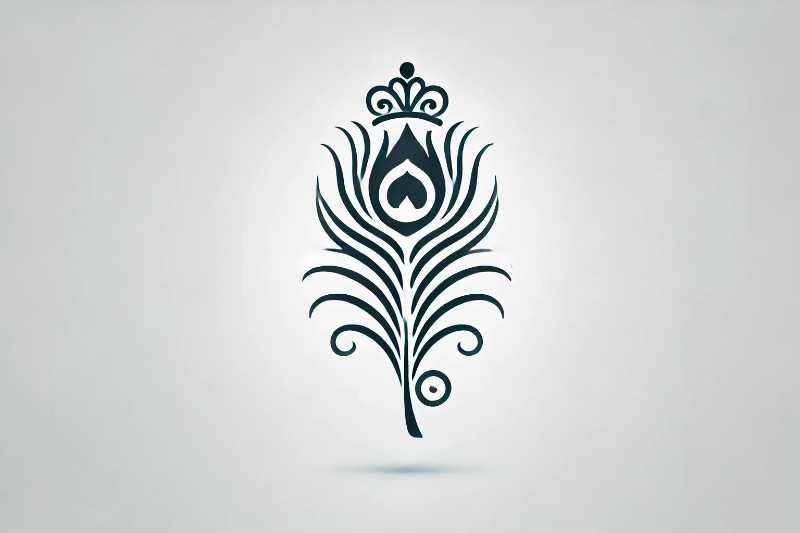
The peacock feather suits Hera's royal image and also recalls Argus, the hundred-eyed servant who guarded Io for her. After Argus died, Hera preserved his eyes in the peacock's tail, according to one version of the myth. Her diadem marks her as queen of Olympus and wife of Zeus, though her stories often show the strain and anger inside that marriage.
The cow, another sacred animal of Hera, suggests motherhood and dignity, while the pomegranate connects her with marriage, fertility, and female power.
6. Ares
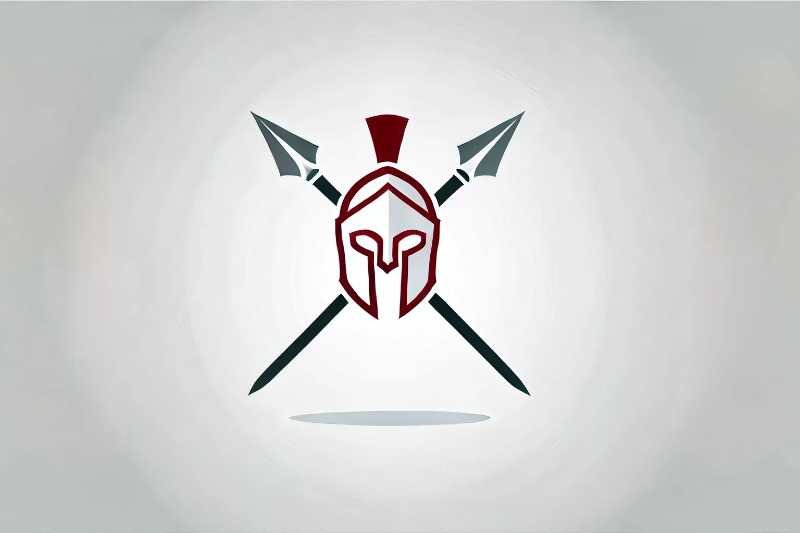
Ares is represented by numerous weapons because he embodies the brutal, chaotic side of war. His spear suggests direct violence and attack, while his helmet marks him as a battlefield god rather than a planner or diplomat. Unlike Athena, who is associated with strategy and disciplined warfare, Ares often represents bloodlust, rage, and the panic of combat. Dogs and vultures belong naturally to his imagery because they were linked with battlefields, corpses, and the aftermath of slaughter.
7. Demeter
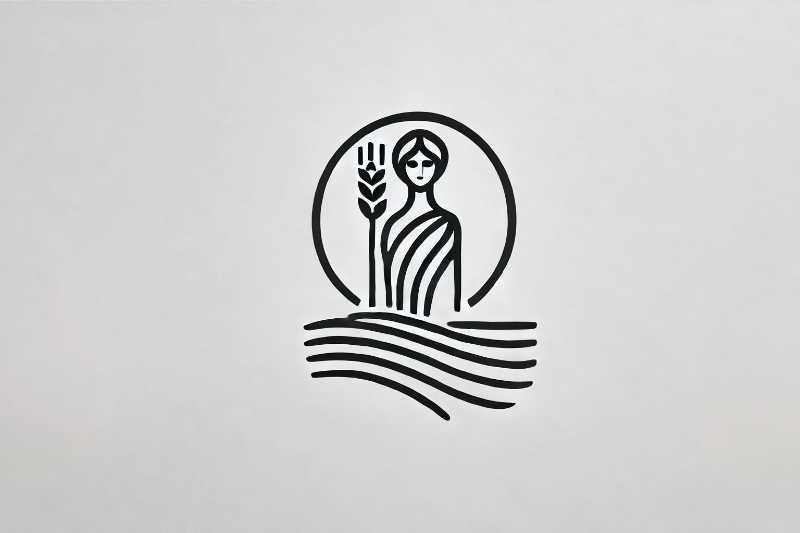
Demeter's symbols come from agriculture, fertility, and the seasonal cycle of growth and loss. Wheat stalks and farm fields represent her control over grain, a basic food source in ancient Greece. The cornucopia emphasizes harvest and plenty. Her torch has a more sorrowful meaning: after Hades took Persephone to the Underworld, Demeter searched for her daughter with torches in hand. That myth helped explain the changing seasons, with the earth becoming barren during Persephone's absence.
8. Athena
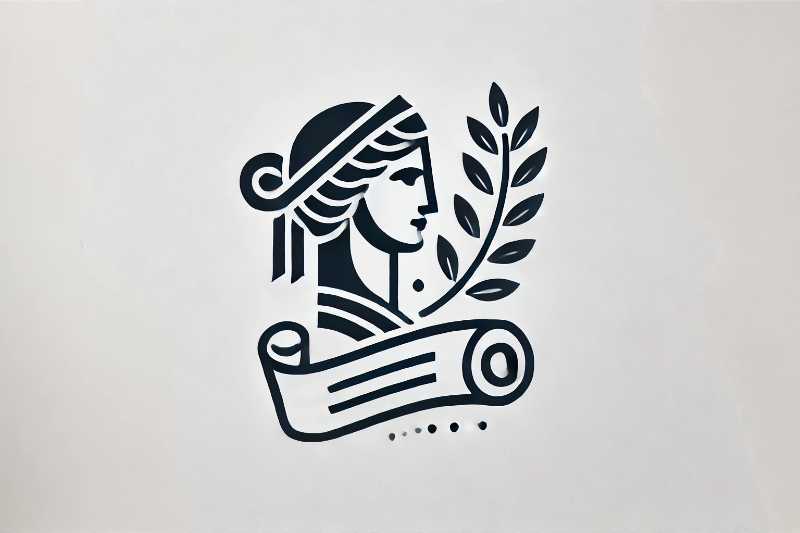
Athena's olive tree represents practical wisdom as much as peace. In the contest for Athens, she gave the city the olive tree, a gift that provided food, oil, wood, and trade, while Poseidon offered a saltwater spring or horse. Her scroll represents learning, planning, and intelligence.
The owl, one of her most famous symbols, suggests watchfulness and insight. Athena also carries the aegis, a protective shield or cloak often shown with Medusa's head, which could terrify enemies.
9. Dionysus
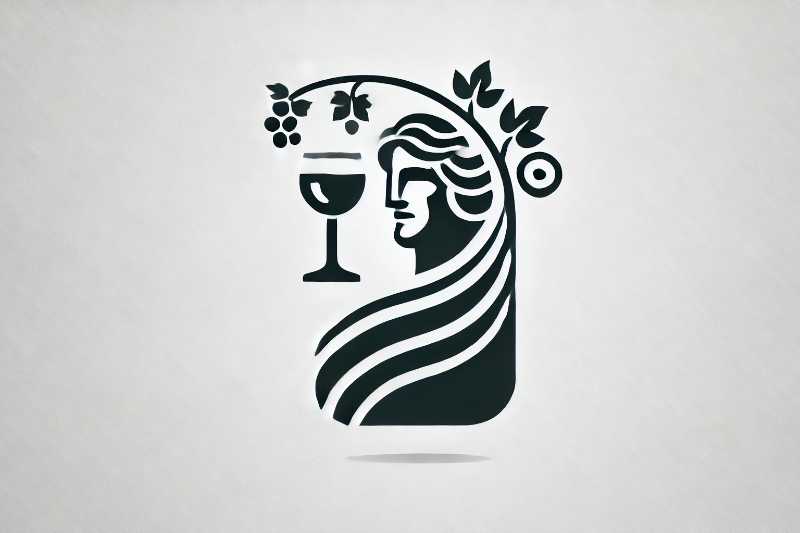
Dionysus is tied to grapevines, wine, theater, ecstasy, and the breakdown of ordinary rules. The grapevine reflects his connection to cultivation, while the wine goblet points to the subsequent effects: drinking wine during celebrations and rituals. His thyrsus, a staff wrapped in ivy and topped with a pinecone, was carried by Dionysus and his followers during wild religious processions. Panthers, leopards, and other untamed animals often appear alongside him, suggesting that his power is seductive but unstable.
He can bring joy, but his myths also warn that resisted emotion can turn violent.
10. Hephaestus
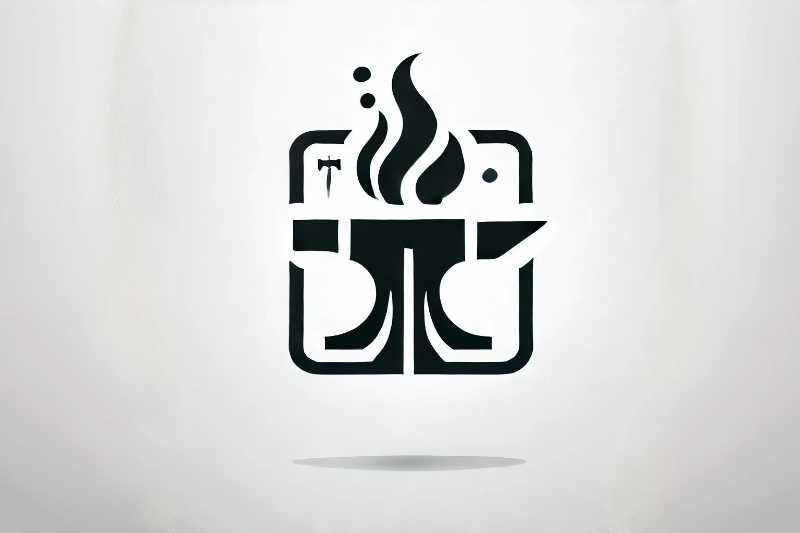
Hephaestus is the divine smith who is represented by the hammer, anvil, flame, and tongs. These tools connect him directly to the forge, where raw metal becomes armor, jewelry, weapons, and other intricate devices for the gods. Fire is not only destructive here; as controlled heat, it makes craftsmanship possible.
Hephaestus is also linked with volcanoes, since ancient people often imagined underground fire and molten rock as signs of a hidden forge. Unlike many Olympians, he is defined less by beauty or command than by technical skill and hard labor.
11. Artemis
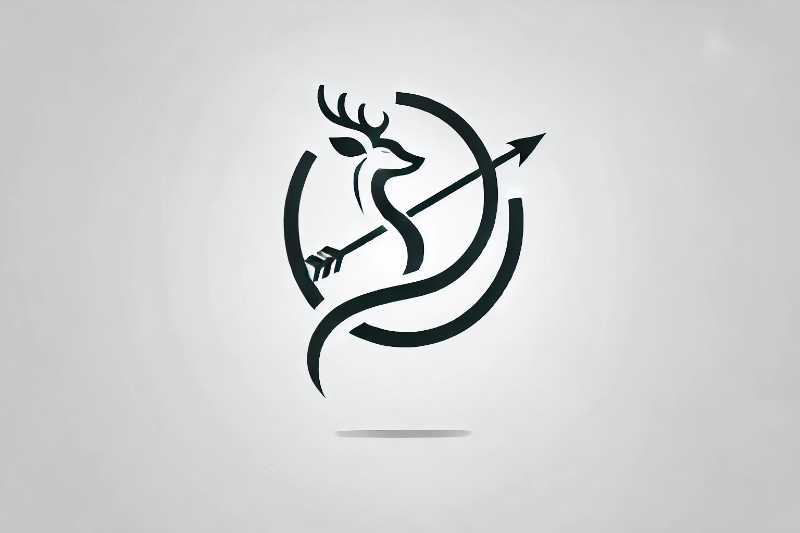
As a huntress, Artemis carries the bow and arrow, but her symbols are not only about hunting. The deer shows her bond with wild animals, especially creatures that must be protected from human greed or carelessness. The crescent moon reflects her later association with lunar imagery, while the cypress tree connects her with forests and untamed places. Artemis also guards young girls and childbirth, which gives her mythology an interesting tension: she is both a virgin goddess that represents independence as well as a protector of the vulnerable.
12. Poseidon
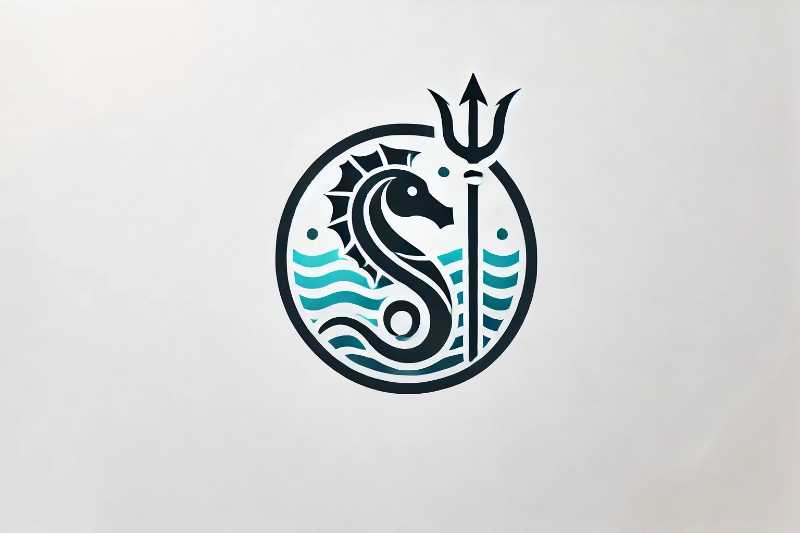
Poseidon's trident represents his power over the sea. With it, he can stir storms, calm waves, shatter rocks, and cause earthquakes, which is why he was also called "earth-shaker." The hippocampus, a mythical creature with the front half of a horse and the tail of a fish, reflects Poseidon's rule over the sea and his mythic connection to horses. Dolphins show his connection to the sea, while bulls suggest strength, fertility, and danger. Poseidon is not just a sea god; he represents nature when it is vast, unstable, and difficult to control.
This quiz was reviewed by FunTrivia editor ponycargirl before going online.
Any errors found in FunTrivia content are routinely corrected through our feedback system.