FREE! Click here to Join FunTrivia. Thousands of games, quizzes, and lots more!
Quiz about Wait  What Did You Say

Wait! What Did You Say? Trivia Quiz


I used to work with a fellow who liked to use unusual words in order to show just how much smarter he was than everybody else. It was annoying, but really kept me on my toes! It also turned me into a bit of a logolept.

by ponycargirl. Estimated time: 3 mins.
  1. Home
  2. »
  3. Quizzes
  4. »
  5. Humanities Trivia
  6. »
  7. Vocabulary
  8. »
  9. Unusual and Obscure Words

Author
ponycargirl
Time
3 mins
Type
Quiz #
424,968
Updated
Jul 24 26
# Qns
10
Difficulty
Easy
Avg Score
9 / 10
Plays
25
Last 3 plays: Guest 86 (7/10), Peachie13 (10/10), Guest 76 (7/10).
What's a logolept? It is a person who takes a deep interest in words! Are you one? See if you can match the word given with the picture that explains its meaning.
Drag-Drop or Click from Right
Options
Librocubicularist Bannock Collywobbles Popple Bumbershoot Interrobang Fipple Quire Dongle Defenestration


 View Image Attributions for This Quiz

Most Recent Scores
Today : Guest 86: 7/10
Today : Peachie13: 10/10
Today : Guest 76: 7/10
Today : Reamar42: 10/10
Today : dellastreet: 10/10
Today : mulder100: 5/10
Today : Guest 24: 10/10
Today : Dizart: 10/10
Today : misdiaslocos: 10/10

Quiz Answer Key and Fun Facts
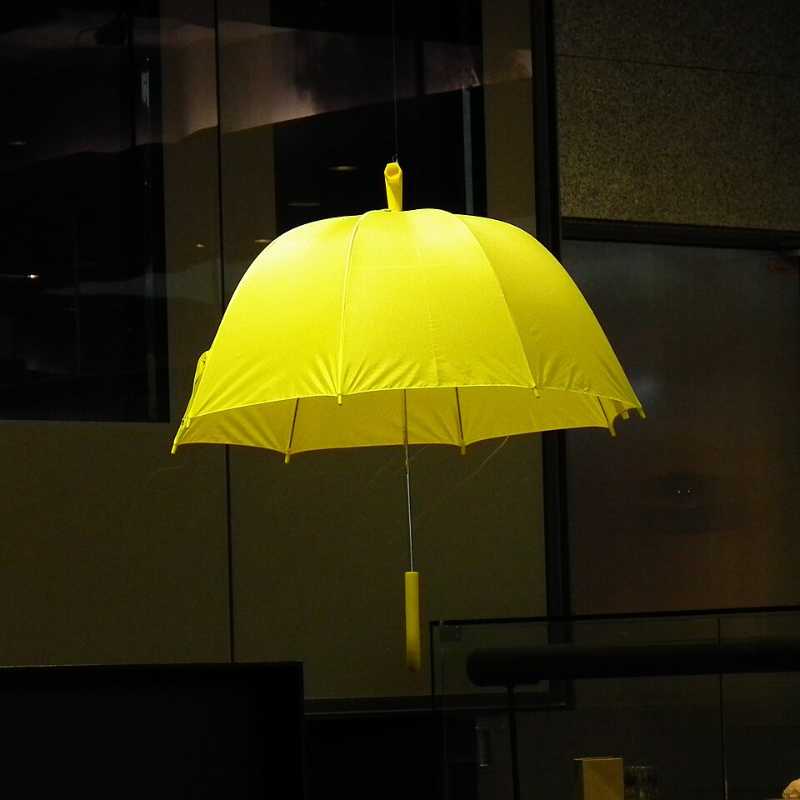
1. Bumbershoot

Umbrellas have been around for a long time. Dating back to around 4,000 years ago, they were used by the wealthy in ancient Mesopotamia, Egypt, and China to block out the sun. In fact, the word umbrella is from the Latin "umbra", meaning shade. It took about 2,000 years to work out another purpose for the invention, but the Chinese eventually began coating umbrellas with wax or oil to block out the rain.

Coined in the United States around 1896, the word bumbershoot is a portmanteau word that comes from umbr, as in umbrella, and chute, as in an open parachute looking like an umbrella. While it was used in the movie "Chitty Chitty Bang Bang", it is a term that is totally of American origin. It is used for part of the name an annual music and arts festival in Seattle because of the rainy nature of the weather there and also because the festival celebrates a number of diverse types of performers.
2. Defenestration

Those who know their history remember that this word is derived from an incident that took place on May 21, 1618 (some sources say May 23), called the Defenestration of Prague. It happened during the Reformation when there was a lot of arguing taking place between Protestants and Catholics. This particular incident occurred at Prague Castle when some Protestant nobles threw three Catholic representatives of the monarchy some 70 feet (21 meters) out of a window onto a trash heap. Was it divine intervention or were the officials saved by a pile of manure? Stories varied, but no one was apparently injured.

The word defenestration comes from the Latin "fenestra", or window opening for light. Throwing officials out of windows had taken place during the 1400s in Prague, but the term was not officially coined until 1620. The 1618 incident led to the Bohemian Revolt, which subsequently led to the Thirty Years War from 1618-1648.
3. Popple

The word popple is believed to date back to the 1300s, and was derived from the Middle English "poplen", which had probably been borrowed from the Middle Dutch "popelen", which means to murmur. It could also be related to the West Frisian "popelje", which means to throb or bubble. By the 1500s the word was used to describe choppy water or waves moving up and down.

You may like to watch the popple at the beach. In that case you might also be a thalassophile, or someone who loves the ocean, sea, or beach. If you like to watch the water or boating activities in a canal, you are a gongoozler!
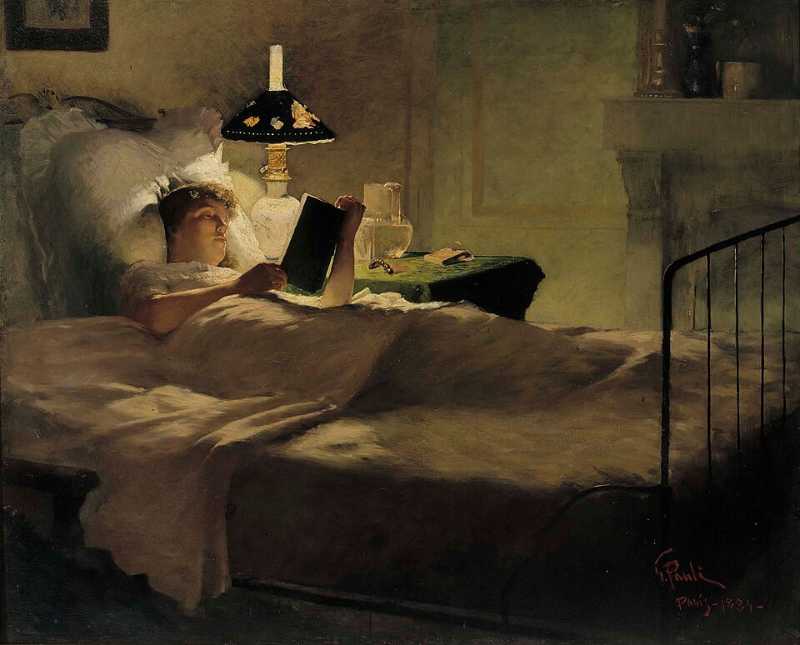
4. Librocubicularist

Do you like to read in bed? If so, then you are a librocubicularist. The term is derived from two Latin words - "liber", which means book, and "cubiculum", which means bedroom.

The term was originally found in "The Haunted Bookshop", a work by Christopher Morley that was published in 1919. The owner of the shop, apparently proud that he had made up a word, suggested that a female customer take a book to bed and read it. Then he asks her if she is a librocubicularist. Rather scandalous, right? No, he just liked to use the term. While the book mostly spoke regarding the love of books, there was also a German spy plot involving an old book that was part of the story.
5. Interrobang

Another portmanteau word, interrobang is derived from the Latin "interrogatio" for question and bang, which is a slang word people in the print business use for the exclamation mark.

The word was used first in 1962 by Martin K. Speckter, who proposed the use of the symbol so that typesetters could save some time when they needed to set up both the question mark and exclamation mark, as in ?! or !? to indicate surprise or disbelief. The term never really caught on because the key wasn't included on a standard typewriter and it really isn't that much trouble to just type both symbols. Really?!
6. Collywobbles

Do you sometimes have butterflies or a bellyache? Then you are probably suffering from collywobbles! First used in the early 1800s, the word described a severe pain in the stomach. Etymologists believe it was probably derived from "colicus", pertaining to colic, or the Greek "kolikos", which means belonging to the lower intestine. The wobble part of the term is probably from the Low German "wabbeln", which means to totter back and forth.

So, there are apparently two types of collywobbles. One type is caused by disease and is also called the cramps or a stomachache. The other is caused by nervousness, and is also called the jitters or butterflies.
7. Quire

Quire is a word used by people who sell paper; it is a twentieth of a ream, which is a package of 500 sheets. It is a standard unit that in modern times refers to 24 or 25 sheets of paper.

The term originated in the 1200s from the Old French "quaier", for a sheet of paper folded in fours like a short book. "Quaier" came from the Medieval Latin "quaternum", which was a set of four sheets of paper or parchment. I remember my elementary teachers folding paper like this for a variety of different assignments, but they never called it a "quaier".
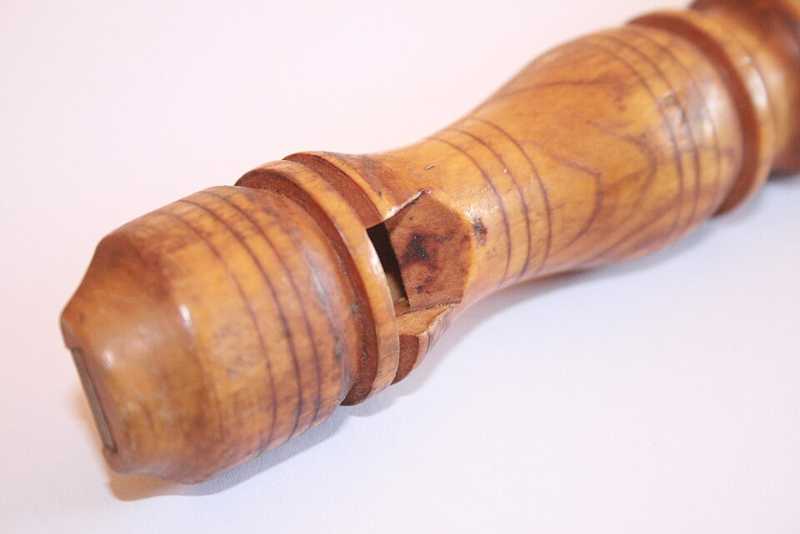
8. Fipple

Fipples are found on tin whistles or recorders. They are the part of the instrument that guides the air as it is blown through the windway, or narrow channel against a sharp edge called the labium. That is what creates the vibration that produces the sounds the instruments make. The fipple in the picture is from a Catalan recorder.

The term is believed to date back to the 1600s, and may be derived from the Icelandic word "flipi", which means the lips of a horse. It may also be related to the sound that is made when the mouth makes a blowing sound.
9. Dongle

You may not know it, but you likely have a dongle or two. A dongle is a piece of computer hardware that connects to a port on another device. It can apply to USB wireless adapters, USB flash drives, port hubs, or even software license keys. The term first appeared in print in the "New Scientist" in 1981. There it was identified as "an extra piece of memory that is plugged into the computer, without which the program refuses to run".

Information concerning the origin of the word dongle, however, is a little cloudy. Most sources agree that it was probably derived from the word dangle, which is what the device usually does from its port on a PC. There are some sources, however, that claim it was named after Don Gall, a friend of Andrew Fuschi, who worked for a cybersecurity company called Rainbow Technologies in the 1980s and 1990s. That theory has largely been debunked as a marketing ploy.
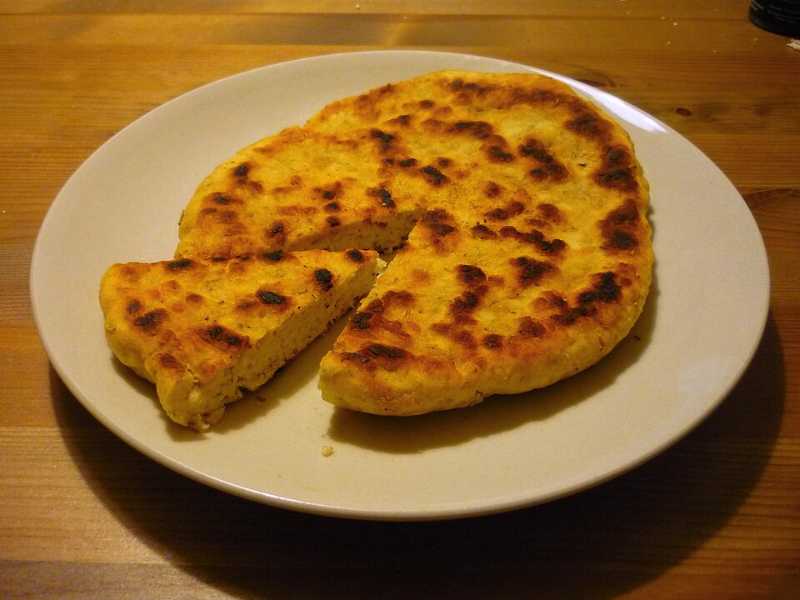
10. Bannock

Bannock is a type of quick bread that has been made in Northern England and Scotland for centuries. It is flat, unleavened, and normally made on a hot stone or open fire. With simple ingredients like ground oats, barley, or peas, and water or milk, it was an important staple that some believe was passed from the Scots trappers to Native Americans in the New World.

Aldhelm, a Scottish abbot and writer who died c. 709 AD, is credited with the first use of the term, although he called it bannuc. The name is derived from two languages - the Gaelic "bannach", which means morsel, and "panis", which is Latin for bread.
Source: Author ponycargirl

This quiz was reviewed by FunTrivia editor looney_tunes before going online.
Any errors found in FunTrivia content are routinely corrected through our feedback system.
7/24/2026, Copyright 2026 FunTrivia, Inc. - Report an Error / Contact Us