FREE! Click here to Join FunTrivia. Thousands of games, quizzes, and lots more!
Quiz about Scenes from American Literature

Scenes from American Literature Quiz

Images of Literary Scenes

Click each scene from these classic American novels and stories to get a closer look at the clues. Then match each scene with its corresponding work. It's a literary extravaganza!

by trident. Estimated time: 3 mins.
  1. Home
  2. »
  3. Quizzes
  4. »
  5. Literature Trivia
  6. »
  7. Literature by Region
  8. »
  9. American Literature

Author
trident
Time
3 mins
Type
Quiz #
417,185
Updated
May 05 26
# Qns
12
Difficulty
Very Easy
Avg Score
11 / 12
Plays
1108
Awards
Top 5% quiz!
Last 3 plays: PDAZ (12/12), FREEDOM49 (5/12), Guest 72 (12/12).
Drag-Drop or Click from Right
Options
The Scarlet Letter White Fang The Adventures of Huckleberry Finn The Cask of Amontillado The Sun Also Rises The Jungle The Gift of the Magi The Legend of Sleepy Hollow The Secret Garden The Red Badge of Courage The Great Gatsby Moby-Dick


 View Image Attributions for This Quiz

Most Recent Scores
May 25 2026 : PDAZ: 12/12
May 24 2026 : FREEDOM49: 5/12
May 23 2026 : Guest 72: 12/12
May 20 2026 : Guest 38: 12/12
May 19 2026 : polly656: 12/12
May 19 2026 : donegan72: 12/12
May 18 2026 : Guest 207: 8/12
May 15 2026 : Guest 50: 9/12

Quiz Answer Key and Fun Facts
1. Moby-Dick

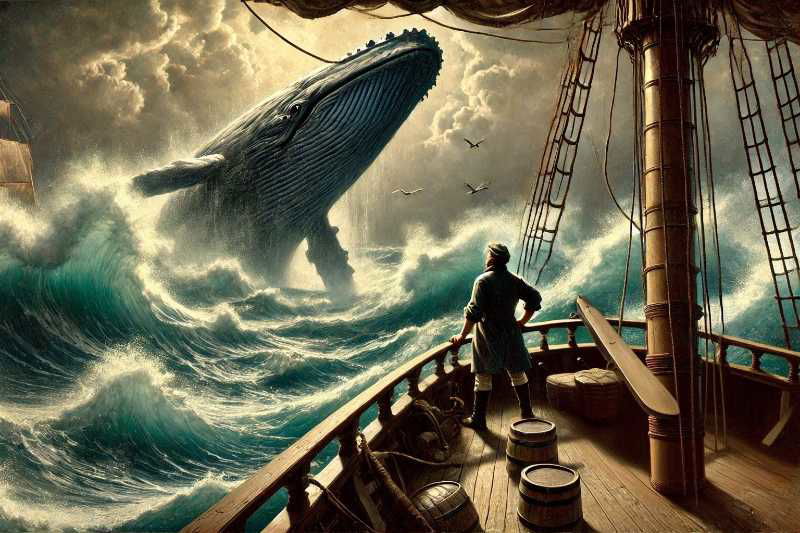
Herman Melville's "Moby-Dick," published in 1851, centers on Captain Ahab and his fixation on his single target of a massive white whale. The story unfolds within the 19th-century American whaling industry, where crews hunted sperm whales for oil used in lamps and machinery.

In this climactic moment, the whale attacks the Pequod, slamming into the ship again and again until it begins to break apart. The crew scrambles in confusion, but Ahab does not look away. Even as the ship goes down, his attention remains fixed on the whale.
2. The Great Gatsby

Set in the 1920s, "The Great Gatsby" captures the excess and unease of the Jazz Age. F. Scott Fitzgerald frames the story through Nick Carraway, who observes the life of his wealthy neighbor, Jay Gatsby.

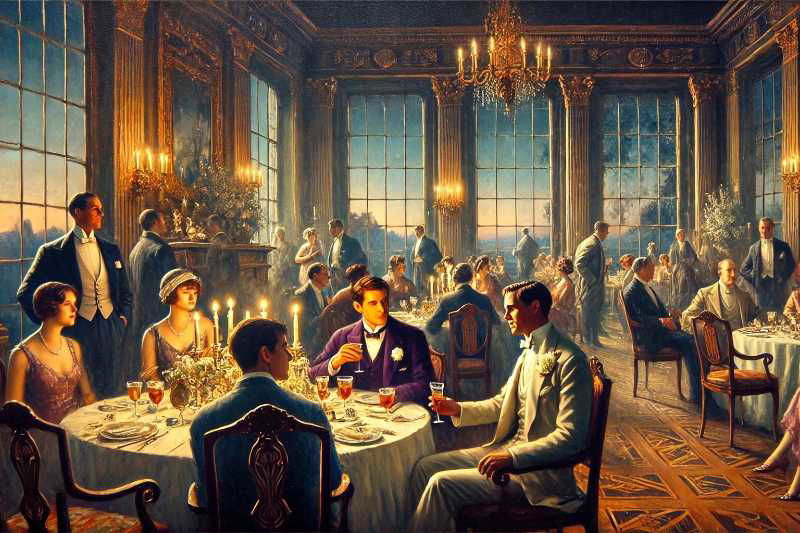
At one of Gatsby's crowded parties as can be seen in the image, Nick strikes up a conversation with a man who seems unusually at ease in the chaos. They talk about their shared wartime past and the strange atmosphere of the gathering. Only later does Nick realize that the man he has been speaking to is Gatsby himself.
3. The Legend of Sleepy Hollow

Washington Irving's "The Legend of Sleepy Hollow," published in 1820, blends humor with unease. Ichabod Crane, a schoolteacher prone to superstition, rides alone through a dark stretch of road when the tone shifts.

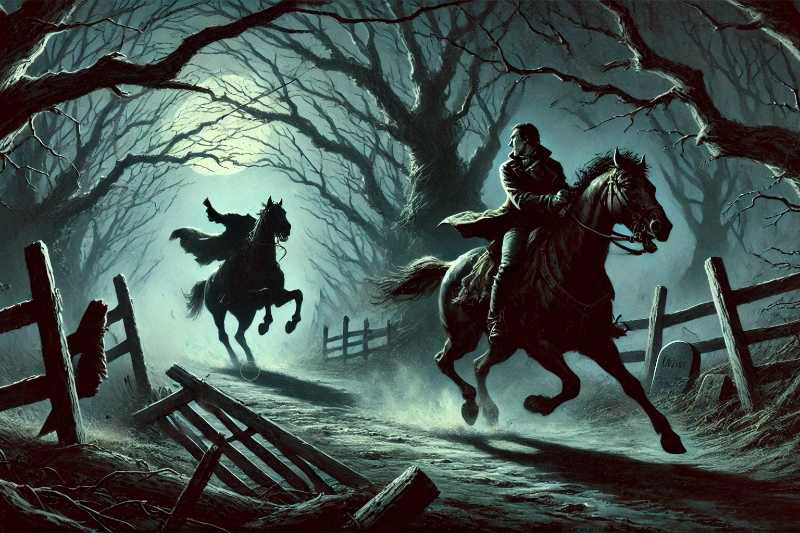
In this scene, a mounted figure appears behind him, the Headless Horseman of local legend. The distance between them closes quickly. Near a bridge, Ichabod glances back just in time to see the figure raise its severed head and throw it at him.
4. The Scarlet Letter

In "The Scarlet Letter," Nathaniel Hawthorne places Hester Prynne at the center of a rigid Puritan society. Published in 1850 but set in the 17th century, the novel examines public shame and private guilt.

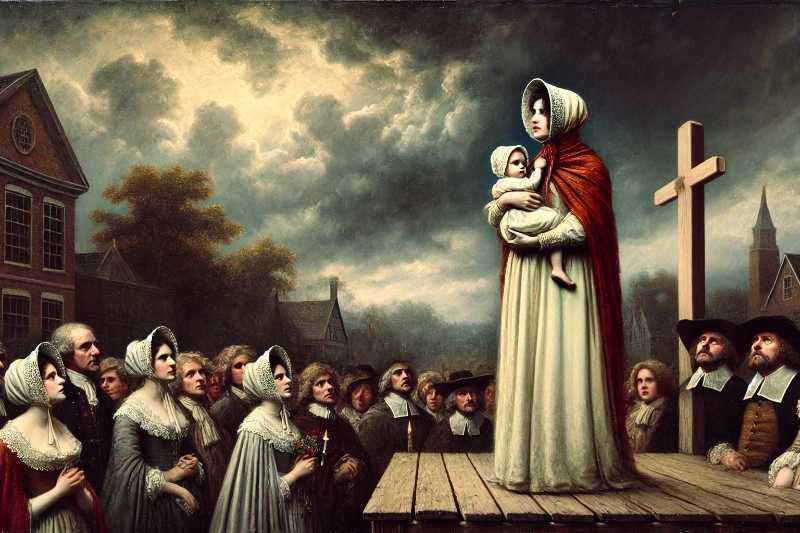
This is the scene where Hester is on a scaffold, holding her infant daughter while a crowd gathers below. The letter "A" marks her visibly, and the silence around her carries weight. Among the faces in the crowd, she notices a man she recognizes, her estranged husband, who has arrived in secret and now watches without revealing himself.
5. The Jungle

Upton Sinclair's "The Jungle," released in 1906, focuses on the meatpacking industry in Chicago and the lives of immigrant workers. Its descriptions are direct and difficult to ignore.

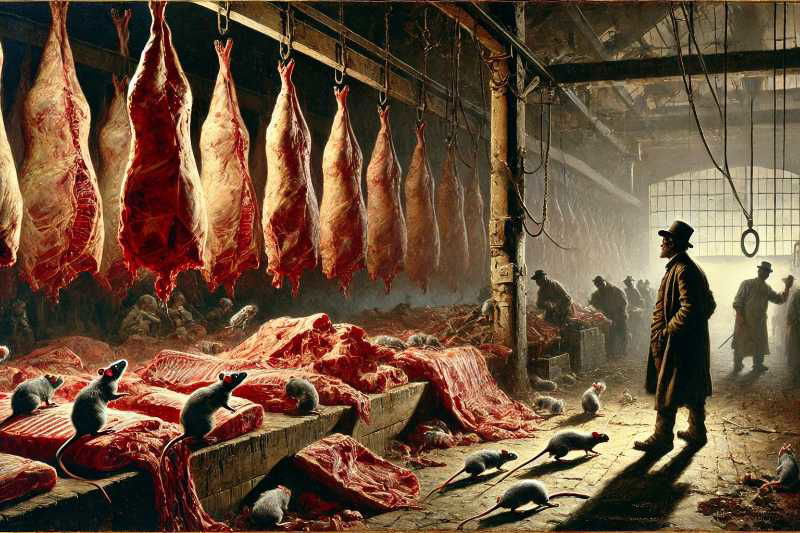
This image explores the inside of the meatpacking plants, where rats move freely across exposed meat, and workers push them aside without much concern, sometimes sweeping them into processing equipment itself. The resulting product still makes its way to market. Public reaction to these details was immediate, and the novel played a role in pushing for food safety reforms.
6. The Gift of the Magi

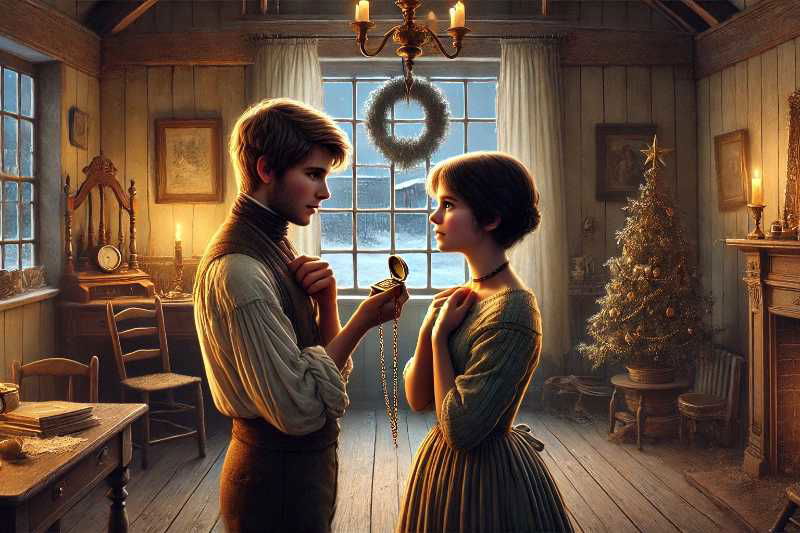
"The Gift of the Magi," written by O. Henry in 1905, follows a young couple with very little money but strong attachment to one another. Della sells her long hair to buy a chain for Jim's watch. Jim, meanwhile, sells that watch to purchase decorative combs for her hair.

When they exchange gifts, the irony becomes clear at once. Each has sacrificed something valuable for the other, and the usefulness of the gifts disappears, but the intent behind them remains.
7. The Sun Also Rises

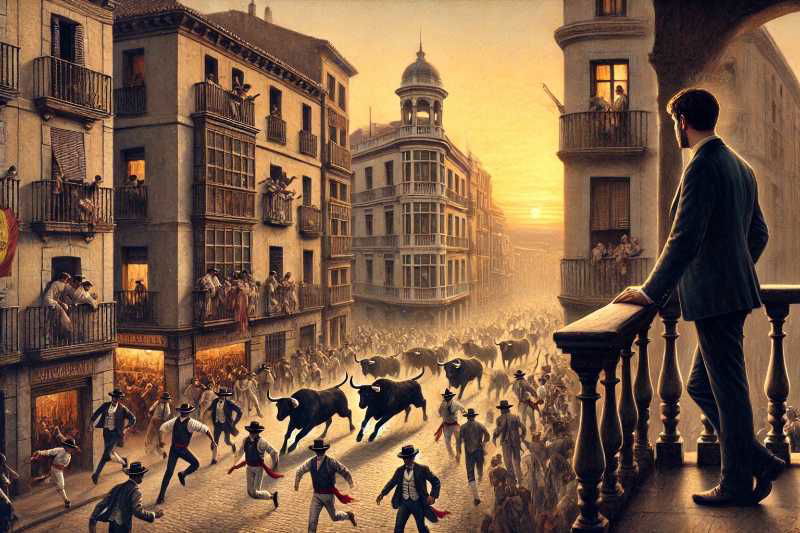
Ernest Hemingway's "The Sun Also Rises," published in 1926, tracks a group of expatriates as they move between Paris and Spain. Jake Barnes, the narrator, observes rather than directs much of the action.

During the running of the bulls in Pamplona, he watches from above as the crowd fills the narrow streets. The bulls charge forward, and the pace of the scene shifts quickly from anticipation to danger. The event reflects the novel's broader tension between excitement and disillusionment.
8. White Fang

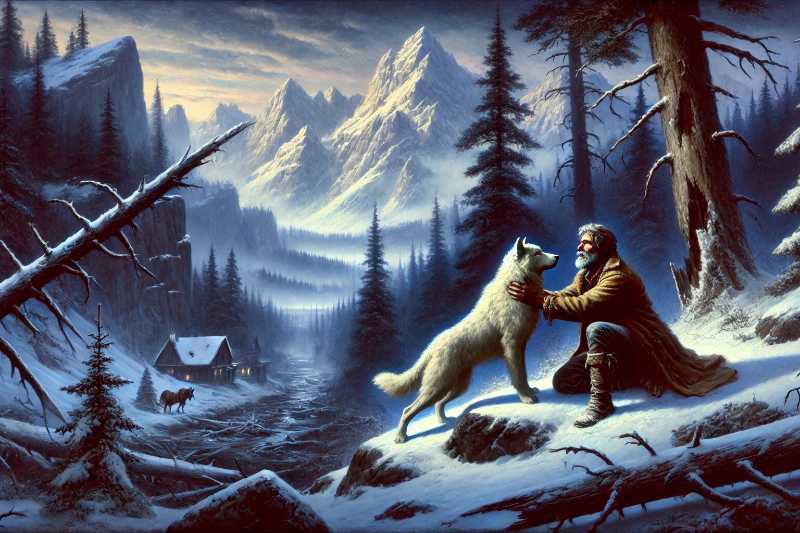
"White Fang," written by Jack London and published in 1906, follows a wolf-dog moving between the wild and human environments of the Yukon during the Klondike Gold Rush. After a period of hardship, White Fang comes under the care of Wheedon Scott.

Scott treats his injuries and provides food, but trust does not come immediately. The animal remains wary at first. Over time, White Fang begins to trust him, and a bond takes shape.
9. The Red Badge of Courage

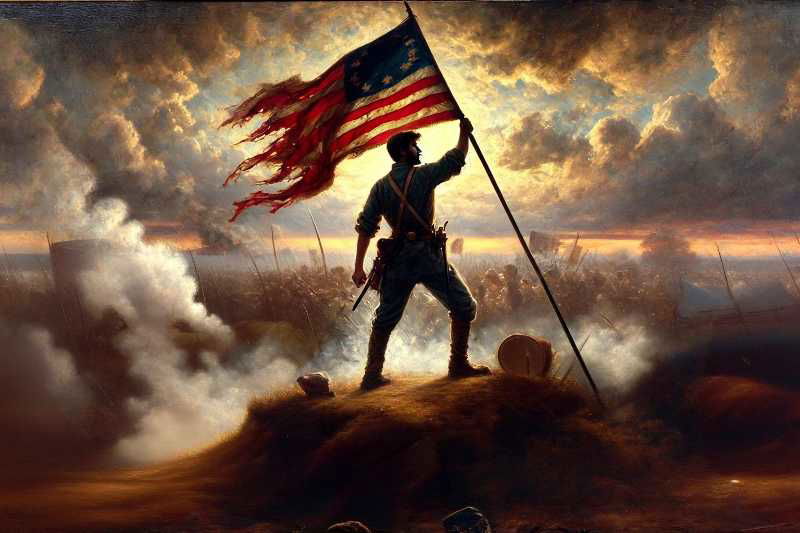
Stephen Crane's "The Red Badge of Courage," published in 1895, examines the experience of a young soldier during the Civil War. Henry Fleming spends much of the novel confronting his own fear.

In this scene, the regimental flag falls in the middle of combat. Henry picks it up and raises it again, this one visible act steadying the line around him and giving nearby soldiers a point to rally around.
10. The Cask of Amontillado

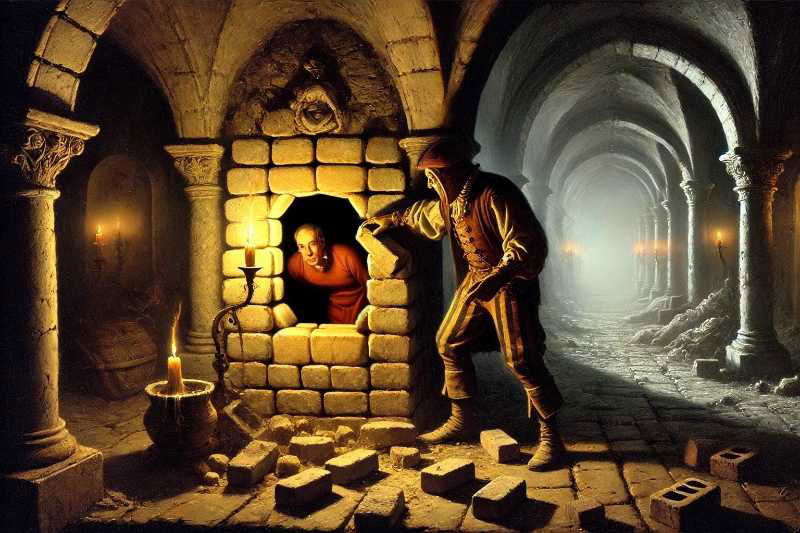
In Edgar Allan Poe's "The Cask of Amontillado," published in 1846, tension builds through a controlled, deliberate sequence of actions. Montresor leads Fortunato into the catacombs under the pretense of tasting rare wine. Once they reach a narrow space, he begins sealing the entrance with bricks. Each layer closes off more of the opening while Fortunato protests from inside. Montresor completes the wall methodically, brick by brick, until the opening is fully sealed and no passage remains.
11. The Adventures of Huckleberry Finn

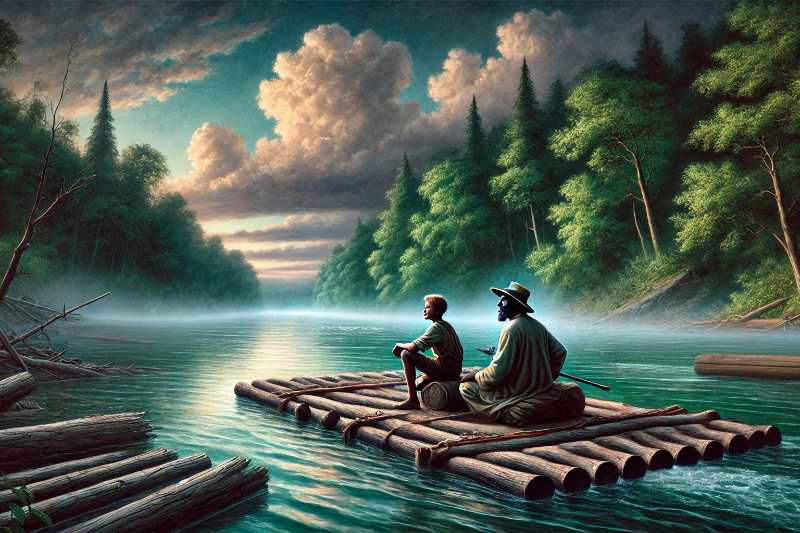
Published in 1884, when debates over race and society still shaped public life in the United States, Mark Twain's "The Adventures of Huckleberry Finn" follows Huck and Jim as they travel along the Mississippi River.

The raft functions as their means of travel and a place to sleep, but also served as a refuge. Away from towns, the two companions share experiences and work together to keep the raft afloat. The river includes quiet stretches as well as encounters with other people that force them to make decisions.
12. The Secret Garden

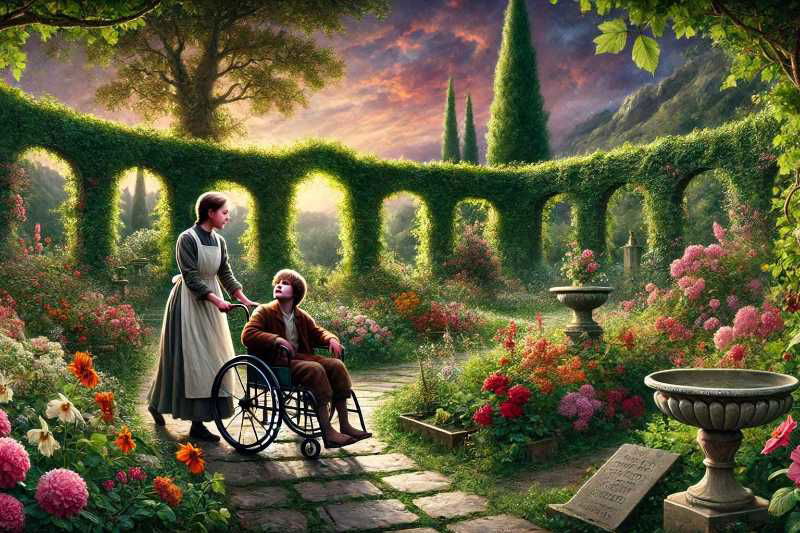
Frances Hodgson Burnett's "The Secret Garden," published in 1911, focuses on change that unfolds gradually. Mary Lennox, initially isolated and difficult, discovers a neglected garden on her uncle's estate. She later brings Colin, who has been kept indoors due to his health, into that space. Exposure to fresh air and the routines of tending the garden begin to affect both children, marking the start of their physical and emotional improvement.
Source: Author trident

This quiz was reviewed by FunTrivia editor looney_tunes before going online.
Any errors found in FunTrivia content are routinely corrected through our feedback system.
5/26/2026, Copyright 2026 FunTrivia, Inc. - Report an Error / Contact Us