FREE! Click here to Join FunTrivia. Thousands of games, quizzes, and lots more!
Quiz about Botanica Britannica

Botanica Britannica Trivia Quiz

Plants of the United Kingdom

These twelve plants will surely make one think of the forests and fields of the United Kingdom. Can you identify them?

by trident. Estimated time: 3 mins.
  1. Home
  2. »
  3. Quizzes
  4. »
  5. Science Trivia
  6. »
  7. Regional Botany
  8. »
  9. UK

Author
trident
Time
3 mins
Type
Quiz #
424,873
Updated
Jul 12 26
# Qns
12
Difficulty
Easy
Avg Score
11 / 12
Plays
41
Last 3 plays: Guest 104 (7/12), Guest 147 (6/12), VegemiteKid (12/12).
For plants that have more than one name, I've tried to use the name that is most commonly used in the United Kingdom.
Drag-Drop or Click from Right
Options
bulrush wild daffodil common hazel red campion primrose wild garlic English oak foxglove Scots pine bluebell hawthorn cow parsley


 View Image Attributions for This Quiz

Most Recent Scores
Today : Guest 104: 7/12
Today : Guest 147: 6/12
Today : VegemiteKid: 12/12
Today : Guest 71: 6/12
Today : RacingBee: 12/12
Today : dmaxst: 9/12
Today : Guest 68: 8/12
Today : Guest 73: 9/12
Today : Guest 78: 12/12

Quiz Answer Key and Fun Facts
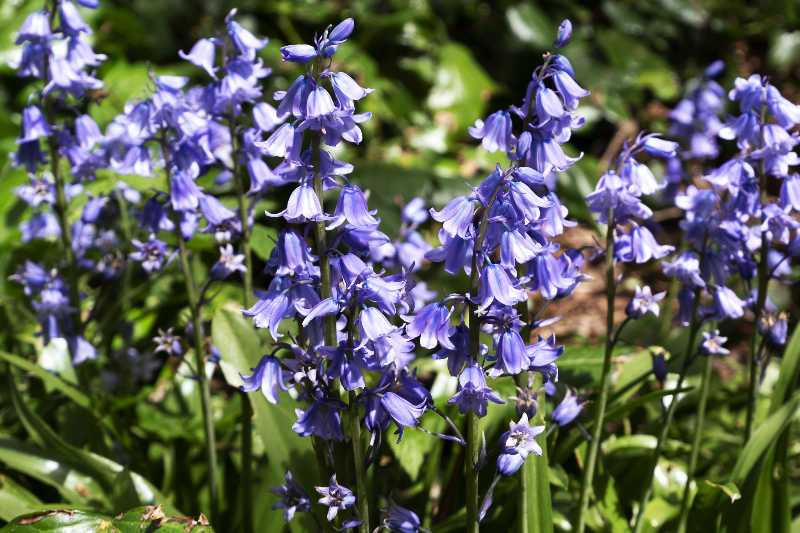
1. bluebell

The most common species of bluebell in the U.K. is Hyacinthoides non-scripta, sometimes called the common bluebell or English bluebell. They are among the most famous flowers associated with the United Kingdom and have long been celebrated in the works of British writers and poets such as Gerard Manley Hopkins. You can often find them carpeting the floors of bluebell woods throughout the country. Interestingly, bluebells are an indicator species of ancient woodland, meaning their presence can help scientists identify areas that may have been continuously wooded for centuries.

Reverence for these flowers is so great that they have been given legal protection in Great Britain. It is illegal to collect wild bluebells for sale, and uprooting any wild plant without the landowner's permission is also prohibited. Therefore, digging up bluebell bulbs from land without permission, even in order to replant them, is illegal.
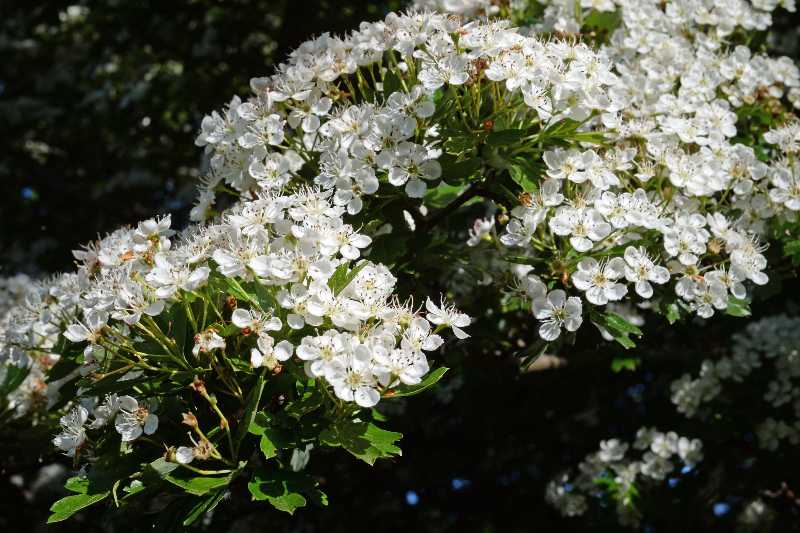
2. hawthorn

Crataegus monogyna has numerous names, starting with common hawthorn (which is used to distinguish it from other hawthorn species), whitethorn, and single-seeded hawthorn.

The common hawthorn is a shrub that has small, berry-like fruits called "haws," which are technically pomes rather than true berries. The fruits are generally considered too dry and starchy to be eaten raw, but they are sometimes cooked into syrups and jellies. The plant's flowers bloom in late spring and are usually white, though some take on a pinkish hue.

A noteworthy variety of hawthorn closely associated with the U.K. is the Glastonbury thorn, which is said in legend to have grown from the staff of Joseph of Arimathea. Because this tree flowers twice a year rather than once, it has inspired several legends and explanations for its unusual behavior. The original tree of legend, said to have stood on Wearyall Hill near Glastonbury Abbey, was reportedly destroyed during the English Civil War as a symbol of superstition, but grafted descendants have since been planted.
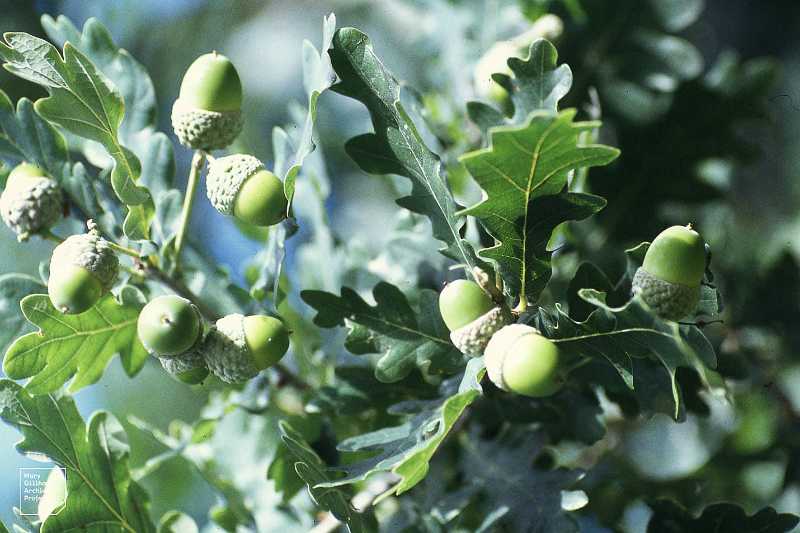
3. English oak

The English oak (Quercus robur) is the most common species of oak in the U.K., though Quercus petraea is also widespread. The English oak is often called the pedunculate oak to distinguish it from the other tree previously mentioned, which is known as the sessile oak. These two names refer to how the trees' acorns are attached to their branches: English oak acorns grow on stalks called peduncles, while sessile oak acorns grow directly on the twigs or on very short stalks.

The English oak has had strong symbolic importance throughout English history and heraldry. The Royal Oak at Boscobel House, where Charles II hid from his Parliamentarian pursuers in 1651, was an English oak. Restoration Day, also called Oak Apple Day, later became a public holiday commemorating the restoration of the monarchy. Celebrants would don items fashioned from oak apples and oak leaf sprigs to commemorate the fact that an oak tree helped their king evade the enemy. Although its status as a public holiday was abolished in 1859, the day is still celebrated in some places.
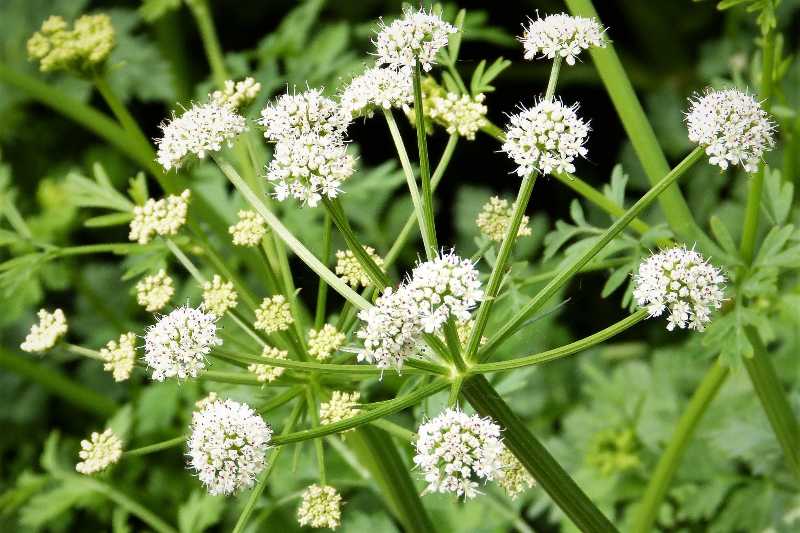
4. cow parsley

Anthriscus sylvestris is a common sight in the United Kingdom, where it is usually called cow parsley. In the U.S. and some other countries, it is usually called wild chervil. It is also sometimes known as Queen Anne's lace, although in North America that name is more commonly used for a similar-looking species of wild carrot.

Fast-growing and hardy, cow parsley is sometimes considered a weed in gardens and commonly grows along roadside verges, hedgerows, and woodland edges. It has limited culinary use, though some people forage for it in the wild. One should be careful when doing so, however, as cow parsley can be confused with several poisonous species, such as poison hemlock, hemlock water-dropwort, and fool's parsley.
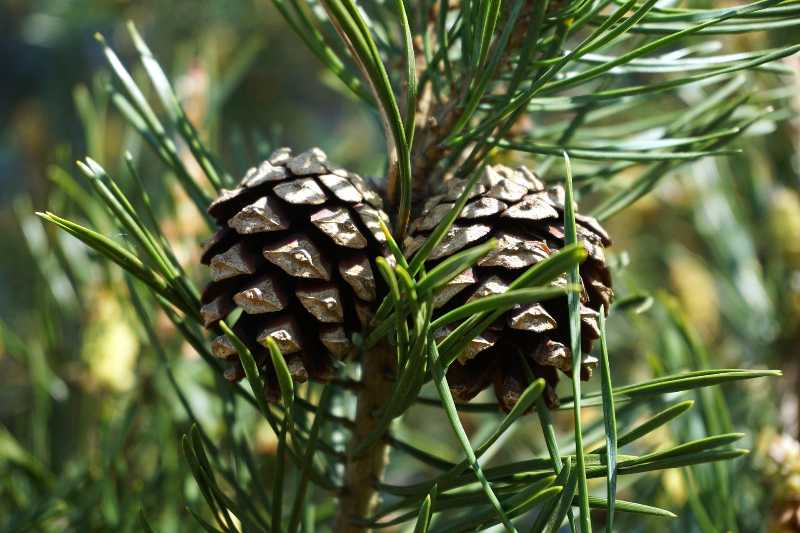
5. Scots pine

The national tree of Scotland and the plant badge of several Scottish clans, Pinus sylvestris grows naturally within the U.K. only in Scotland. Along with a number of other tree species, it can be found in the surviving remnants of the Caledonian Forest. As the tree has long been important to the timber industry, its natural range in the U.K. (as well as the Caledonian Forest itself) has declined.

The tree thrives in cold environments and can tolerate rocky areas and poor soil, making it well-suited to parts of the Scottish Highlands. The species is also widespread across Scandinavia, the Baltic region, and much of northern Europe and Asia. The Scots pine has sometimes been used as an indoor Christmas tree.
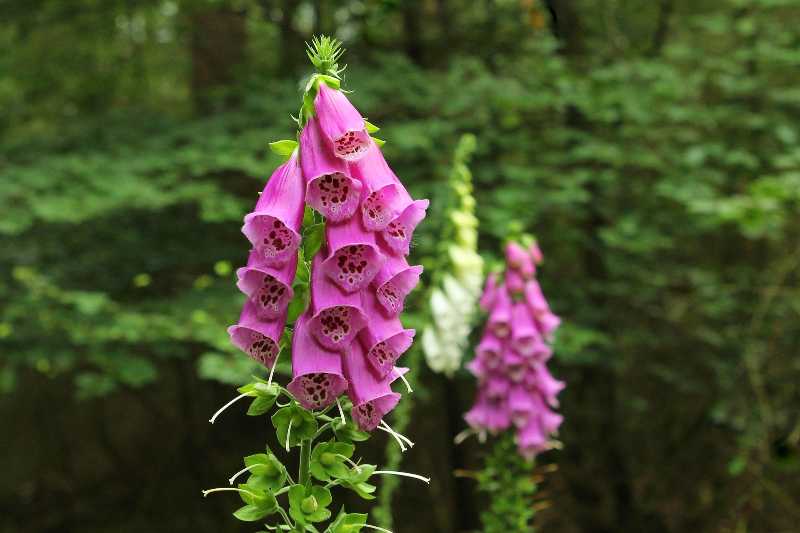
6. foxglove

Digitalis purpurea, or common foxglove, is the species found growing most commonly in the U.K. It can also be found throughout much of western Europe and has been introduced into temperate regions of North America. It is a highly popular addition to many British gardens due to its special bell-shaped flowers. Over decades, gardeners have developed numerous cultivars with different colors and patterns, many of which are listed by the Royal Horticultural Society.

Common foxglove is toxic and can be fatal if ingested. Authorities recommend wearing gloves when handling it, though serious poisoning is generally associated with ingestion rather than ordinary contact. At the same time, foxgloves are the source of cardiac glycosides that have contributed to the development of medicines used to treat heart failure and other heart conditions.
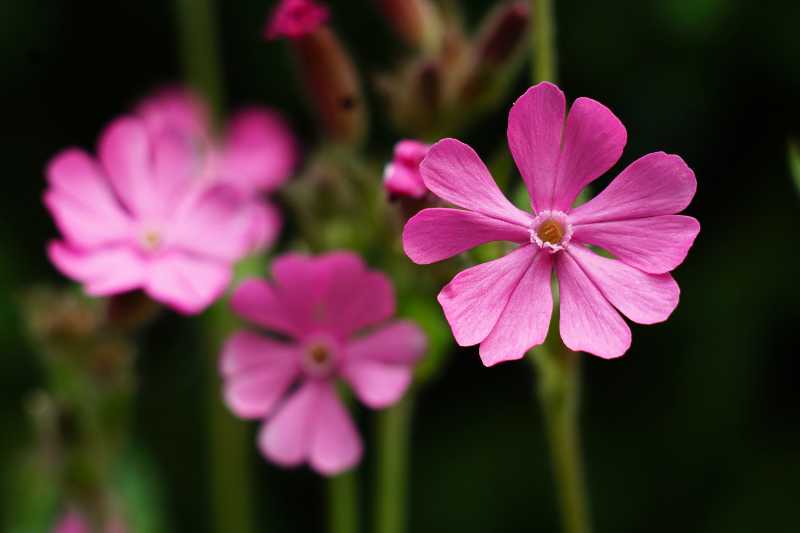
7. red campion

Red campion (Silene dioica) is found in abundance throughout much of the British Isles. This includes Great Britain, the Isle of Man, and Northern Ireland (though it is less common in the Republic of Ireland). It has also been introduced to North America, where it is sometimes called "red catchfly."

This flower often grows alongside bluebells, though, as red campion blooms slightly later, there is a limited window in which one might see the blue and pink of their flowers side by side. Red campion is often associated with fairies, which has led to a superstition (particularly on the Isle of Man) that the flowers should not be picked. Its flowers provide a valuable source of nectar for pollinating insects.
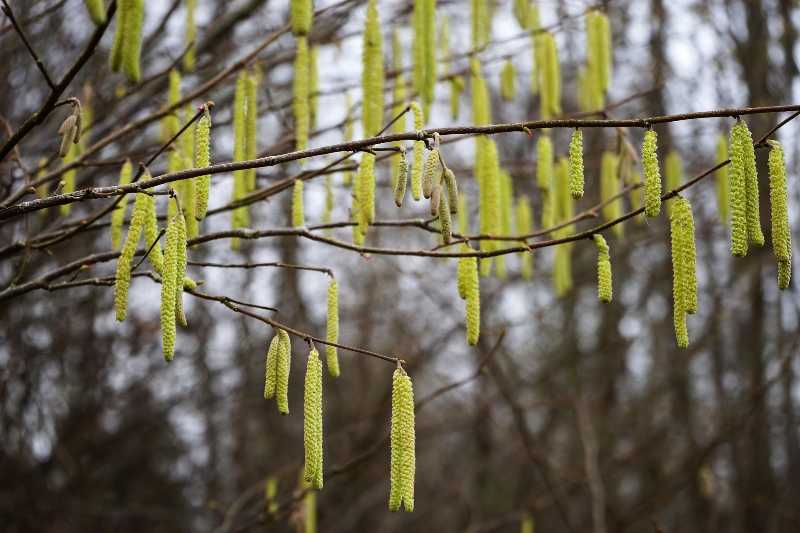
8. common hazel

The common hazel (Corylus avellana) can be found across much of Europe. In the U.K., particularly England, it has historically served as both a food source and a plant used to mark land boundaries through hedgerows. Its wood was used for fencing and as the woven framework in wattle-and-daub walls, though it was generally not used as the main structural timber in buildings.

Interestingly, although hazelnuts could be foraged quite easily, they appear less often than almonds in surviving British historical recipes. Part of this was due to the versatility that almonds offered in the kitchen, particularly because they could be ground and used to make almond milk. Another possible factor is that hazelnuts were a readily available local food and were often eaten directly rather than used in elaborate dishes. Almonds, on the other hand, had to be imported and were more strongly associated with wealthy households, making them more likely to appear in the written recipes that have survived.
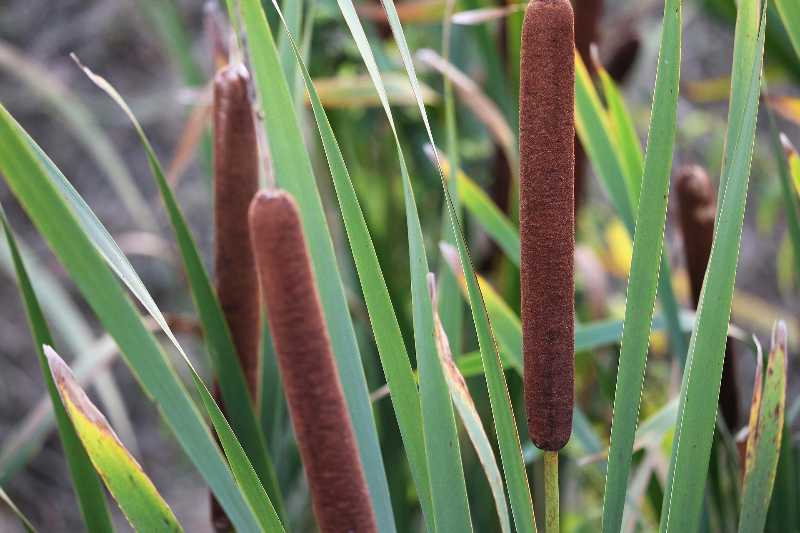
9. bulrush

The term "bulrush" can be applied to several different wetland plants, though in modern British usage, it commonly refers to plants in the genus Typha, particularly Typha latifolia. In the U.K., the plant is also called great reedmace, while in American English, it is generally referred to as the cattail.

While Typha latifolia is widely distributed across the Northern Hemisphere, within British culture, bulrushes are often associated with stories set in wetlands and along English riverbanks, such as "The Wind in the Willows" by Kenneth Grahame.

Several parts of the plant are edible when harvested and prepared properly, particularly the underground rhizomes; however, the mature brown, sausage-shaped flower spikes are not generally eaten (and if you've ever happened upon any viral videos of people attempting to bite into one, you'll quickly see how the tightly packed seeds burst apart).
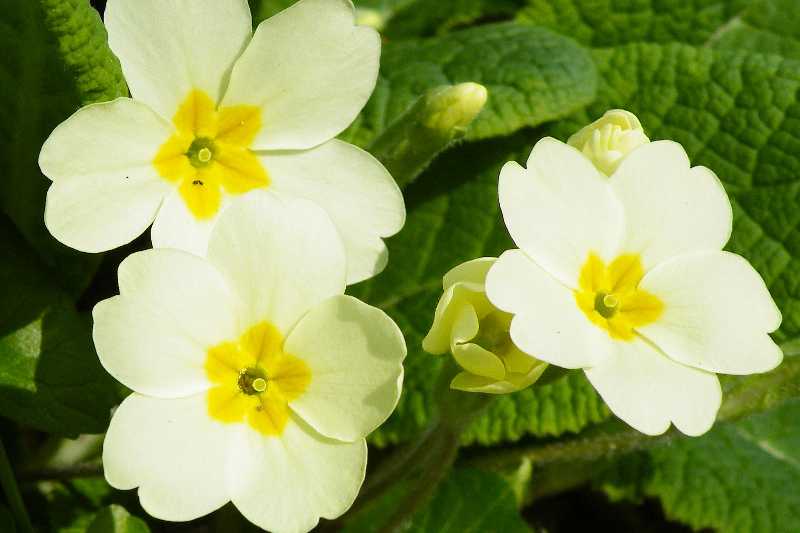
10. primrose

Primula vulgaris is the scientific name for the primrose, also called the common primrose or English primrose. In the U.K., it grows as a wildflower and is also cultivated in gardens, with a more specific tradition of being included in English cottage gardens. Wild primroses are generally pale yellow, though cultivated varieties range from white and yellow to bright purple and pink.

This flower is referenced in numerous British literary works, including the poetry of Keats and Wordsworth, the plays of Shakespeare, and the writings of Oscar Wilde. It has also made its way into British heraldry, appearing as three golden primroses on the coat of arms of the Earls of Rosebery.
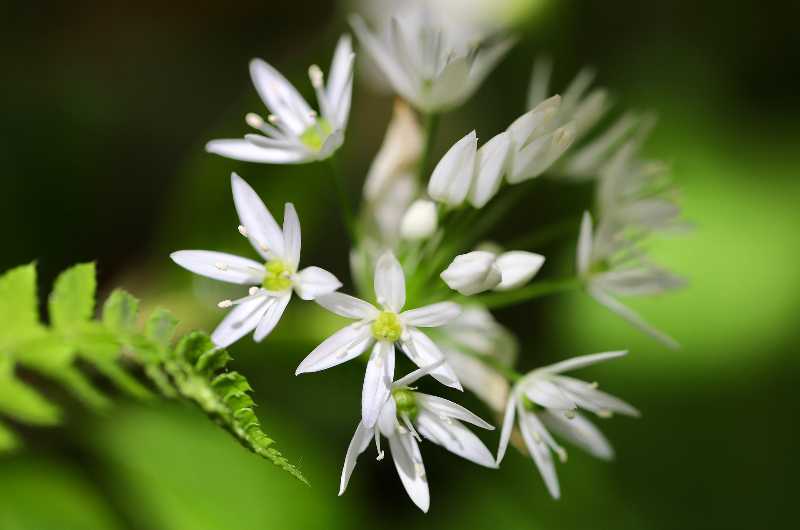
11. wild garlic

The species Allium ursinum has many names, though "wild garlic" is the most common. In the U.K., common alternatives include ramsons, wood garlic, and bear's garlic. Add the additional name cow's leek, and we can see that several of the plant's names have been inspired by animals that are said to eat it (humans included).

Bears have long been said to dig up the plant for food, which is believed to be reflected in the plant's scientific name. Cows also can't get enough of it, and grazing on wild garlic can give their milk a garlicky flavor. Humans forage the plant for use in salads and sauces. However, one must be careful when picking it: its leaves and flowers resemble those of a number of poisonous wild plants, including lily of the valley and autumn crocus.
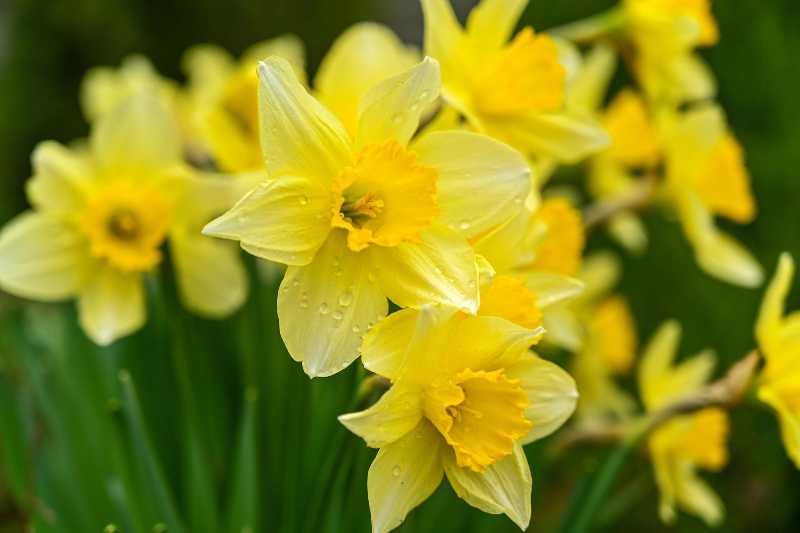
12. wild daffodil

The scientific name for the wild daffodil is Narcissus pseudonarcissus. The species name was formally published by Carl Linnaeus in 1753, although the term pseudonarcissus had been used earlier for trumpet-shaped daffodils. It is considered the national flower of Wales and is called "cenhinen Bedr" (Peter's leek) in Welsh.

Wild daffodils can be found in several nature reserves throughout the U.K. When grown from seed, daffodils may take around five to seven years to flower, which is a factor that must be considered when planting them from seeds as opposed to bulbs. In terms of literature, the flower is most closely associated with William Wordsworth and his poem "I Wandered Lonely as a Cloud," which is itself sometimes called "Daffodils." The flowers in his poem were inspired by daffodils that he and his sister Dorothy saw growing beside Ullswater in the Lake District.
Source: Author trident

This quiz was reviewed by FunTrivia editor rossian before going online.
Any errors found in FunTrivia content are routinely corrected through our feedback system.
7/12/2026, Copyright 2026 FunTrivia, Inc. - Report an Error / Contact Us