FREE! Click here to Join FunTrivia. Thousands of games, quizzes, and lots more!
Quiz about Double Check Your Work

Double Check Your Work Trivia Quiz

Mathematical Symbols and Concepts

My math teachers always told me to double check my work, since one little mistake could bring the whole problem down. Can you identify these mathematical symbols and concepts from the images meant to represent them?

by trident. Estimated time: 3 mins.
  1. Home
  2. »
  3. Quizzes
  4. »
  5. Science Trivia
  6. »
  7. Math
  8. »
  9. Mixed Math

Author
trident
Time
3 mins
Type
Quiz #
422,775
Updated
Jan 18 26
# Qns
12
Difficulty
Easy
Avg Score
11 / 12
Plays
33
Last 3 plays: debbitts (6/12), Guest 63 (12/12), Tim6164 (12/12).
Drag-Drop or Click from Right
Options
absolute value not equal pi plus or minus exponent ratio function cosecant square root factorial imaginary number natural logarithm


 View Image Attributions for This Quiz

Most Recent Scores
Today : debbitts: 6/12
Today : Guest 63: 12/12
Today : Tim6164: 12/12
Today : psnz: 12/12
Today : Guest 98: 8/12
Today : Dizart: 10/12
Today : Guest 108: 12/12
Today : ebanks120: 12/12
Today : Lottie1001: 12/12

Quiz Answer Key and Fun Facts
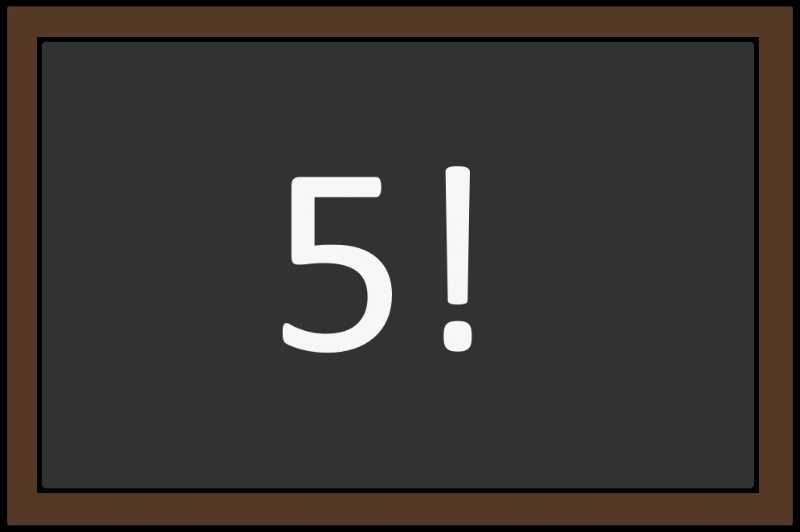
1. factorial

A factorial is a mathematical way to multiply a whole number by all the smaller whole numbers that come before it. It is written with an exclamation point, so "5!" means 5 × 4 × 3 × 2 × 1, which equals 120. Factorials grow very quickly as the numbers get larger, because each new step adds another multiplication.

They are important in topics like probability, combinations, and algebra because they make it easier to work with large groups of possibilities in an organized way.
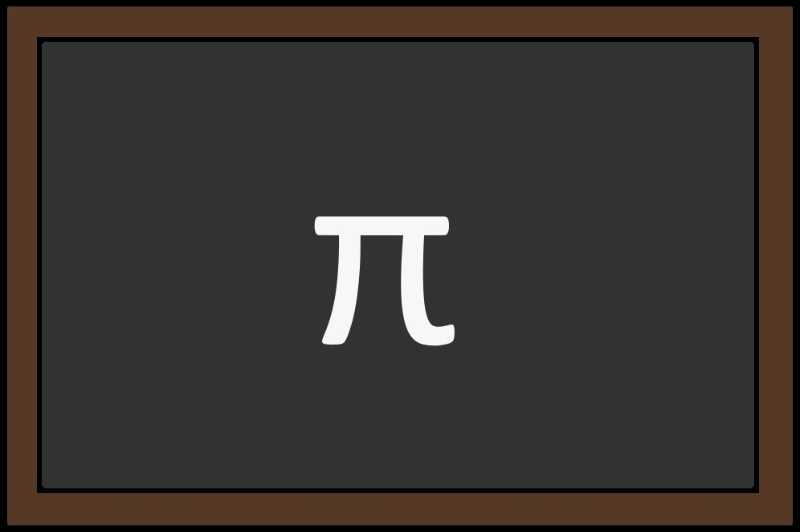
2. pi

Pi describes the relationship between a circle's size and its distance around. It is written with the Greek letter and is approximately equal to 3.14, though its exact value never ends or repeats. No matter how big or small a circle is, if you divide the distance around the circle (the circumference) by the distance across it (the diameter), you will always get pi.
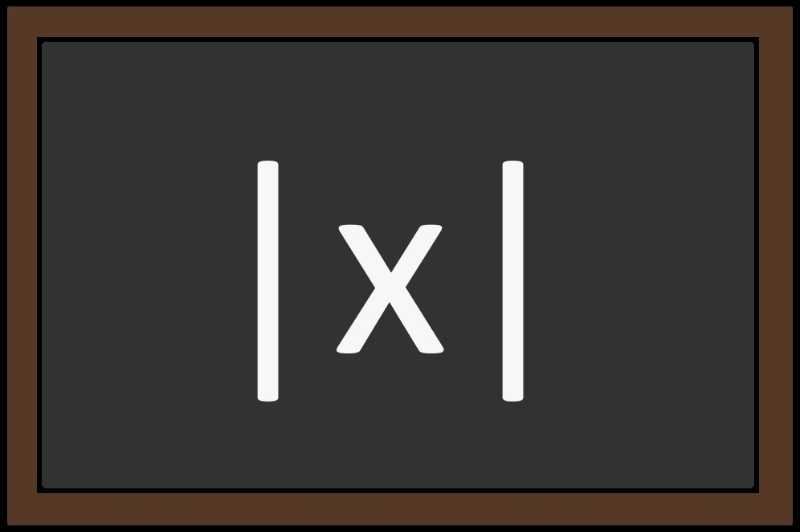
3. absolute value

Absolute value is a way to describe how far a number is from zero on a number line, without paying attention to whether the number is positive or negative. It is written with two straight lines around the number, such as |-7| or |5|. The absolute value of -7 is 7, and the absolute value of 5 is 5 because both numbers are seven and five units away from zero.

It is useful when working with real-world situations like temperature changes or money amounts.
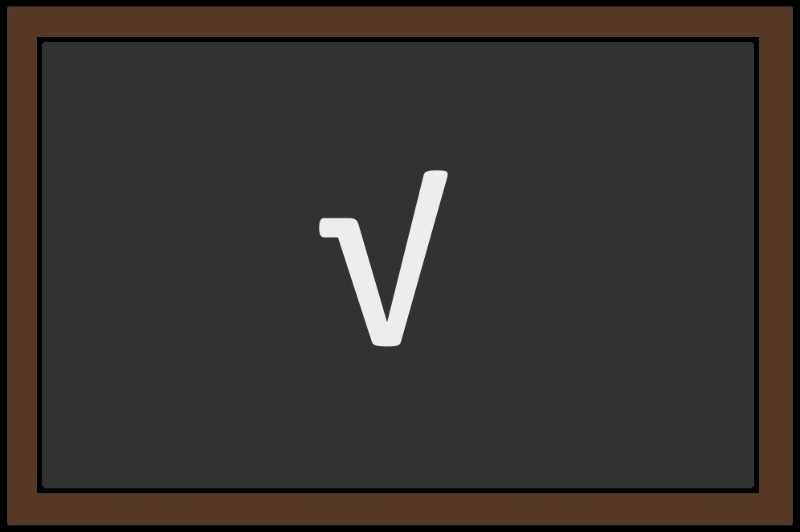
4. square root

A square root is a number that, when multiplied by itself, gives a certain value. For example, the square root of 9 is 3 because 3 × 3 equals 9. Every positive number has a square root, and it is written with a special symbol called a radical sign. Some square roots are whole numbers, like the square root of 16 being 4, while others are decimals that never end neatly, like the square root of 2.
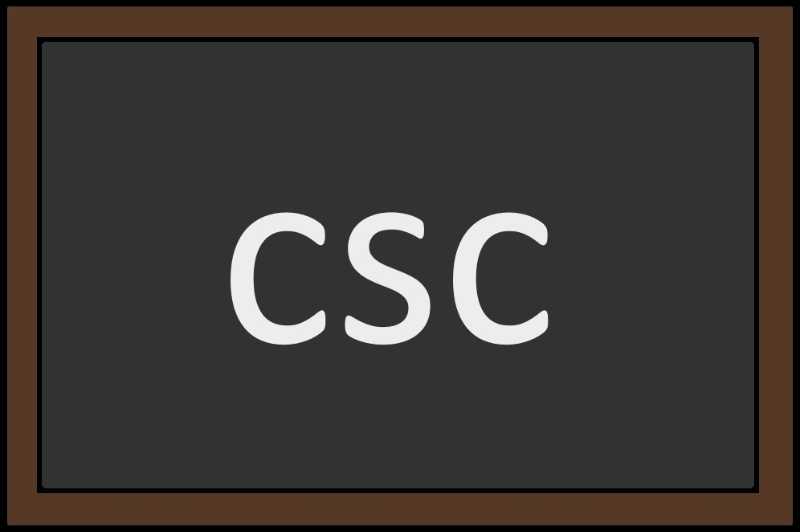
5. cosecant

The cosecant is one of the six main trigonometric functions and is based on right triangles. In a right triangle, the cosecant of an angle is found by dividing the length of the hypotenuse by the length of the side opposite that angle. The cosecant is the reciprocal, or opposite, of the function sine, so it can also be thought of as the number 1 divided by the sine.
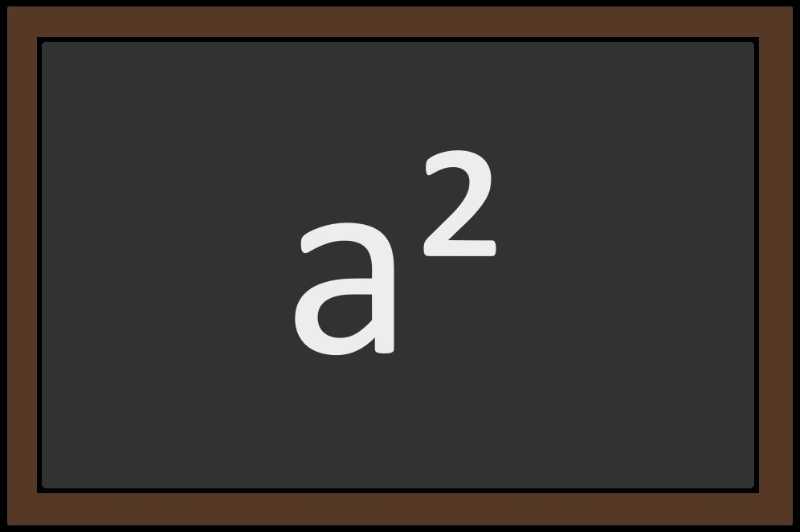
6. exponent

An exponent is a small number written above and to the right of another number that tells how many times to multiply that number by itself. For example, in 4³ the 3 is the exponent, and it means 4 × 4 × 4, which equals 64. Exponents are a quick way to show repeated multiplication without writing the same number over and over.
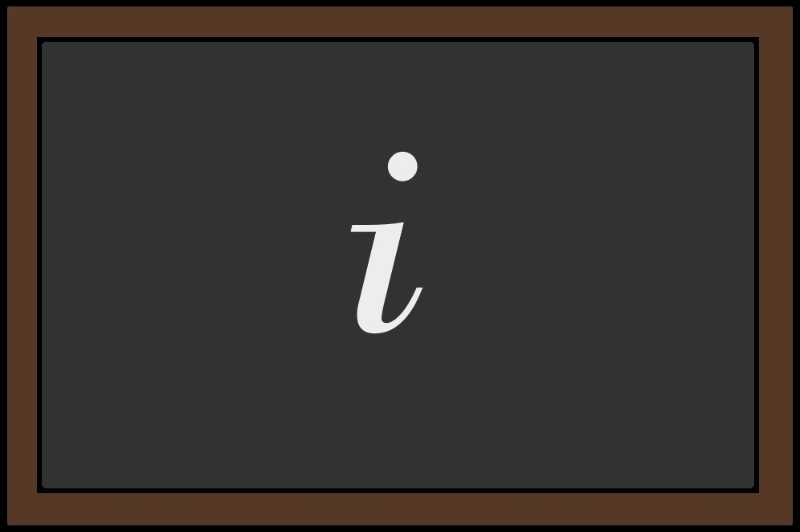
7. imaginary number

Imaginary numbers are numbers that involve the square root of -1, which is something ordinary numbers cannot do. Mathematicians use the symbol i to represent the square root of -1. For example, the number 3i is an imaginary number. They can help scientists and engineers describe electricity, sound waves, and other real-world patterns that are hard to explain with ordinary numbers alone.
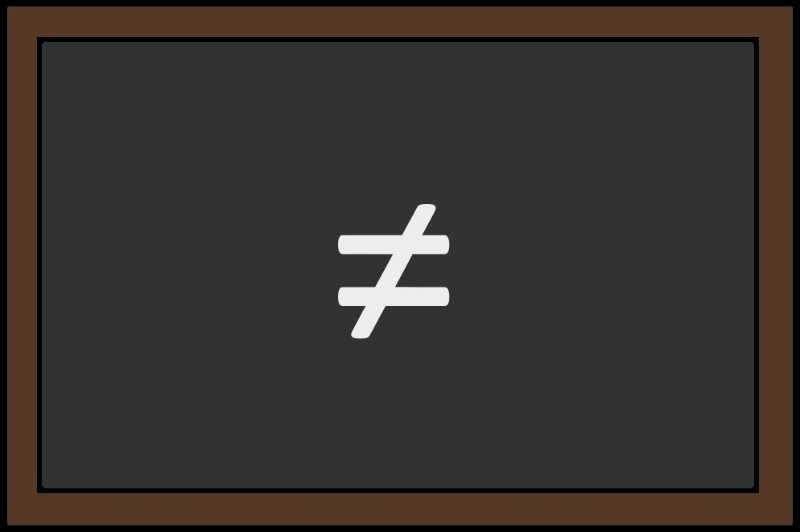
8. not equal

The "not equal" sign shows two things do not have the same value. It looks like an equal sign with a diagonal slash through it. It is generally used when you want to put emphasis on your comparison, e.g. when you want to definitively show that two values are not equal.
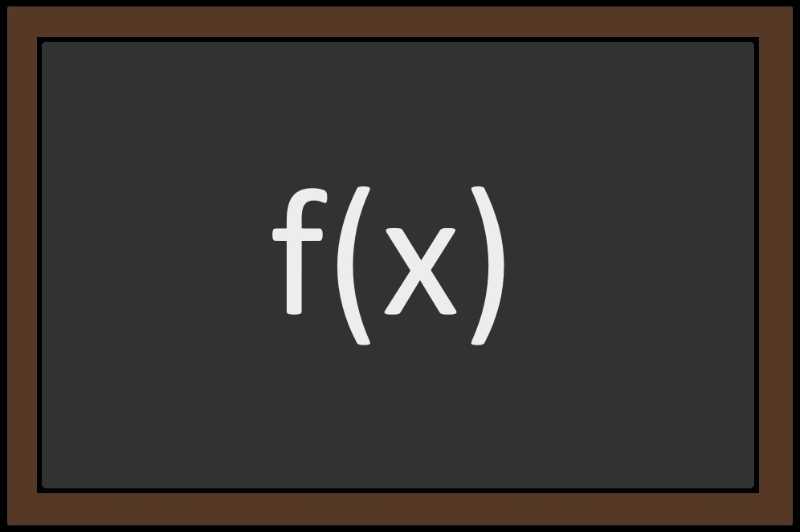
9. function

A function is a type of rule that takes an input number and gives back one specific output number. The symbol f(x) is a common way to write a function, where x is the input and f(x) is the result after the rule is applied.

For example, if a function is f(x) = x + 2, then putting in 3 for x gives f(3) = 5. Functions are used to show how one quantity depends on another, such as how distance depends on time or how cost depends on the number of items bought. They make it easier to understand and predict how changing one number affects another.
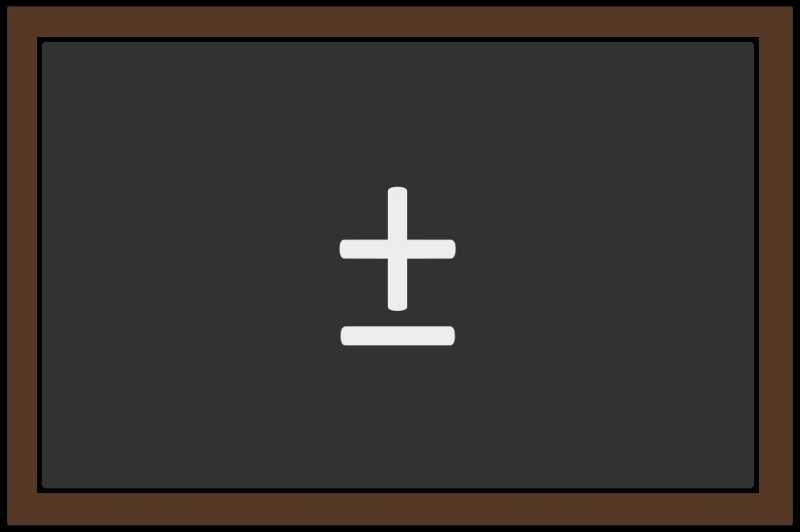
10. plus or minus

The plus or minus sign (written as ±) shows that a number can have two possible values: one positive and one negative. For example, ±6 means positive six or negative six. It is used when a problem has more than one correct answer, such as when working with square roots.
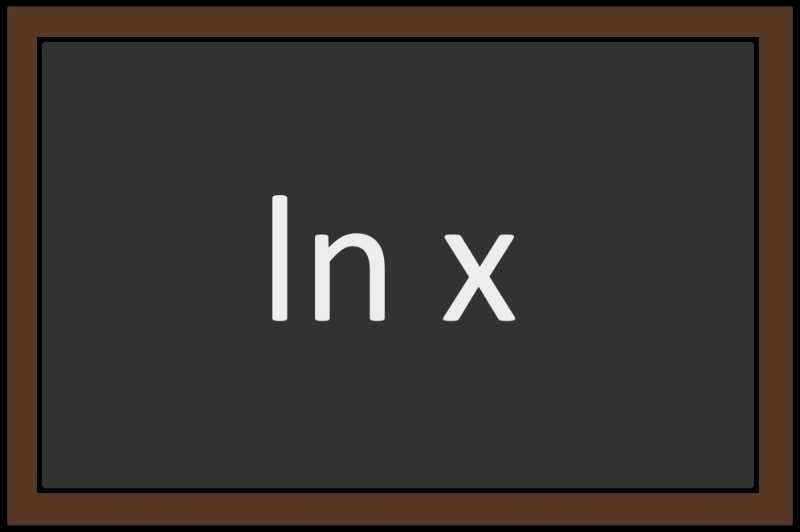
11. natural logarithm

The natural logarithm is a special type of logarithm based on the mathematical constant e, which is approximately 2.718. A logarithm answers the question, "What exponent do I need?" The symbol for the natural logarithm is "ln x" (lowercase L), which means "the power of e that equals x." When you write "ln x = 2", it means e² equals x.
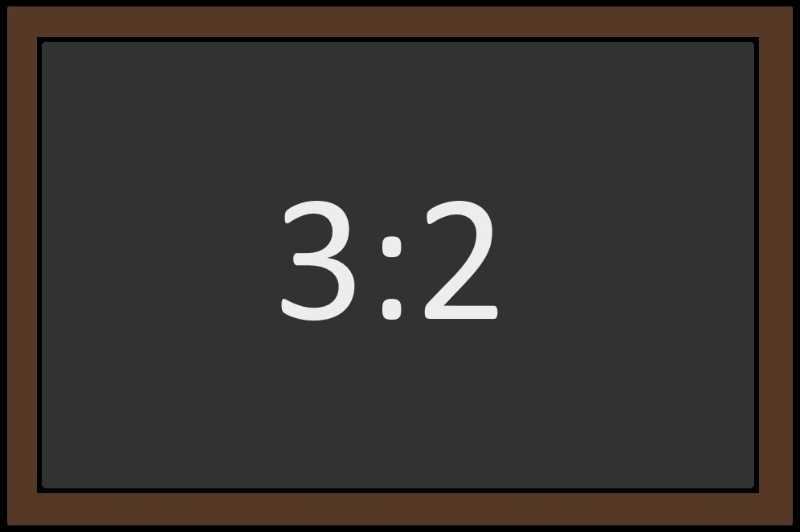
12. ratio

A ratio is a way to compare two amounts by showing how much of one thing there is compared to another. It is often written using a colon, such as "3:2", which means "three to two." When using them in mathematical calculations, they are often converted to fractions separated by a slash, making them easier to work with.
Source: Author trident

This quiz was reviewed by FunTrivia editor rossian before going online.
Any errors found in FunTrivia content are routinely corrected through our feedback system.
Related Quizzes
1. Math Trivia 5 Tough
2. Mathemagic! Difficult
3. Math Trivia 1 Very Difficult
4. Greek and Latin in Mathematics Average
5. What's the Product? Tough
6. To All You Mathletes...Part II Very Difficult
7. Do The Math Average
8. Weapons Of Math Destruction Average
9. Million Dollar Math Very Difficult
10. Special Numbers Tough
11. Math Quiz Very Difficult
12. A Tricky 'n' Easy Maths Quiz! (2) Tough

1/18/2026, Copyright 2026 FunTrivia, Inc. - Report an Error / Contact Us