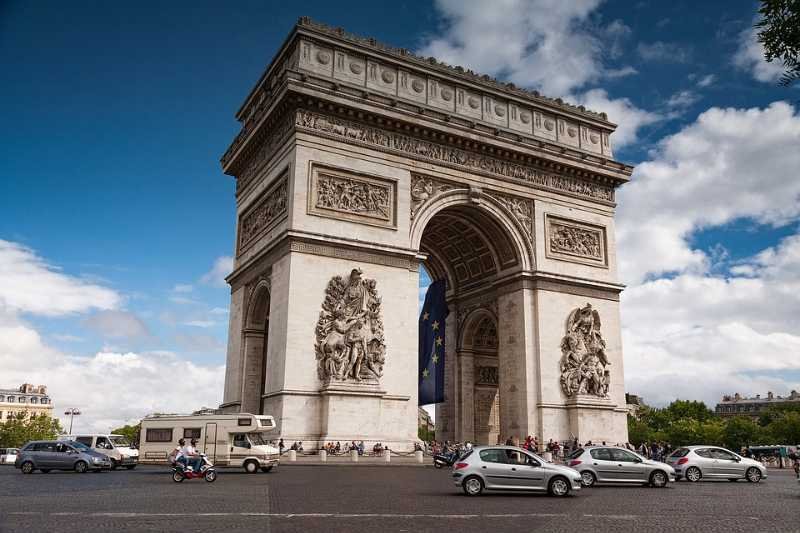
The Arc de Triomphe stands in Paris, France, and dates back to the early 19th century. Napoleon Bonaparte ordered its construction in 1806 to celebrate the victories of the French army, though it wasn't finished until 1836, during King Louis Philippe's reign. Built in a Neoclassical style and made of white marble, it takes inspiration from Rome's Arch of Titus.
Its surface is covered with detailed reliefs showing key moments like the Battle of Austerlitz.
2. Notre-Dame
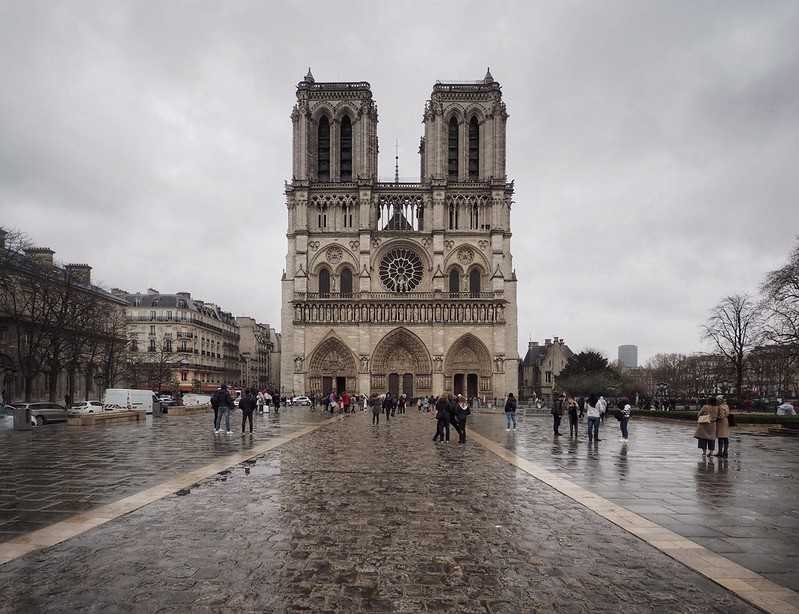
Notre-Dame Cathedral, one of Paris's most recognizable landmarks, took nearly two centuries to complete, with work starting in 1163 and finishing in 1345. Its Gothic design shows up clearly in features like pointed arches, ribbed vaults, and stained-glass windows. Sculptures and gargoyles line the exterior.
A major fire in 2019 destroyed much of the roof and damaged the upper walls, though the main structure survived. The French government committed to restoring it in its original style, a project expected to take decades.
3. Mont-Saint-Michel
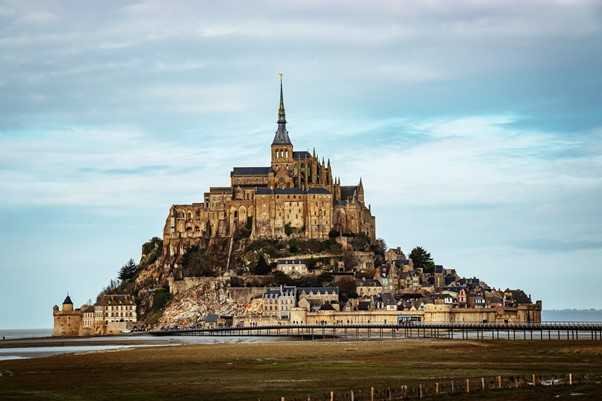
Off the coast of Normandy sits Mont-Saint-Michel, a small island topped with a medieval abbey and fortress. Construction began as early as the 8th century and continued for hundreds of years, blending Romanesque and Gothic styles. The structure is known for its layered design, with detailed buttresses and carvings covering the exterior.
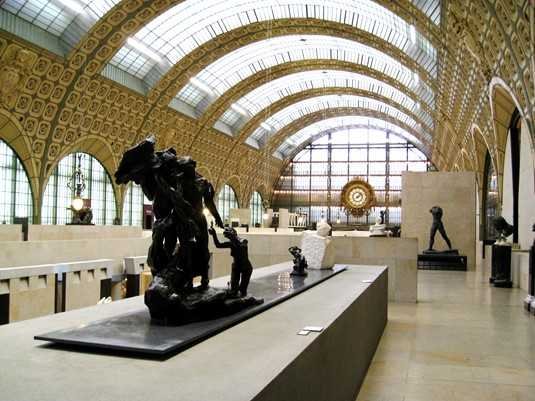
4. Musee d'Orsay
The Musée d'Orsay wasn't always a museum. It started out as a railway station built for the 1900 Exposition Universelle. Designed in the Beaux-Arts style, it served trains until 1939 before falling out of use. After years of neglect, the building was renovated and reopened in the 1980s as a museum. Today, it holds a large collection of French art from the 19th and early 20th centuries and attracts millions of visitors.
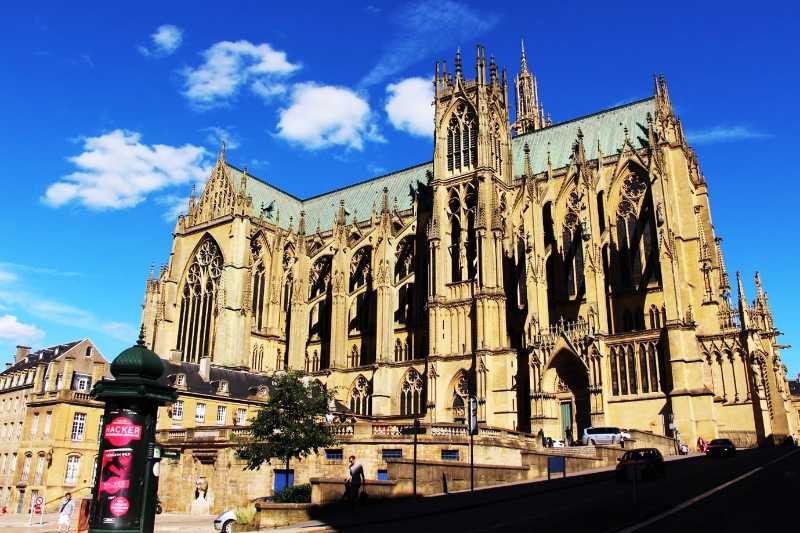
5. Metz Cathedral
The Metz Cathedral is a Roman Catholic cathedral located in Metz, France, that was constructed in the Gothic architectural style. The construction of the cathedral was started by Bishop Conrad de Scharfenberg in 1220 and continued for over 300 years, with its final completion in 1520. It is nicknamed "la Lanterne du Bon Dieu," which means "the Good Lord's Lantern."
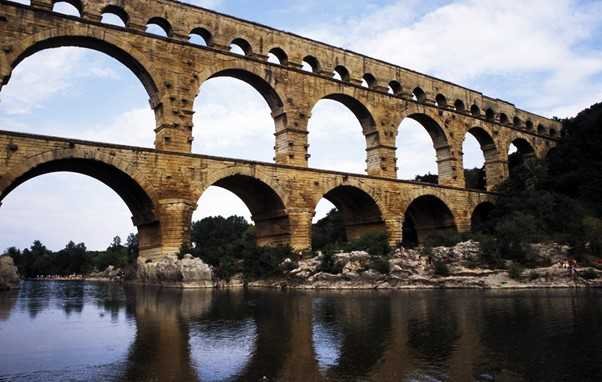
6. Pont du Gard
The Pont du Gard is a Roman aqueduct bridge built in the 1st century AD in southern France. Its purpose was practical: to carry water from a spring near Uzès all the way to Nîmes, over 50 kilometers away. The structure uses three levels of arches, reaching nearly 50 meters at its highest point, and is a classic example of Roman engineering.
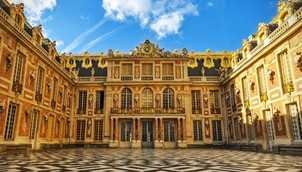
7. Palace of Versailles
The Palace of Versailles began as a royal project under Louis XIV in 1661 and took over 50 years to complete. Located just outside Paris, it became a symbol of royal power. Inside, the palace is filled with elaborate decorations, including paintings, sculptures, and richly woven tapestries, all reflecting the grandeur of the Baroque style.
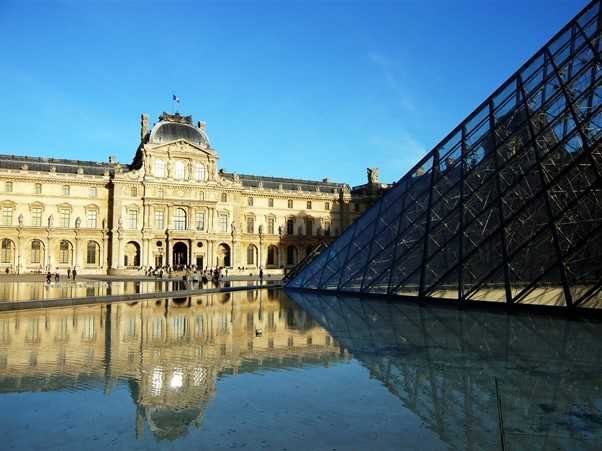
8. Musee du Louvre
The Louvre in Paris has had several lives. It started as a fortress in the late 12th century and was later turned into a royal palace during the Renaissance. Today, it's one of the world's most famous museums.
The glass pyramid in its courtyard, designed by architect I. M. Pei, was added in 1989 as part of a major renovation ordered by President François Mitterrand. At first controversial, it has since become one of the museum's defining features.
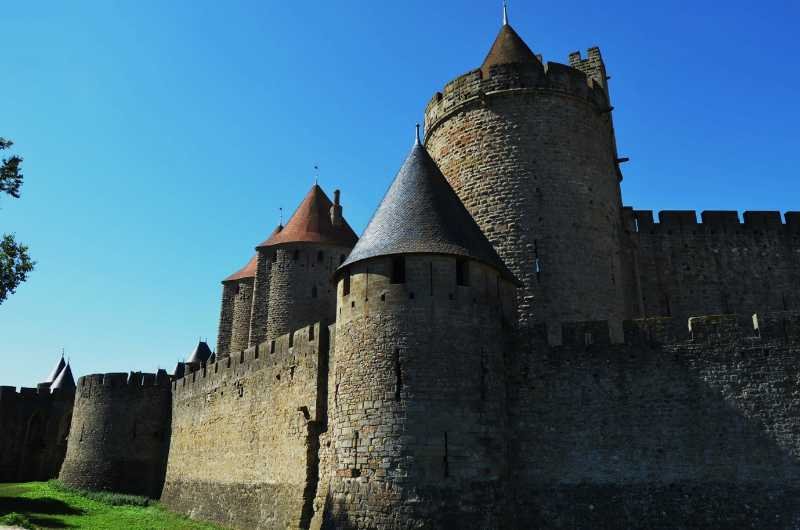
9. Carcassonne
Carcassonne is a medieval fortified city in southern France, known for its dramatic hilltop setting. Much of what stands today was built during the 12th and 13th centuries. The city is surrounded by two defensive walls-an inner one and a longer outer wall stretching about 3 kilometers, lined with towers and fortified gates. Some parts even date back to Roman times.
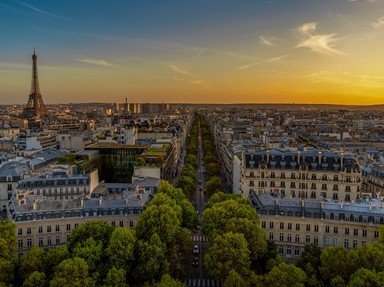
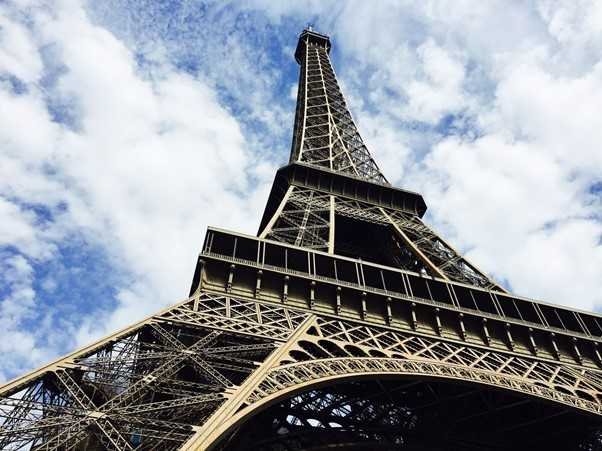
10. Eiffel Tower
Built in 1889 for the World's Fair, the Eiffel Tower quickly became a symbol of Paris. It was originally meant to be temporary, but public enthusiasm kept it standing. Made of wrought iron and rising to 324 meters, it held the title of the world's tallest man-made structure for over 40 years.
This quiz was reviewed by FunTrivia editor stedman before going online.
Any errors found in FunTrivia content are routinely corrected through our feedback system.