FREE! Click here to Join FunTrivia. Thousands of games, quizzes, and lots more!
Spanish Snapshots - Plants Trivia Quiz
Photos can be a great help when learning a new language. Match these twelve photos to their proper Spanish translations! (Click the images for a closer look!)
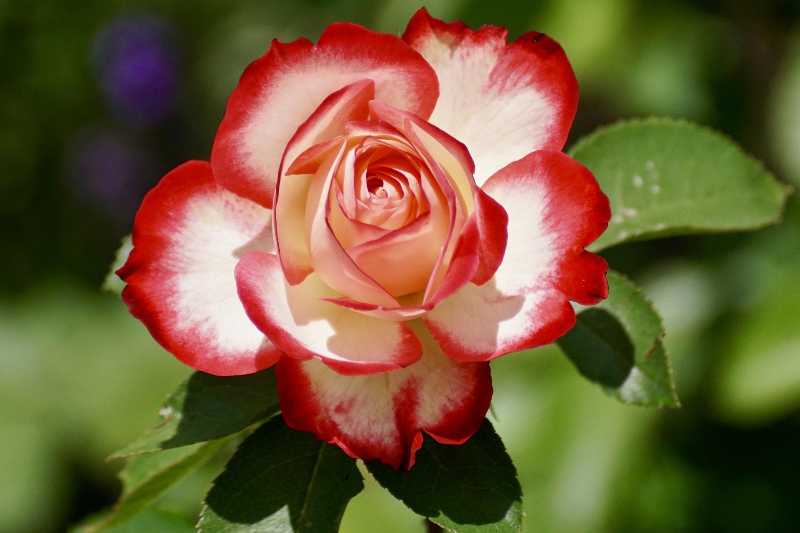
Roses are flowering plants known for their colorful petals and sweet fragrance ("fragancia"). Each stem of a rose usually has at least one thorn ("espina"), which helps protect the plant from animals that might try to eat its leaves or flowers. Roses also produce hips ("escaramujos"), the small, round fruit that contains seeds and is sometimes used in teas or jams.
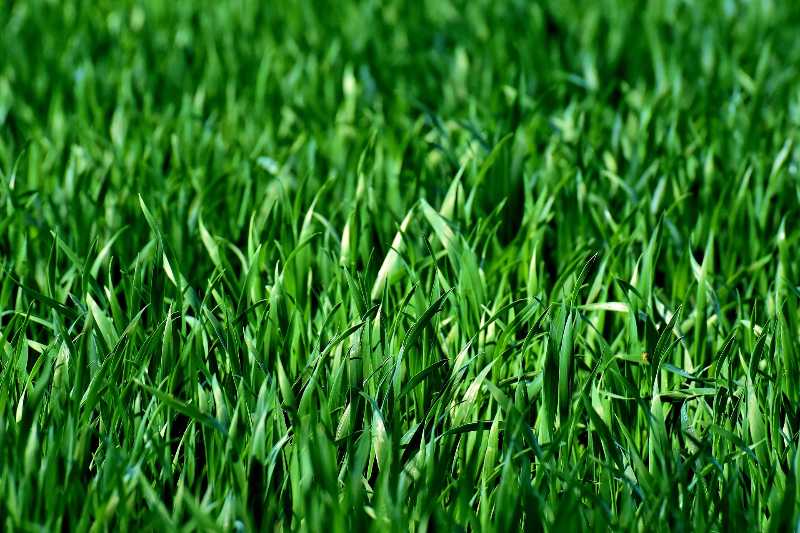
2. La hierba
In Spanish, grass is often called "la hierba" in general contexts, but several alternate terms exist depending on the region and usage. For example, "el pasto" is commonly used in Latin America to refer to grass in lawns or fields, while "el césped" is often used in sports or gardening to describe a maintained grassy area.
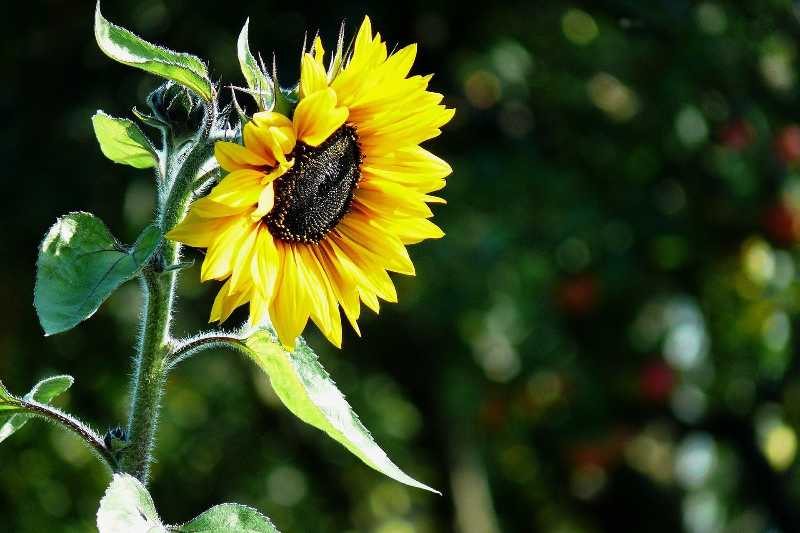
3. El girasol
Sunflowers are tall plants that turn to follow the sun, a behavior called heliotropism ("heliotropismo"). Each flower head is made up of many small florets ("flósculos") that mature into edible seeds. These sunflower seeds ("semillas de girasol") are used for snacks and to produce sunflower oil ("aceite de girasol").
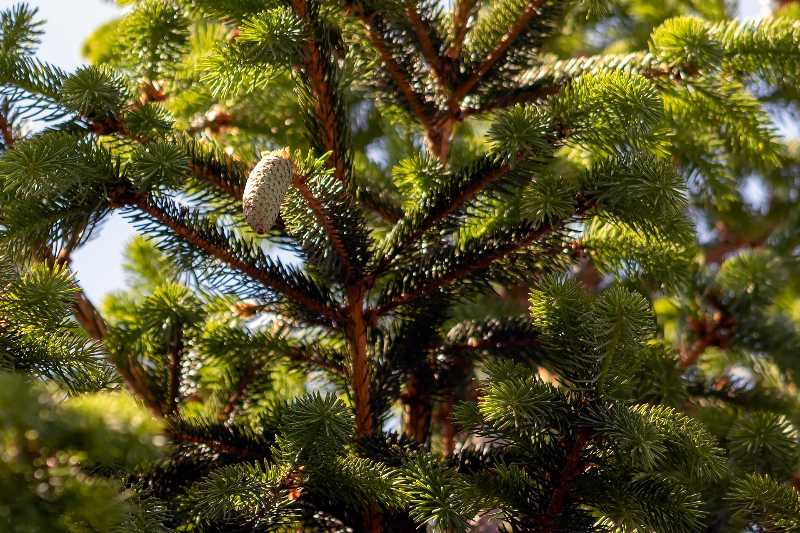
4. El pino
Pine trees are tall coniferous trees ("árboles coníferos") known for their long, thin needles ("agujas") and seed-bearing cones ("piñas" or "conos"). They grow in forests ("bosques") and are evergreen, meaning they keep their needles all year. Pine wood is widely used in construction and for making furniture ("muebles").
The trees also produce resin ("resina"), which can be used to make products like turpentine.
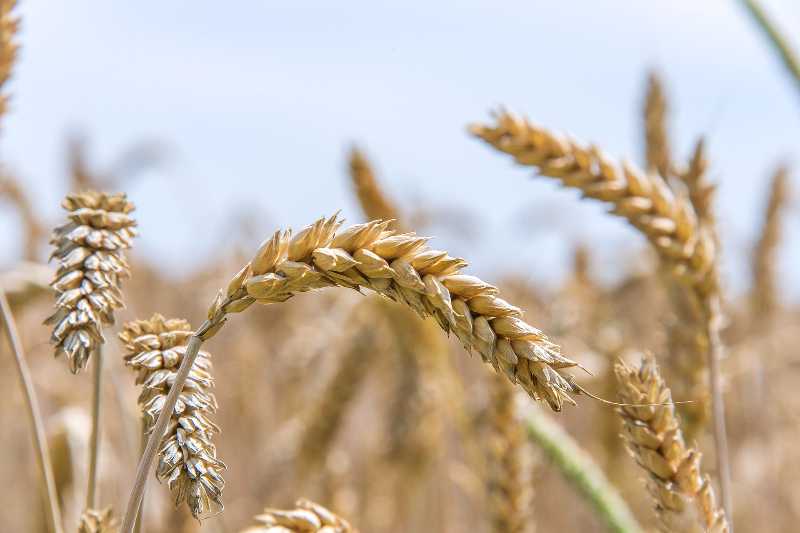
5. El trigo
Wheat is a tall grass grown in fields, which is harvested and processed into many products. The top of the plant holds the spike ("espiga"), which contains the kernels ("granos") used to make flour ("harina"). This flour is then used to make dough ("masa"), which is used to bake bread ("pan") and many other foods.
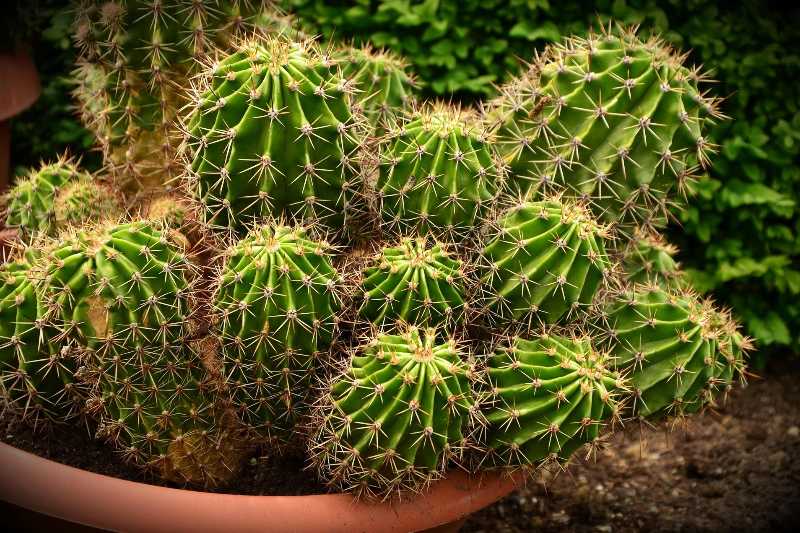
6. El cactus
Cacti are succulent plants ("plantas suculentas") adapted to live in dry desert environments ("entornos desérticos"). They are usually covered with sharp spines ("espinas") instead of leaves to reduce water loss and protect them from animals. Many cacti produce colorful flowers and edible fruits, such as the prickly pear ("tuna").
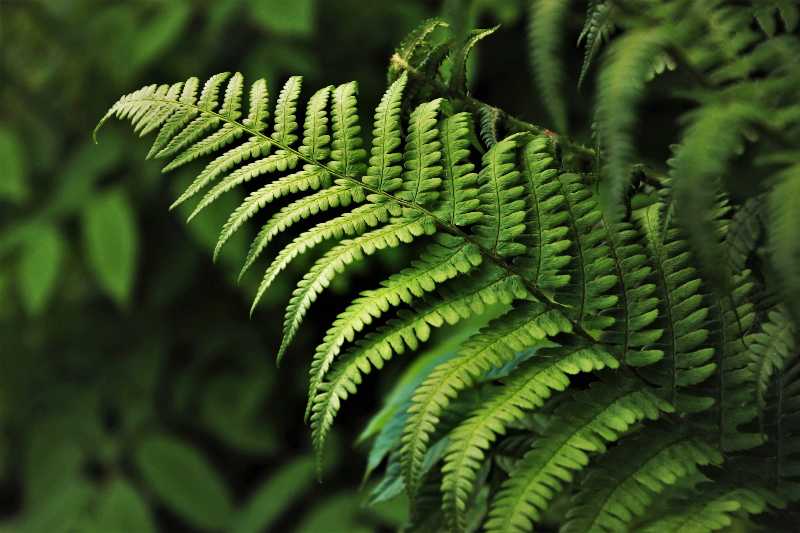
7. El helecho
Ferns are non-flowering plants that reproduce using spores ("esporas") instead of seeds. They grow in shady forests or humid environments and have large, divided fronds ("frondas") that unroll as they grow. Ferns do not produce fruit, but some types are used in traditional medicine ("medicina tradicional").
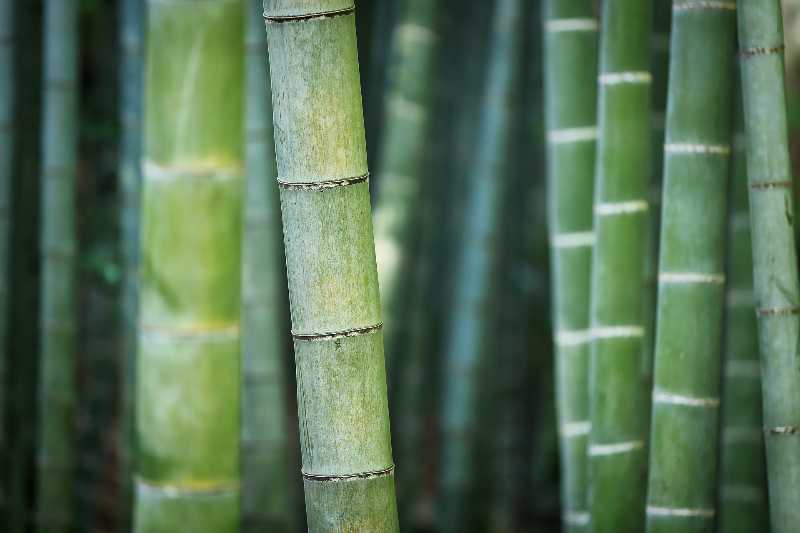
8. El bambú
Bamboo is a fast-growing grass with tall, hollow stems called culms ("culmos") that grow in segments separated by nodes ("nudos"). Bamboo is used to make furniture ("muebles"), paper, flooring, and even textiles ("textiles"). In some cultures, young shoots ("brotes") are also cooked and eaten as a vegetable.
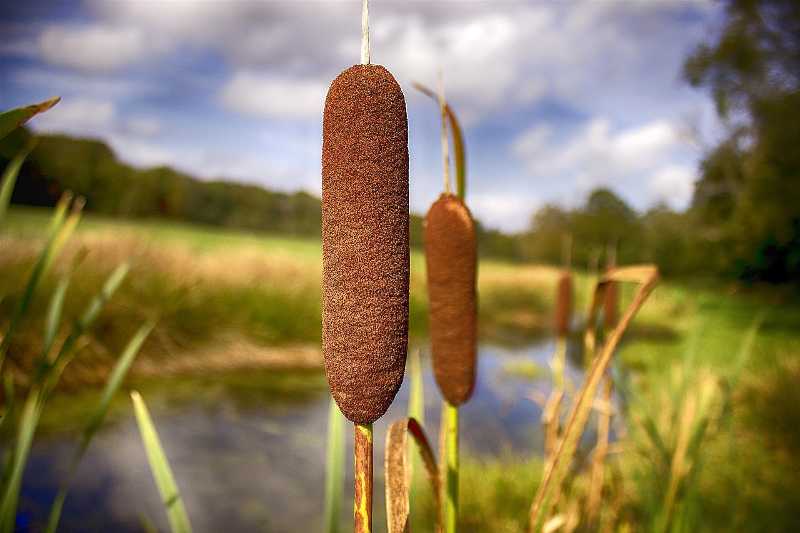
9. La enea
The cattail/bulrush is most commonly called "la enea," but it is also called "la espadaña" in Spain.
Cattails are found in wetlands ("humedales") like ponds, lakes, and marshes. They are known for their long leaves and brown, cylindrical flower spikes ("espigas florales cilíndricas"). Beneath the surface, cattails grow from a thick rhizome ("rizoma"), a type of underground stem that helps the plant spread and store nutrients.
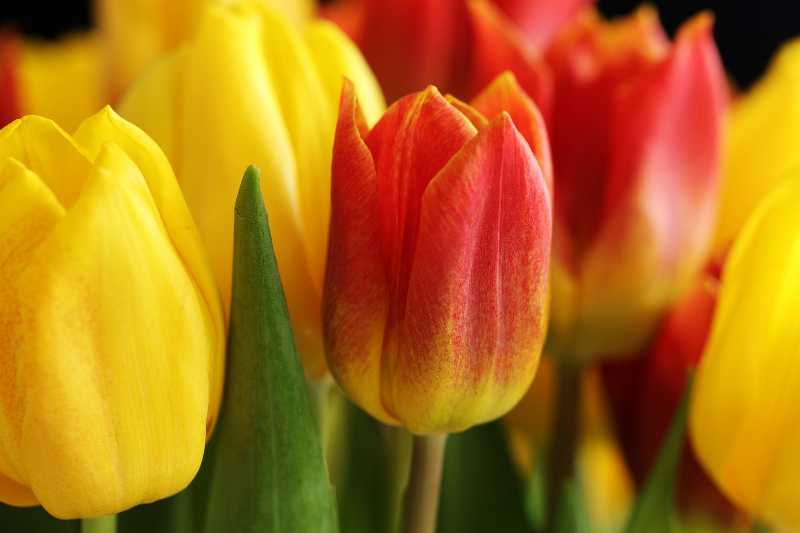
10. El tulipán
Tulips are flowering plants that grow from an underground bulb ("bulbo"). Over time, gardeners have developed many cultivars ("cultivares"), or selected varieties, to produce different colors and petal shapes. Tulips are also often hybrids ("híbridos"), created by crossing different species to achieve rare colors.
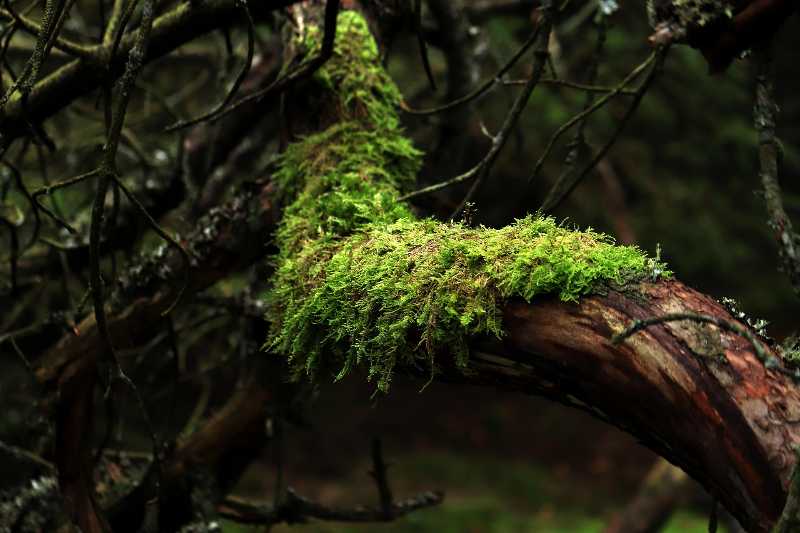
11. El musgo
Mosses grow in damp, shady places like forest floors ("suelos de bosques") and tree trunks ("troncos de árboles"). They do not have true roots ("raíces"), but instead use tiny structures called rhizoids ("rizoides") to anchor themselves. Mosses play an important role in ecosystems by preventing soil erosion ("erosión del suelo").
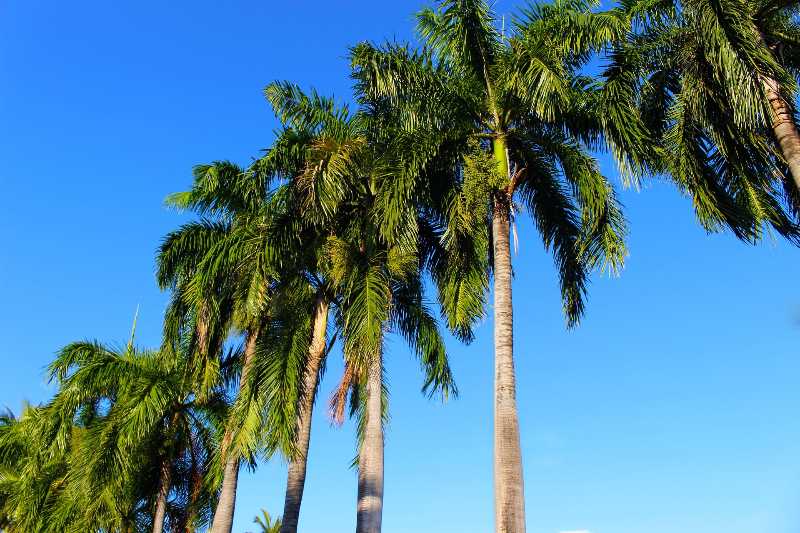
12. La palmera
Palm trees are tropical plants known for their tall trunks ("troncos") and large fronds ("frondas") that can be fan-shaped or feather-like. Some species produce valuable fruits, such as the coconut ("coco"), while others are harvested for palm oil ("aceite de palma"). The carnauba palm is valued for its carnauba wax ("cera de carnauba"), which is used in polishes and coatings.
This quiz was reviewed by FunTrivia editor Bruyere before going online.
Any errors found in FunTrivia content are routinely corrected through our feedback system.