FREE! Click here to Join FunTrivia. Thousands of games, quizzes, and lots more!
Quiz about My Gustatory Day

My Gustatory Day Trivia Quiz

Origins of Various Foods

I spent the day buying fresh ingredients from my grocery store. This was only possible because humans have moved them from one place in the world to another. Match the foods with their correct native homes. (Click the images for a closer look!)

by trident. Estimated time: 3 mins.
  1. Home
  2. »
  3. Quizzes
  4. »
  5. Hobbies Trivia
  6. »
  7. Food & Drink
  8. »
  9. History of Food

Author
trident
Time
3 mins
Type
Quiz #
417,715
Updated
May 14 26
# Qns
12
Difficulty
Easy
Avg Score
10 / 12
Plays
523
Awards
Editor's Choice
Last 3 plays: Guest 58 (5/12), Guest 41 (12/12), Guest 174 (10/12).
For the purposes of this quiz, "Eurasia" generally refers to those regions outside East Asia, and "The Americas" refers to both North and South America.
Drag-Drop or Click from Right
Options
Eurasia East Asia East Asia The Americas East Asia East Asia The Americas The Americas The Americas Eurasia Eurasia Eurasia


 View Image Attributions for This Quiz

Most Recent Scores
Today : Guest 58: 5/12
Jun 10 2026 : Guest 41: 12/12
Jun 04 2026 : Guest 174: 10/12
May 31 2026 : Guest 116: 8/12
May 30 2026 : PDAZ: 12/12
May 22 2026 : Guest 98: 4/12
May 21 2026 : Guest 63: 9/12
May 15 2026 : Guest 46: 0/12
May 06 2026 : Guest 208: 8/12

Quiz Answer Key and Fun Facts
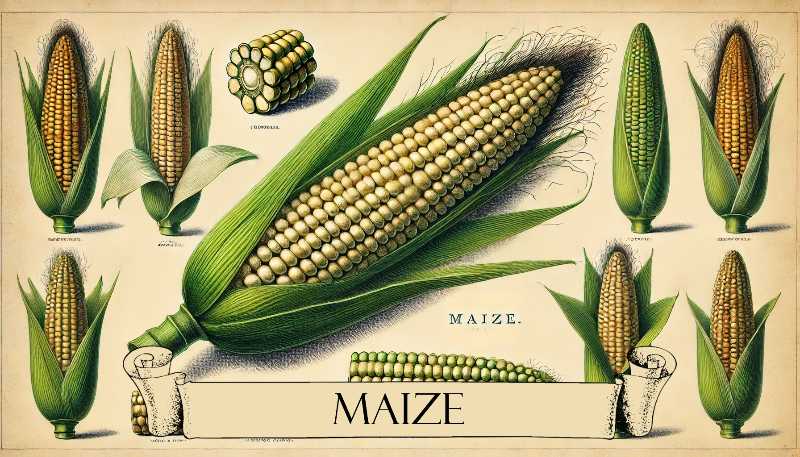
1. The Americas

Maize, the crop most English speakers call corn, began as teosinte in southern Mexico roughly 9,000 years ago. Farmers in the Balsas River region gradually turned that tough wild grass into a larger, more productive grain, and the crop then moved through Native American trade, migration, and farming networks across the Americas.

After European voyages to the Caribbean and mainland Americas in the late 15th and early 16th centuries, maize traveled quickly to Europe, Africa, and Asia, where it became valuable for its ability to thrive in many climates and produce dependable harvests.
2. Eurasia

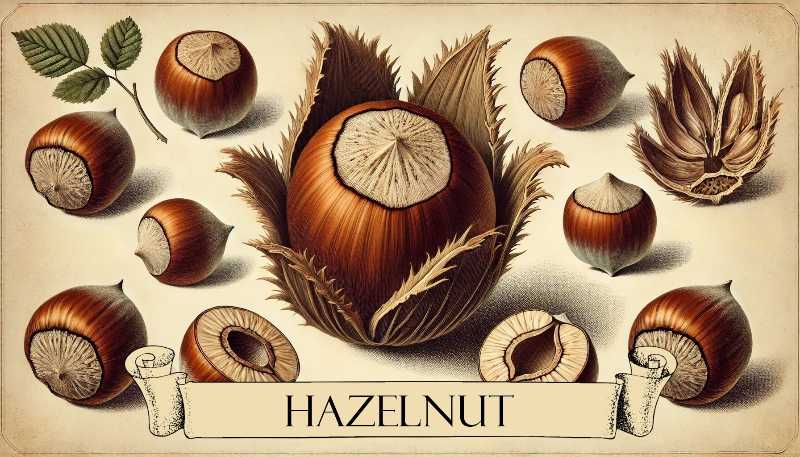
Long before hazelnuts became common in chocolate spreads and desserts, people were gathering them across Europe and western Asia. Their deep history is easy to see in places such as Scotland, where archaeologists found an 8,000-year-old pit packed with burned hazelnut shells, probably evidence of large-scale nut processing.

The Black Sea region, especially modern Turkey, later became one of the world's most important hazelnut-growing areas. Greeks and Romans ate the nuts and also valued them in medicine, and European settlers eventually carried hazelnut cultivation to the Americas.
3. East Asia

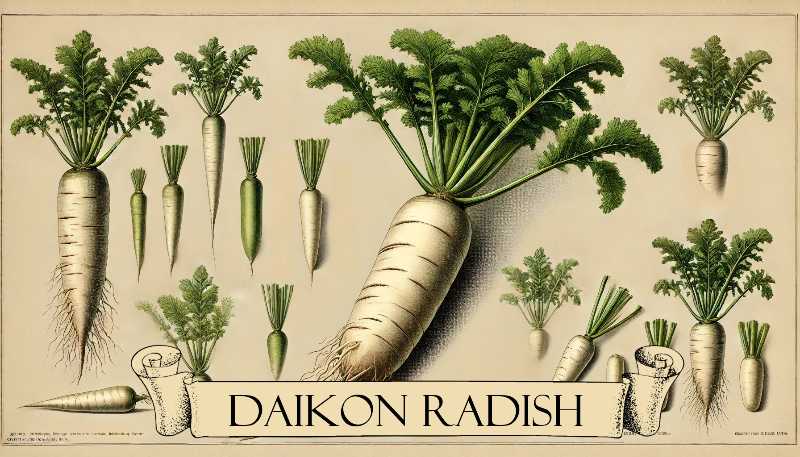
Daikon radish has its strongest cultural links in East Asia, especially in China, Japan, and Korea, even though some sources connect older radish ancestors to areas farther west. In Japan, its name means "large root," which fits the long white radish sold fresh, grated, simmered in soups, or pickled as "takuan." Because daikon stores well and grows quickly in cool weather, farmers also used it as a practical crop during lean seasons. Today, it appears far beyond East Asia, from South Asian mooli dishes to American cover-crop farming, where its thick root can help break up compacted soil.
4. East Asia

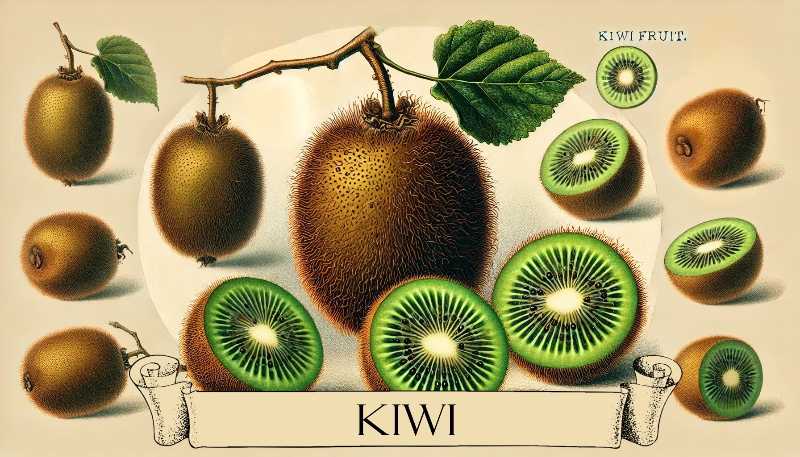
Kiwifruit started out in China, where it grew as a wild vine and was eaten for centuries before it became a global supermarket fruit. Missionary and teacher Mary Isabel Fraser brought the seeds to New Zealand in 1904, where growers later developed the fruit commercially under the older English name "Chinese gooseberry." The name "kiwifruit" was adopted in 1959 to make the fruit easier to market overseas, especially in the United States.

Its later success came not just from its sweet-tart flavor, but also from smart branding.
5. The Americas

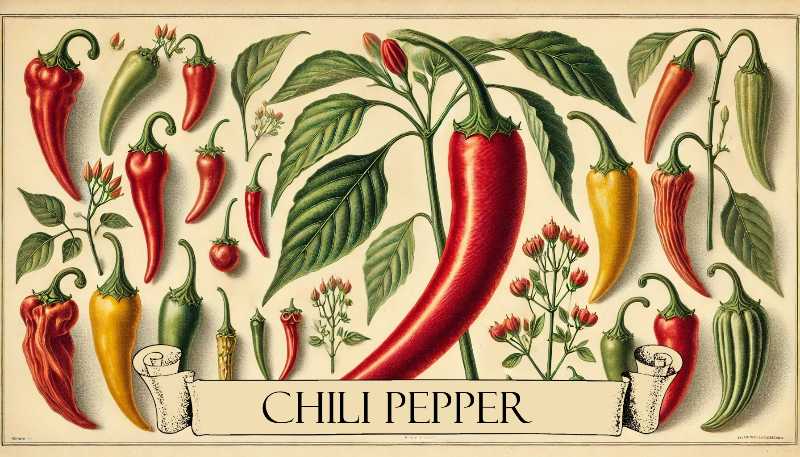
Chili peppers come from the Americas, with domestication linked to Mexico thousands of years ago. Unlike many mild staple crops, chilis offered heat, color, flavor, and lasted longer than some other crops, which made them easy to adopt once they left the Americas after Columbus's voyages. Traders carried them across the Atlantic and then into Africa, the Middle East, South Asia, Southeast Asia, and East Asia. That is why foods that now seem inseparable from chili, such as Korean kimchi, Indian curries, Thai sauces, and Sichuan dishes, all depend on a plant that originally came from the Americas.
6. Eurasia

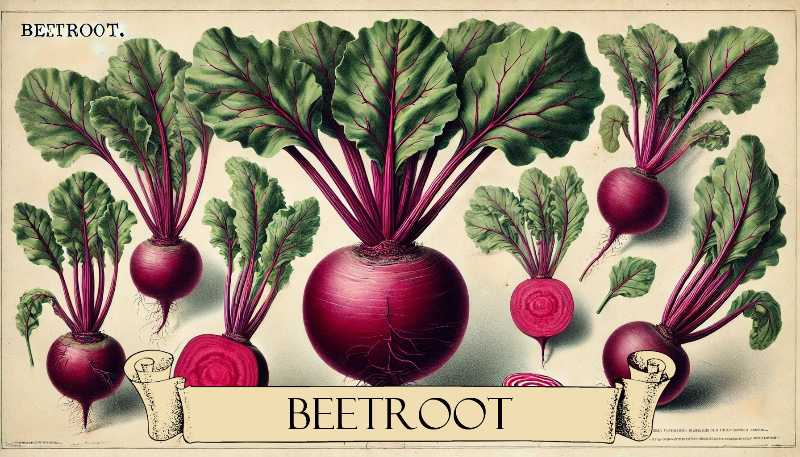
Beetroot developed from sea beet, a plant associated with the Mediterranean and nearby coastal regions. At first, people mostly ate the leafy tops, much as they would eat chard today, while the swollen red root came into its own later on. Greeks and Romans cultivated beets, and by the Roman period the root itself was also being used as food.

The vegetable spread through Europe and then to the Americas, used it in pickles, soups, and dyes. Sugar beets were later grown for use in sugar production.
7. The Americas

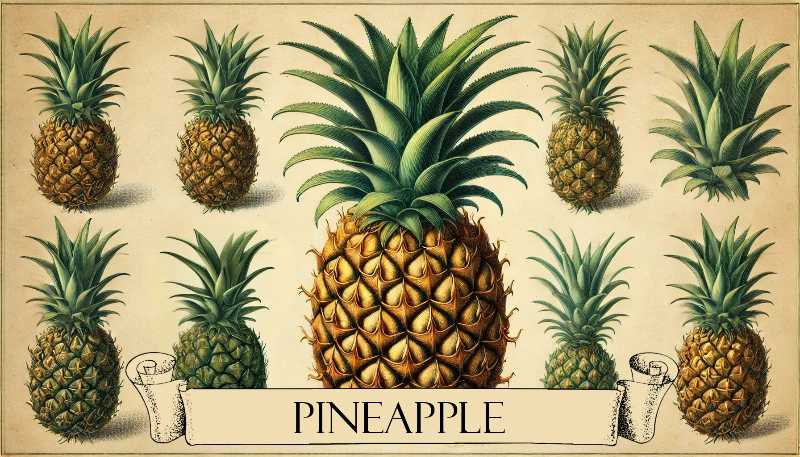
Native to South America, most likely the region between southern Brazil and Paraguay, pineapples were later spread by indigenous farmers and traders into Central America and the Caribbean. Columbus encountered the fruit on Guadeloupe in 1493, and Europeans quickly became fascinated by it because it was extremely hard to grow in cold climates. For centuries, pineapples functioned almost like edible status symbols in Europe. Spanish and Portuguese routes later moved the crop into Asia and Africa, while Hawaii became famous for large-scale pineapple production only after James Dole founded the Hawaiian Pineapple Company in 1901.
8. East Asia

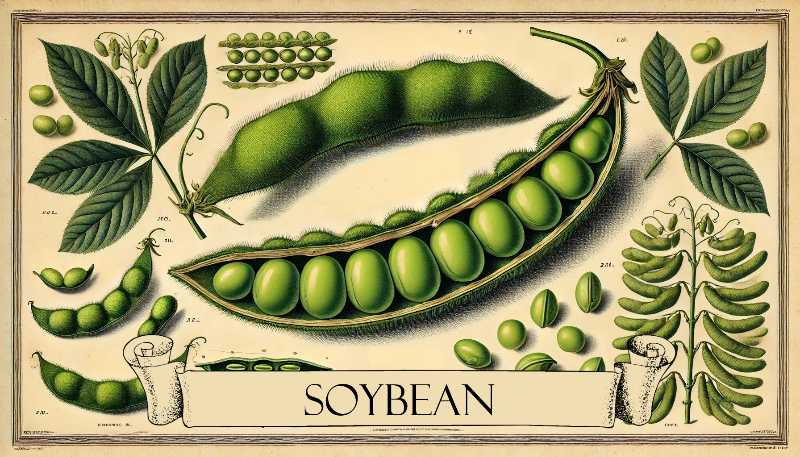
Soybeans were domesticated in East Asia from wild soybean relatives and became one of China's most important traditional crops. They supplied protein in diets where meat was not always available, but their influence went far beyond the bean itself. Tofu, soy sauce, miso, soybean paste, soy milk, and cooking oil all come from the same crop, which helps explain why soy spread so widely through Korea and Japan.

In Europe and the United States, soybeans first had a more modest role, often as fodder or as an experimental crop, before becoming a major source of cooking oil in the 20th century.
9. Eurasia

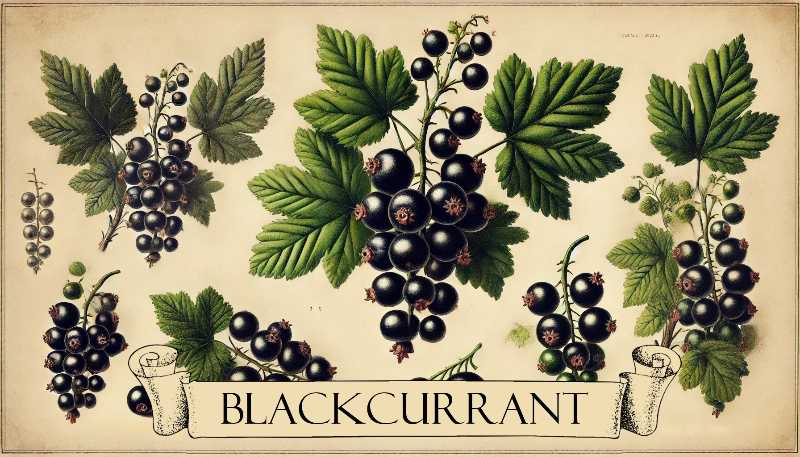
Blackcurrants, small dark berries from Europe and northern Asia, were used for jams, syrups, drinks, and folk remedies long before they became a modern "superfruit." Britain and Russia developed especially strong traditions around them, partly because the berries thrive in cool climates and contain a great deal of vitamin C.

Their history in the United States was much bumpier. Because blackcurrant plants can serve as an alternate host for white pine blister rust, a fungal disease that damaged valuable pine forests, cultivation was restricted or banned in many areas.

In recent decades, disease-resistant varieties have helped blackcurrants slowly return to some American farms and gardens.
10. Eurasia

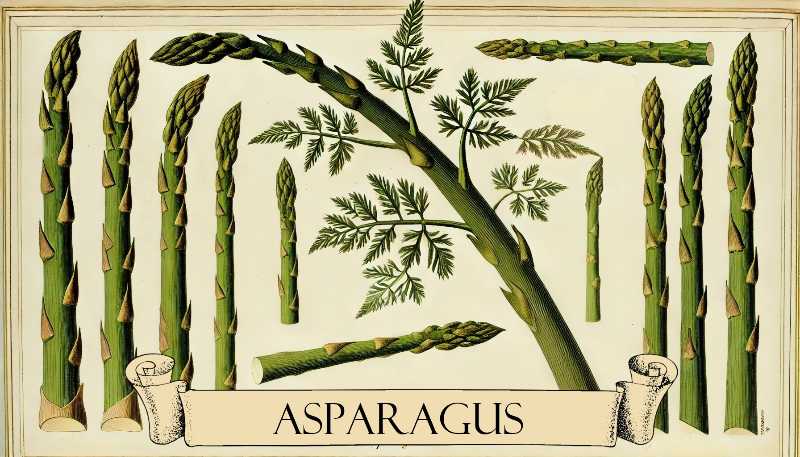
Asparagus has Mediterranean roots and a long reputation as a refined vegetable. Egyptians and Greeks harvested it, while Romans cultivated it and helped spread it through parts of their empire. It later became especially fashionable in France and England, where wealthy households treated it as a seasonal luxury. European settlers brought asparagus to the Americas, and it remains a spring crop that depends on patience: a new asparagus bed may need several years before it produces.
11. The Americas

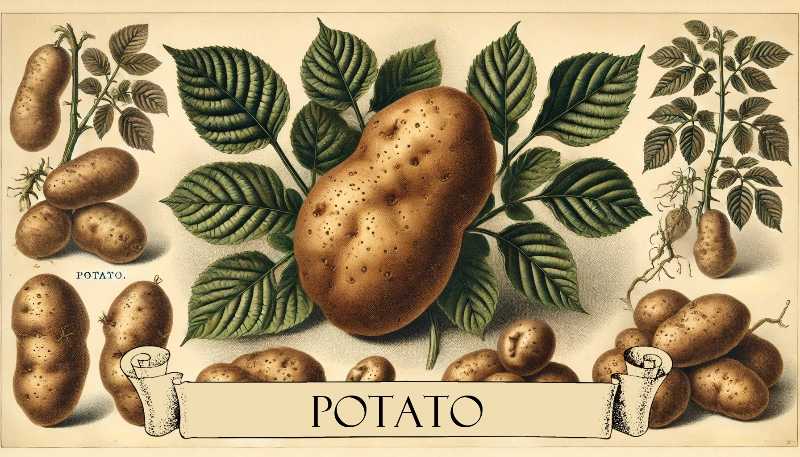
The potato was first domesticated in the Andes, mainly around modern Peru and northwestern Bolivia, where highland farmers learned to grow many varieties in cold, difficult conditions. For Andean communities, potatoes were not just a side dish; they were a dependable source of starch, vitamins, minerals, and fiber.

Some potatoes were even freeze-dried into "chuno," a long-lasting food that could be stored for hard times. Spanish explorers brought potatoes to Europe in the 16th century, and although Europeans were slow to trust them, the crop eventually became central to diets across Ireland, Russia, northern Europe, and beyond. From Europe, potatoes spread to North America, Africa, and Asia.
12. East Asia

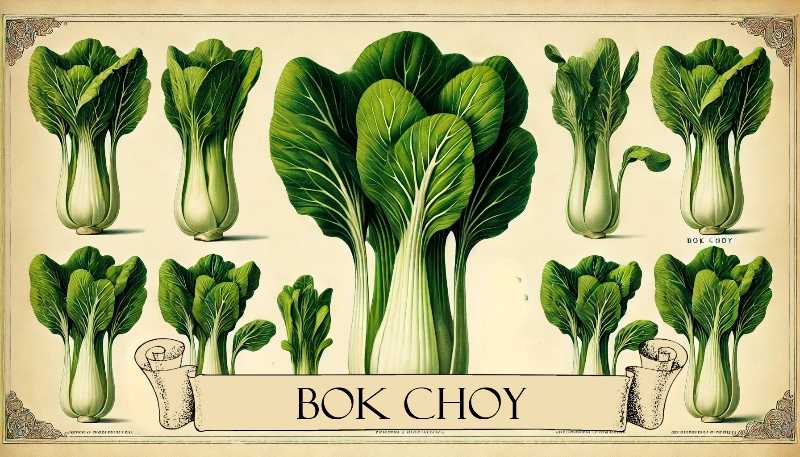
Bok choy is a non-heading type of Chinese cabbage that has been grown in China since around the 5th century AD. Its Cantonese name means "white vegetable," a reference to the pale, crunchy stalks that contrast with its darker green leaves. Cooks value it because the stalks stay crisp while the leaves soften quickly, making it useful in stir-fries, soups, braises, and steamed dishes. From China, bok choy spread through East and Southeast Asia, and Chinese immigrant communities later helped make it familiar in markets in North America and Europe.
Source: Author trident

This quiz was reviewed by FunTrivia editor Bruyere before going online.
Any errors found in FunTrivia content are routinely corrected through our feedback system.
Related Quizzes
1. The Lost Language of the American Diner Tough
2. Food Innovator Easier
3. Food History, part 1 Impossible
4. History of Food Lore Very Difficult
5. Food Tales Tough
6. Ten Ages of Christmas Food Average
7. Food History pt. 2 Difficult
8. Moon Pies and RC Cola Difficult
9. The World's Oldest Restaurants Average
10. Animal Crackers Tough
11. Mess is Lore Average
12. The Tim Tam Slam Average

6/11/2026, Copyright 2026 FunTrivia, Inc. - Report an Error / Contact Us