FREE! Click here to Join FunTrivia. Thousands of games, quizzes, and lots more!
Quiz about Mindful Cutesy Demure

Mindful, Cutesy, Demure Trivia Quiz

Fragrances in Visual Form

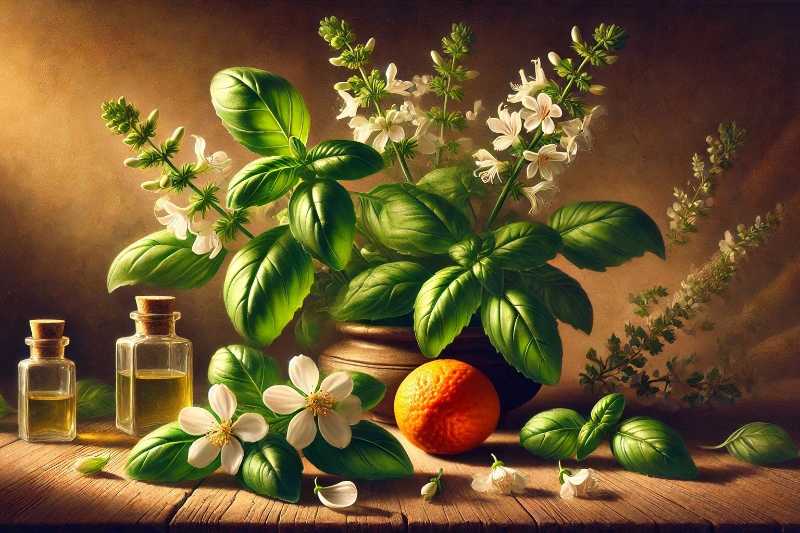
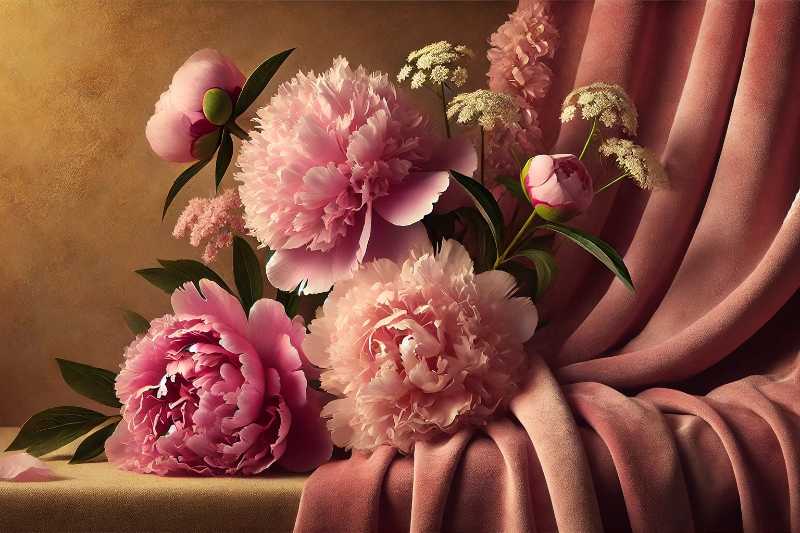
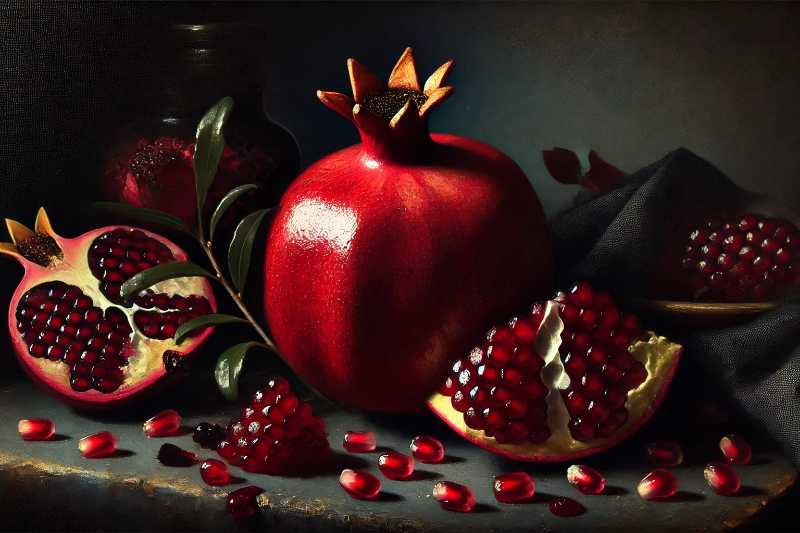
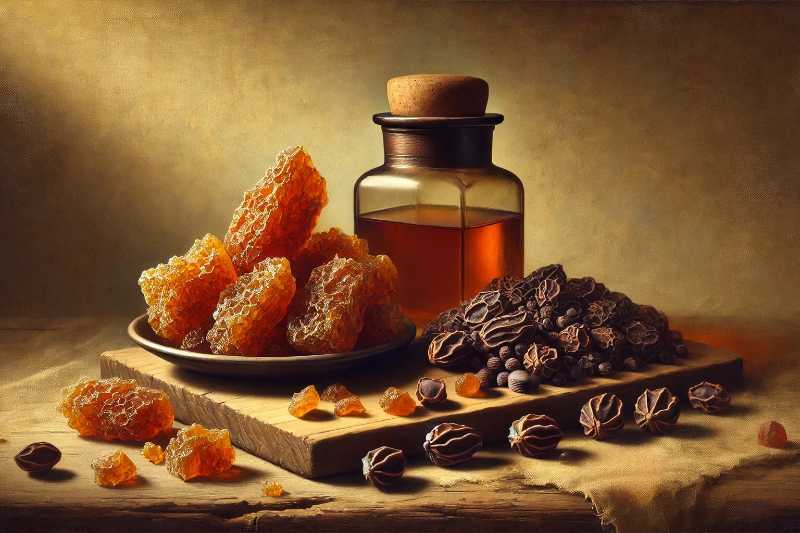
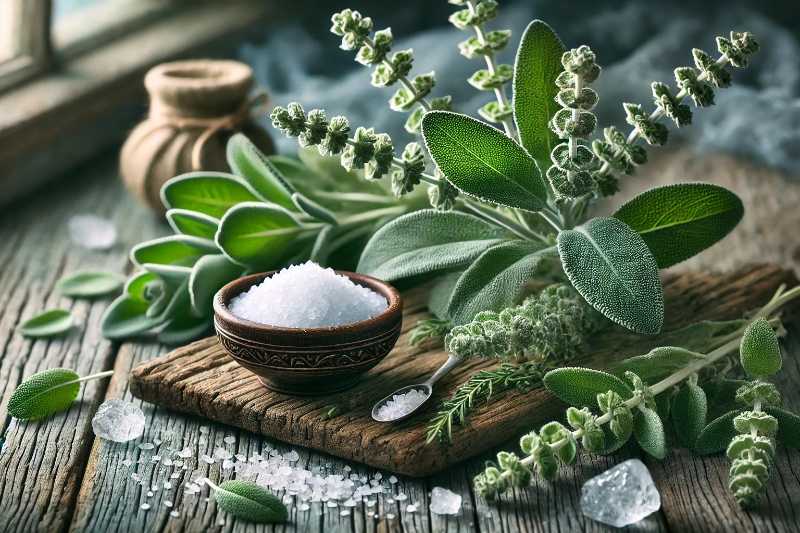
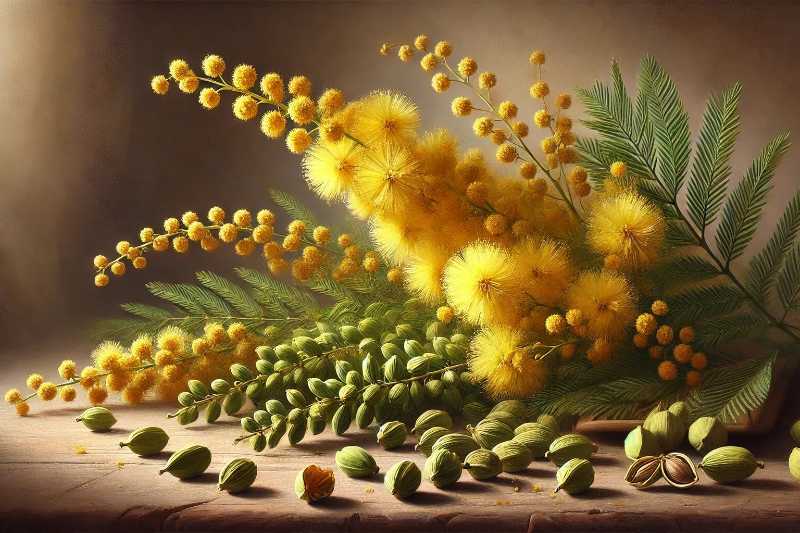
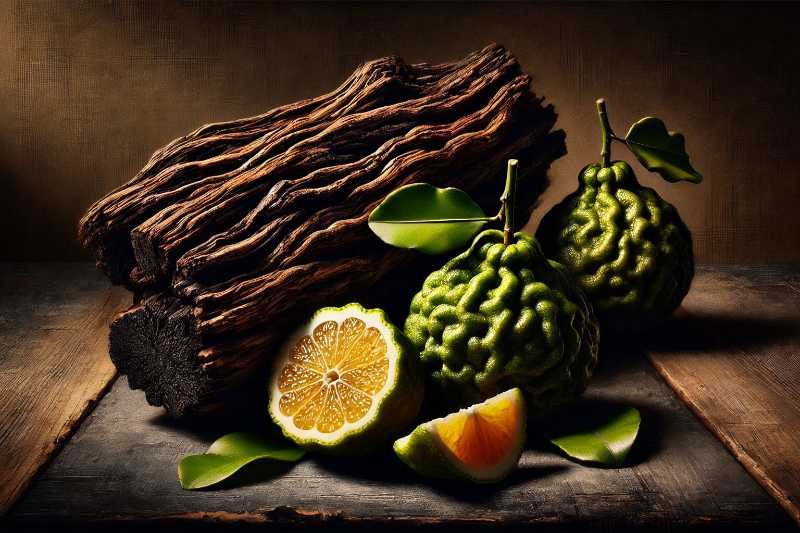
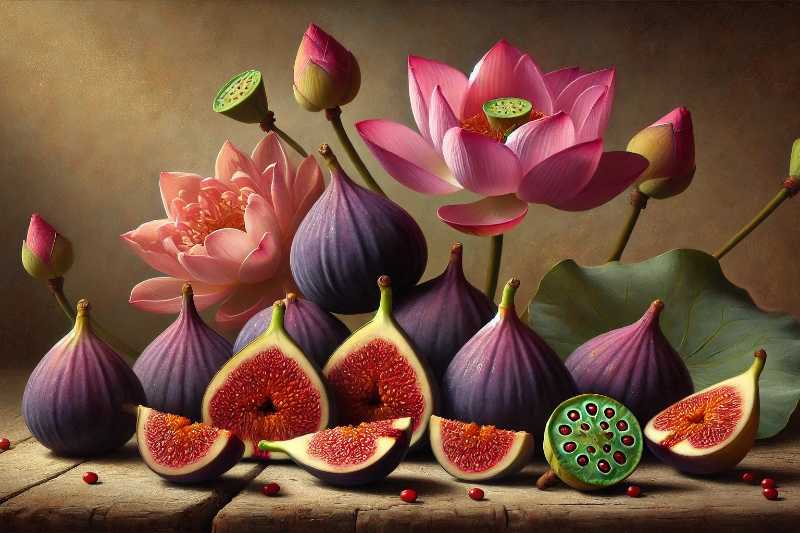
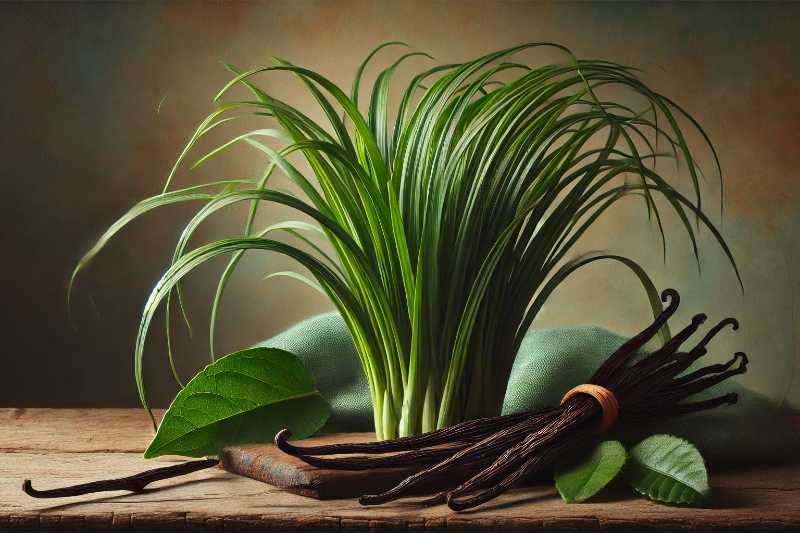
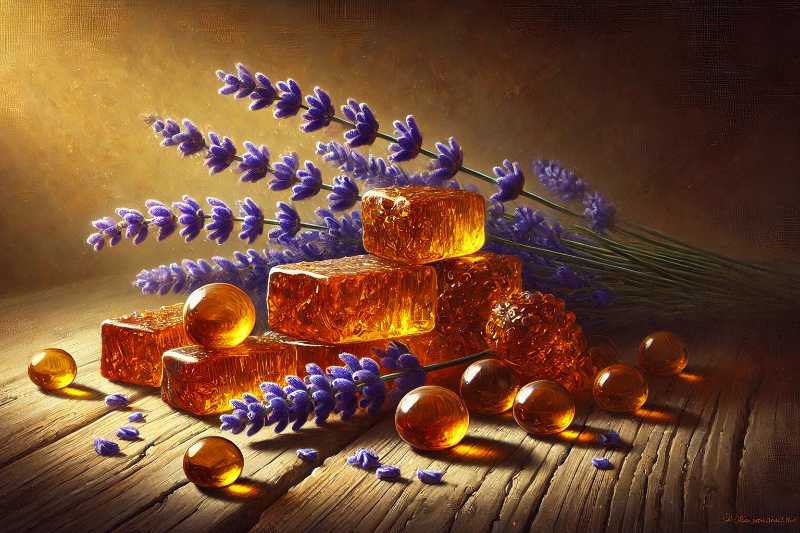
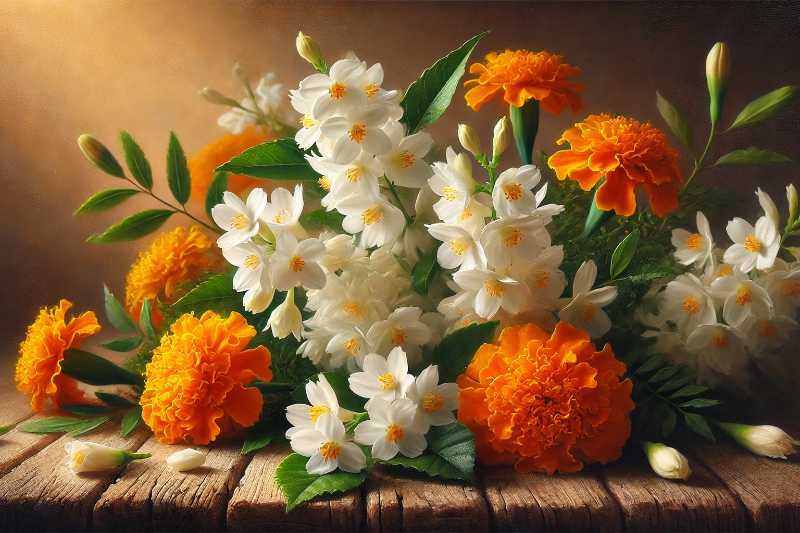
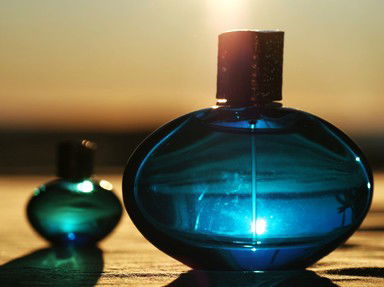
"Let's not forget to be demure, divas." Match these twelve Jo Malone fragrances with the images meant to portray them. (Click the images for a closer look!)

by trident. Estimated time: 3 mins.
  1. Home
  2. »
  3. Quizzes
  4. »
  5. Entertainment Trivia
  6. »
  7. Beauty Accessories & Fashion
  8. »
  9. Perfumes & Colognes

Author
trident
Time
3 mins
Type
Quiz #
417,442
Updated
May 14 26
# Qns
12
Difficulty
Easy
Avg Score
10 / 12
Plays
252
Awards
Top 5% quiz!
Last 3 plays: Guest 67 (12/12), Guest 67 (9/12), Guest 109 (12/12).
Drag-Drop or Click from Right
Options
Wood Sage & Sea Salt Myrrh & Tonka English Pear & Freesia Pomegranate Noir Vetiver & Golden Vanilla Amber & Lavender Fig & Lotus Flower Oud & Bergamot Mimosa & Cardamom Jasmine Sambac & Marigold Peony & Blush Suede Basil & Neroli


 View Image Attributions for This Quiz

Most Recent Scores
Jun 17 2026 : Guest 67: 12/12
Jun 14 2026 : Guest 67: 9/12
Jun 12 2026 : Guest 109: 12/12
Jun 11 2026 : Rumpo: 12/12
May 18 2026 : Guest 103: 8/12

Quiz Answer Key and Fun Facts
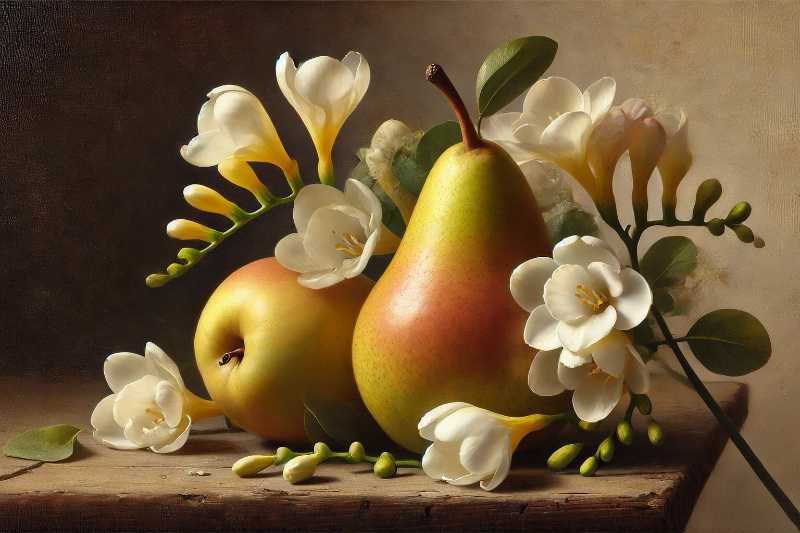
1. English Pear & Freesia

The English pear is grown in temperate regions. It has soft flesh and a high sugar content once it ripens. Freesia comes from southern Africa and grows from a bulb. It has funnel-shaped flowers that cluster along a stem and are widely used in bouquets and perfume blends.
2. Basil & Neroli

Basil is a member of the mint family that is often used in Mediterranean and Southeast Asian cooking. It grows quickly in warm weather. Neroli comes from the blossoms of the bitter orange tree, a citrus plant common in countries bordering the Mediterranean. Oil is extracted from the flowers to make scents.
3. Peony & Blush Suede

Gardeners value peonies for their large blooms. In China, the flower carries strong cultural associations and appears in art and symbolism. Suede is a soft leather made from the underside of animal hides, so the term "blush suede" suggests a softer version of that.
4. Pomegranate Noir

Pomegranate grows on a shrub, its fruit containing clusters of seeds surrounded by red pulp. The "noir" label relates to spices such as pink pepper and patchouli, a tropical herb, as well as various wood-derived extracts.
5. Myrrh & Tonka

Myrrh comes from the resin of Commiphora trees, which grow in parts of Africa and the Middle East. People have used it for thousands of years in incense and religious rituals. Tonka comes from the seeds of a tree native to South America. After drying, the beans are used in perfumery and occasionally in food, though some countries restrict them due to their chemical content.
6. Wood Sage & Sea Salt

Wood sage grows in dry, open landscapes, especially in parts of Europe. It is related to culinary sage but is valued more for its scent than for cooking. Sea salt, by contrast, is produced by evaporating seawater.
7. Mimosa & Cardamom

Mimosa, in this case, refers to Acacia dealbata, a tree native to Australia that produces clusters of small, bright yellow flowers. These blossoms are harvested for use in perfumery. Cardamom comes from the seeds of plants in the ginger family and is cultivated mainly in India and Guatemala. It appears in desserts and drinks such as chai.
8. Oud & Bergamot

Oud comes from agarwood, which forms when certain Southeast Asian trees react to fungal infection by producing a dark resin. Harvesters cut and process this resin-rich wood, which is rare and often expensive. Bergamot is a citrus fruit grown primarily in southern Italy. Its peel yields an oil used in both fragrance and flavoring, especially in Earl Grey tea.
9. Fig & Lotus Flower

The fig is one of the oldest cultivated fruits. The edible portion develops inside a fleshy structure rather than forming externally like most fruits. Lotus flowers grow in freshwater environments across Asia and parts of the Middle East. They rise above the surface on long stems.
10. Vetiver & Golden Vanilla

Vetiver is a grass native to India; its roots are harvested and dried for their scent. Vanilla comes from the pods of an orchid originally cultivated in Mexico. Growers cure the pods over time, which develops the flavor and scent associated with vanilla.
11. Amber & Lavender

In perfumery, amber refers to a blended accord rather than a natural fossil. It combines resins, sweet compounds similar to vanilla, and musky elements to create a warm base. A Mediterranean plant, lavender is cultivated widely for its oil. That oil appears in cooking, medicinal preparations, cleaning products, and fragrances.
12. Jasmine Sambac & Marigold

Jasmine sambac, native to South and Southeast Asia, produces small white flowers with a strong presence. In China, producers layer these flowers with tea leaves to transfer their aroma. Marigold refers to several species of bright orange or yellow flowers. People grow them in gardens and use them in ceremonies.

In countries such as India and Mexico, marigolds play a large role in festivals.
Source: Author trident

This quiz was reviewed by FunTrivia editor kyleisalive before going online.
Any errors found in FunTrivia content are routinely corrected through our feedback system.
6/20/2026, Copyright 2026 FunTrivia, Inc. - Report an Error / Contact Us