FREE! Click here to Join FunTrivia. Thousands of games, quizzes, and lots more!
What Would You Do? Trivia Quiz
What would you do with the tools I have given you as clues for this quiz? It is about historic trades, some of which have vanished, while others have evolved into modern jobs. Can you correctly match the tools to each trade? Good luck and have fun!
Today
:
glamaris4: 7/10 Today
:
cdecrj: 8/10
Dec 09 2025
:
daisygirl20: 10/10
Dec 09 2025
:
Guest 209: 10/10
Dec 09 2025
:
Guest 174: 10/10
Dec 09 2025
:
Guest 146: 10/10
Dec 09 2025
:
pointparkchic: 7/10
Dec 09 2025
:
FREEDOM49: 8/10
Dec 09 2025
:
Guest 166: 1/10
Quiz Answer Key and Fun Facts
1. Milliner
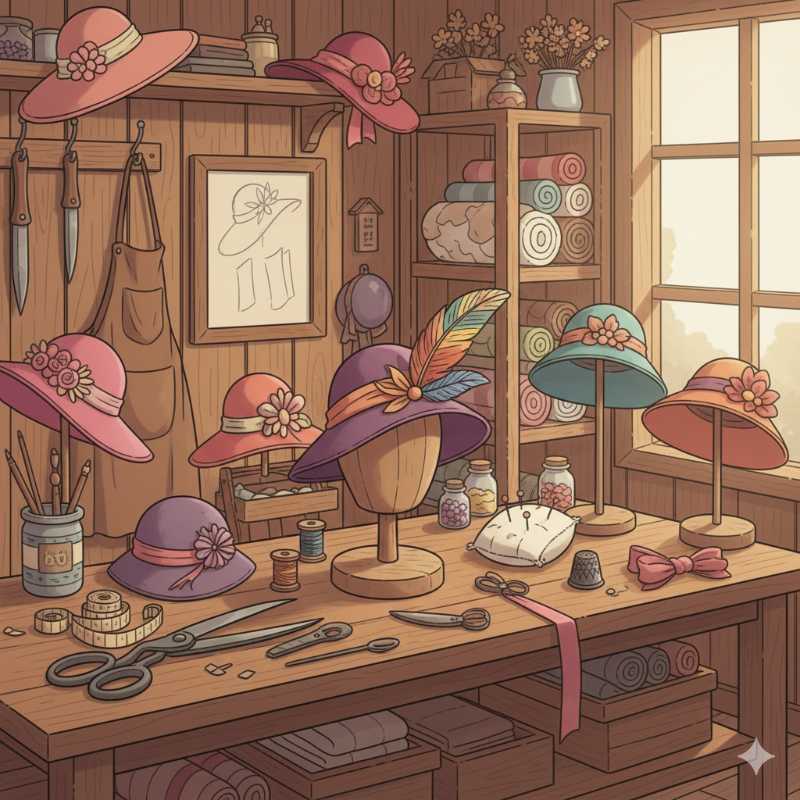
Millinery appeared as a trade in the late 1500s. It's derived from Milaner, a name given to merchants who sold fine goods from Milan. The city was famous for its luxury textiles and fashion. Over time, milliners came to refer to specialists in women's fashion accessories, especially hats.
Their workshops were stocked with hat blocks, needles, ribbons, and trimmings, which they used to make fashionable headwear for females. Hatters, on the other hand, produced men's hats.
2. Apothecary
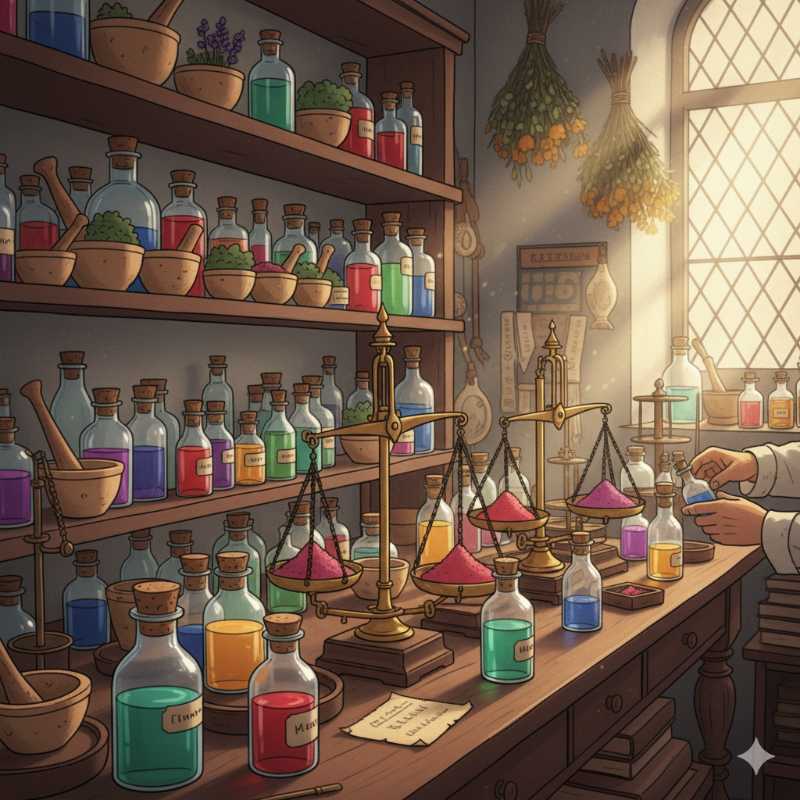
An apothecary was the historical forerunner of today's pharmacist. They were responsible for preparing, compounding, and dispensing remedies made from natural ingredients, such as dried plants, minerals, and occasionally animal-derived substances.
Tools of theirs included mortars and pestles for grinding herbs, as well as balances and scales for measuring powders. They also used decorated glass jars (known as albarelli), vials, and ceramic pots for storing tinctures, ointments, and syrups.
Their work had to be accurate, as the effectiveness and safety of a remedy depended on the correct formulation.
3. Cartographer
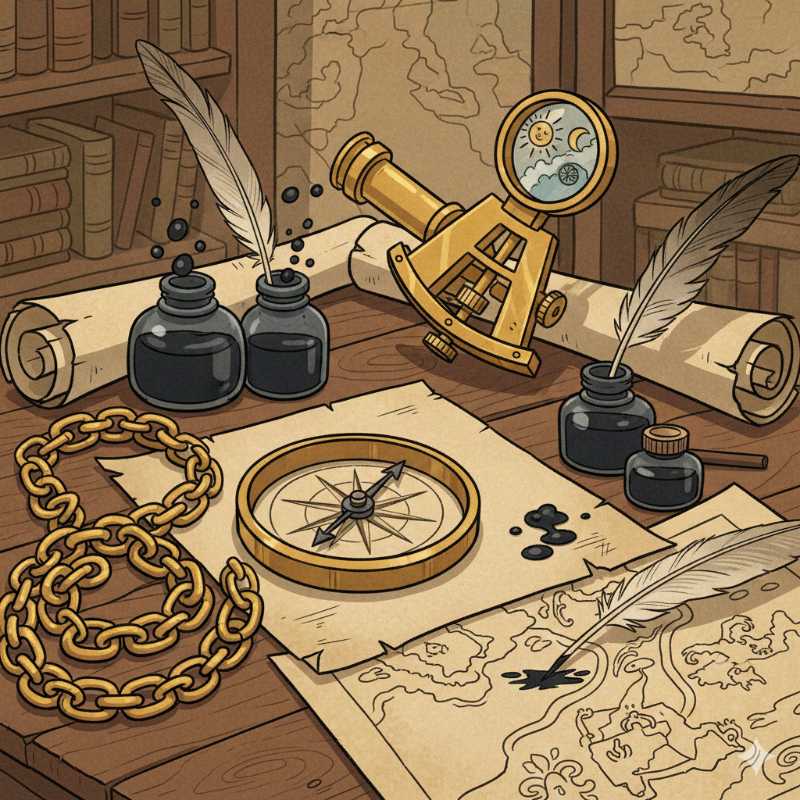
Cartographers made maps, long before the existence of satellites and GPS. They used compasses, astrolabes and sextants to make celestial measurements. Then, using ink and quills, they recorded their findings on parchment or paper. This was later done on copperplate engraving.
By observing stars, coastlines, distances, and landmarks, they were able to transform their exploration data and survey notes into visual guides that could be used widely. Their maps had to be precise, because merchants, sailors, explorers, and armies depended on them for navigation.
The maps cartographers are making in the 21st century are mostly for climate change, urban planning, disaster response, transportation and cultural heritage projects.
4. Cordwainer
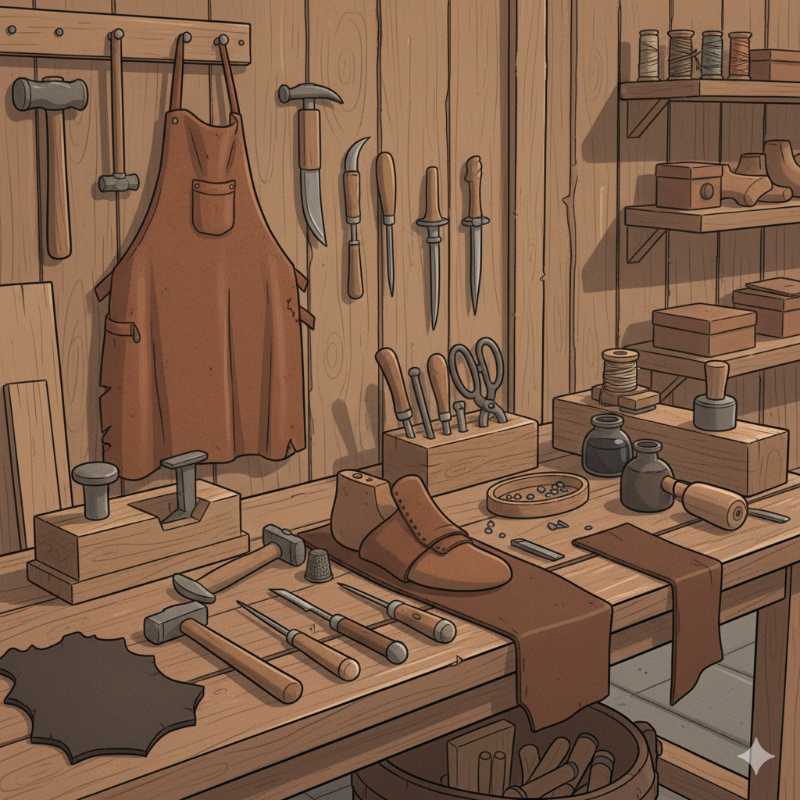
Cordwainers were skilled shoemakers who made high-quality footwear. They differed from cobblers, who focused on repairing and modifying shoes. The name 'cordwainer' comes from cordovan, a luxurious type of leather originally produced in Córdoba, Spain.
The cordwainer had various tools. A last (a wooden or metal foot form) was used to shape each shoe and awls pierced holes for stitching. Knives, pegging hammers, and other implements cut, shaped and secured the leather. Thread, needles, and wax were needed for making strong seams, and measuring sticks helped to achieve a proper fit.
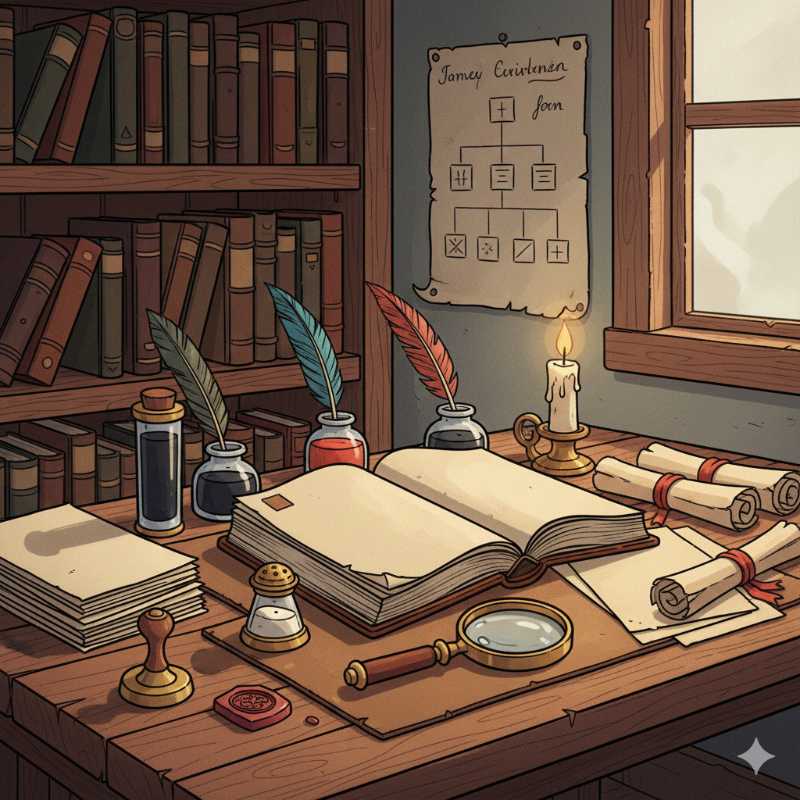
5. Scrivener
Scriveners were professional scribes who wrote and prepared legal documents, contracts, and correspondence before printing made this more accessible. The tools they used were quills, inkpots, parchment or paper, blotting sand and sealing wax. Their writing had to be precise, as a misplaced word or illegible mark could change the meaning or lead to disputes.
They often worked near courts, marketplaces, or civic offices, producing deeds, wills, petitions, and letters for merchants, officials. They also helped ordinary citizens, as lots of these couldn't read or write. The profession declined with the spread of printing presses and broader education.
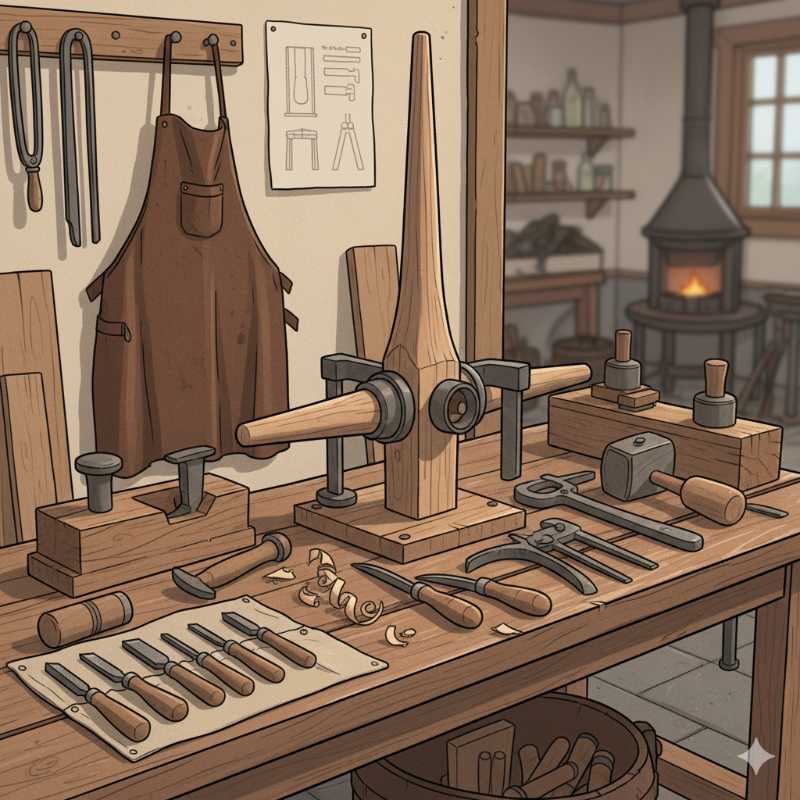
6. Wainwright
A wainwright was a skilled artisan who built and repaired wagons, carts, and other wooden vehicles before engines were invented. They shaped timber into frames, axles and wheels, then secured the structure with iron fittings. Tools such as drawknives, spoke shaves, augers, adzes and chisels were among their tools.
Wainwrights were important to communities for centuries, because wagons and carts were used to transport things on land. Farmers relied on them to move harvests and merchants used them to carry goods. Armies also needed them to transport equipment and supplies. The trade declined with industrialisation and motorised vehicles.
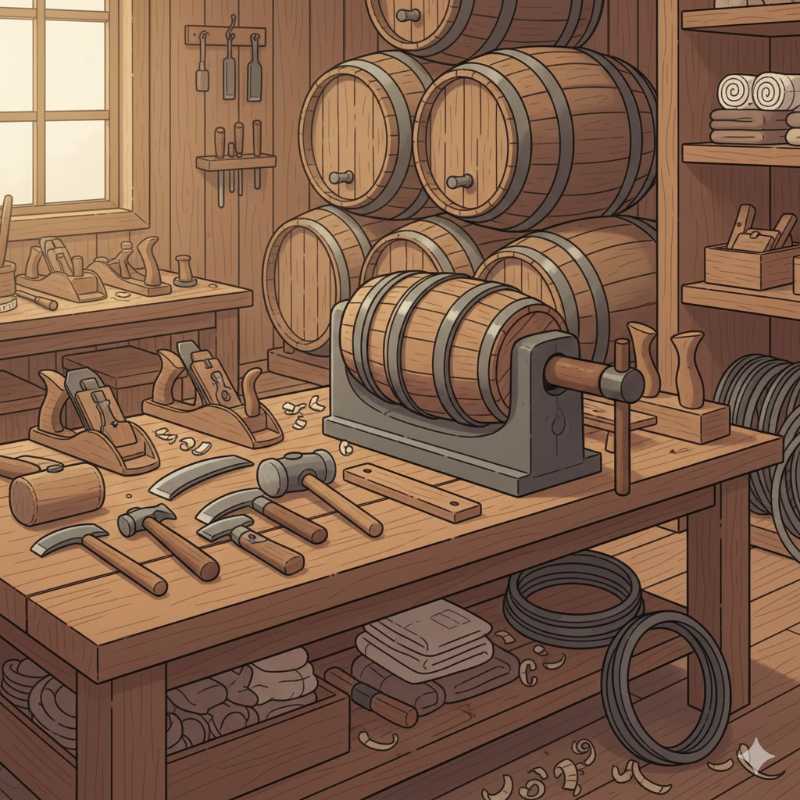
7. Cooper
Coopers were skilled at making barrels, casks, tubs, and other wooden containers. People needed these for storing and transporting goods like wine, beer, spirits, salted fish and grain. Using an adze, drawknife, hollowing knife, croze and hoop driver, they shaped wooden staves into curved forms and bound them tightly with metal hoops.
Coopers were important back then, as barrels were used as storage and shipping containers for centuries. Merchants, brewers, distillers, and farmers required them to keep goods safe and preserved. Their work had to be accurate, as a poorly made barrel could leak or burst. Modern industrial packaging eventually reduced the demand for wooden casks.
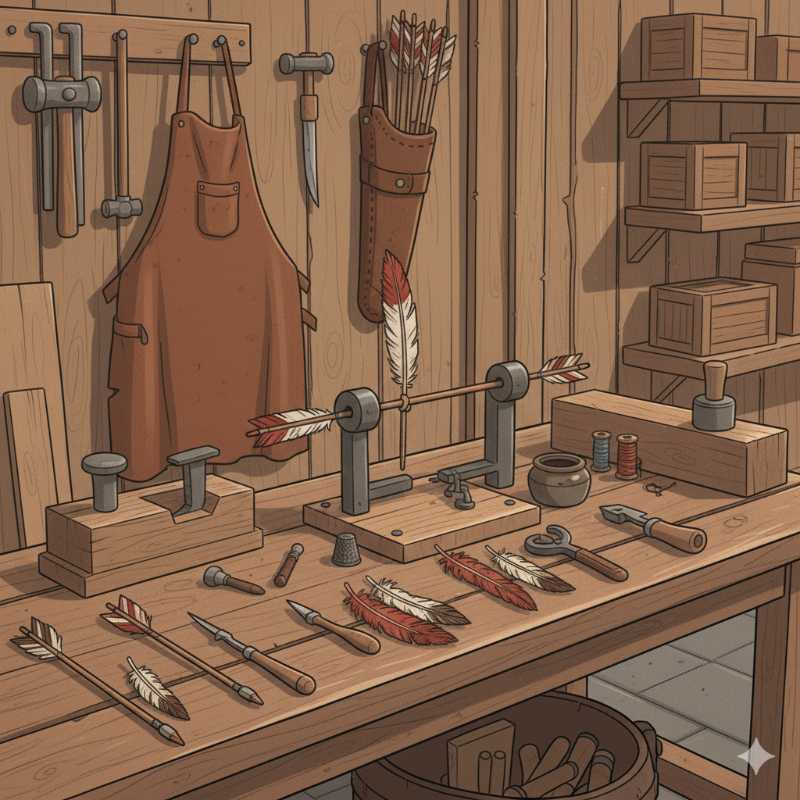
8. Fletcher
Long before firearms became dominant, a fletcher was a specialist in making arrows. They used fletching jigs, knives, glue pots, feather presses and bundles of straight wooden shafts. They shaped and smoothed each shaft, fitted arrowheads and attached feathers (usually goose, turkey or swan) to guide the arrow's flight. The quality of a fletcher's work determined whether an arrow flew straight or wavered off course.
Fletchers were necessary in societies where archery played a role in hunting, warfare, and sport. Armies relied on their arrows in battle. Kings issued orders for vast supplies during wartime. Hunters also depended on them for food. The profession declined with the rise of gunpowder weapons.
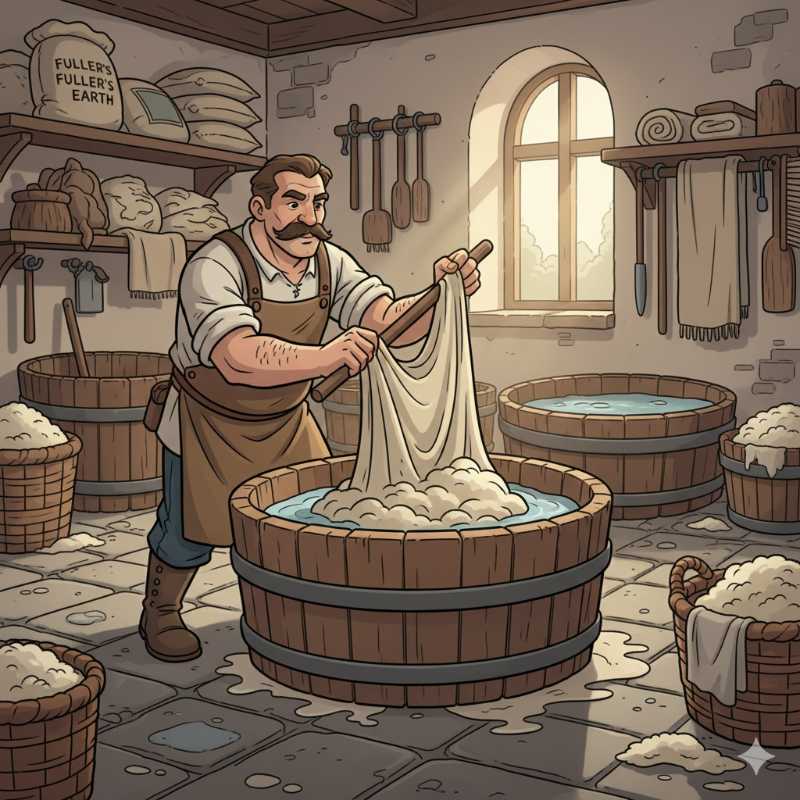
9. Fuller
A fuller's job was to clean, thicken, and strengthen woollen cloth after it had been woven. They used treading vats to soak it in fuller's earth (a naturally occurring clay) or stale urine. These helped remove grease and impurities. It was then pounded, trodden or pressed to mat the fibres together. This tightened the weave, making the fabric thicker, warmer and more durable.
Fullers were important in regions where wool was a major industry. They made sure the cloth met the standard expected by buyers at the market. A lot of towns later developed 'fulling mills', where water-powered hammers replaced manual treading. This increased efficiency and output. The fuller's trade declined with industrial textile production.
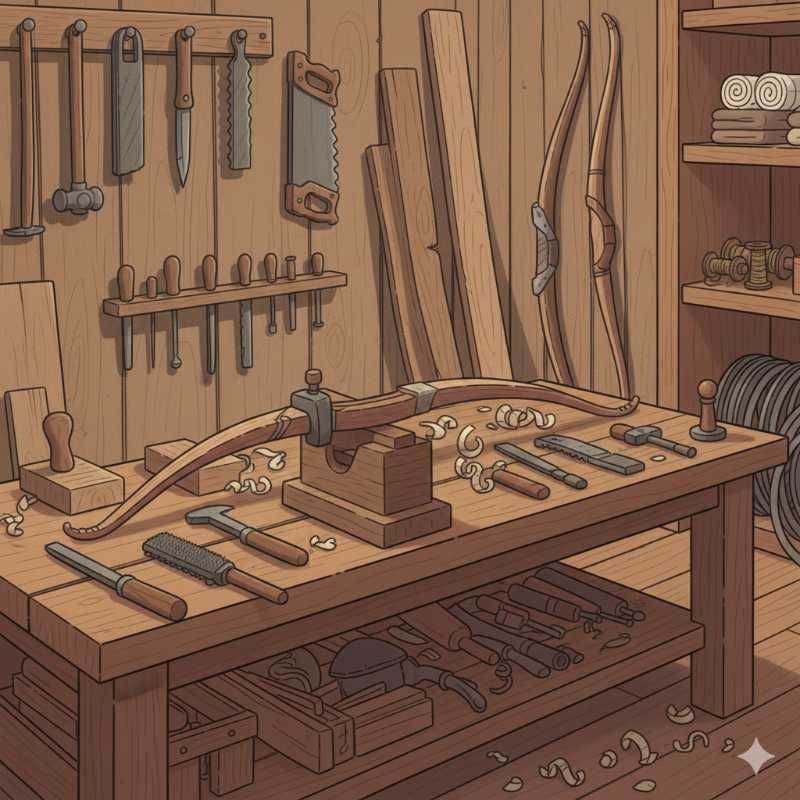
10. Bowyer
Bowyers, specialists in making bows, used drawknives, planes, tillering sticks, clamps, and staves of yew, ash, or elm to make their bows. They had to shape the wood and remove layers to achieve the correct balance of flexibility and strength. Then they tested the bow's curve with a tillering stick to make sure the tension was even.
Their craft was highly respected, because bows were needed for archery warfare, hunting, and sport. Armies relied on longbows and short bows for battle and hunters depended on them to get food. Firearms eventually replaced bows in military use.
This quiz was reviewed by FunTrivia editor looney_tunes before going online.
Any errors found in FunTrivia content are routinely corrected through our feedback system.