FREE! Click here to Join FunTrivia. Thousands of games, quizzes, and lots more!
The Incredible 1980s in Sports Quiz
Many decades have incredible moments in sports from around the world. I decided to focus on the 1980s for the first in a series. Match the paticipant (with the year notated) to the photo depicting the event.
On February 22, 1980, at the Winter Olympics in Lake Placid, New York, a team of young American college hockey players pulled off one of the greatest upsets in sports history by defeating the four-time defending champion Soviet Union national team. Central to this monumental feat was head coach Herb Brooks, whose unique vision combined European-style speed with physical American play.
He turned a group of college rivals into a disciplined and conditioned unit. Facing a formidable Soviet squad comprised of seasoned professionals, the underdog Americans stayed competitive through relentless energy, fighting back from a 3-2 third-period deficit to take a shocking 4-3 lead and holding on until the final horn, famously punctuated by broadcaster Al Michaels asking, "Do you believe in miracles? Yes!"
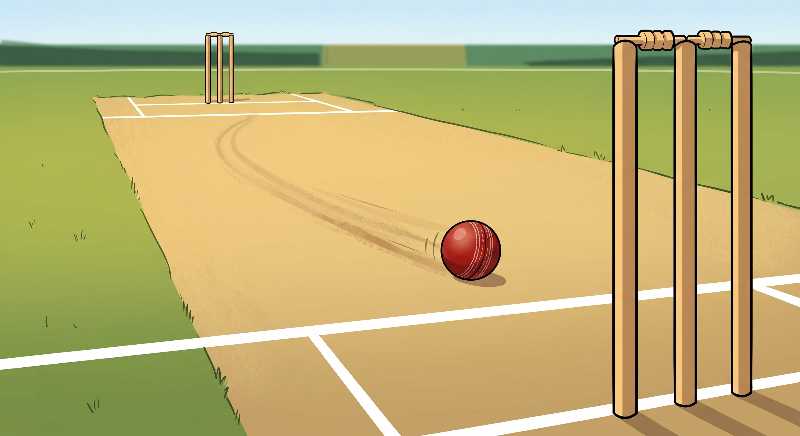
2. Greg Chappell - 1981
On February 1, 1981, Australia faced New Zealand at the Melbourne Cricket Ground in the third match of a best of five International series final. With New Zealand requiring six runs off the final delivery to force a tie, Australian captain Greg Chappell took extreme measures to guarantee a victory. He instructed the bowler (his younger brother, Trevor Chappell) to deliver the final ball underarm, rolling it along the grass toward batsman Brian McKechnie. Because an underarm roll made it physically impossible for McKechnie to hit the ball over the boundary for a six, the Kiwi batsman could only block it away in frustration before hurling his bat to the ground.
While technically legal under the rules of the time, the maneuver sparked an immediate and overwhelming outcry. The Melbourne crowd met the act with heavy boos, commentators roundly condemned the unsportsmanlike tactics, and political leaders publicly criticized the decision.
3. University of California, Berkeley (Cal) - 1982
"The Play" took place on November 20, 1982, during the annual "Big Game" rival match between the University of California, Berkeley (Cal) and Stanford University. With just four seconds remaining, Stanford kicked a field goal to take a 20-19 lead, leading many to believe the game was over.
This included the Stanford marching band. On the ensuing kickoff, Cal executed a wild, desperate series of five lateral passes while dodging confused defenders. As the play broke into open territory, the Stanford band prematurely ran onto the field to celebrate, swarming the end zone in full uniform. Cal's Kevin Moen wove through the musicians, collided with a Stanford trombone player in the end zone, and scored the winning touchdown to secure a surreal 25-20 victory.
4. Australia II - 1983
In September 1983, the Australia II group made sporting history off the coast of Newport, Rhode Island, by winning the America's Cup and ending a 132 year American winning streak which was the longest winning streak in recorded sports history. Since the initial race in 1851, the New York Yacht Club had successfully defended the trophy 24 consecutive times.
The Australian team was trailing 3-1 in a best-of-seven series against the American defender Liberty. They then mounted an incredible comeback to tie the series 3-3. The key to Australia II's triumph was a revolutionary winged keel designed by Ben Lexcen that dramatically improved maneuverability and speed. In a tense seventh and decisive race, Australia II erased a 47-second deficit on the final leg to cross the finish line 41 seconds ahead, igniting national celebrations across Australia and marking a monumental shift in international yacht racing.
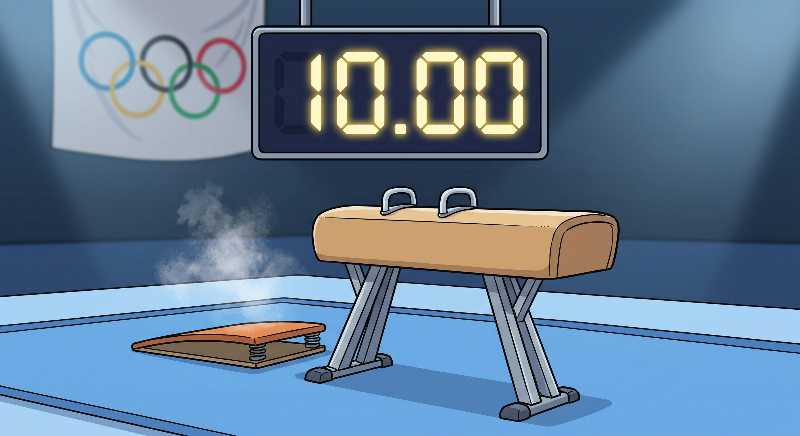
5. Mary Lou Retton - 1984
At the 1984 Summer Olympics in Los Angeles, Mary Lou Retton, only sixteen years old, made history by becoming the first American woman to win the individual all-around gold medal in gymnastics. Entering the final two rotations trailing Romania's Ecaterina Szabo, Retton needed perfection to close the gap.
She answered that with two perfect 10 scores on the floor exercise and the vault to secure the gold by a very slim margin of 0.05 points. Remarkably, this was just six weeks after undergoing knee surgery.
Her dynamic, powerful style and infectious smile captured the nation's attention and her action helped transform the popularity of women's gymnastics in the United States.
6. Marvin Hagler - 1985
On April 15, 1985, "Marvelous" Marvin Hagler and Thomas "Hitman" Hearns faced off at Caesars Palace in Las Vegas for the undisputed Middleweight World Championship in a bout dubbed "The War." What followed was eight minutes of uninterrupted brutality. From the opening bell, both fighters discarded defensive probing and traded devastating power punches at a blistering pace.
The first round is widely considered the single greatest round in boxing history, with Hearns cracking Hagler's chin and Hagler pressing forward relentlessly despite taking heavy damage. By the second round, a deep cut had opened on Hagler's forehead, covering his face in blood and forcing the referee to inspect the injury. Realizing the fight could be stopped at any moment, Hagler came out aggressive in the third round, trapping Hearns against the ropes and delivering a decisive right hook that sent Hearns crashing to the canvas. Though Hearns managed to beat the count, he was unable to continue, handing Hagler a legendary third-round technical knockout victory in one of the most violent and exhilarating title fights ever fought.
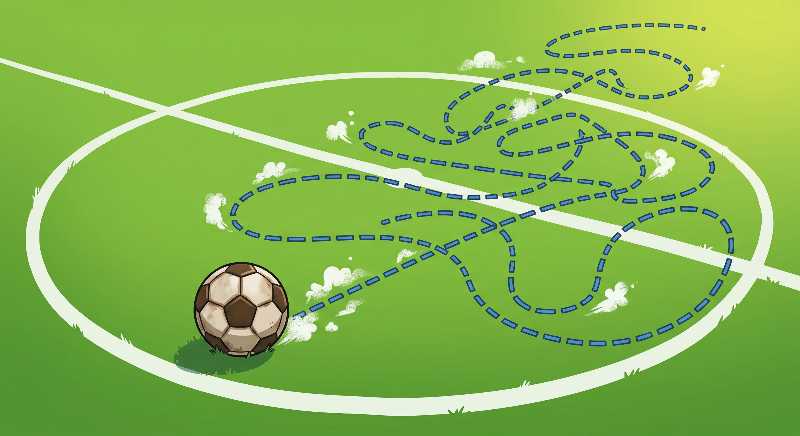
7. Diego Maradona - 1986
On June 22, 1986, Diego Maradona scored what was named the FIFA "Goal of the Century" during Argentina's 2-1 World Cup quarterfinal victory over England at the Estadio Azteca in Mexico City. Just four minutes after his infamous "Hand of God" goal (the controversial goal where he illegally punched the soccer ball into the net with his hand and the referee missed), Maradona received the ball inside his own half and turned away from two English defenders.
Over the next 10 seconds, he embarked on an incredible slalom run, combining amazing speed, precise ball control, and extraordinary balance. He dribbled past Peter Beardsley, Peter Reid, Terry Butcher, and Terry Fenwick before rounding goalkeeper Peter Shilton to slot the ball into the net while sliding onto the turf. The sheer genius and audacity of the goal sealed Maradona's legacy as one of football's greatest players.
8. Steffi Graf - 1987
The 1987 Grand Slam milestone is when seventeen year old Steffi Graf won her very first major title at the French Open, marking a dramatic shift in women's tennis. Facing world No. 1 Martina Navratilova in a thrilling final, Graf prevailed 6-4, 4-6, 8-6.
Her win in Paris marked the arrival of a new powerhouse, ending a sequence of 13 consecutive Grand Slam finals dominated by the Navratilova-Evert rivalry. By dethroning Navratilova on clay, the young West German proved that the next generation had officially taken over, catapulting Graf to the world No. 1 ranking later that summer and setting the stage for her amazing future.
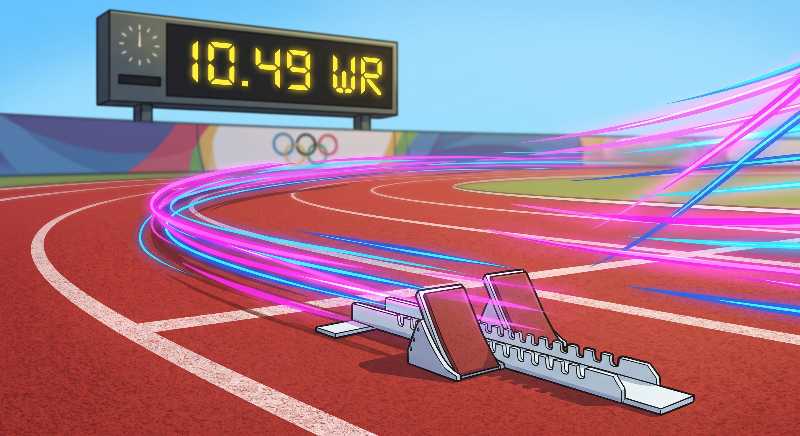
9. Florence Griffith-Joyner - 1988
On July 16, 1988, American track star Florence Griffith-Joyner ("Flo-Jo") set an amazing world record in the 100-meter dash during the quarterfinals of the U.S. Olympic Trials in Indianapolis. Clocking an unbelievable time of 10.49 seconds, she shattered the previous world record of 10.76 seconds set by Evelyn Ashford. Known for her striking painted fingernails and vibrant, custom one-legged speedsuits, Flo-Jo combined unmatched athletic power with flair.
The performance generated immediate controversy due to wind speed readings; although the track's anemometer registered an official 0.0 m/s wind, neighboring field events recorded heavy tailwinds, leading to decades of debate over whether the gauge malfunctioned. Nevertheless, World Athletics (then IAAF) officially ratified the time.
10. Payne Stewart - 1989
At the 1989 PGA Championship at Kemper Lakes Golf Club near Chicago, Payne Stewart pulled off a dramatic comeback to win his first major title. Entering the final round six strokes behind leader Mike Reid, Stewart (wearing his iconic flat cap, knickers, and Chicago Bears team colors) told a commentator at the turn that he planned to shoot a 31 on the back nine. He backed up this bold prediction by firing a 5-under 31 over the final nine holes, including birdies on four of his last five, to finish with a closing 67 and set the target in the clubhouse at 12-under par.
The pressure proved fatal for Reid, who collapsed over the final stretch with a bogey on the 16th after finding the water and a double-bogey on the 17th. Needing a 7-foot birdie putt on the 18th hole to force a playoff, Reid missed, securing Stewart a one-stroke victory over Reid, Curtis Strange, and Andy Bean. The win served as a major breakthrough for Stewart, proving he could win on golf's biggest stage and launching a career that would feature three major championships before his tragic death in 1999.
This quiz was reviewed by FunTrivia editor gtho4 before going online.
Any errors found in FunTrivia content are routinely corrected through our feedback system.