FREE! Click here to Join FunTrivia. Thousands of games, quizzes, and lots more!
Quiz about German Christmas Villages

German Christmas Villages Trivia Quiz


Christkindlmarkt and Weihnachtsmarkt are a popular Advent tradition in Germany. This quiz explores some famous German Christmas village markets and the items they sell. Frohes Weihnachtsfest!

by Tan72. Estimated time: 3 mins.
  1. Home
  2. »
  3. Quizzes
  4. »
  5. World Trivia
  6. »
  7. Seasonal
  8. »
  9. Christmas

Author
Tan72
Time
3 mins
Type
Quiz #
409,204
Updated
Nov 19 26
# Qns
15
Difficulty
New Game
Plays
6
Last 3 plays: Guest 212 (13/15), gracemercy1 (15/15), lg549 (15/15).
Drag-Drop or Click from Right
Options
For your sweetheart Pfand (deposit) A caramelised nutty Christmas treat Dresden's market is named for this fruity cake Symbol of the season A tasty Nuremberg snack Traditional market stall A biscuit or cookie treat This capital hosts over 100 markets This market was first recorded in 1310 A life size advent calendar A famous Rothenburg Christmas store This Cathedral watches over Germany's largest market For your Christmas tree A decoration and a ballet


 View Image Attributions for This Quiz

Most Recent Scores
Today : Guest 212: 13/15
Today : gracemercy1: 15/15
Today : lg549: 15/15
Today : tiye: 15/15
Today : ZWOZZE: 10/15
Today : DizWiz: 11/15

Quiz Answer Key and Fun Facts
1. Dresden's market is named for this fruity cake

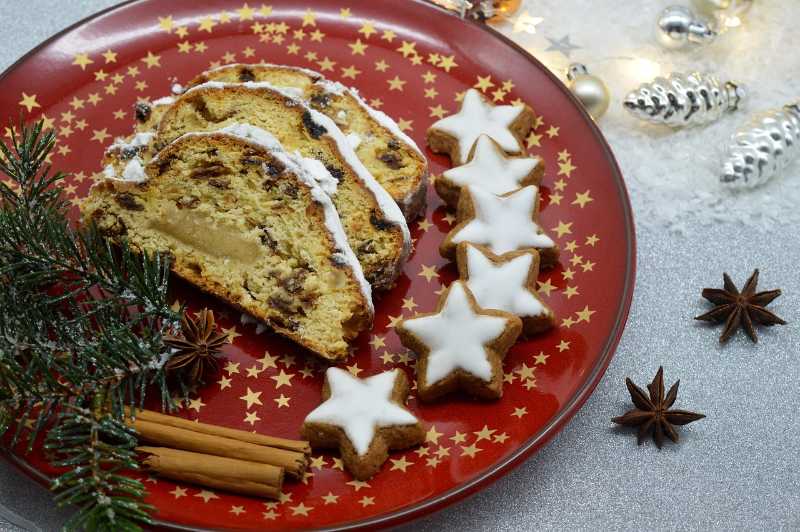
Dresden's Striezelmarkt is named for stollen, a sweet bread made with nuts, spices, and dried or candied fruit. It is usually dusted with powdered sugar or icing sugar.

The Striezelmarkt was first held as a one-day market in 1434, and is recognised as one of the oldest German Christmas markets, celebrating its 590th anniversary in 2024. It is one of the largest markets in Germany, attracting over 3 million visitors per year.
2. This market was first recorded in 1310

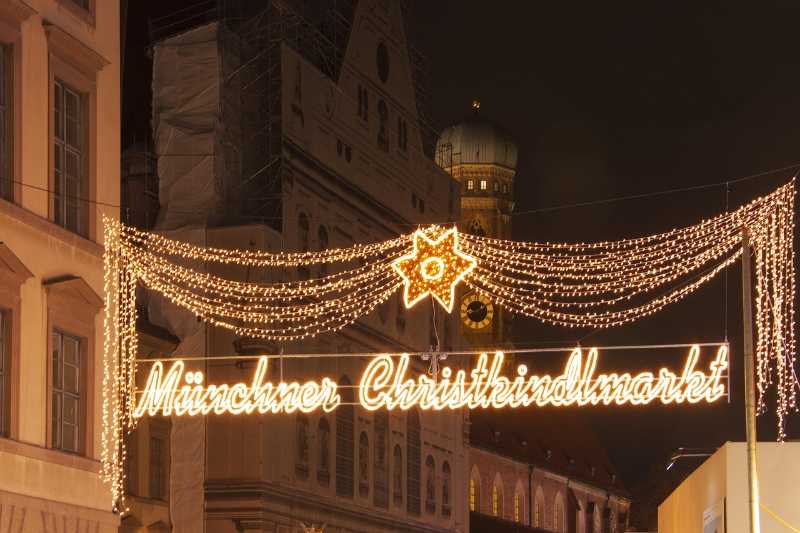
The first recorded market in Munich was 1310. It was originally known as a 'Nikolaimarkt' in honour of St Nicholas. He is associated with the tradition of leaving coins in shoes on his feast day, December 6th. For this reason, the Munich market is regarded by historians as a 'December' market, rather than as one specifically established to celebrate Christmas.

In 1806, the market became known as the Christkindlmarkt, which it is still known by today. The Christkindlmarkt is held in Marienplatz, the largest town square in Munich. Munich's markets attract around 3 million visitors every year.
3. A caramelised nutty Christmas treat

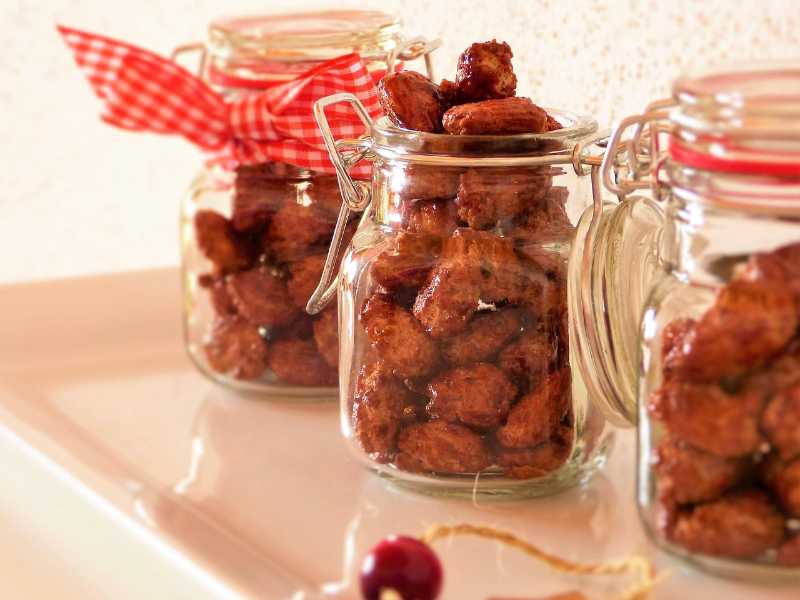
Gebrannte Mandeln are a popular treat at Christkindl markets. They can be purchased freshly made as a delicious snack to eat while walking around the markets, or as a gift for friends and family. They are made from a melted sugar mix poured over the almonds and allowed to cool.
4. Pfand (deposit)

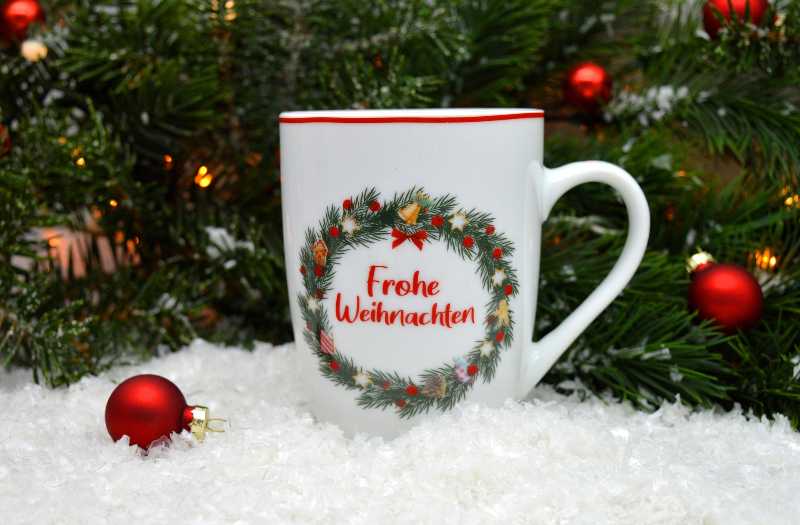
Each Christkindlmarkt has its own unique ceramic mugs, normally bearing the name of that particular market. These mugs are used to serve glühwein and other hot drinks. A small deposit (or pfand) is charged, and returned upon the receipt of the mugs. These mugs are a popular souvenir and collectors item.
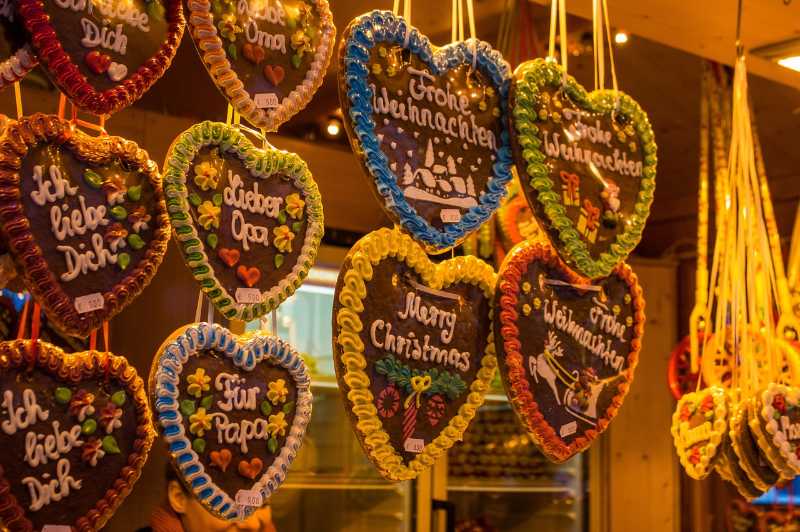
5. For your sweetheart

Gingerbread hearts or Lebkuchenherzen, are a popular treat and decoration for sale at many Christkindlmarkts. Lebkuchenherzen are heart-shaped cookies or biscuits, with a ruffled, colourful icing on their edges and a piped message in the middle. They have a hole through which ribbon is strung.
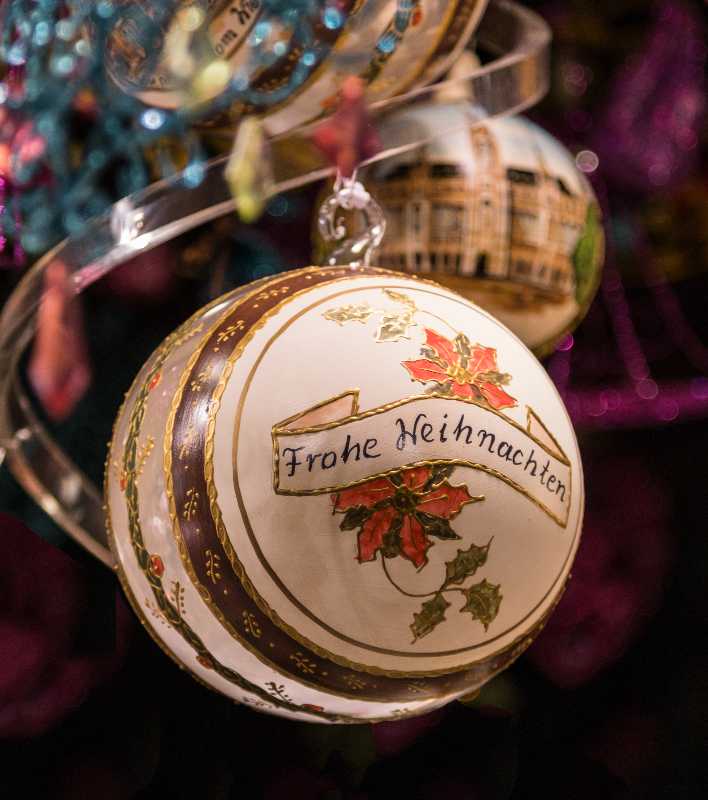
6. For your Christmas tree

Each Christkindlmarkt has a range of stalls selling Christmas decorations. Some are made from carved wood, others hang from ribbons. I also have some small metallic decorations in my collection. Many, like the one pictured, are hand blown and painted glass or ceramic ornaments.
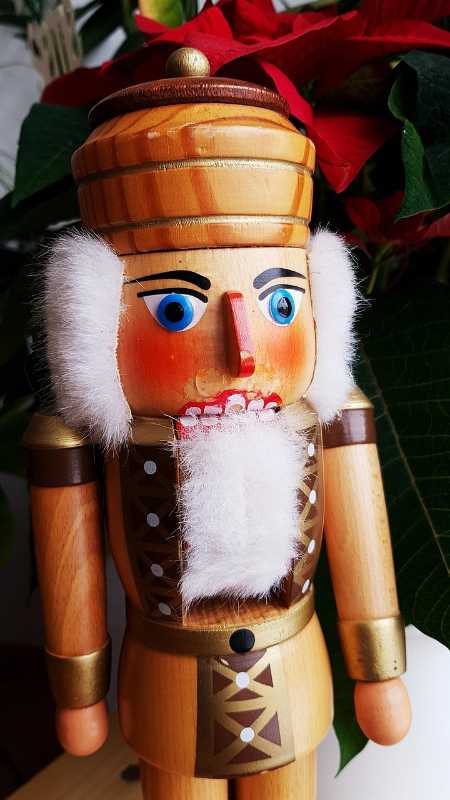
7. A decoration and a ballet

There are many stories explaining the origin of 'Nutcrackers' as a Christmas decoration. As their name suggests, they were derived from a practical tool designed to crack hard shelled nuts. Nutcracker figurines have been made since the late 1600s in parts of what's now Germany and Czechia/Czech Republic. It's not clear if they were made as good luck symbols or caricatures. They became popular in other parts of Germany and Europe from the early to mid 1800s, around the time of the Napoleonic wars.

Tchaikovsky's ballet, 'The Nutcracker' was written in 1892, based on an 1844 story published by Alexandre Dumas. Dumas based his story on an 1816 tale published by ETA Hoffman. 'The Nutcracker' and in particular, 'The Dance of the Sugarplum Fairy' are popular performances at Christmas.
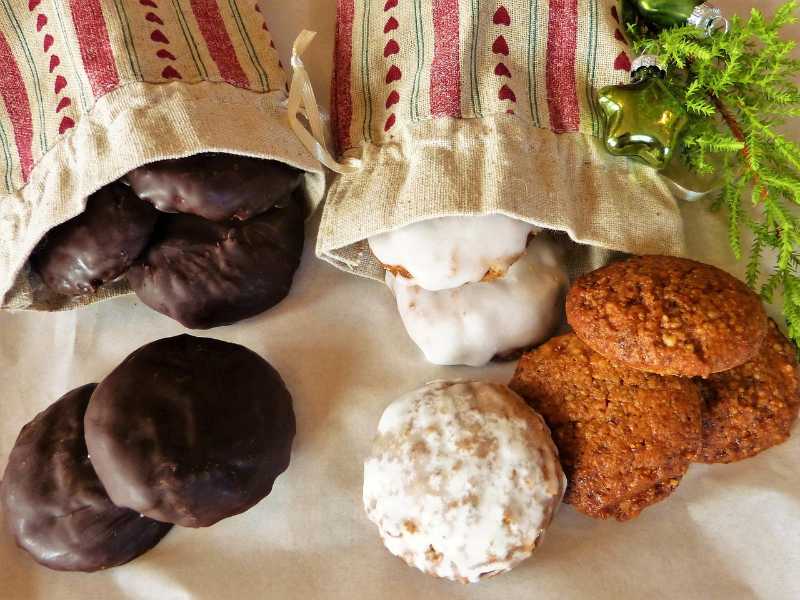
8. A biscuit or cookie treat

Lebkuchen biscuits or cookies range in taste from spicy to sweet, with several different varieties. The flavours are influenced by the types of nuts used - normally almonds, hazelnuts or walnuts. There are some varieties such as Elisenlebkuchen (made in Nuremberg) which are regional specialties.

Ingredients normally include honey, spices such as aniseed, cardamom, coriander, cloves, ginger, and allspice.
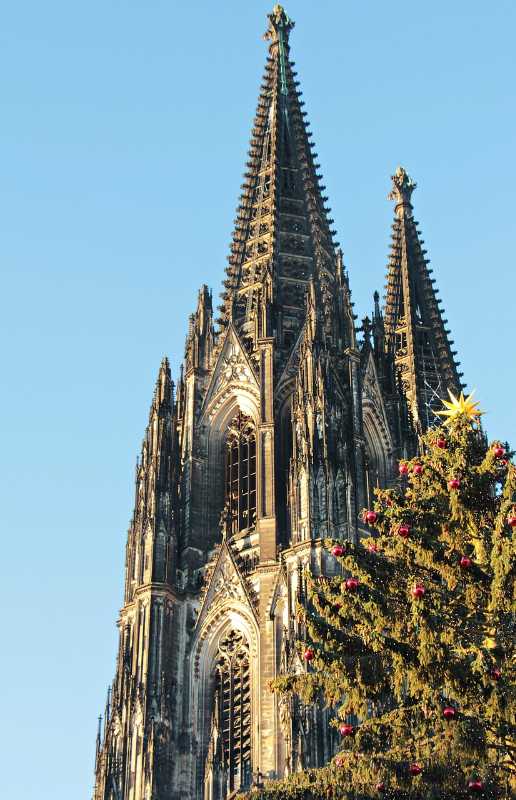
9. This Cathedral watches over Germany's largest market

The first Christmas market recorded in Cologne was in 1820. Cologne (or Koln using the German spelling) is home to one of Germany's most popular Christmas markets, with over 4 million visitors each year. The Cathedral precinct houses around 170 stalls.

The nearby Old Christmas Market, located in front of the town hall plays host to a gnome themed market, and is one of the more quirky markets. Apart from these two markets, Cologne plays host to at least another five every year.
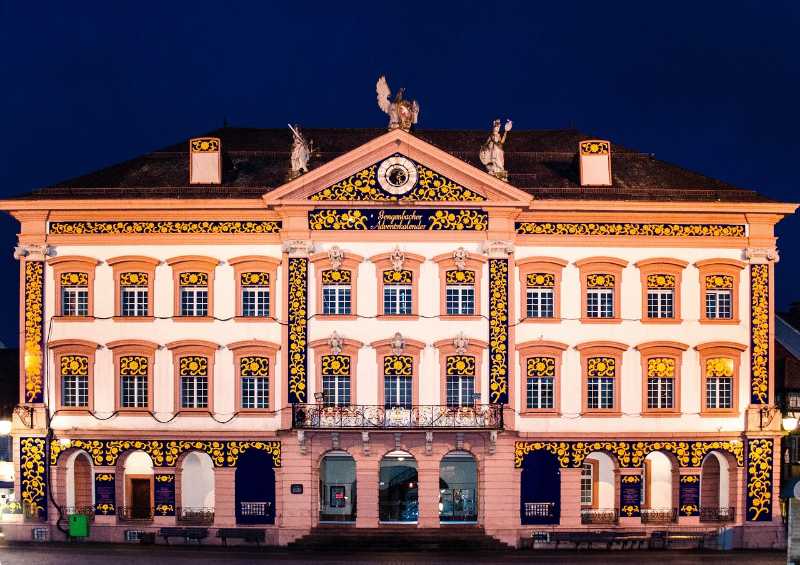
10. A life size advent calendar

Since 1996, Gengenbach Rathaus (Town Hall) has been transformed into an Advent calendar every year. During Advent, at 6 pm daily, a new window is opened. The theme changes every year to feature the works of a new artist. Previous themes have included the works of Andy Warhol and Marc Chagall.

The courtyard outside plays host to the town's annual Christmas market. Until 2007 it held the record for being the largest advent calendar, until it was overtaken by a large display at London's Kings Cross/St Pancras station.
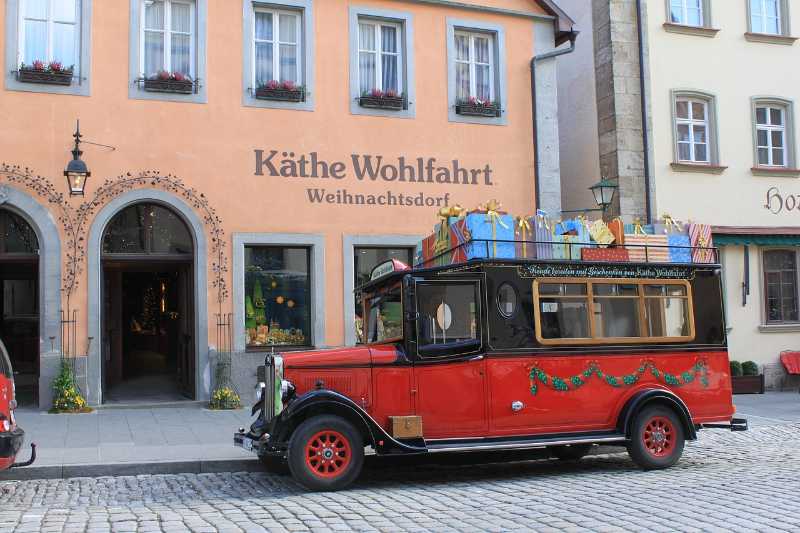
11. A famous Rothenburg Christmas store

Kathe Wohlfarht is a family owned and operated chain of stores which produce over 30,000 different Christmas related products. It moved its headquarters to Rothenburg ob der Tauber in Bavaria in 1977. The shop hosts a year round Christmas village, with the German Christmas museum hosted above.

Rothenburg is a popular tourist destination, due to its well-preserved medieval old town. The city walls are still completely intact city walls, only one of four towns in Germany to boast this feature. It was also featured in the movie 'Chitty Chitty Bang Bang'.
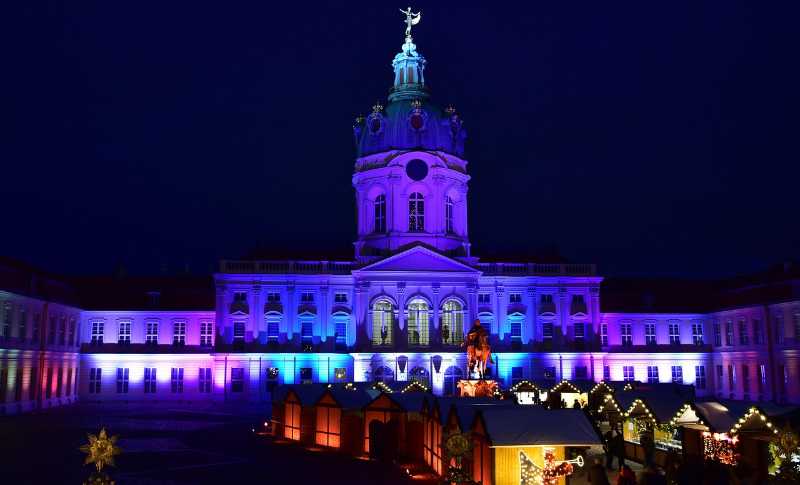
12. This capital hosts over 100 markets

Visitors to Berlin have the choice of over 100 Christmas markets, with many of these starting in November and remaining open until January (most other markets open during Advent and close on Christmas Eve).

Visitors are spoilt for choice as the markets cater for different audiences - some are traditional while others have a more carnival atmosphere.

There is also an international flavour with Swedish, Danish, Norwegian and even Japanese themed villages to choose from.

As the capital city, it is not surprising that market visitors are estimated to reach around 3 million each year.
13. A tasty Nuremberg snack

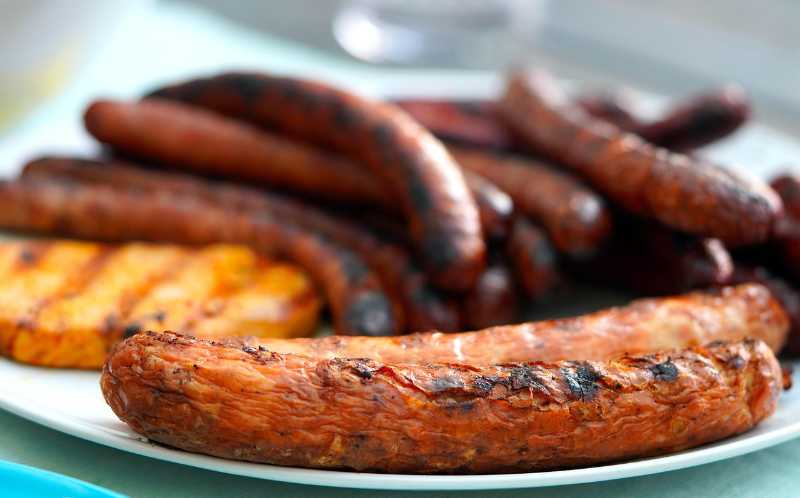
Nuremberg sausages (Nürnberger Rostbratwurst) are small, thin, traditional German pork sausages. They have protected status under European law meaning that they can only be produced within the Nuremberg region. They are a popular item among the many stalls in the Nuremberg markets.

The Nuremberg market has a strict policy that only traditional handmade products can be sold. It is one of the most popular markets in Germany, and has been operating since 1678. It has around 180 stalls and attracts over 2 million visitors each year.
14. Symbol of the season

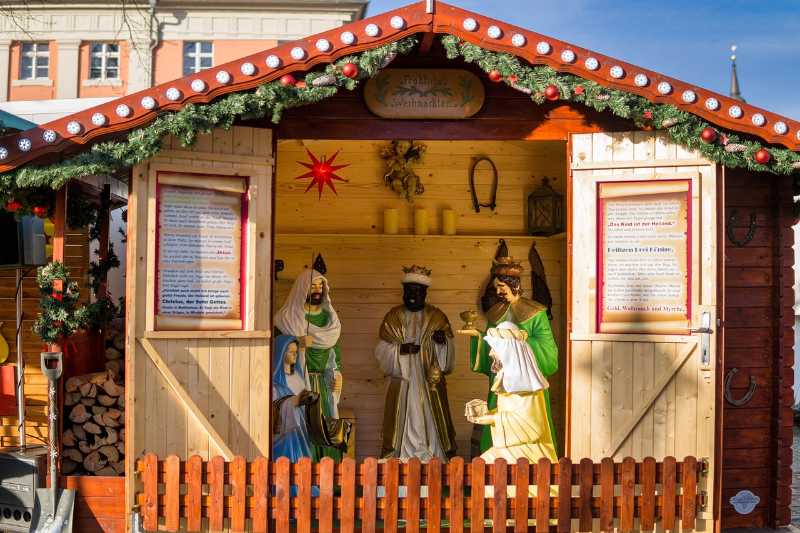
Germany has a long tradition of wood carving, and this can be seen with nativity scenes being a popular item on sale. Known as Weihnachtskrippe (or Christmas crib), the Nativity is normally presented as a rustic wooden farmhouse or alpine barn.

Families often have their own nativity, adding items to their display each day, with the infant Jesus being placed into the crib on Christmas Eve. December 24 is when German families traditionally exchange gifts, and celebrate Christmas. Many towns including Nuremberg host Krippenwege, public nativity trails featuring historic, life-size, or mechanical scenes throughout December.
15. Traditional market stall

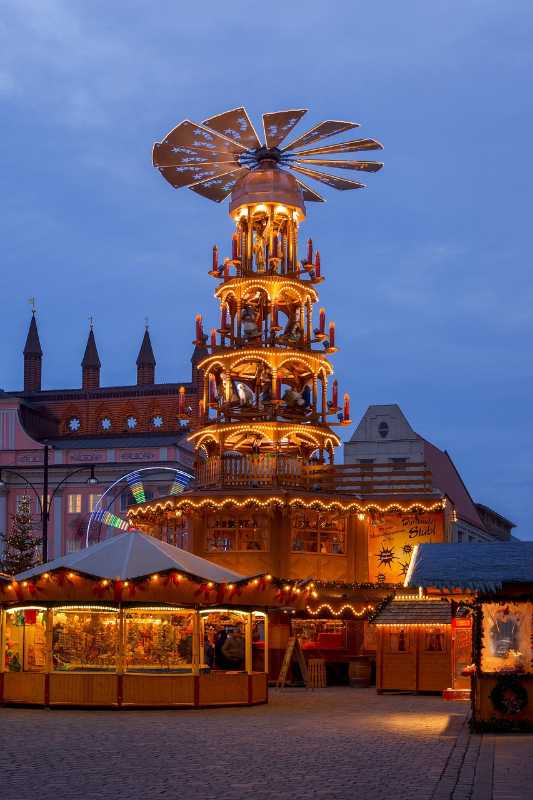
A quiz about German Christmas villages or Christkindlmarkt would not be complete without featuring the traditional wooden hut that houses the various shops. The huts traditionally feature timber framing, a peaked roof, shutters, lighting and sometimes heating. They are practical in nature, providing shelter for the shopkeeper and his or her products, and providing overnight storage.
Source: Author Tan72

This quiz was reviewed by FunTrivia editor stedman before going online.
Any errors found in FunTrivia content are routinely corrected through our feedback system.
Related Quizzes
1. Christmas Easier
2. Christmas Entertainment Average
3. The ABCs of Christmas Easier
4. Santa Who? Easier
5. The Night Before Christmas - Poem Average
6. Christmas According to the Bible Tough
7. Happy Holidays for Pets! Average
8. 9 for 10 - Christmas Average
9. Christmas Difficult
10. Why I Hate Christmas Average
11. Christmas Traditions Very Difficult
12. General Christmas Trivia Difficult

11/19/2026, Copyright 2026 FunTrivia, Inc. - Report an Error / Contact Us