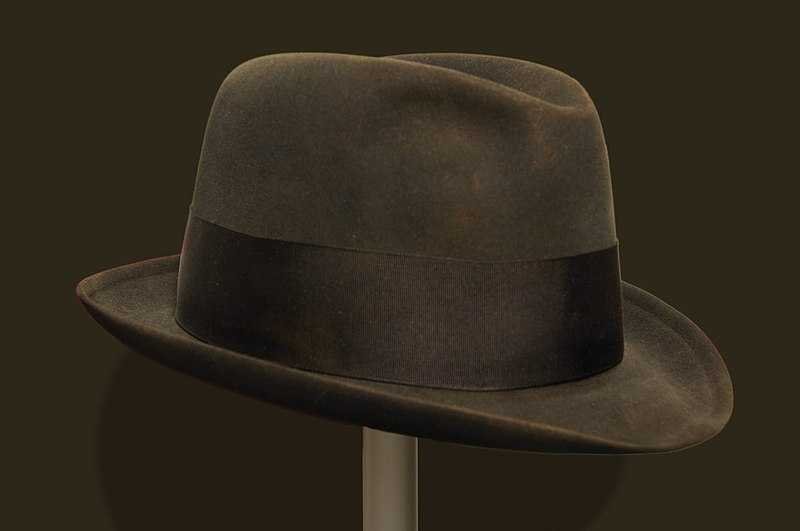
The fedora is easy to recognize thanks to its creased crown and wide brim. It first appeared in the late 19th century, though it really took off in popularity during the 1920s and 1930s, when it became closely associated with a polished, fashionable look.
The name comes from the 1882 play "Fedora" by Victorien Sardou. Although it started out as a men's accessory, it did not stay that way for long.
2. turban
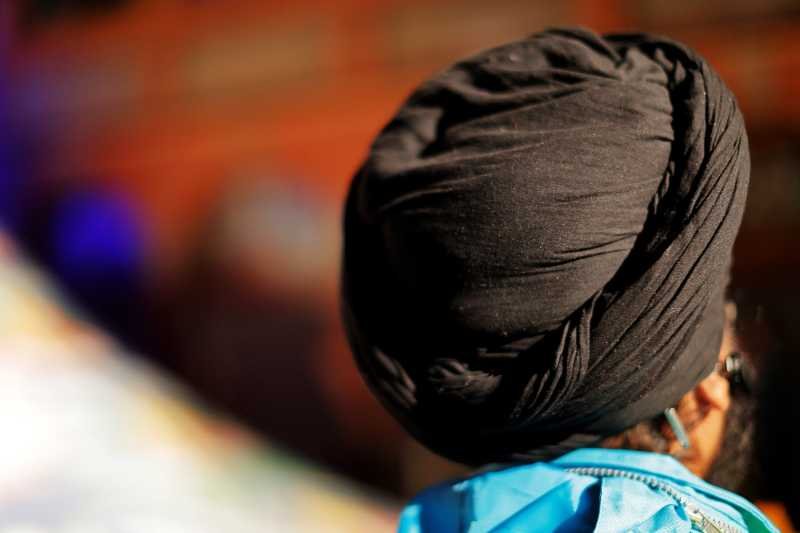
Turbans have roots that go back around 4,000 years. They have been worn across a wide range of regions, including the Middle East, South Asia, and North Africa. Their role has never been purely decorative. In many cultures, turbans have signaled social status, religious beliefs, or cultural identity. As centuries passed, both the styles and materials changed.
3. boater
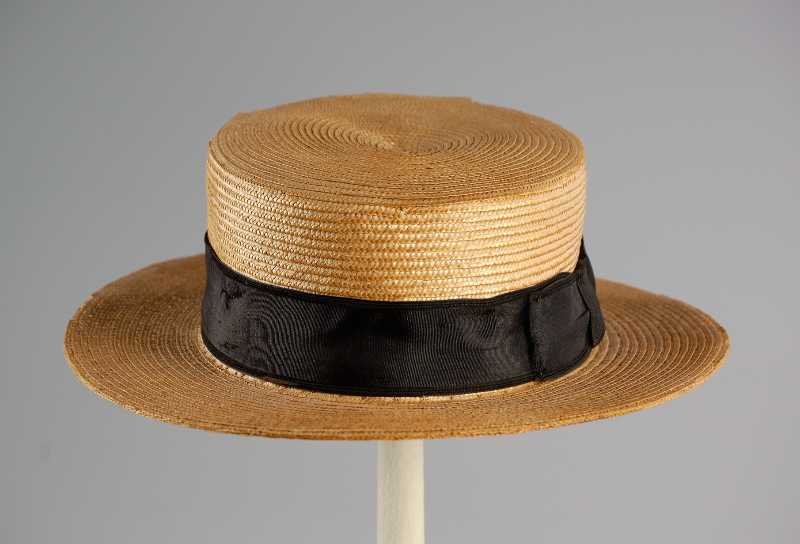
The boater hat, with its flat crown and stiff brim, came into fashion toward the end of the 19th century. It became especially popular during the Edwardian era in the early 20th century and was worn by both men and women. Its design focused on comfort and practicality, offering a lightweight option for outdoor activities and summer events.
Although it was first associated with boating enthusiasts, it quickly moved beyond that setting. Garden parties, sporting events, and other social gatherings helped cement its place as a symbol of relaxed elegance.
4. fez
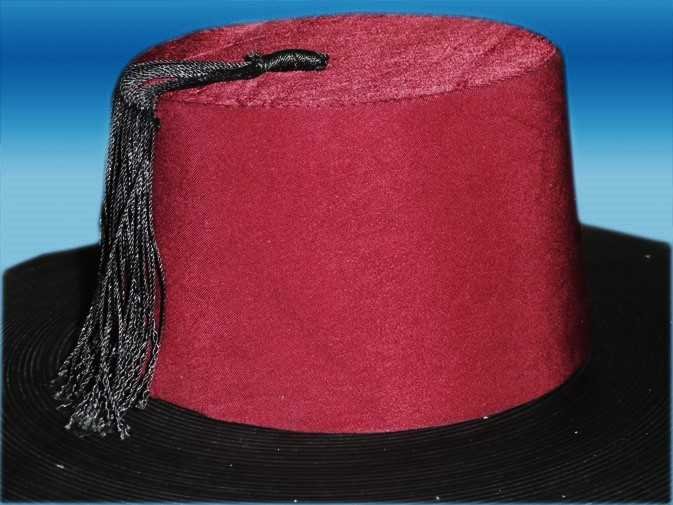
The fez, known for its flat top and tassel, originated in the Ottoman Empire during the early 19th century. It was widely worn by men across regions such as present-day Turkey and the Middle East. At one point, the fez even became a marker of modernity and national identity, replacing older forms of headwear.
Its popularity carried into the early 20th century, but political shifts and changing fashion trends eventually reduced its everyday use. Even so, it remains a recognizable symbol tied to its historical background.
5. mitre
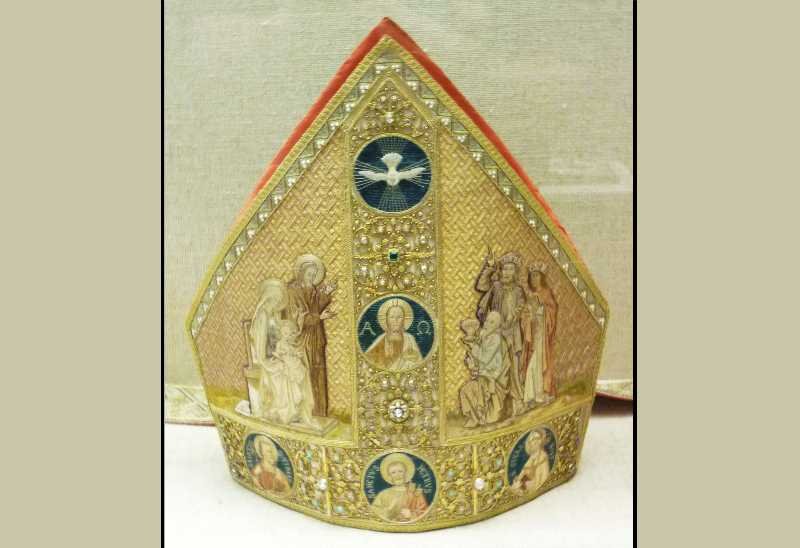
The mitre belongs to the traditions of the Christian Church and dates back to around the 10th century. It developed as a symbol of rank and authority within the clergy. Structurally, it consists of two triangular sections of fabric, often decorated in elaborate ways that reflect the spiritual role of the wearer. Bishops and other high-ranking officials have worn the mitre for centuries during formal religious ceremonies.
6. beret
Originating in the Basque region of France and Spain, the beret dates back to the 17th century. Early on, it was mainly worn by shepherds and peasants because it was simple to make from local materials. Over time, though, its meaning expanded. It came to represent regional identity and even resistance.
By the 20th century, the beret had spread far beyond its origins, becoming a fashionable accessory for intellectuals and soldiers alike.
7. bowler
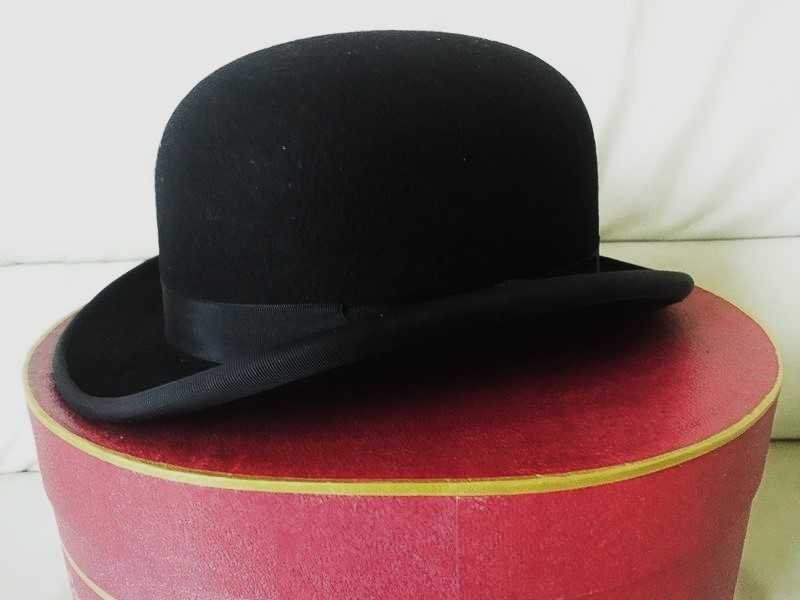
The bowler hat, with its rounded crown and stiff brim, was created in England in 1849. Thomas and William Bowler designed it at the request of a British hat retailer. The original purpose was practical: gamekeepers and riders needed something sturdy that could protect them from low branches while riding.
The design proved useful, and it soon gained popularity across different social groups. Because it was worn by both working-class individuals and the upper class, it came to reflect a kind of social overlap during the Victorian and Edwardian periods.
8. beanie
Beanies are known for their close fit and soft material, and they trace back to the early 20th century. At first, they were mainly worn by blue-collar workers in the United States, including factory laborers and miners, because they provided warmth and comfort.
The design was simple but effective, which made it a practical choice. Over time, the beanie moved beyond its original purpose. It became a fashion item embraced by different subcultures and youth groups, eventually turning into a symbol of casual style and self-expression.
9. pillbox
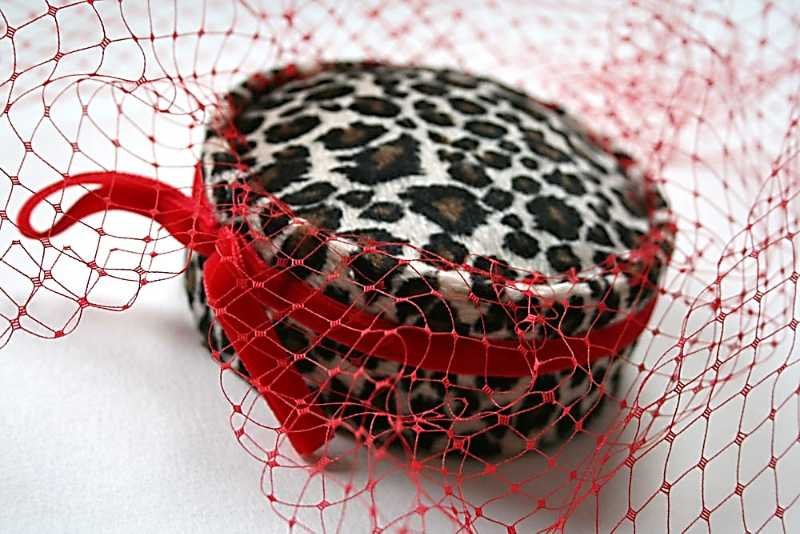
The pillbox hat is a small, structured hat with a flat top and straight sides. Although it first appeared in the 1930s, it became especially popular in the 1960s. Its design draws from both military and equestrian influences, emphasizing clean lines and simplicity.
Much of its popularity can be linked to Jacqueline Kennedy, who frequently wore it while serving as first lady. Because of that association, the pillbox hat became closely tied to 1960s fashion.
10. sombrero
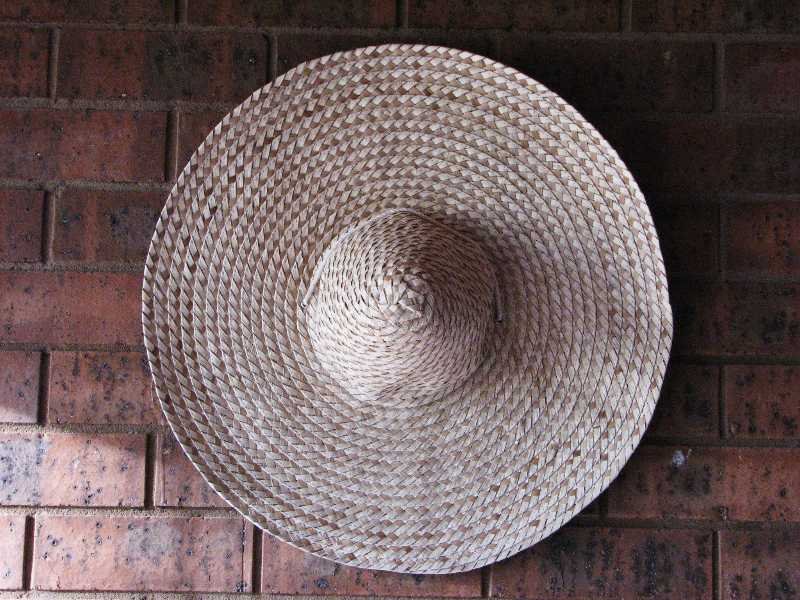
The sombrero was developed in Mexico and other Spanish-speaking regions, with its origins tied to Spanish colonizers in the 18th century. Its design was influenced by Moorish and Andalusian styles. The wide brim offered protection from intense sun and heat, making it well-suited for outdoor work and rural life. Over time, it became a strong symbol of Mexican culture, often seen at festivals and celebrations and closely associated with mariachi music.
11. ushanka
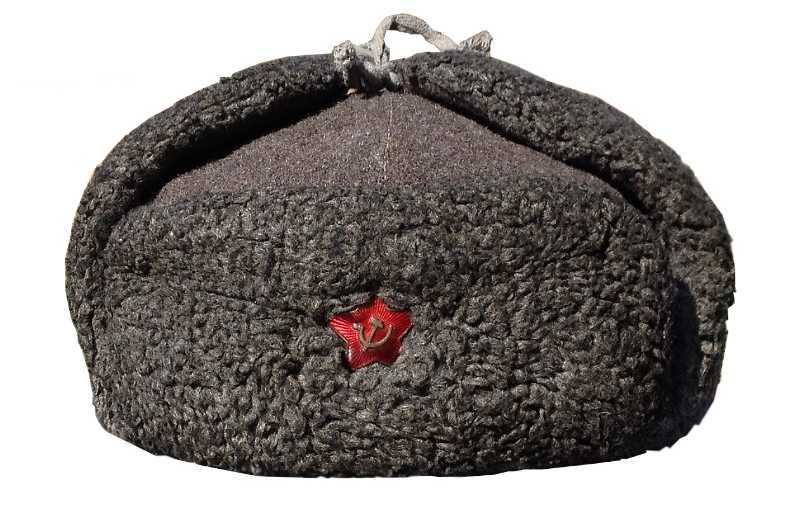
The ushanka is a traditional Russian hat known for its ear flaps. Its origins go back to the 17th century, when it was used by soldiers and people working in harsh winter conditions. The design made it effective at protecting against cold weather. The name comes from the Russian word "ushi," meaning ears, which directly refers to its flaps.
By the early 20th century, the ushanka had become widely recognized and is now closely associated with Russian culture, especially in connection with the Soviet period and winter clothing.
12. tricorne
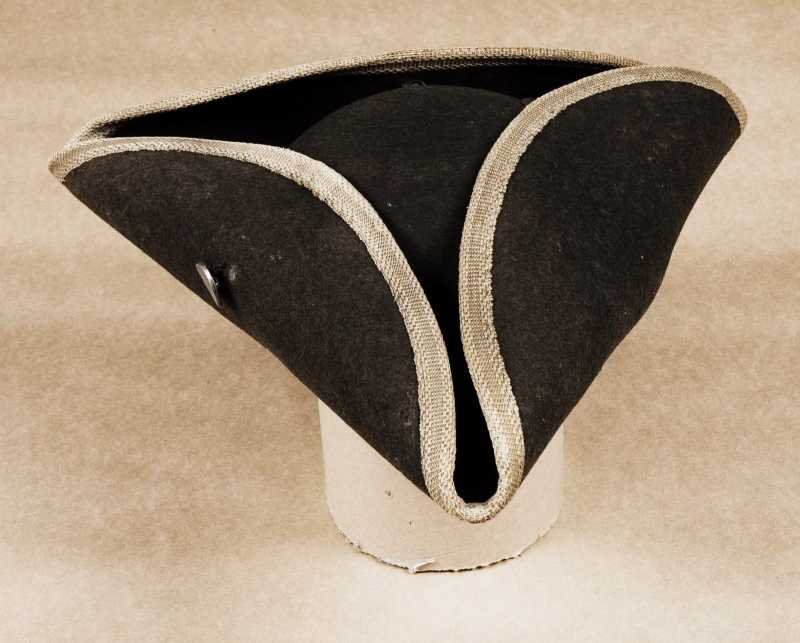
The tricorne hat stands out because of its three-cornered shape, created by folding up the brim. It originated in Europe during the 17th century and remained popular through the late 17th and 18th centuries. During that time, it became closely tied to Baroque and Rococo fashion.
The design allowed wearers to adjust the brim for both style and practicality. People from different social classes wore tricorne hats, and they often appeared as part of formal outfits, including military uniforms and civilian fashion.
This quiz was reviewed by FunTrivia editor kyleisalive before going online.
Any errors found in FunTrivia content are routinely corrected through our feedback system.