FREE! Click here to Join FunTrivia. Thousands of games, quizzes, and lots more!
Quiz about Kids Scrambles  Insects

Kids' Scrambles - Insects Trivia Quiz


My students really love photo quizzes and word scrambles, and this photo match quiz brings those two things together! Match the scrambled English words to their correct photos. (Click the images for a closer look!)

by trident. Estimated time: 3 mins.
  1. Home
  2. »
  3. Quizzes
  4. »
  5. For Children Trivia
  6. »
  7. Animals for Kids
  8. »
  9. Invertebrates for Kids

Author
trident
Time
3 mins
Type
Quiz #
415,197
Updated
May 01 26
# Qns
12
Difficulty
Very Easy
Avg Score
11 / 12
Plays
453
Awards
Top 5% quiz!
Last 3 plays: teachdpo (8/12), cherm (10/12), treardon (12/12).
Drag-Drop or Click from Right
Options
ebenehoy teflutbry gnipyra tiasmn ugdn lbeete kocchrcoa erfi nat uimosqot yonfdargl trheon budgaly etmreit hrspeosgpar


 View Image Attributions for This Quiz

Most Recent Scores
May 06 2026 : teachdpo: 8/12
Apr 21 2026 : cherm: 10/12
Apr 20 2026 : treardon: 12/12
Apr 16 2026 : samak: 12/12
Apr 15 2026 : jasa9092: 12/12
Mar 26 2026 : Guest 75: 3/12
Mar 24 2026 : TriviaFan22: 12/12

Quiz Answer Key and Fun Facts
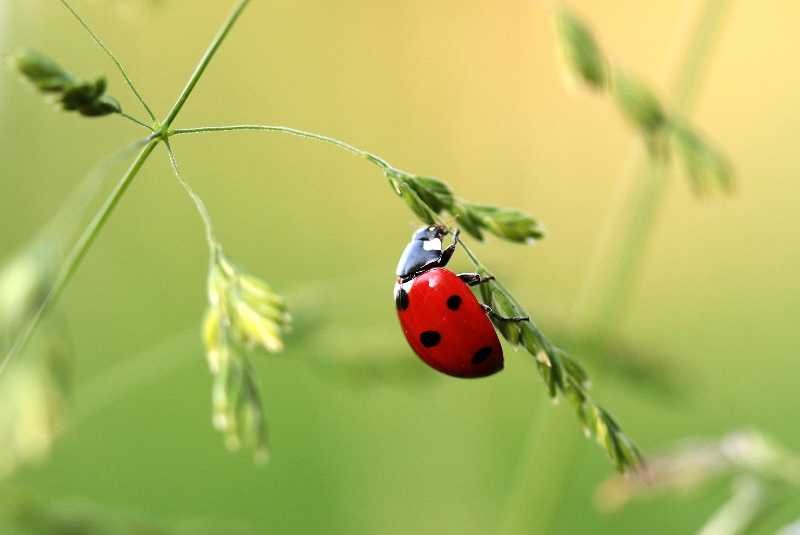
1. budgaly

Ladybugs are small, colorful insects you can spot in gardens, meadows, and even tall grass. Bright red or orange bodies with black spots make them easy to recognize. They spend much of their time on plants, where they hunt aphids, tiny pests that can harm gardens. Because they eat so many aphids, they actually help keep plants healthy. When flying, ladybugs can move quickly as they search for food.

Fascinating fact: Ladybugs use a stinky liquid as a defense mechanism. When they feel threatened, they release a yellowish liquid from their joints that tastes bad to predators and makes them think twice about having a ladybug for lunch!
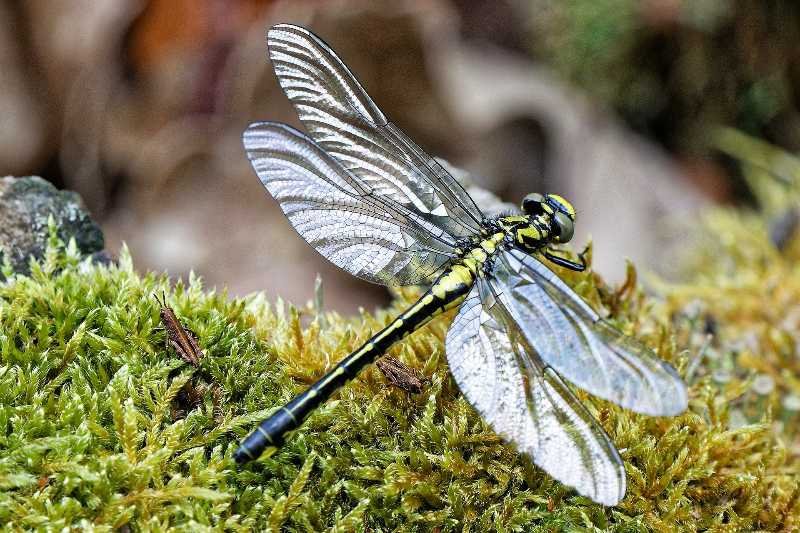
2. yonfdargl

Near ponds, lakes, and rivers, dragonflies zip through the air with impressive speed. These insects have large, colorful eyes that help them spot prey like mosquitoes and flies. With four delicate wings, they can hover, dart, and even change direction in midair. Dragonflies are skilled hunters and rarely miss their target.

Fascinating fact: Dragonflies have been around for a very, very long time - even longer than dinosaurs!
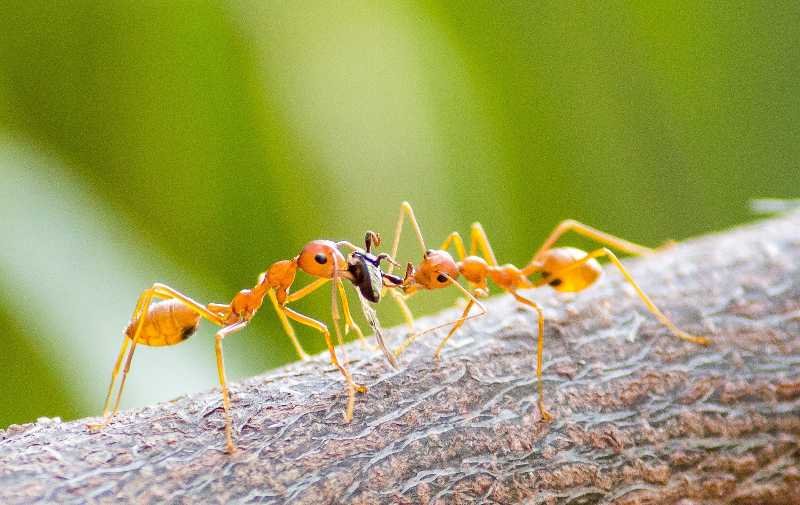
3. erfi nat

In warm gardens and grassy areas, fire ants build tall mounds that look like tiny castles. These insects may be small, but they are tough and active. Moving quickly in and out of their mounds, they gather food such as insects, seeds, and even small animals. Fire ants are not picky eaters and work hard to keep their colony running.

Fascinating fact: Fire ants use their tiny bodies to link together and create floating ant rafts when it rains a lot. This helps them survive by staying above water until they can find dry land again!
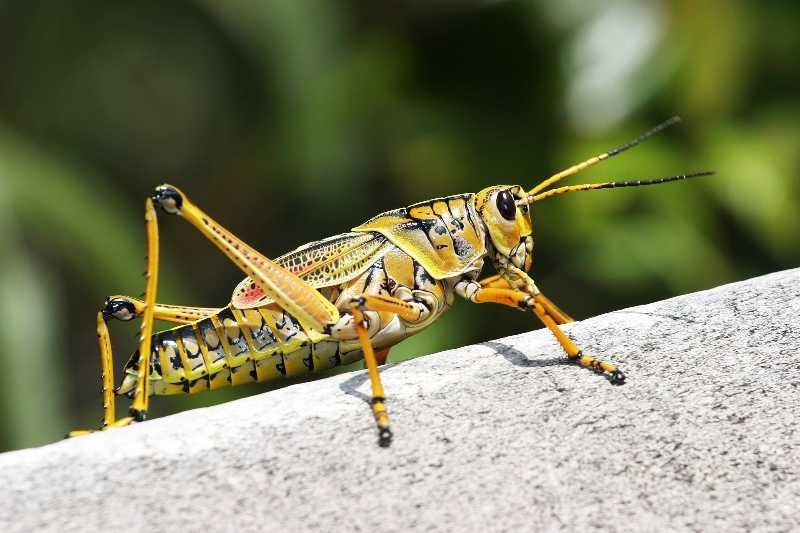
4. hrspeosgpar

Grasshoppers, common in fields and gardens, are known for their powerful jumps. Strong back legs allow them to leap far distances in a single move. As herbivores, they feed on leaves and plants. Another interesting feature is the sound they make by rubbing their wings together, a noise called "stridulation."

Fascinating fact: Grasshoppers have ears on their bellies. These special ears help them listen for the sounds of other grasshoppers and potential dangers around them, making them very alert and aware insects.
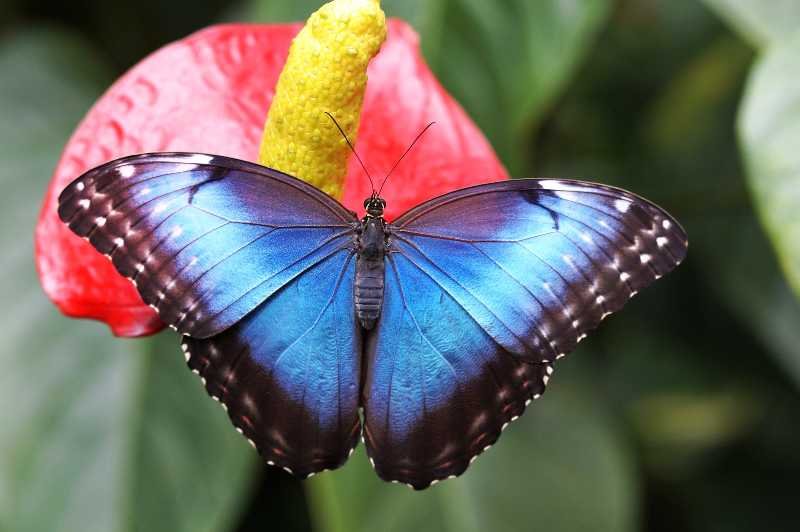
5. teflutbry

Across many habitats, butterflies drift from flower to flower in search of nectar. Their long, straw-like mouth, called a proboscis, helps them sip this sweet liquid. As they move, they carry pollen, helping plants grow and reproduce. The life cycle of a butterfly is also amazing, beginning as an egg, changing into a caterpillar, and finally becoming a winged adult.

Fascinating fact: Butterflies can taste with their feet! When they land on a flower, they use their feet to sense if it's a good place to lay eggs or find nectar.
6. ebenehoy

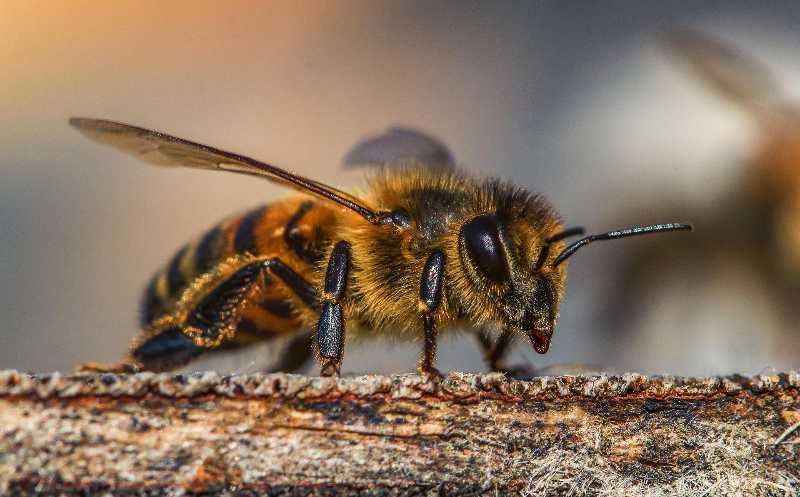
Honeybees live together in busy hives, often found in trees or man-made boxes. Each bee has a job, and they work as a team to collect nectar and turn it into honey. The queen leads the colony, while worker bees gather food, care for young bees, and protect the hive. As they move from flower to flower, honeybees also help plants grow by spreading pollen.

Fascinating fact: Honeybees do a special dance called the "waggle dance" to tell their friends where to find the best flowers with yummy nectar.
7. ugdn lbeete

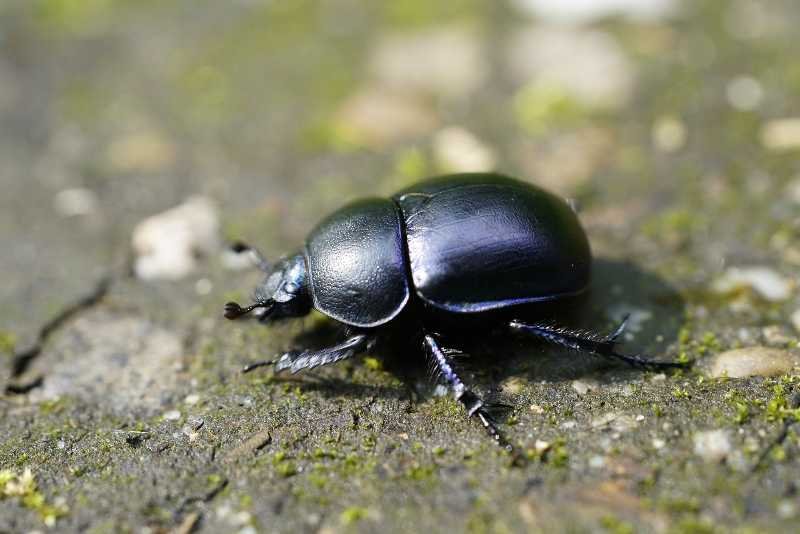
Dung beetles can be found in many places around the world, often near animal droppings. Using their strong legs, they roll dung into balls, which they use as food and a place to lay eggs. This unusual behavior actually helps clean up the environment by breaking down waste. Some dung beetles even roll their balls while moving backward or upside down.

Fascinating fact: Dung beetles navigate using the sun and the moon. It's like they have their own little compass to guide them while they're busy rolling dung!
8. uimosqot

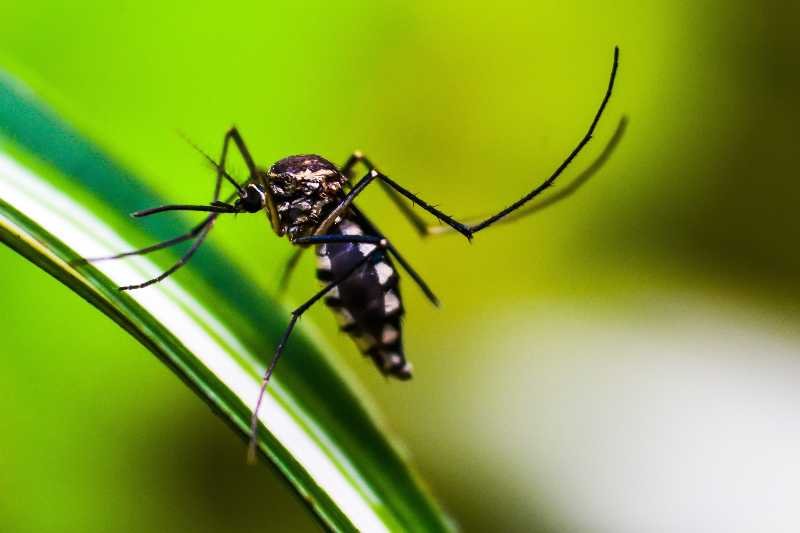
Mosquitoes are small insects that live near water sources like ponds, lakes, and puddles. Known for their buzzing sound, they use a thin, tube-like mouthpart to feed. Female mosquitoes bite animals and humans because they need blood to produce eggs, while males mostly drink nectar. Their bites often leave itchy marks on the skin.

Fascinating fact: Only female mosquitoes bite, while males prefer to sip nectar from flowers.
9. kocchrcoa

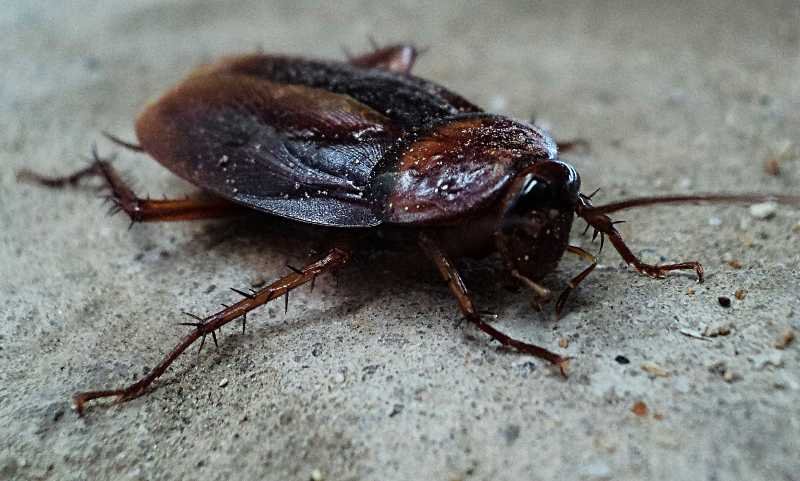
Cockroaches are tough insects that can live in many environments, from kitchens to outdoor spaces. They are excellent at hiding and can squeeze into very small cracks. At night, they come out to search for food, eating almost anything, including crumbs, scraps, and even paper. Their ability to survive in different conditions makes them very adaptable.

Fascinating fact: Even though they need their heads to eat and drink, cockroaches can survive for some time without them.
10. gnipyra tiasmn

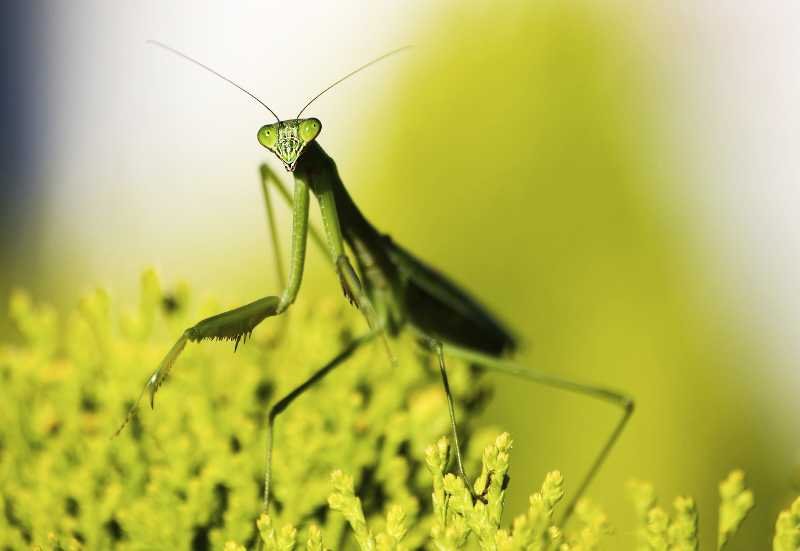
Praying mantises live in green areas like gardens and forests, where they blend in with leaves and branches. Holding their front legs together as if in prayer, they wait quietly for prey to come close. Once an insect gets near, the mantis strikes quickly using its sharp jaws. They often eat flies, grasshoppers, and other bugs.

Fascinating fact: After the female praying mantis lays eggs, she covers them with a protective foam.
11. etmreit

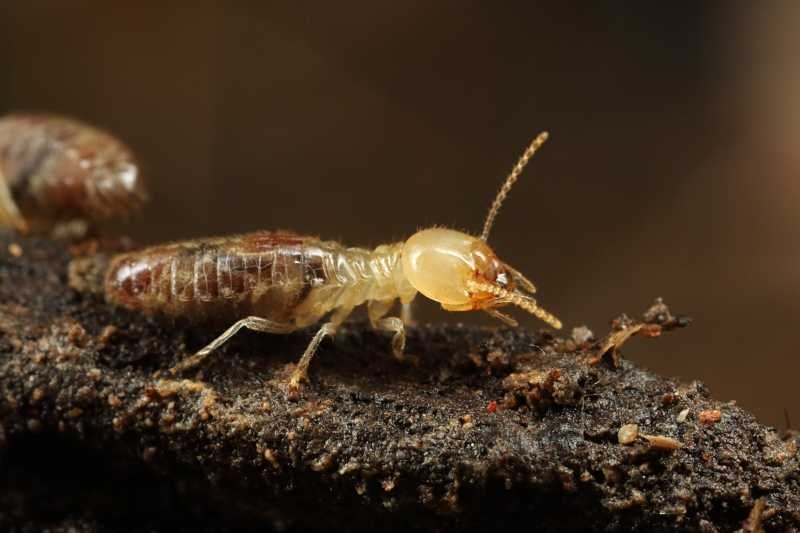
Termites live in large colonies, often hidden underground or inside wood. These insects feed on wood and plant material, using strong jaws to chew through tough surfaces. Working together, termites build tunnels and nests and stay active day and night. Their teamwork helps the entire colony survive.

Fascinating fact: Some termite mounds can get as tall as 26 feet (8 m)!
12. trheon

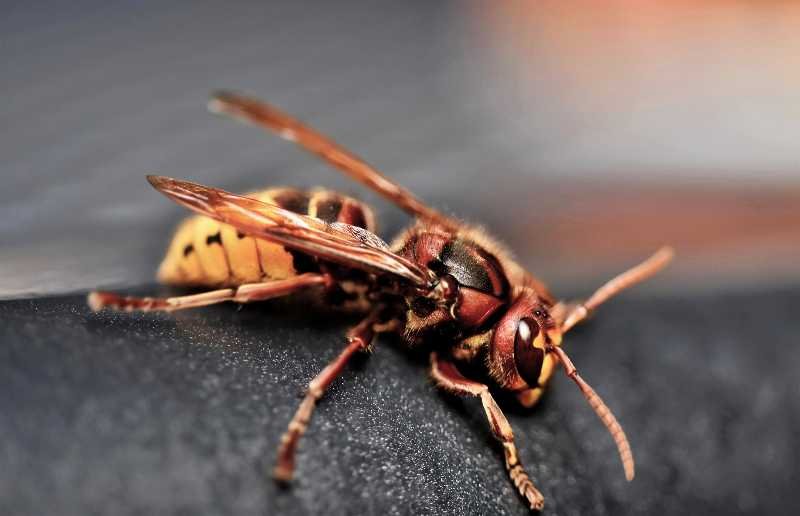
Hornets build their nests high in trees or on buildings, especially in warm, sunny areas. These social insects work together and feed on nectar as well as other insects. They are protective of their nests and may sting if they feel threatened. Inside the nest, each hornet plays a role in keeping the group safe and fed.

Fascinating fact: Hornets are skilled paper-makers. They create their nests by chewing up wood and mixing it with their saliva to make a strong, paper-like material.
Source: Author trident

This quiz was reviewed by FunTrivia editor MotherGoose before going online.
Any errors found in FunTrivia content are routinely corrected through our feedback system.
Related Quizzes
This quiz is part of series Kids' Scrambles [1]:

Get ready to unscramble some words in these fun photo match quizzes!

  1. Kids' Scrambles - Ocean Animals Very Easy
  2. Kids' Scrambles - Insects Very Easy
  3. Kids' Scrambles - Musical Instruments Very Easy
  4. Kids' Scrambles - At the Beach Very Easy
  5. Kids' Scrambles - Transportation Very Easy

5/7/2026, Copyright 2026 FunTrivia, Inc. - Report an Error / Contact Us