FREE! Click here to Join FunTrivia. Thousands of games, quizzes, and lots more!
How Rude! Trivia Quiz
City Nicknames, USA
Many cities have earned nicknames, and not all of them are flattering. Here is a small selection of US city nicknames. Please don't hate me if you object to the name - I've been to most of these cities and loved them all.
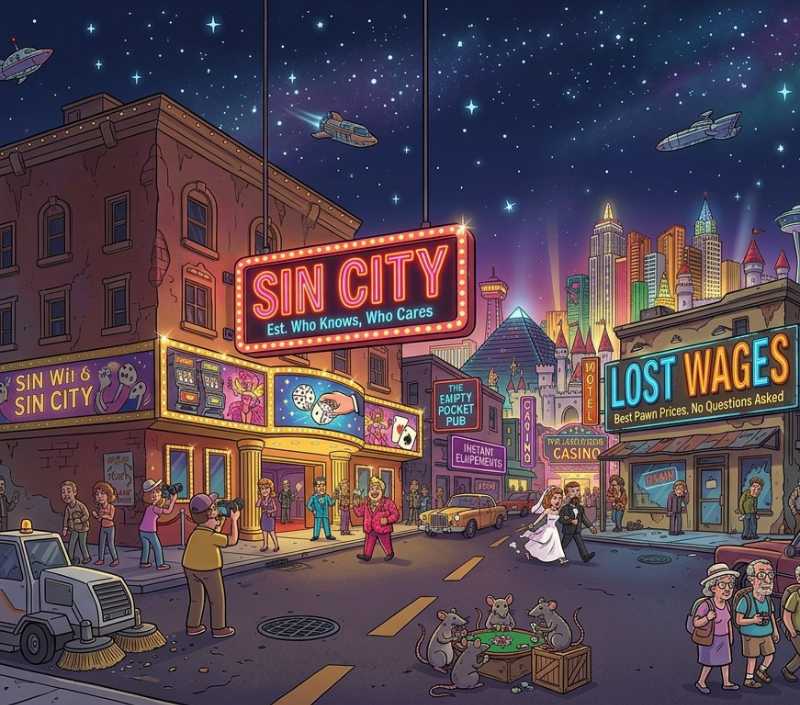
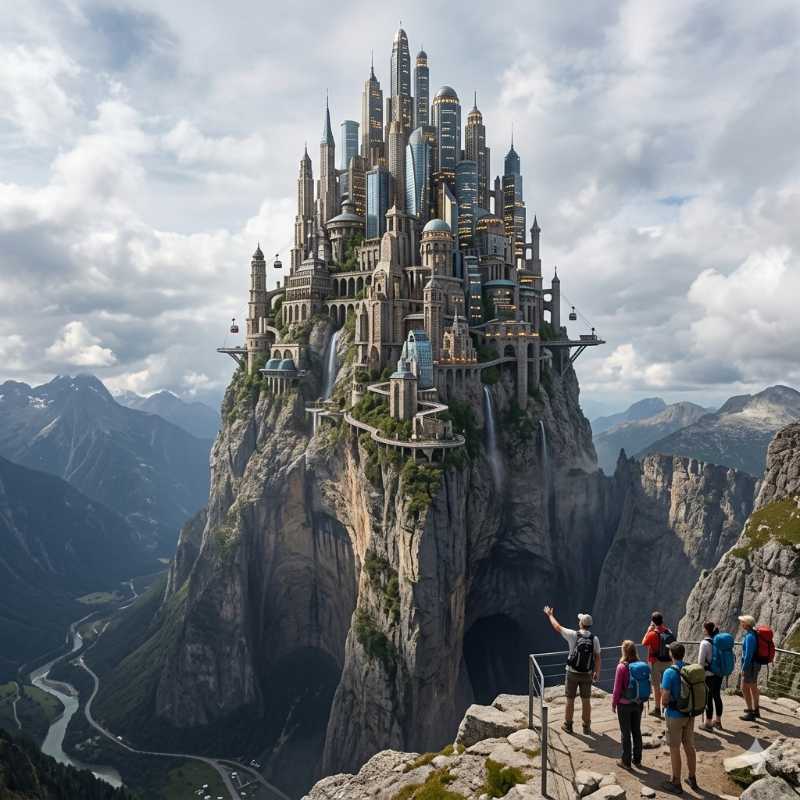
The nickname for each city is represented by an illustration. Occasionally more than one clue is in a picture. Identify each city and match it with its name
Drag-Drop or Click from Right
Options
Los Angeles, CALas Vegas, NVNew York City, NYChicago, ILBoston, MADenver, COAlbuquerque, NMNew Orleans, LADetroit, MISeattle, WA
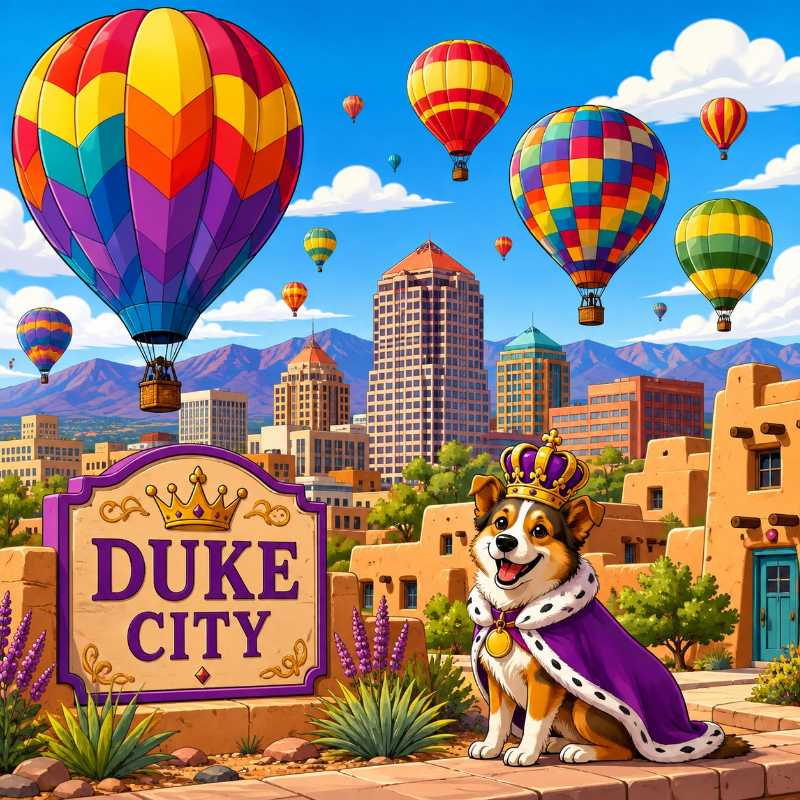
Albuquerque's nickname "the Duke City" comes from its founder, Francisco Fernandez de la Cueva, 10th Duke of Albuquerque in Spain. It is also known by many enthusiasts as "the Balloon Capital of the World" due to its annual International Balloon Fiesta.
The city is sited on the Rio Grande, and has a vibrant mix of ethnicities. In 2007 it was declared the fastest growing city in the USA. Its climate is described as warm temperate semi-desert.
2. Boston, MA
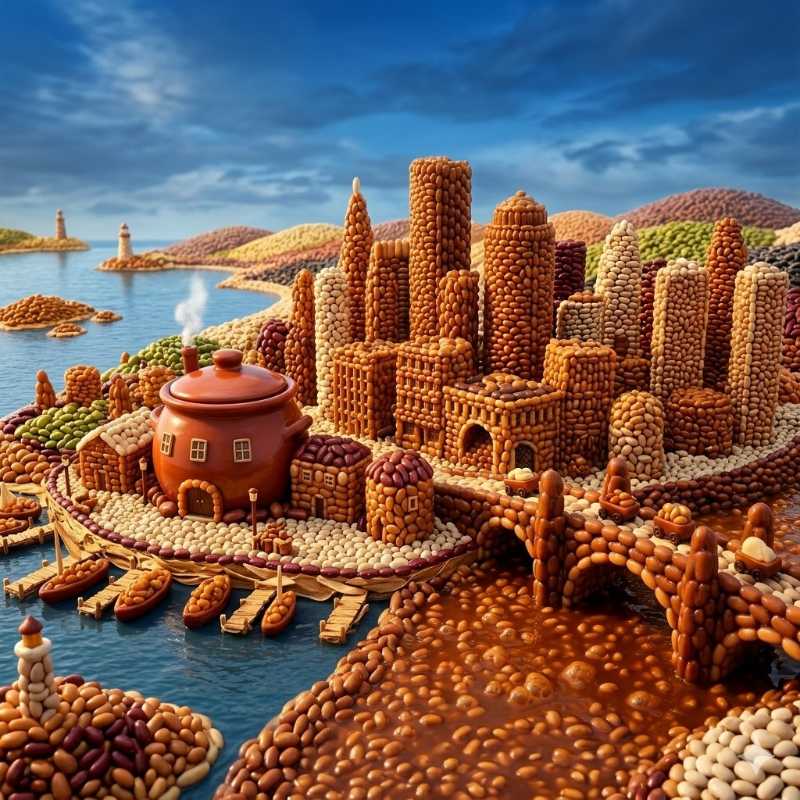
Boston is of course Beantown! Named after Boston, Lincolnshire by its early Puritan settlers, Boston was a prominent port city, taking an important role in the early life of British colonial USA, and took a leading stance in its independence movement.
Boston earned its nickname due to the traditional dish, Boston baked beans. This developed from the Pilgrim dish of bean and bacon pottage. As Boston had become a rum exporter, rum being based on fermented molasses, the introduction of molasses to the bean dish gave the Boston version a unique flavour.
3. New Orleans, LA
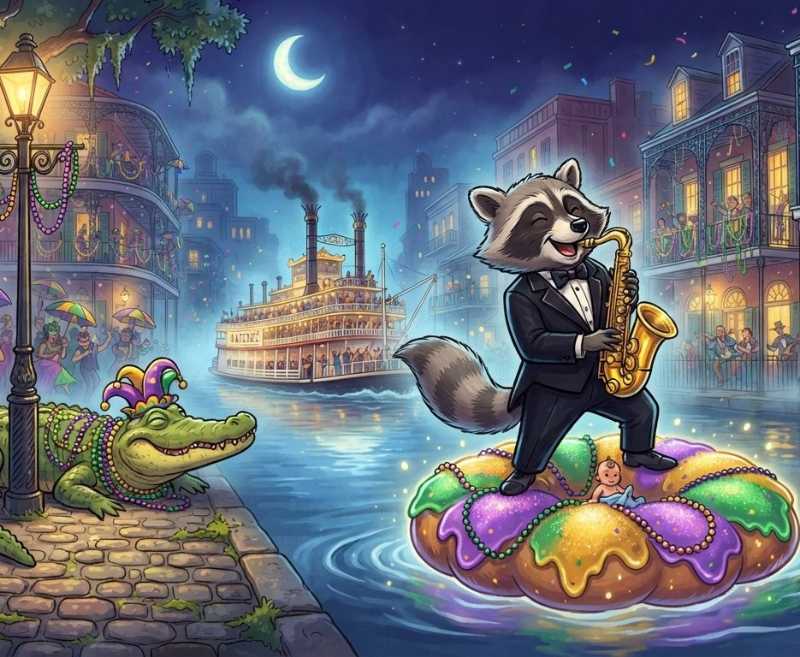
New Orleans, or the Big Easy, is the most populous city in Louisiana. Now renowned for its distinctive live music style and Creole cuisine, the settlement was founded in 1718 by French colonists and called La Nouvelle-Orleans after Orleans in France.
Throughout the 19th C New Orleans was the largest city and the major commercial hub for international trade in the Southern United States, exporting cotton to western Europe and the northern US cities. It was the site of the last major battle of the War of 1812.
Long celebrated as the home of Mardi Gras, New Orleans has a great deal to interest a visitor, from its several distinctive food styles, its particular form of lively jazz, and many festivals, to its unique blend of dialects and its architecture.
4. New York City, NY
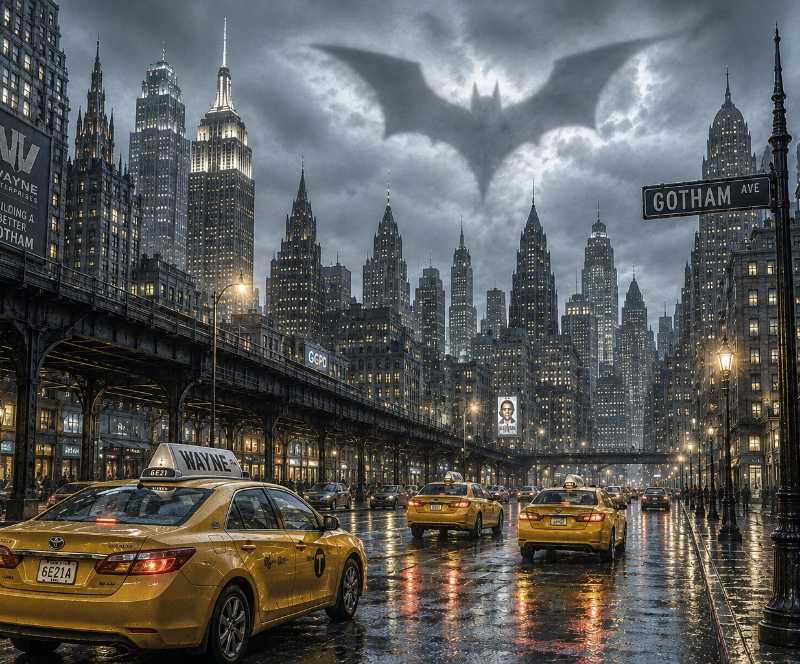
New York, New York, the Big Apple to most visitors, The City So Nice They Named It Twice, is Gotham to the locals (or that's what I hear).
Apparently in 1807 the writer Washington Irving, then resident of NYC, and a group of friends created a literary magazine "Salmagundi", publishing essays on the doings of the residents of Gotham (a thinly veiled pseudonym for NYC).
The original Gotham, a village in Nottinghamshire, England, became synonymous with a village of idiots. (Or rather, people pretending to be idiots). Back in the bad ol' days of King John, the King was planning a trip to Nottingham, which would have involved building a public road through the centre of Gotham. This would have forced the locals into unpaid hard labour and the responsibility of maintaining the road in the future. Madness at that time was thought to be catching, so when the King's knights arrived to arrange the necessary demolition of homes, etc., they found a village of insane people attempting to drown eels and put a roofless fence around a cuckoo to prevent its escape. The knights retreated, and chose a different route. (Or so the story goes.)
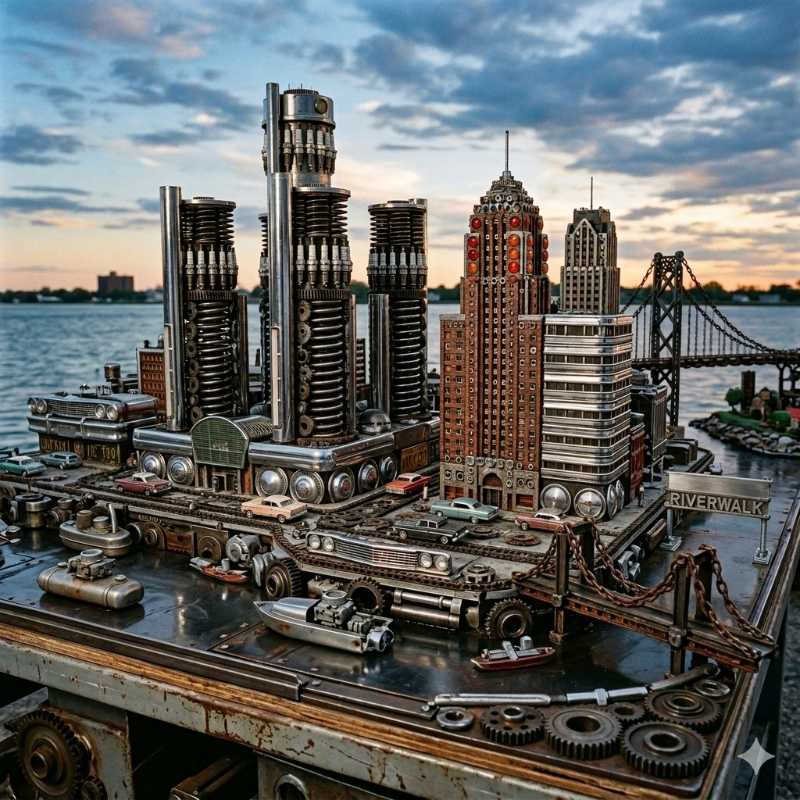
5. Detroit, MI
The Motor City, Detroit, Michigan, has origins going back 11,000 years to a wide range of peoples, including the Mound Builders. Detroit is a French name meaning strait, as the river (which gave the city its name) connects Lake St Clair with Lake Erie.
A fort was constructed by Royal French settlers from Quebec under the leadership of Antoine de la Mothe Cadillac, and the settlement grew, based on the fur trade. From the French the area passed through British hands until the War of 1812 brought it into the Union.
The automotive industry, based on the moving assembly line pioneered by Henry Ford, became the centre of modern factory techniques, declining in the 1950s with the onset of decentralisation. The city remained in a financial and social decline for decades until 2014, when new management stabilised things, demolished crumbling buildings and cleared the way for community groups to thrive. By the mid 2020s, it had become a city once again on the rise.
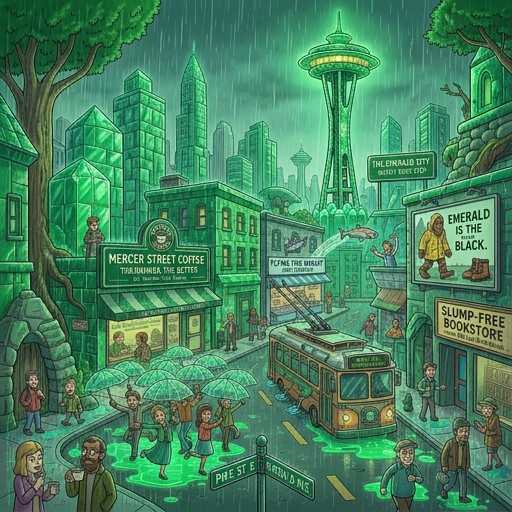
6. Seattle, WA
Seattle, Washington, once called "Queen City" is now known as the Emerald City through a naming contest held in 1981. The nickname is based on the area's parks, evergreen trees and greenbelts.
The city's fortunes relied initially on the lumber industry, due to the presence of a ready supply of timber for its mills. It then became a transportation and supply hub for the Klondike Gold Rush. 1907 marked the origins of what is now UPS.
Shipbuilding was the next big thing as the city boomed during WWI, but industrial action and violence following mass retrenchments resulted in most maritime traffic avoiding the city. Subsequently there have been periods of boom and bust, largely echoing the fortunes of huge employers such as Boeing. More recently tech companies have helped raise the city's fortunes.
The Space Needle is possibly the city's most recognisable landmark, built for the 1962 World's Fair, while Grunge Music is its most distinctive sound. I should also mention Starbucks, possibly the USA's most popular coffee franchise.
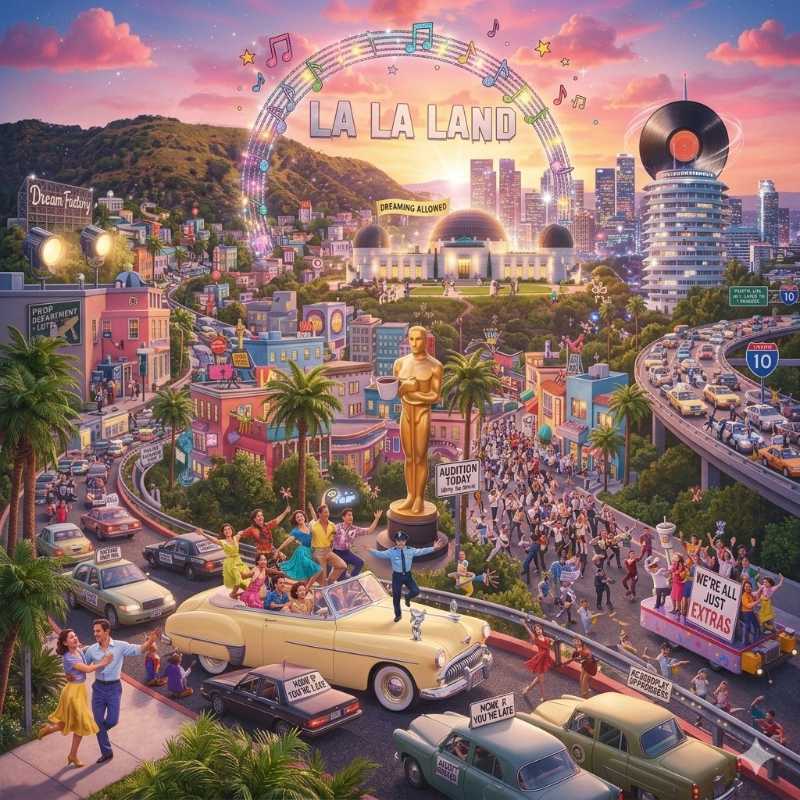
7. Los Angeles, CA
LA or La-La-Land or Tinseltown as it is sometimes called, is the second most populous city in the USA. It sprawls across nearly 500 square miles of wide flat valleys and part of the Santa Monica Mountains. The city was established by the Spanish, becoming known in English (with variations) as the Town of Our Lady the Queen of the Angels, later shortened to acknowledge only the angels.
The most important hub of the movie and television industry in the USA, LA is also one of the busiest container ports in North America, and boasts the third largest GDP in the world.
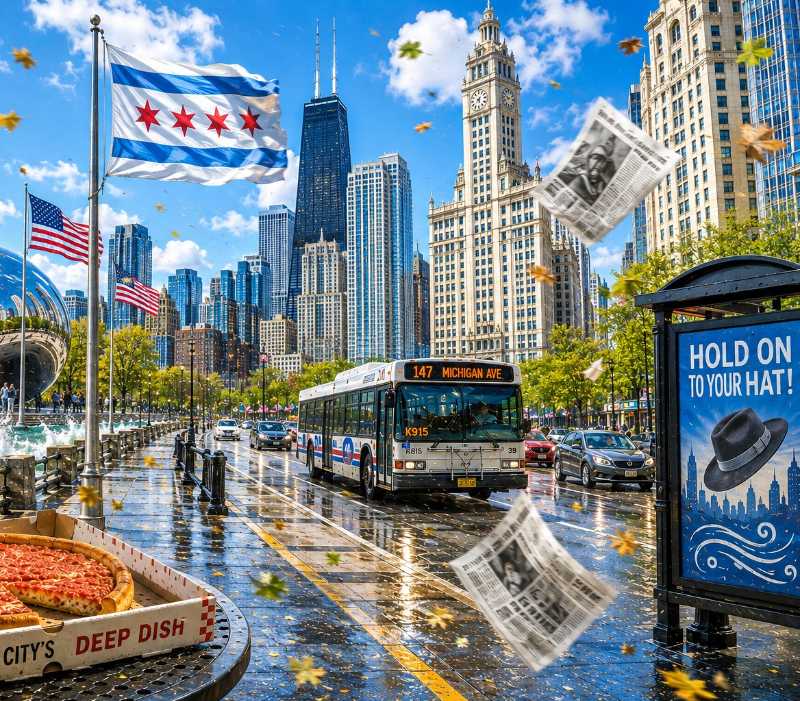
8. Chicago, IL
Chicago, Illinois, the Windy City, earned the nickname as much for politicians' hot air as for the icy winds coming from Lake Michigan.
According to my Encyclopedia, the term came about during a particularly boastful and successful campaign to host the World's Columbian Exposition in 1893, to celebrate Columbus's voyage of discovery. Chicago's politicians waxed ever more loud and lyrical about the city's attributes, putting their rival New York City's newspapers noses very much out of joint.
Some amazing technical feats were performed on a huge scale in the building of modern Chicago. These included raising much of the city to above flooding level, and, in 1900, reversing the direction of flow of the Chicago River so that it no longer emptied into Lake Michigan, but rather flowed out of it. This solved the problem of sewerage contamination (at least in Chicago - nothing is said of problems that were now downstream of the city).
9. Las Vegas, NV
Las Vegas has several unflattering soubriquets, including Sin City and the punny Lost Wages. The county seat of Clark County, it is a major resort city, fabled internationally for its gambling and nightlife. The revenue from gambling enables the more popular casinos to offer world class gourmet dining at pub prices, making it a magnet for those with a taste for luxury living. Unfortunately, there are many that fall victim to the lure of gambling.
Established in 1905, by 2000 Las Vegas had become the most populated of all North American cities established within the 20th century.
10. Denver, CO
Denver, the Mile-High City (so called because the 13th step on the west of the Colorado State Capitol building is exactly 1 mile above sea level) is the capital of Colorado. It lies about 12 miles east of the Rocky Mountain foothills.
The city was settled and built on what was recognised as Cheyenne and Arapaho territory, but the discovery of gold nearby caused the reduction of Indian treaty lands in the area.
As for things to do in Denver, there are plenty. It is a hub for outdoor enthusiasts, and many local residents enjoy weekends and holidays hiking and camping in the mountains during the warmer months; skiing in winter. I have put an open air concert at the spectacular Red Rocks Park & Amphitheatre on my bucket list. Denver has embraced New Mexican food which is hot and spicy, the Denver sandwich and such delicacies as rainbow trout.
This quiz was reviewed by FunTrivia editor agony before going online.
Any errors found in FunTrivia content are routinely corrected through our feedback system.