FREE! Click here to Join FunTrivia. Thousands of games, quizzes, and lots more!
Zootoponyms Trivia Quiz
Zootoponyms are places that have been named for animals. Can you match these physical locations to the animal photos that reference their name origins?
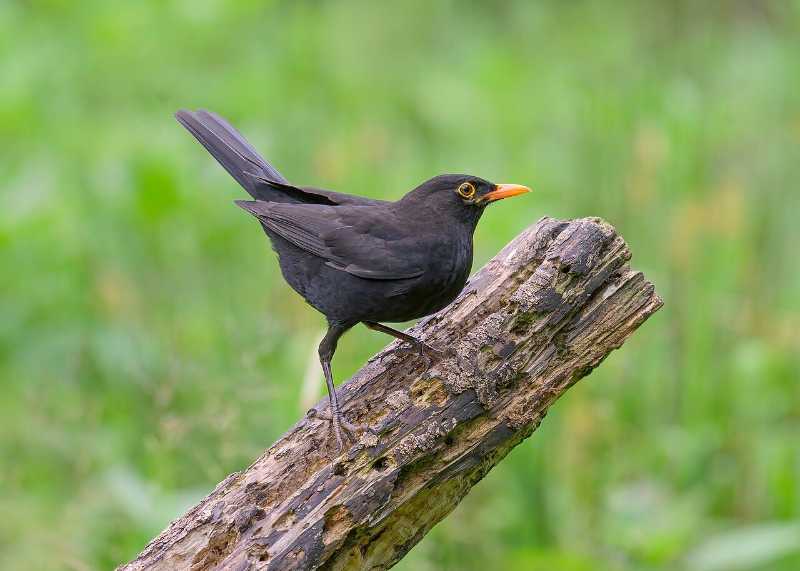
The name Kosovo comes from the Serbian word kos, meaning "blackbird." The country's name is derived from Kosovo Polje, the "Field of the Blackbirds," a broad plain that became famous as the site of the Battle of Kosovo in 1389. The blackbird has remained closely associated with the region ever since.
Kosovo is a landlocked country in the central Balkans, bordered by Serbia, Montenegro, Albania, and North Macedonia. Its capital, Pristina, is the largest city, while much of the landscape consists of mountains, valleys, and fertile plains. The region occupies an important position in Balkan history and has long been a crossroads of cultures, empires, and trade routes.
2. Alcatraz Island (USA)
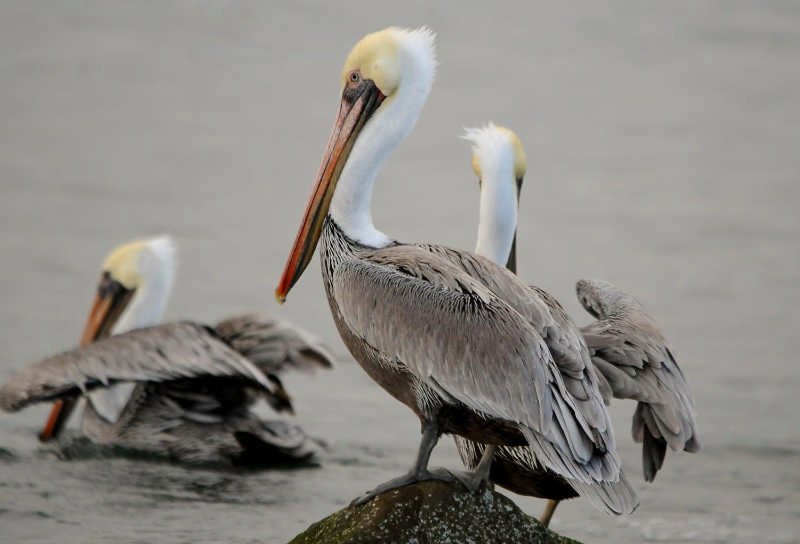
The name Alcatraz comes from the Spanish alcatraces, a word early explorers used for large seabirds, probably pelicans. When Spanish naval officer Juan Manuel de Ayala charted San Francisco Bay in 1775, he applied the name to one of its rocky islands, creating an enduring association with the bird.
Alcatraz Island lies in San Francisco Bay, California, about 2 km (1 1/4 mi) offshore. Although best known for its former federal penitentiary, the island has also served as a military fort and lighthouse site. Since 1972, it has been part of the Golden Gate National Recreation Area and has become a major tourist attraction.
3. Faroe Islands
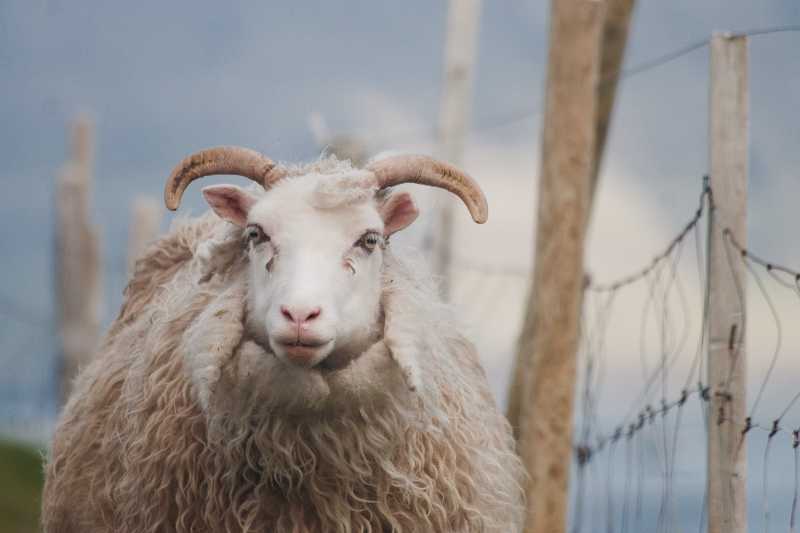
The Faroe Islands take their name from Old Norse Færeyjar, meaning "Sheep Islands." Sheep have grazed the windswept archipelago since Norse settlement, and they still greatly outnumber the human population. The hardy Faroese sheep breed remains closely associated with the islands.
Located in the North Atlantic between Scotland, Iceland, and Norway, the Faroe Islands are a self-governing territory within the Kingdom of Denmark. Their dramatic landscape includes steep sea cliffs, volcanic mountains, and deep fjords. The islands have long depended on the sea, and fishing has played a central role in Faroese life for centuries.
4. Cameroon
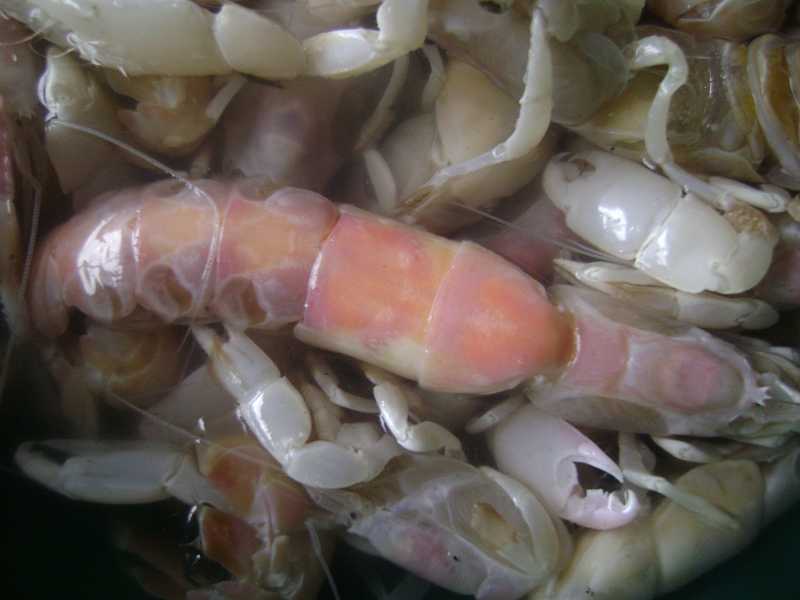
The name Cameroon originates from the Portuguese Rio dos Camarões, or "River of Shrimps." When Portuguese sailors explored the Wouri estuary in the fifteenth century, they were struck by the abundance of shrimp and gave the river its descriptive name. Variations of that name eventually became Cameroon.
Cameroon occupies a strategic position where West and Central Africa meet. Often described as "Africa in miniature," it contains rainforests, savannas, mountains, and Atlantic coastline within a single country. Its capital is Yaoundé, while Douala serves as the country's largest city and principal port.
5. York (England)
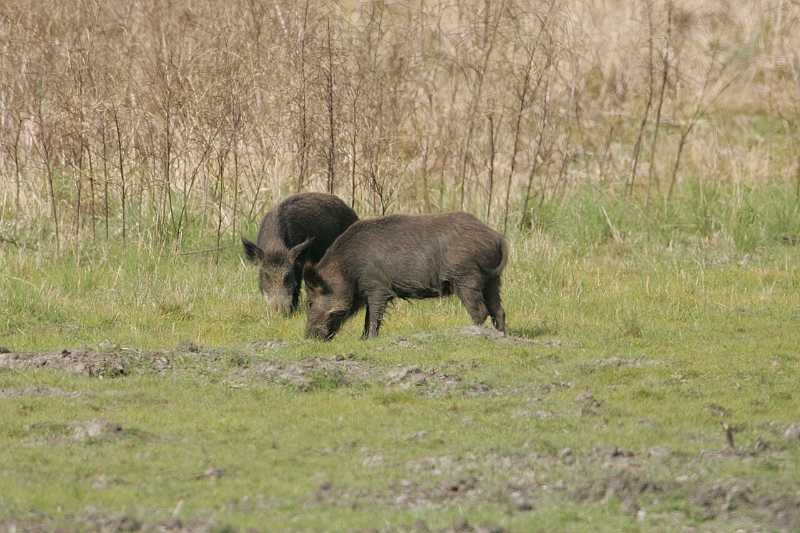
The modern name York traces its roots to the Roman Eboracum, which in turn probably derived from a Brittonic word referring to a place of yew trees. However, the Viking settlers transformed the name into Jórvík, a Norse term sometimes interpreted as containing elements related to wild boar imagery, which appears in some historical associations and local symbolism.
York stands on the River Ouse in northern England and is one of Britain's most historic cities. It served successively as a Roman legionary fortress, an Anglo-Saxon centre, and a major Viking settlement. York Minster, among the largest Gothic cathedrals in northern Europe, dominates its skyline.
6. Tortuga (Haiti)
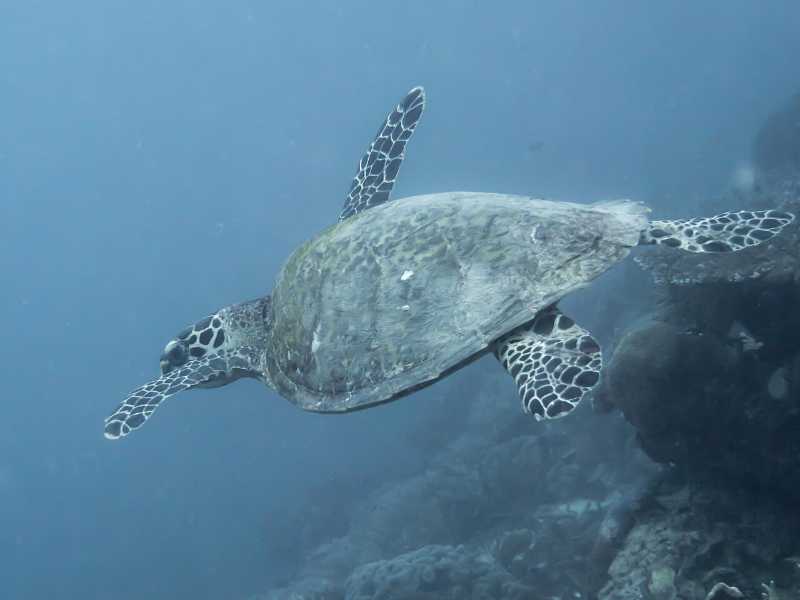
Tortuga is the Spanish word for "turtle." Early sailors evidently thought the island's shape resembled the shell of a sea turtle when viewed from the water. The name has remained unchanged through centuries of Caribbean history.
The island lies off Haiti's north coast in the Caribbean Sea. During the seventeenth century it became famous as a base for buccaneers and privateers operating against Spanish shipping. Though small and relatively isolated today, Tortuga occupies a prominent place in pirate lore.
7. Bamako (Mali)
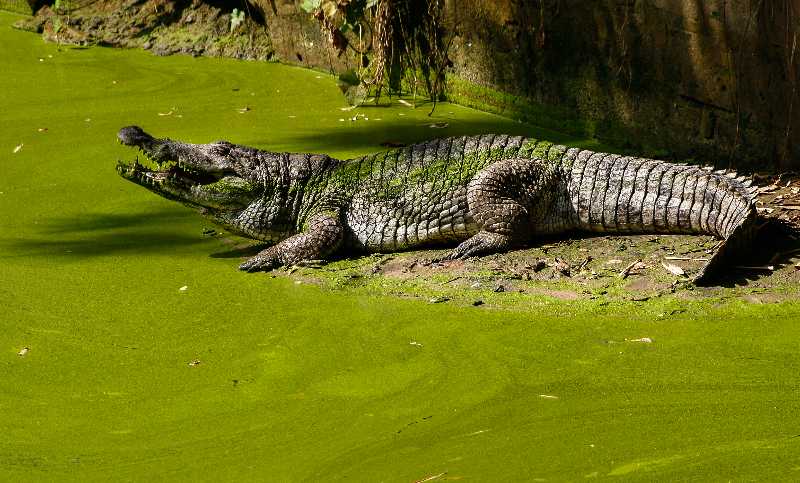
The name Bamako is generally understood to derive from Bambara words meaning "crocodile river" or "crocodile backwater." Crocodiles once featured prominently in local folklore and in the ecology of the Niger River, around which the city developed.
Bamako is the capital and largest city of Mali, situated on the Niger River in the country's southwest. It serves as the nation's administrative, commercial, and cultural hub. Although Mali is largely associated with the Sahara, Bamako lies in the greener Sahel transition zone.
8. Singapore
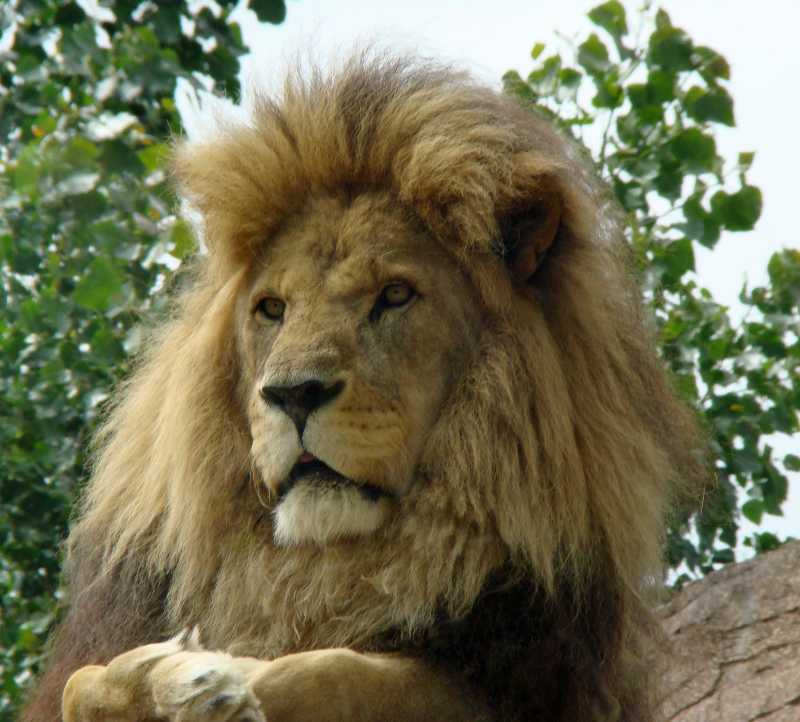
Singapore derives from the Sanskrit Simhapura, meaning "Lion City." According to local tradition, a Sumatran prince saw what he believed to be a lion upon landing on the island and considered it a favourable omen. While lions were never native to Singapore, the story became central to the city's identity.
Situated at the southern tip of the Malay Peninsula, Singapore is both a city and a sovereign island nation. Its position along major maritime trade routes helped it develop into an important centre for commerce and shipping. Despite its small size, it has played an outsized role in trade and shipping within Southeast Asia.
9. Coney Island (USA)
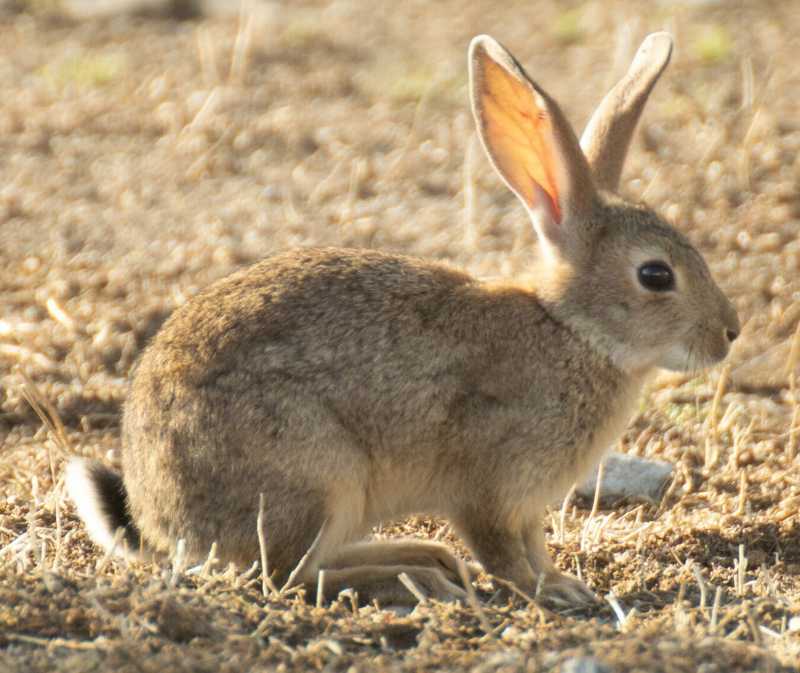
Coney is an old English word for "rabbit." Dutch settlers originally referred to the area as Konijn Eiland, meaning "Rabbit Island," because of the abundance of wild rabbits. The English form of the name eventually became standard.
Coney Island occupies a peninsula on the southern edge of Brooklyn, New York City. It became famous during the late nineteenth and early twentieth centuries for its beaches, amusement parks, and boardwalk attractions. It remains one of New York's most recognizable recreational districts.
10. Kampala (Uganda)
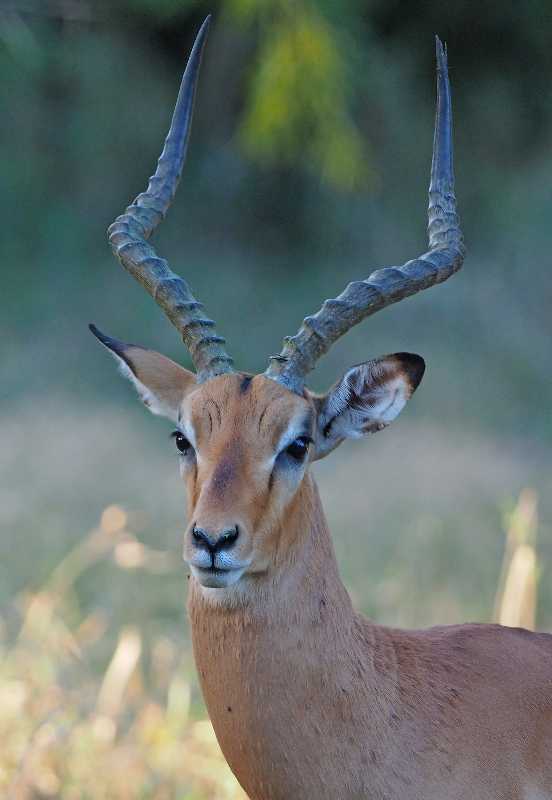
The name Kampala is linked to the phrase "the hills of the impala." Before urban development transformed the area, impalas grazed on the rolling hills that now form the heart of Uganda's capital city. The animal's former presence on these hills is preserved in the city's name.
Kampala stands near the northern shores of Lake Victoria and serves as Uganda's political and economic centre. Built across a series of hills, it developed from a small administrative settlement into Uganda's principal urban centre. Its location makes it a key gateway to East Africa's Great Lakes region.
11. Canary Islands (Spain)
Contrary to popular belief, the Canary Islands were not named after canary birds. Instead, the Roman name Canaria Insula means "Island of Dogs," from the Latin canis for dog. The birds were later named after the islands, not the other way around.
The archipelago lies in the Atlantic Ocean off the northwest coast of Africa and forms an autonomous community of Spain. Volcanic in origin, the islands include Tenerife, Gran Canaria, Lanzarote, and several others. Their landscapes range from rugged lava fields to subtropical forests.
12. Accra (Ghana)
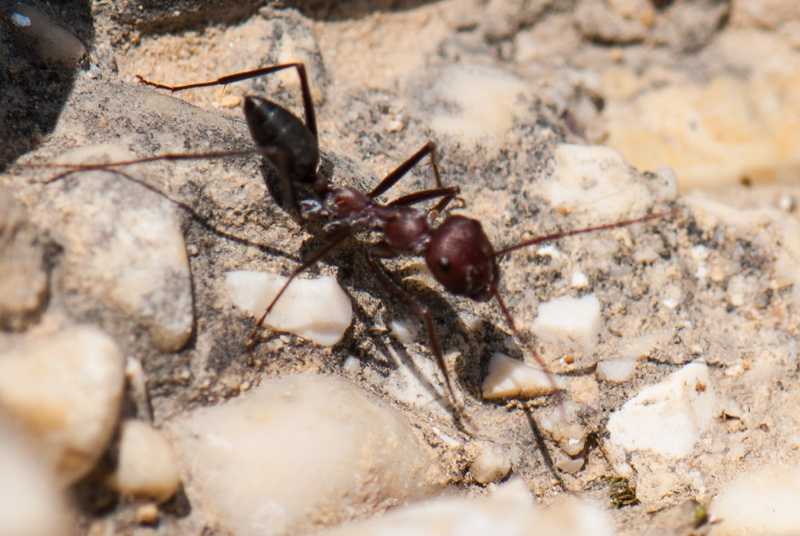
The name Accra is believed to derive from the Akan word nkran, meaning "ants." Early references likely alluded to the numerous anthills that dotted the surrounding landscape. Through European transcription and usage, nkran gradually evolved into Accra.
Accra is the capital and largest city of Ghana, located on the Gulf of Guinea. It developed from a collection of coastal settlements surrounding European trading forts and later became the administrative centre of the British Gold Coast colony. It serves as Ghana's principal political, economic, and cultural centre.
13. Derby (England)
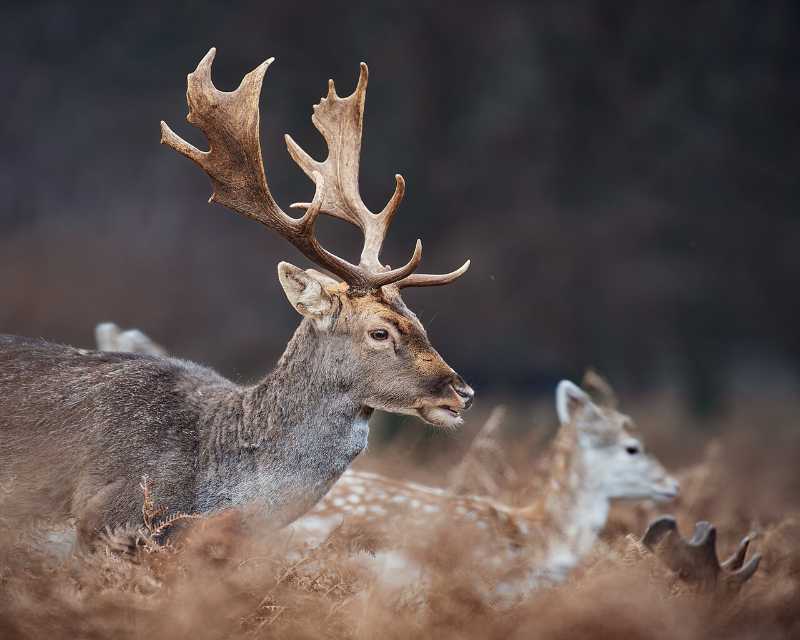
The name Derby comes from Old Norse Djúrabýr, usually translated as "deer village" or "settlement of the deer." The name reflects the strong Scandinavian influence that followed Viking settlement in eastern England during the early medieval period.
Derby lies on the River Derwent in England's East Midlands. Historically a market town and county centre, it later became one of the birthplaces of the Industrial Revolution through developments in engineering and manufacturing. Modern Derby remains closely associated with rail transport and aerospace industries.
14. Capri (Italy)
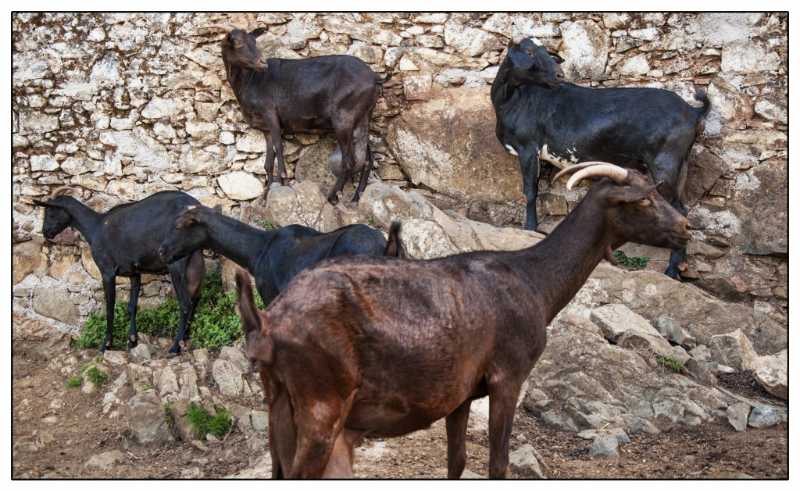
The island name Capri is often linked to the Latin capreae, meaning "goats." Ancient writers connected the rugged island with wild goats that inhabited its steep slopes and cliffs. Although the exact etymology remains debated, the goat explanation is the most widely accepted.
Capri is located in the Bay of Naples off Italy's southwestern coast. Renowned for its dramatic scenery, sea caves, and luxury tourism, it has attracted visitors since Roman times. The island was a favourite retreat of Emperor Tiberius, who maintained villas there during the first century AD.
15. Khartoum (Sudan)
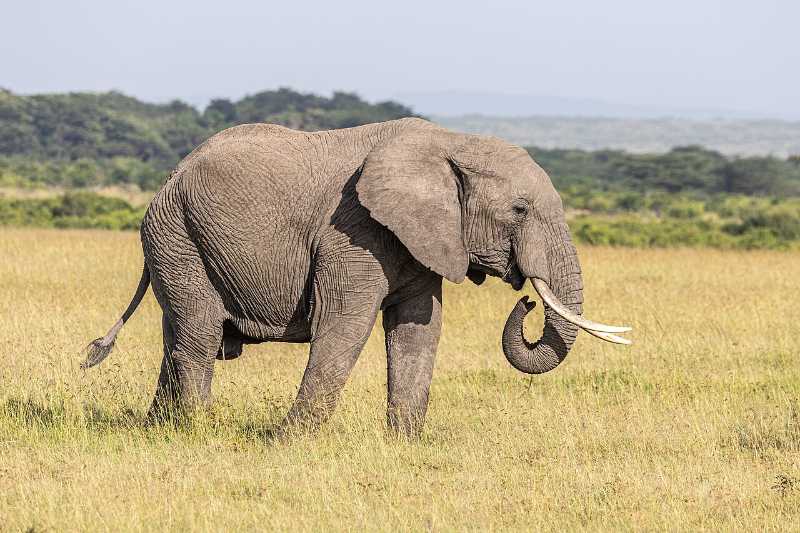
The name Khartoum derives from the Arabic khurṭūm, meaning "elephant's trunk." The term likely referred to the narrow tongue of land formed by the confluence of the Blue Nile and White Nile, whose shape was thought to resemble an elephant's trunk projecting into the rivers.
Khartoum occupies one of Africa's most distinctive urban settings at the meeting point of the two Niles. Founded in 1821 as an Egyptian military outpost, it later became the capital of Sudan. Its strategic location at the meeting of the two rivers has shaped its historical importance as a centre of administration, commerce, and transportation.
This quiz was reviewed by FunTrivia editor agony before going online.
Any errors found in FunTrivia content are routinely corrected through our feedback system.