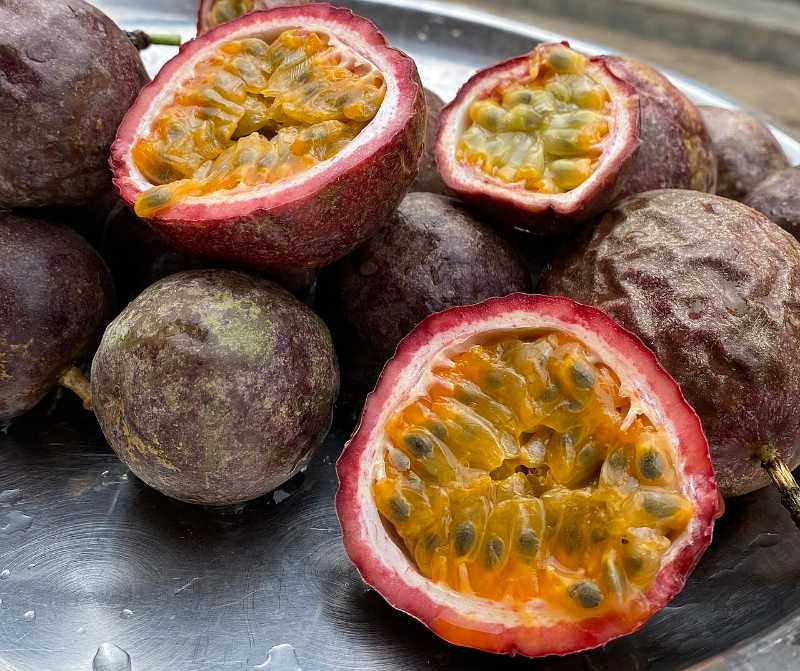
Also known as granadilla, this is the fruit from one of several different plants in the genus Passiflora (passionflower), named by missionaries in South America who used the flower's structure to illustrate what they considered significant aspects of the last days of Jesus, a time referred to as The Passion. This symbolism may be a bit of a stretch, but the name stuck.
As can be seen in the photo, the fruit has a tough skin, whose colour when ripe is often described as purple, but which may be dark green or yellow in some species, and whose exterior often appears black due to the way light reflects from its wrinkled surface. The seeds and pulp are readily scooped out for use - often directly as a colourful topping added for decorative impact. In some parts of the world it is usual to go to the extra effort of removing the seeds to produce a clear pulp. This is, of course, important when it is being processed for juice rather than being consumed as a fresh fruit.
2. watermelon
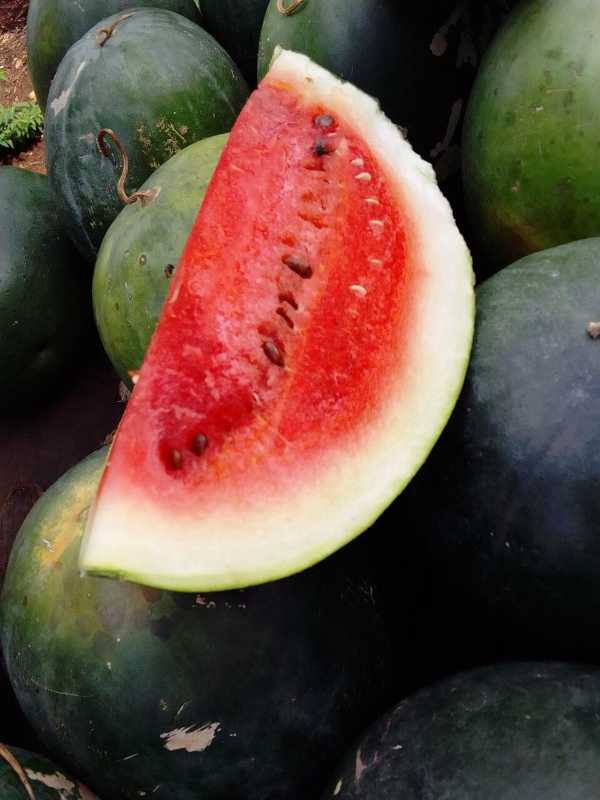
The fruit of Citrullus lanatus is familiar around the world, with its spongy red flesh and numerous black seeds that are perfect for seed-spitting contests between children. Seedless varieties have been developed, but those are definitely for grownups. While the seeds can be swallowed, they do not make an elegant presentation for a formal setting. My fruit salad will use cubes cut from the portion of the melon (technically a berry) with fewer seeds.
The green exterior of the rind is not edible, but the white portion is. Some are happy to eat it along with the red flesh while consuming a slice of melon, but it does not have as much flavour as the interior, so is often left to be discarded. You might prefer, if preparing the melon for use, to cut off the rind, then turn the white portion into watermelon pickle: cut into cubes, soak overnight in salted water before boiling in a mixture of sugar, vinegar and your choice of spices until translucent, cool and store in sterilised jars.
3. nashi
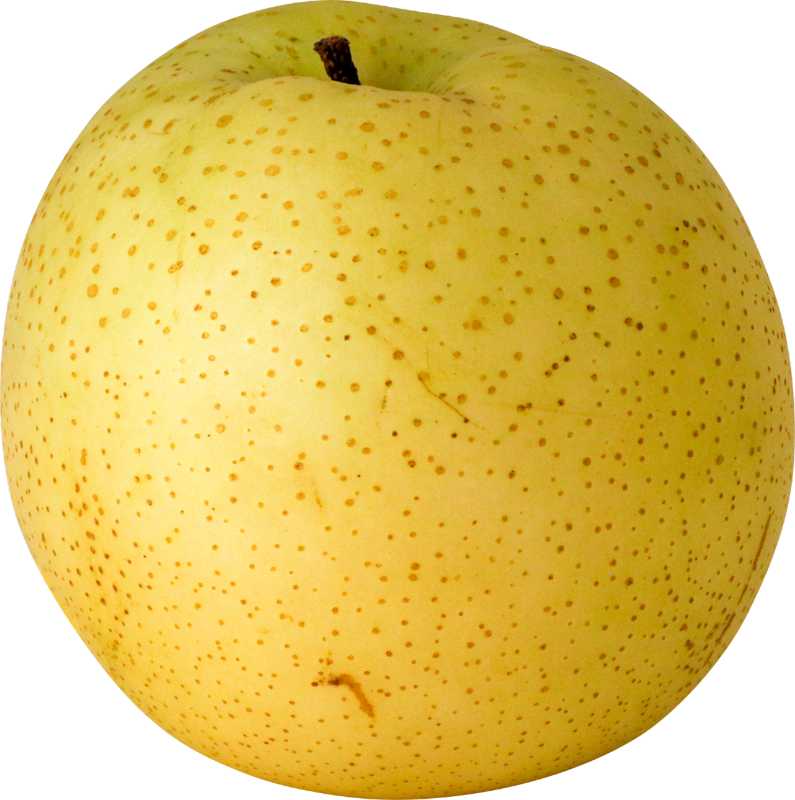
This is a fruit of many names. Pyrus pyrifolia originated in China, so its fruit is often called Asian pear, Persian pear, Japanese pear, Chinese pear, Korean pear, Taiwanese pear - all references to an oriental origin. The name apple pear refers to the shape, which is more like that of an apple than that of a traditional pear. They can be called sand pears, a reference to the gritty texture of the fruit. Nashi is a transliteration of their Japanese name, and in Australia they are often called nashi pears, a name used to induce people to buy the unfamiliar fruit when it first appeared by letting them know it was like something with which they were already familiar.
Unlike European pears, nashi do not bake well in pies, due to their high water content. When eaten slightly unripe, they have a crisp crunch when raw; when fully ripe, they are quite grainy and prone to dripping all over your shirt when you bite into them (spoken from experience). In a fruit salad, they make a similar contribution to the flavour and texture profile as would any other pear.
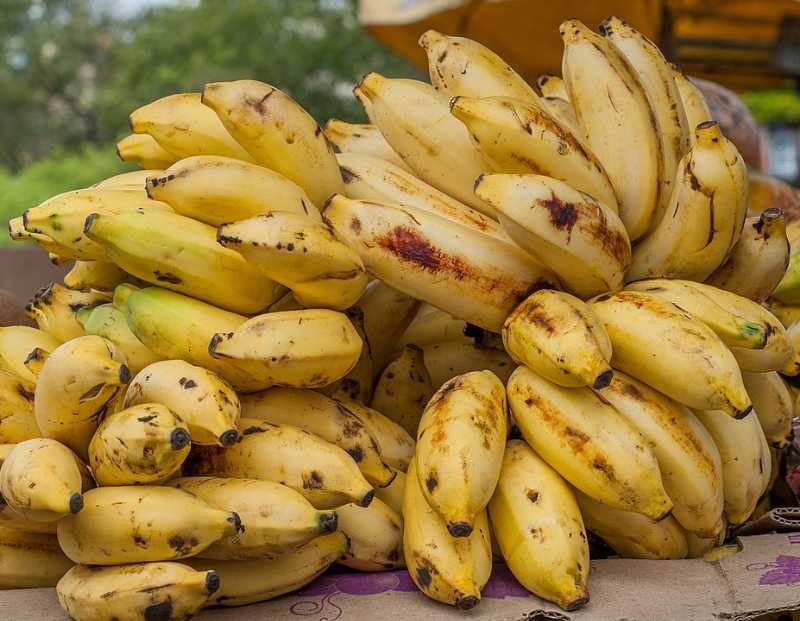
4. banana
Here is another fruit which is technically a berry, since each one comes from a single flower with one ovary. There are numerous cultivars, some with special names in particular places, such as the plantain, which is usually eaten cooked rather than raw. for my salad, I have purchased ripe sweet bananas - probably the common Cavendish cultivar, which is what you usually get if they are just called bananas.
Bananas are picked when green, then allowed to ripen (either naturally or by using ethylene gas) when at the point of distribution. As they ripen they become sweeter, and the skin first turns yellow, then develops brown spots. Once ripe, they only last a few days before starting to deteriorate. The white flesh browns on exposure to air, so bananas are best sliced and added to the fruit salad just before serving. If they need to be sliced in advance, browning can be reduced by application of an acid such as lemon juice - but that extra acidity needs to be considered when combining ingredients for the salad!
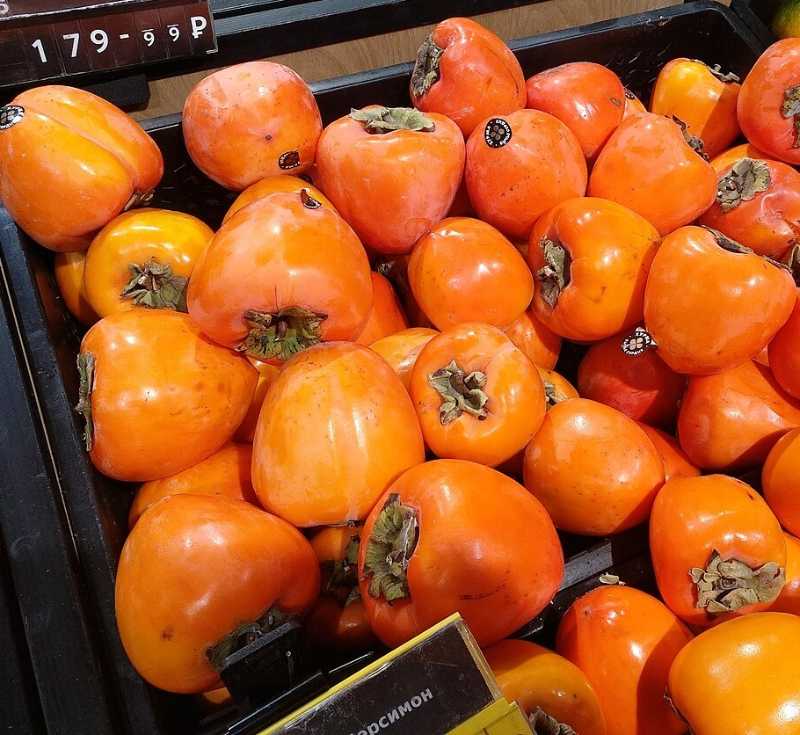
5. persimmon
Persimmons are the fruits of any of several members of the genus Diospyros, a genus which also includes the species which produce the dark, hard wood known as ebony. The ripe fruit of a persimmon plant is orange, ranging from a light colour that is almost yellow to a deep shade that is close to red. They range in size from 1.5 cm to 9 cm, and their shape can be elongated (as in the photo), spherical, or oblate (squashed). Their high tannin content means they are quite bitter until ripe, at which time the developed sugars provide a more balanced flavour.
The persimmon can be eaten whole, although many prefer to remove the flesh from the skin, which is a bit more bitter than the interior. For my fruit salad, I will remove the stem and cut them into either halves or quarters (maybe even eighths), depending on their size. They provide nice colour, but a little goes a long way!
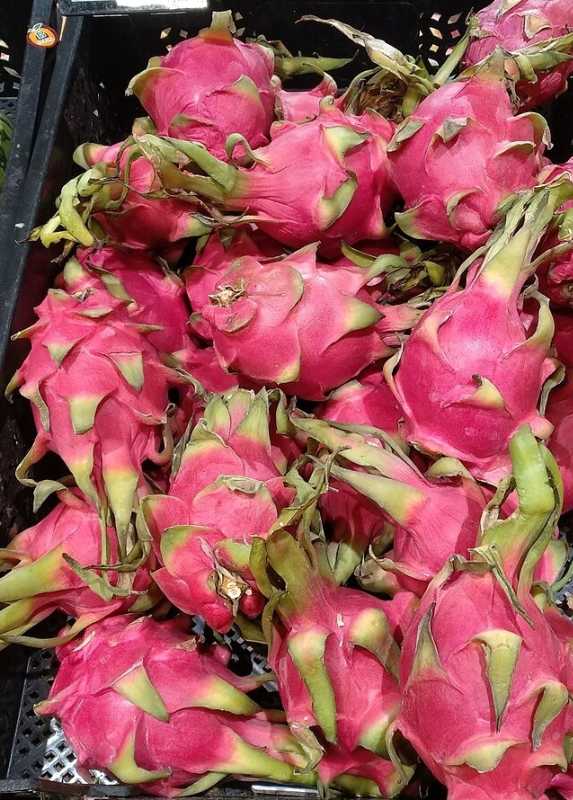
6. dragon fruit
The pitaya is a cactus fruit that originated in Mexico, and is now grown around the world. In Asia it is more commonly known as the dragon fruit, a name suggested to refer to the leathery skin and scaly projections on the fruit. When sliced open, the interior of the most common species (Selenicereus undatus) has white flesh studded with numerous tiny black seeds. Selenicereus costaricensis, however, has a striking purple-red flesh.
The seeds, which have a crunchy texture if you manage to bite into one, are totally edible. The flesh itself is creamy, and has a sweet taste that is subtly reminiscent of coconut. It does not have a pronounced flavour, especially if it is not fully ripe, and is included in my salad for colour more than taste.
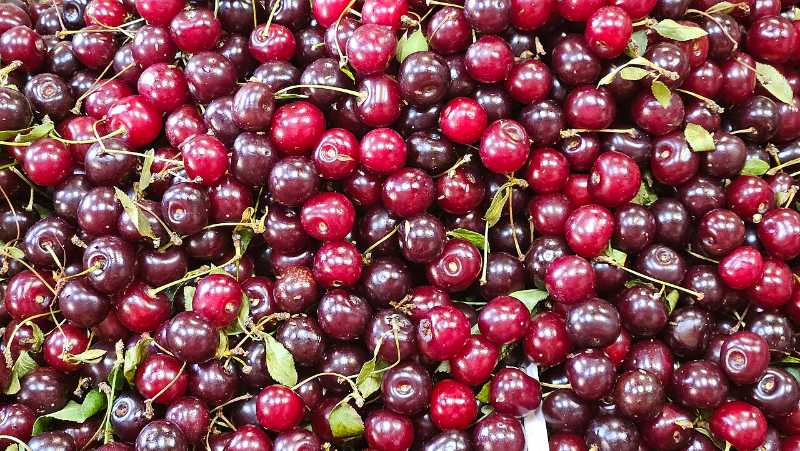
7. cherries
Many plants of the genus Prunus produce a fleshy drupe fruit which is called a cherry. The subgenus Cerasus includes the species which are often called true cherries, and which are most commonly eaten. Fruit from cultivars of Prunus cerasus (sour cherry, such as the Morello, famed for its use in Black Forest cake and kirsch) is usually cooked, while Prunus avium (sweet cherry) produces fruits which are commonly eaten raw. All parts of the plant, including the berry we eat, are mildly toxic, containing cyanogenic glycosides (chemicals which break down to produce cyanide), but you would need to eat a truckload of them to notice any ill effect.
The appearance of the new season's cherries is one of the first signs of summer fruits on their way. Because they have a relatively large and inedible stone, they are rather fiddly to prepare for refined consumption. If you don't want the guests eating your fruit salad (or just a fruit platter) to be spitting out the seeds and searching for a discrete way to dispose of them, you will need to remove them, one by one. If you do this often, it may be worth investing in a special tool designed to make this easier - insert cherry, press plunger, watch seed pop out, remove pitted fruit. (They are also useful if you want to pit your olives, but that is another dish.)
8. pineapple
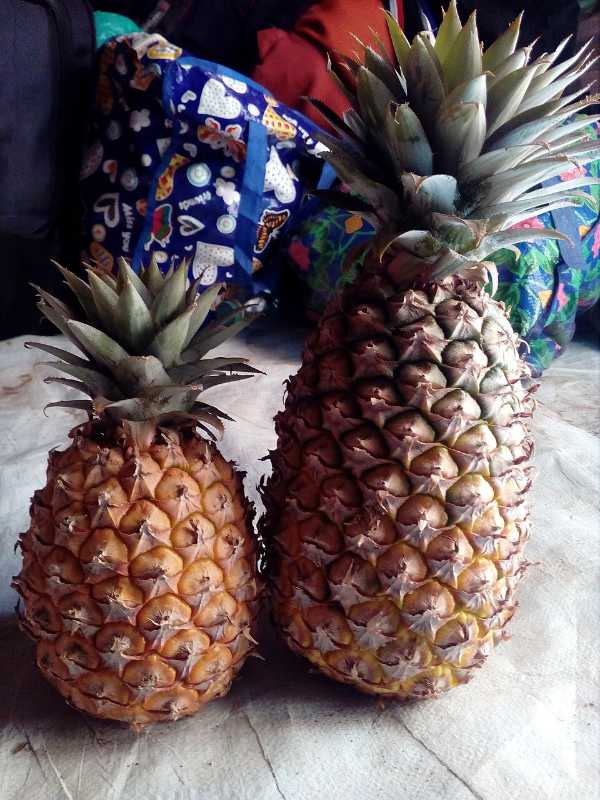
Ananas comosus is the most commercially significant member of the tropical family known as bromeliads. It has been cultivated in South America for centuries, and made quite an impression when specimens were brought to Europe in the 17th century, becoming a symbol of luxury due to their scarcity and cost. Its name refers to the fact that its exterior resembles that of a pinecone.
The introduction of pineapples to Hawaii led to the establishment there of commercial plantations in the late 19th century which became the worldwide centre of production for much of the 20th century. While this is no longer true, the association of the fruit and the islands remains a popular perception - and the reason why a pizza with pineapple (an abomination in my view, but very popular!) is called a Hawaiian pizza.
The yellow flesh of a pineapple has a central core which, although edible, is much tougher than the rest, and which is usually removed - hence the common use of pineapple rings, when the remaining fruit is sliced laterally. My salad, however, will include chunks - rings may look nice, but they are too large for easy eating; if I were producing a fruit platter, the rings would look lovely.
9. loquats
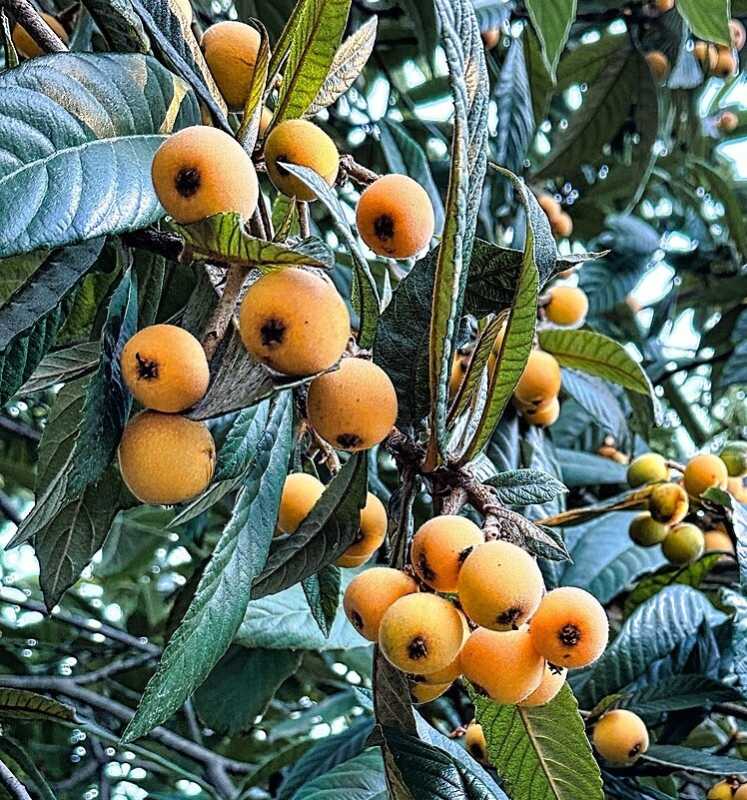
The loquat, also known as the Japanese or Chinese plum, is produced by Eriobotrya japonica, a member of the rose family (which can be said of a number of other popular stone fruits). As can be seen in the picture, the yellow fruits are round (sometimes oval or pear-shaped) and grow in clusters. Each one is about the size of a small plum, and contains between three and five large seeds. This makes them somewhat fiddly to prepare, as the seeds must be removed before they are sliced. The skin, being a bit tough, is sometimes removed, but can be left on to provide a bit of texture. If you are eating them whole, you can just tuck in.
As well as being a popular ingredient in a fruit salad, loquats are also commonly served on their own, poached in syrup. They also make a delicious jam, with a flavour reminiscent of peach or apricot, to which they are relatively closely related.
10. mandarin
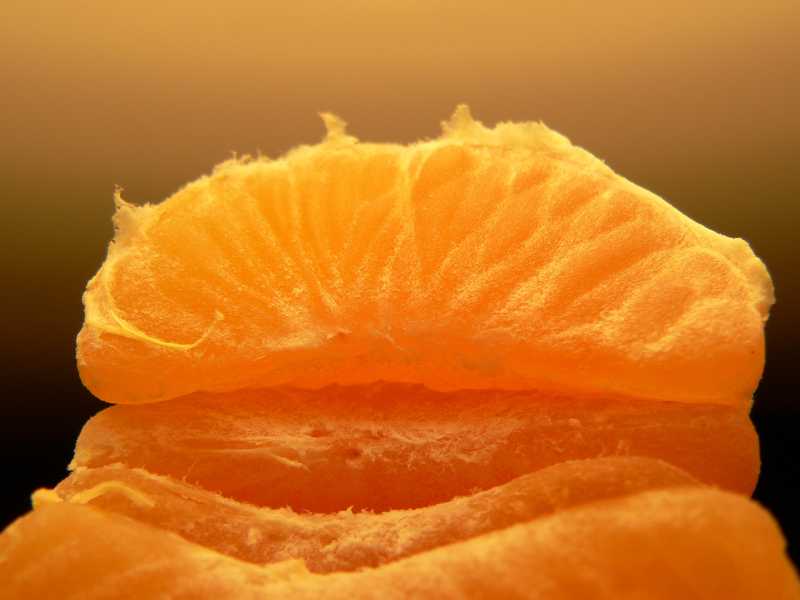
Citrus reticulata is formally called a mandarin orange tree, but that is a bit long, and is often shortened to simply mandarin. As the name suggests, it is a citrus fruit, one whose popularity is based on the fact that must cultivars are easy to peel, and readily segmented for eating. This makes them much less messy to eat than is the case for many of their relatives! Seeds are contained inside the segments - some varieties are seedless, some may have multiple seeds in each segment. If you are using a seeded variety, the seeds can be removed by inserting the tip of a small knife near the centre of the thin edge and making a small slit, through which the seeds will generally emerge readily when the segment is gently squeezed.
The ancestral mandarin is thought to have been quite sour, but modern varieties are quite sweet - sweeter than the fruit usually just called an orange. Both the satsuma and the tangerine are considered by some to be types of mandarin, and by others to be a separate type of citrus. Cross-breeding of citrus species over the years has really muddied the taxonomy!
11. grapes
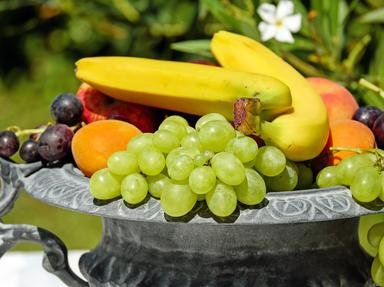
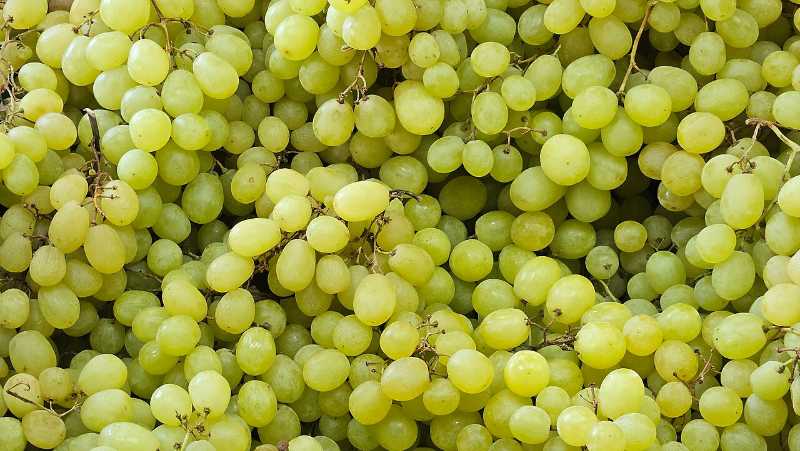
Specifically, the photo showed Thompson Seedless grapes, a "white" table grape which is also called a sultana grape. There are many types of grape, cultivated over the millennia for different purposes which include making wine, drying, jam production and just plain eating. They can be served in a bunch, as they grow, or separated into smaller clusters, or removed from the stem and presented as individual berries. The last is appropriate for my fruit salad.
Wine grapes tend to be smaller, with thicker skins than table grapes, which are also often seedless. When a grape has been dried, it will go under another name - exactly what depends on where you are. Generally, any dried grape can be called a raisin, but in some places a dried white grape is called a sultana (referencing the sultana grape). When the Zante Black Corinth grape is dried, it is called a currant - which is different from the unrelated berries called redcurrant and blackcurrant whose name is derived from their resemblance to the original currant. Confused yet?
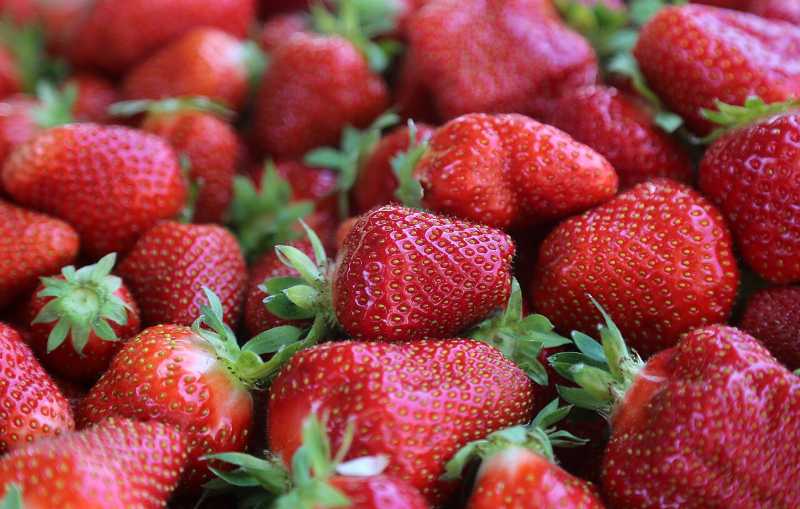
12. strawberries
Guess what - here's another member of the rose family! There are a number of members of the genus Fragaria, whose juicy, bright red fruit has a characteristic aroma and sweetness of taste. The ones in the picture are the garden strawberry, Fragaria × ananassa, first developed in the 18th century to have a larger fruit than its ancestors. There are those who prefer the sweetness of the wild strawberry, but you will need to locate a cultivar from a nursery and grow them yourself, as their fruit is not commercially produced, being smaller and more fragile than the garden strawberry.
I should point out that, botanically, it was incorrect to refer to the bright red fruit, as the flesh by we eat is not technically the fruit - that is the tiny specks in its exterior, called achenes, which contain the actual seeds. What we eat is called the receptacle of the plant. But in the kitchen, we tend to call the whole thing the fruit. Slack, I know, but what can you do?
Strawberries just need to have their stem removed before serving in a fruit salad - but if they are too large, it might be desirable to slice them into smaller pieces. If you are experiencing a glut of strawberries, they are always popular as jam. While they can be frozen, the defrosted fruit will probably be mushy - great to use in a smoothy or to flavour your yoghurt, but not for a fruit salad.
This quiz was reviewed by FunTrivia editor Bruyere before going online.
Any errors found in FunTrivia content are routinely corrected through our feedback system.