FREE! Click here to Join FunTrivia. Thousands of games, quizzes, and lots more!
Quiz about Put That Noodle To Use

Put That Noodle To Use! Trivia Quiz

Noodle Dishes Around the World

It's usually my nose that's leads me to various noodle restaurants, but you wouldn't be wrong if you used your noodle. Match these 12 noodle dishes from around the world. (Click the images for a closer look!)

by trident. Estimated time: 3 mins.
  1. Home
  2. »
  3. Quizzes
  4. »
  5. Hobbies Trivia
  6. »
  7. Food & Drink
  8. »
  9. International Cuisine

Author
trident
Time
3 mins
Type
Quiz #
417,598
Updated
May 14 26
# Qns
12
Difficulty
Average
Avg Score
9 / 12
Plays
329
Awards
Top 10% Quiz
Last 3 plays: PDAZ (10/12), Guest 99 (5/12), Guest 84 (12/12).
Drag-Drop or Click from Right
Options
chicken noodle soup laksa thukpa fideua chow mein pad thai cacio e pepe goulash kasespatzle japchae pho udon


 View Image Attributions for This Quiz

Most Recent Scores
May 30 2026 : PDAZ: 10/12
May 30 2026 : Guest 99: 5/12
May 24 2026 : Guest 84: 12/12
May 21 2026 : Guest 2: 12/12
May 11 2026 : rooby2s: 10/12
May 05 2026 : Guest 100: 12/12
May 05 2026 : JanIQ: 12/12
Apr 28 2026 : Guest 161: 4/12
Apr 28 2026 : Guest 128: 10/12

Quiz Answer Key and Fun Facts
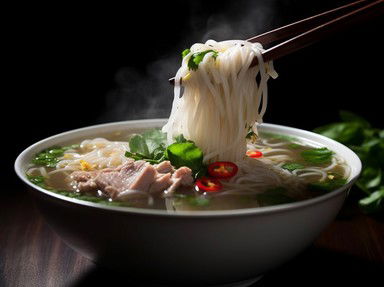
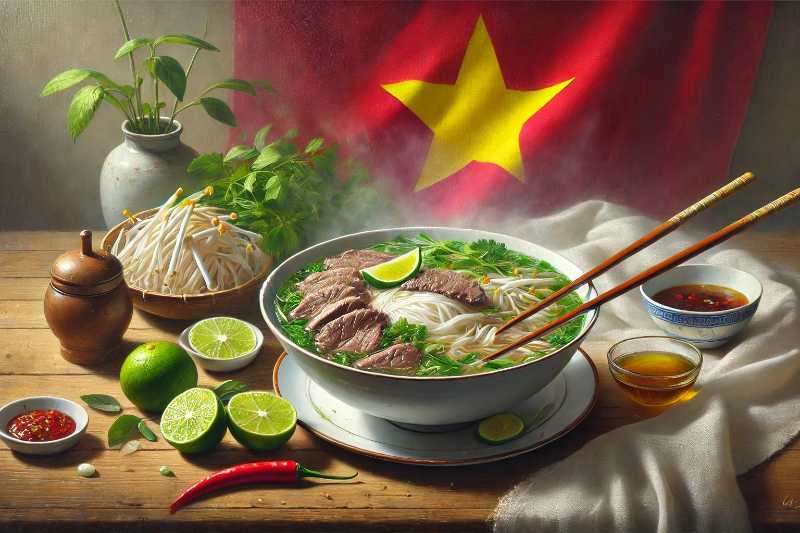
1. pho

Pho, a Vietnamese noodle soup closely associated with Hanoi and northern Vietnam, took shape in the early 20th century. Its clear broth is usually made with beef or chicken and simmered for hours with spices such as star anise, cinnamon, cloves, and cardamom. Flat rice noodles form the base of the bowl, followed by thin slices of beef or chicken. Fresh herbs, bean sprouts, lime wedges, and chili peppers give the soup its brightness, crunch, and heat.
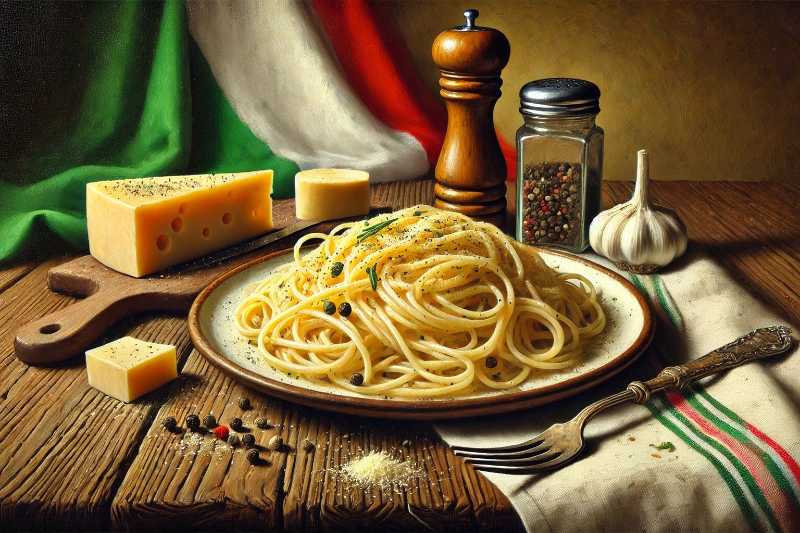
2. cacio e pepe

Cacio e pepe is a Roman pasta dish built from just a few strong ingredients. Its name means "cheese and pepper," and that's almost the extent of the ingredient list: pasta, freshly ground black pepper, and Pecorino Romano, a salty sheep's milk cheese. Tonnarelli and spaghetti are common choices when it comes to choosing which pasta to use.

When the hot pasta is tossed with the cheese and pepper, the mixture turns into a creamy sauce that coats the noodles without actually needing any further cream or butter.
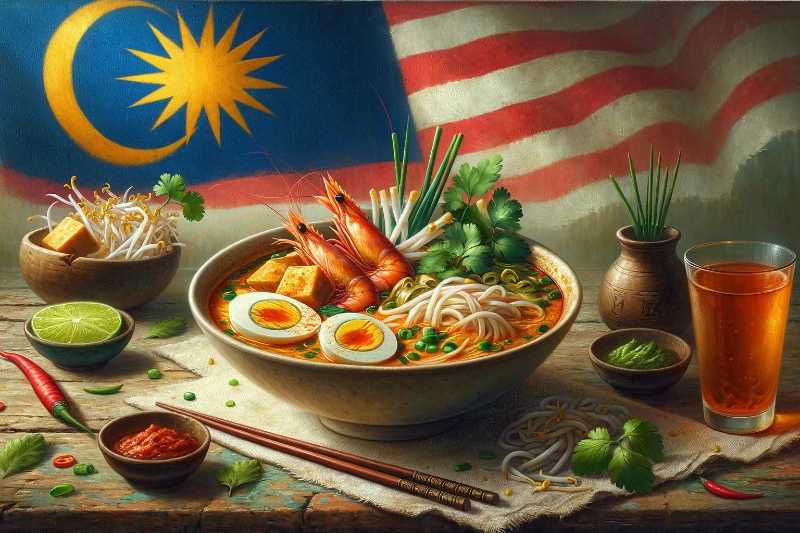
3. laksa

Across Malaysia, Singapore, and Indonesia, laksa appears in several bold, spicy forms. The dish reflects Chinese and Malay culinary traditions, especially through Peranakan culture. Curry laksa has a rich coconut milk broth with curry spices, while asam laksa uses a sour, tamarind-based fish broth. Rice noodles or egg noodles are usually combined with shrimp, chicken, fish, tofu puffs, bean sprouts, and hard-boiled eggs. Cilantro or Vietnamese mint are commonly used as garnish.
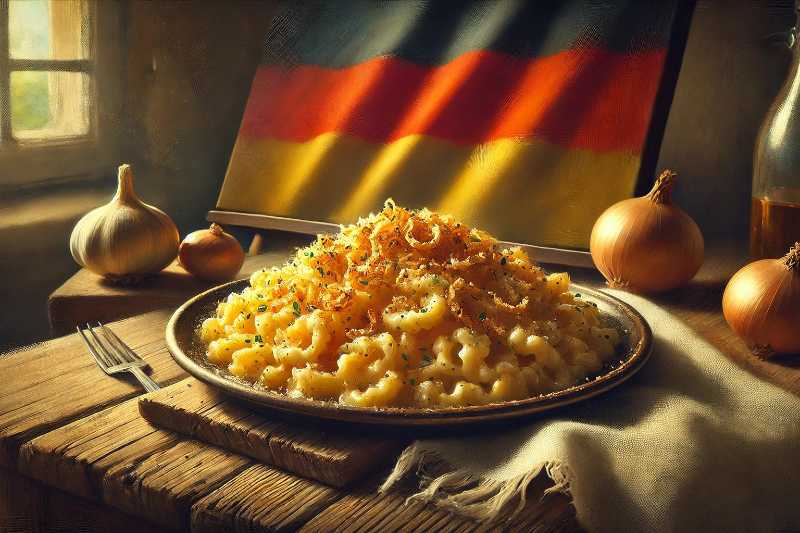
4. kasespatzle

Käsespätzle, often compared to macaroni and cheese, comes from Swabia in southern Germany and is also common in parts of Austria and Switzerland. The dish starts with Spätzle, soft egg noodles made from flour, eggs, water, and salt. The dough is pressed through a special tool to make small, irregular noodles.

After that, the noodles are layered with cheese, usually Emmental or Gruyere, and baked until the cheese turns melted and bubbly. Crispy fried onions and chives usually go on top.
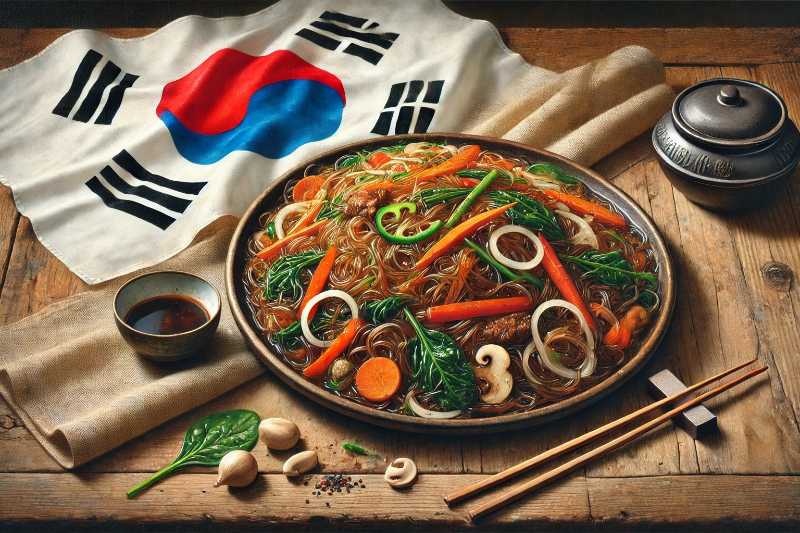
5. japchae

Originally served as a royal delicacy during Korea's Joseon dynasty, japchae later became a popular everyday celebration dish. Its name means "mixed vegetables," but the chewy sweet potato starch noodles, called "dangmyeon," are just as important. The noodles are usually stir-fried with carrots, spinach, bell peppers, mushrooms, and thinly sliced beef.

Other versions use chicken, fish cake, or tofu. Soy sauce, sesame oil, garlic, and a little sugar give japchae its salty-sweet flavor.
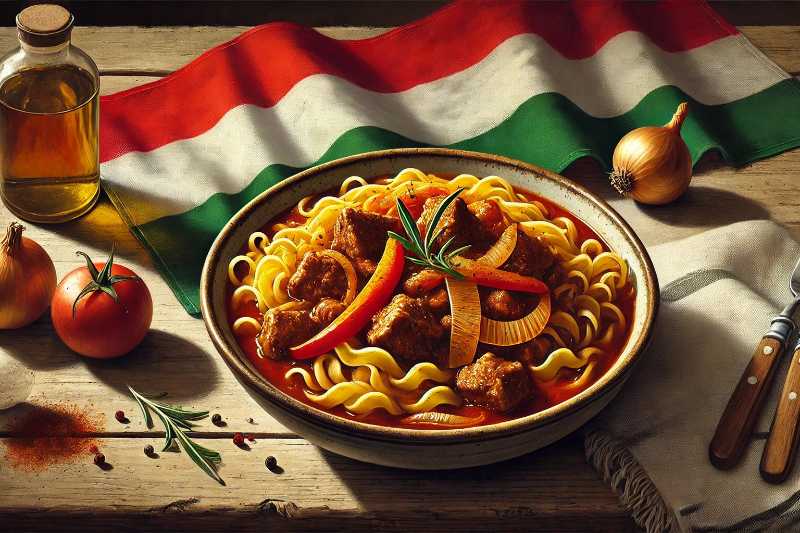
6. goulash

Goulash began as a practical Hungarian shepherds' dish and grew into one of Hungary's best-known national foods. The spice paprika gives it its deep red color and warm, earthy flavor. In noodle-based versions, egg noodles or small dumplings called "csipetke" are added to a thick broth or stew, consisting of tender beef or pork cooked with onions, tomatoes, bell peppers, potatoes, and sometimes carrots.

The result is filling and built for cold weather.
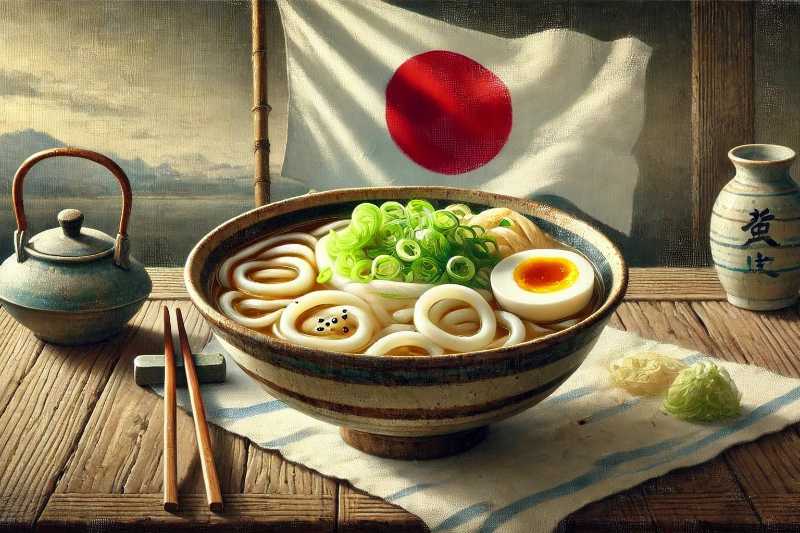
7. udon

Udon is a Japanese noodle dish known for thick, chewy wheat noodles made from flour, water, and salt. Its history reaches back more than a thousand years, and some accounts connect it to noodle-making techniques brought from China by a Japanese monk. The most familiar version is served hot in a clear broth made with dashi, soy sauce, and mirin. Sliced scallions, tempura, tofu, kamaboko, and vegetables are common toppings, so the dish can be simple or quite substantial.
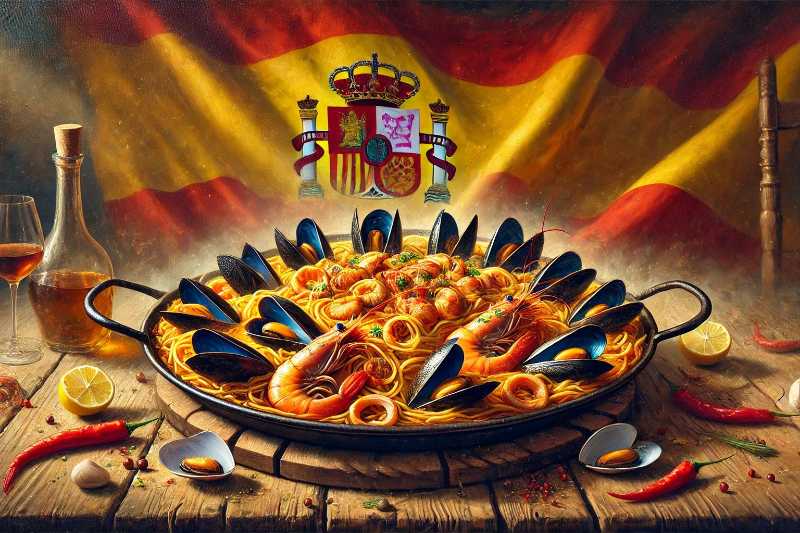
8. fideua

From the Valencian coast, especially the town of Gandia, fideuà developed as a seafood noodle cousin of paella. Fishermen are said to have created it in the early 20th century by replacing rice with short, thin noodles called fideos. The noodles cook in a fish-stock broth with tomatoes, onions, garlic, and saffron, along with seafood such as squid, shrimp, clams, and mussels. Like paella, it is made in a wide, shallow pan, which lets the noodles absorb the broth and crisp around the edges.
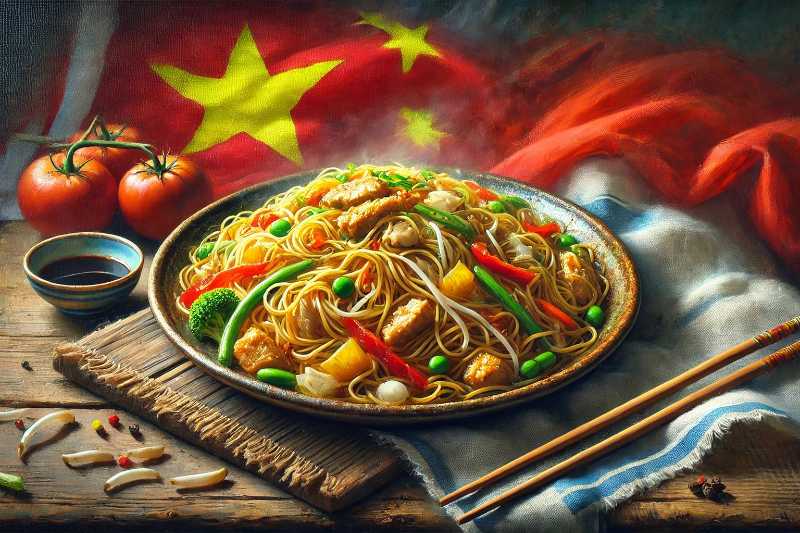
9. chow mein

Chow mein, whose name means "stir-fried noodles," comes from northern China and later spread widely through Chinese immigrant communities. By the 19th century, it had reached the West and eventually became a familiar Chinese restaurant staple around the world. Thin egg noodles serve as the base, and they may be cooked soft or fried until crisp, depending on the version. Chicken, beef, pork, or shrimp are added, along with vegetables such as bell peppers, cabbage, bean sprouts, and carrots.
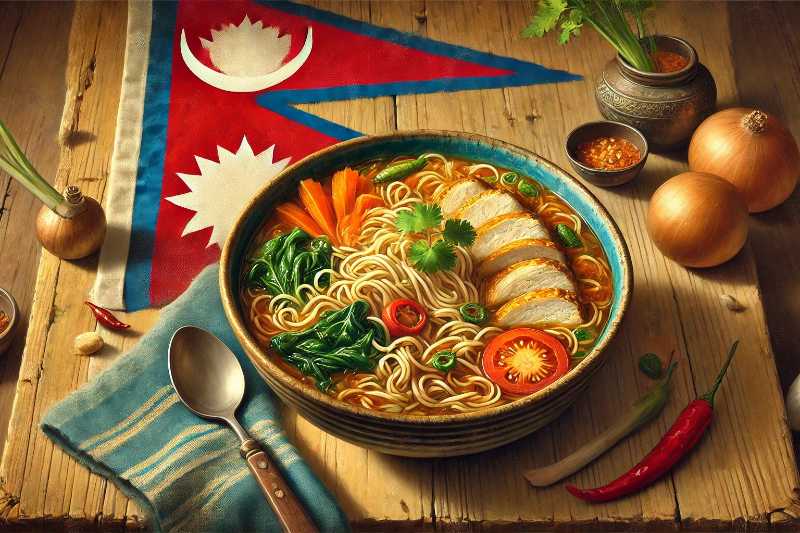
10. thukpa

In the Himalayan regions of Tibet, Nepal, and Bhutan, thukpa is a warming noodle soup suited to cold mountain climates. It is also popular in northeastern India, especially Sikkim and Arunachal Pradesh. Wheat or rice noodles sit in a savory broth made with chicken, beef, or vegetables. Garlic, ginger, tomatoes, and chili peppers add depth and heat. Spinach, cabbage, carrots, bell peppers, chicken, yak meat, or tofu can turn the soup into a full meal.
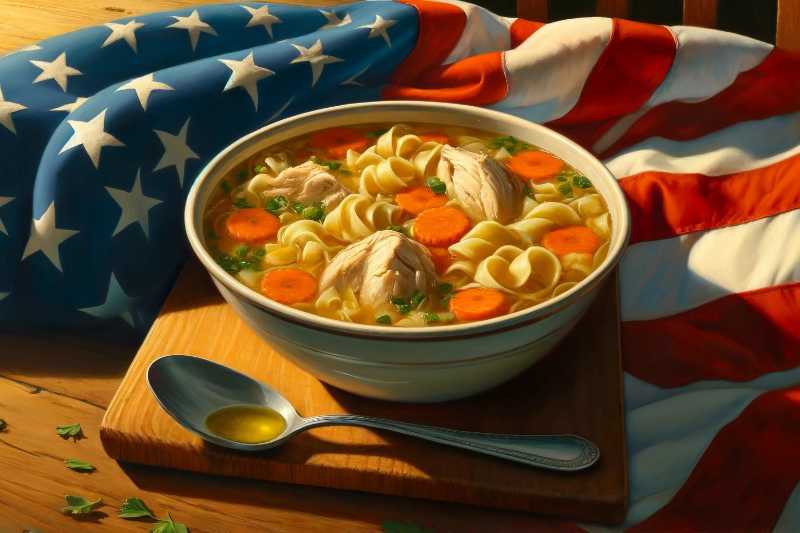
11. chicken noodle soup

Chicken noodle soup is hard to trace to one exact origin because versions of chicken soup appear in many European, American, and other culinary traditions. For centuries, people have associated it with comfort, warmth, and even home remedies for colds.

A typical version starts with clear broth made by simmering chicken bones and meat with onions, carrots, celery, and garlic. Egg noodles or pasta are added with pieces of cooked chicken. Parsley, thyme, bay leaves, salt, and pepper give the soup its familiar, soothing flavor.
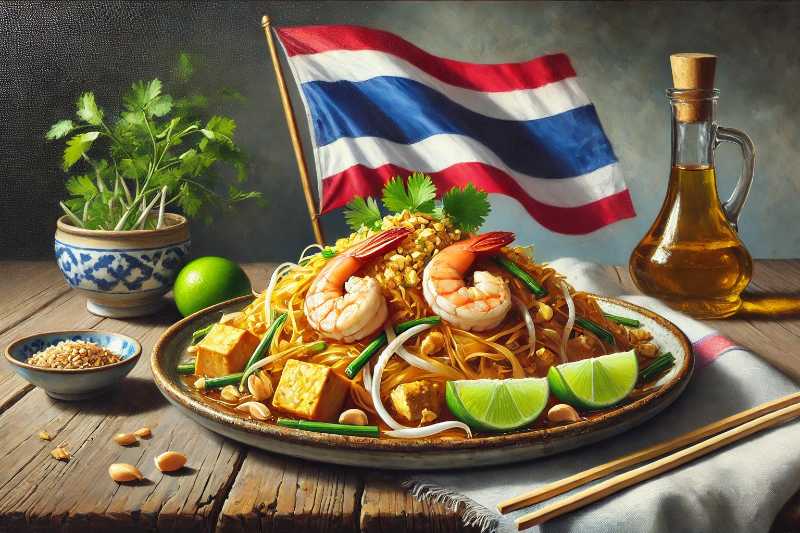
12. pad thai

Pad thai became closely tied to Thai national identity in the mid-20th century, when the government promoted it during a period of economic hardship and encouraged the use of rice noodles. The dish uses flat rice noodles stir-fried with shrimp, chicken, or tofu, plus scrambled eggs, bean sprouts, and scallions.

Its flavor depends on the balance of tamarind paste, fish sauce, sugar, and chili peppers. Crushed peanuts, fresh lime wedges, and cilantro usually finish the plate.
Source: Author trident

This quiz was reviewed by FunTrivia editor Bruyere before going online.
Any errors found in FunTrivia content are routinely corrected through our feedback system.
6/19/2026, Copyright 2026 FunTrivia, Inc. - Report an Error / Contact Us