FREE! Click here to Join FunTrivia. Thousands of games, quizzes, and lots more!
National Animals (2) Trivia Quiz
Another selection of animals which are national symbols for one or more countries. Match the photos to the correct country from the ones listed. Some may only hold unofficial status or may no longer be recognised as a national symbol.
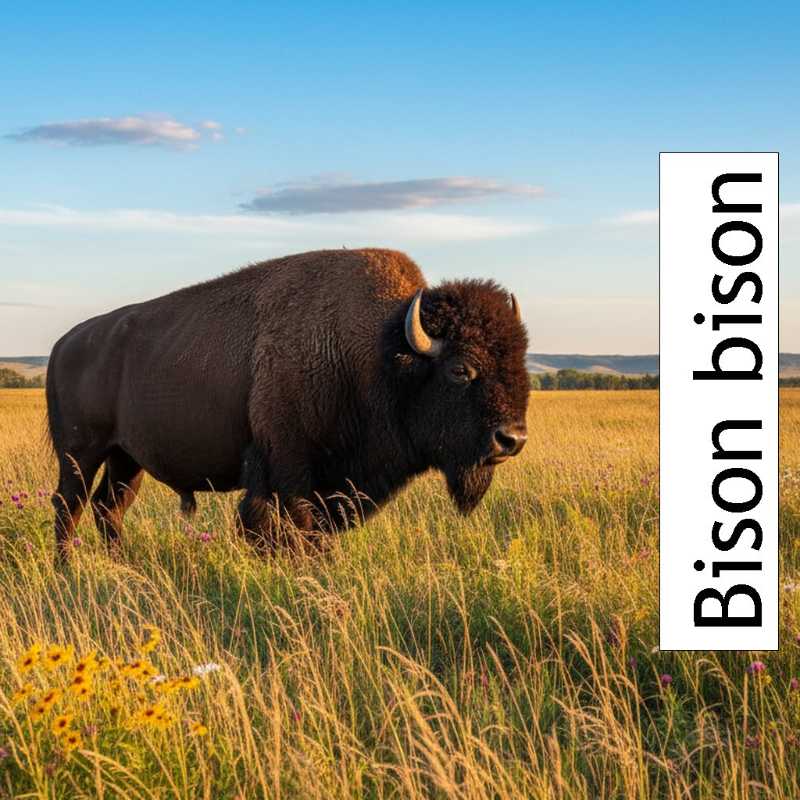
Often referred to as a buffalo, the two surviving species of bison are found in North America and Europe, and are only distantly related to true buffalo. They are cloven-hooved nomadic grazers that travel in herds of one sex. Both surviving species were nearly hunted to extinction.
The wisent (the European one) has been helped by the exclusion zone set up after the Chernobyl nuclear accident in 1980. The American bison gained national mammal status through the National Bison Legacy Act of 2016.
2. Botswana
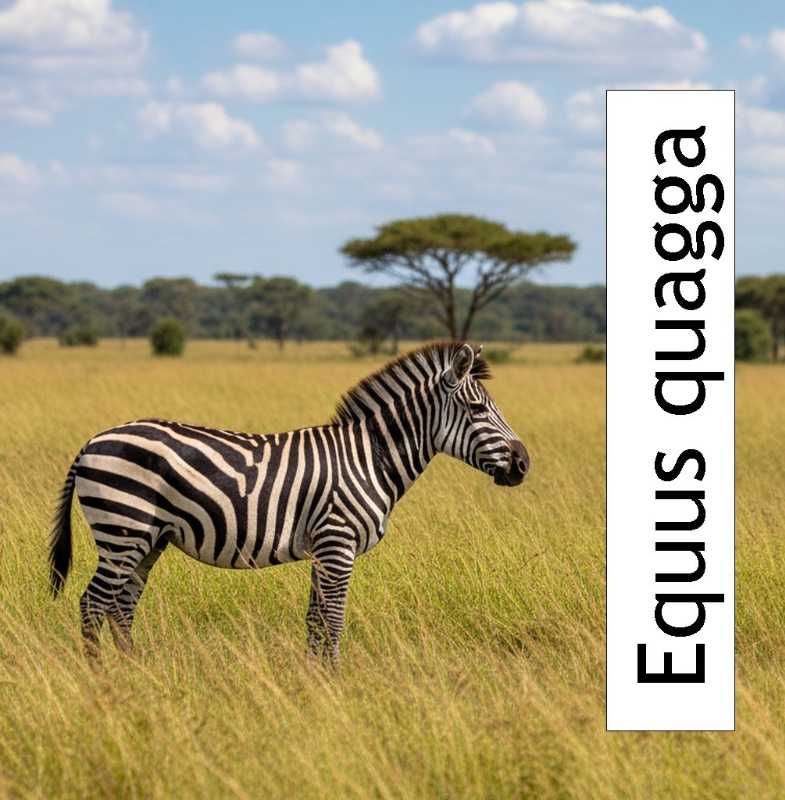
The most common species of zebra, the plains zebra is widely distributed in south and east of sub-Saharan Africa. There are a number of recognised subspecies including the now-extinct quagga, surviving only in the binomial name for the species. They travel around in herds, either as bachelor groups or as a stallion-led harem.
Other than man, lions and spotted hyenas are their main predators with the elderly, females and foals targeted by leopards, cheetahs, Nile crocodiles and African wild dogs.
3. Cambodia
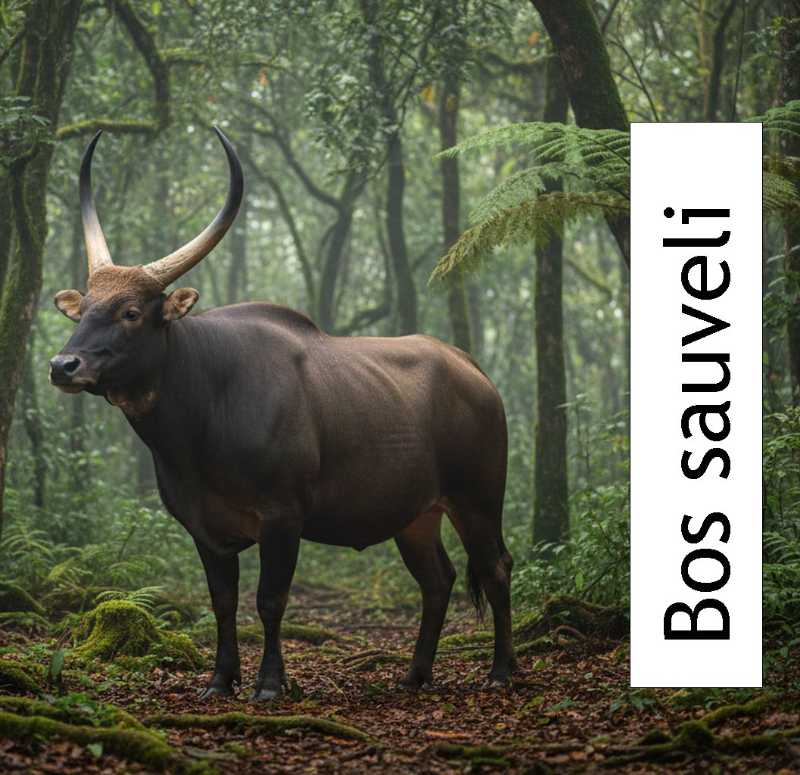
The kouprey (meaning 'forest ox' in the Khmer language), or the grey ox, may be extinct in the wild with the last confirmed sighting in 1969. It was first described in 1937 and has been the national animal of Cambodia since 1960 as well as being the nickname for the national football team. For wild cattle, they are of relatively light build with the males being darker coloured than the females.
The biggest difference in the sexes is in the shape and size of their horns.
4. United Arab Emirates
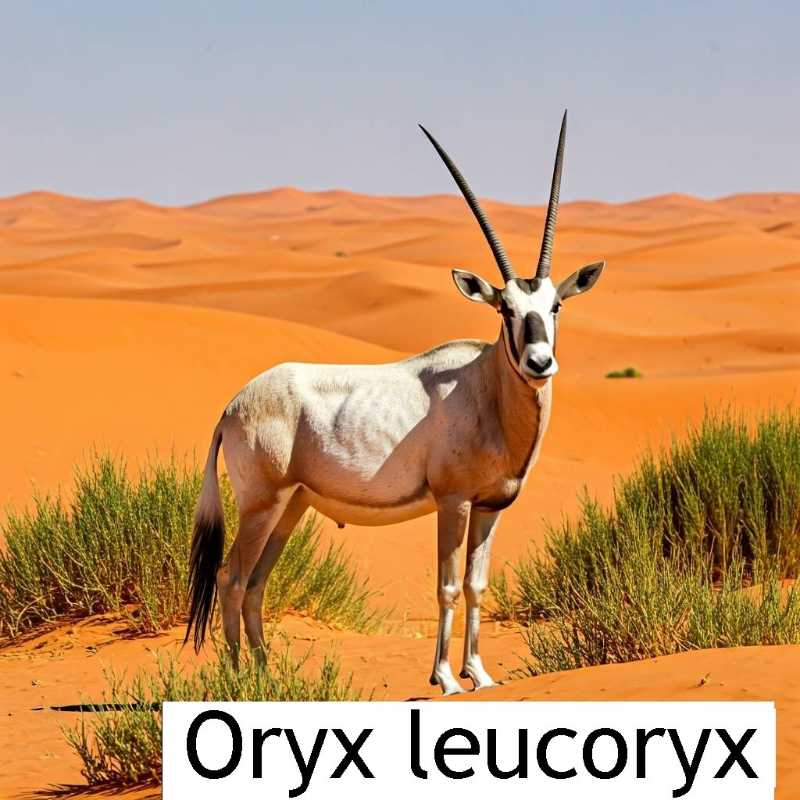
A straight-horned type of antelope, the Arabian or white oryx is native to desert and steppe areas of the Arabian peninsula. Historically its range probably took in most of the Middle East but it was hunted to extinction in the wild by 1972. The animal was re-introduced from zoo populations from 1980 which resulted in it becoming the first animal to move from 'extinct in the wild' status to 'vulnerable'. Estimated 2016 populations were 1,220 in the wild with around 6,500 in captivity.
It is the national animal of five countries in the region.
5. Thailand
This is the rounder-eared elephant endemic to Asia rather than the African version with its larger Africa-shaped ears. The Asian elephant is the largest land animal found in Asia. Only the male might have tusks while the females have rudimentary tusks known as tushes. Ancestors of the Asian elephant came from sub-Saharan Africa however they are more closely related to the extinct mammoth than to the surviving African species.
6. Azerbaijan
The Equus caballus (or, perhaps more correctly, Equus ferus caballus) is one of two subspecies of domesticated horse. It has evolved over the last 50 million years or so from a small North American multi-toed animal to today's large single-toed horse. Being prey animals, horses have a strong fight-or flight response.
This is supported by the unusual ability of horses to sleep standing up as well as lying down.
7. Estonia
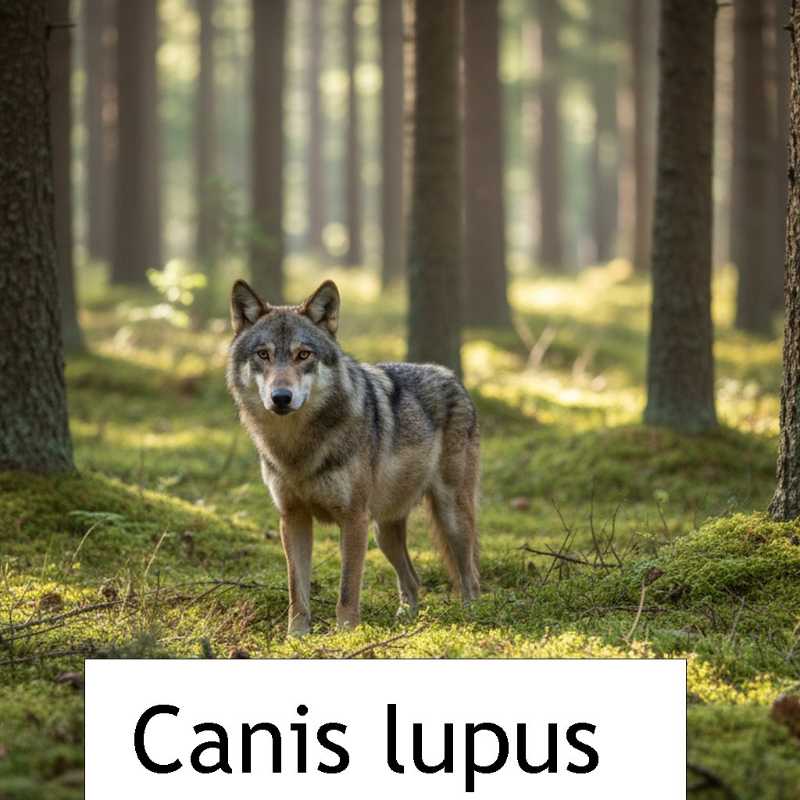
The wolf (Canis lupus) is native to both Eurasia and North America. Dogs are considered a subspecies of wolf along with another 30 or so animals. The wolf is the most developed of the Canis species in co-operative hunting, although the optimum pack size depends on the targeted prey - for example, four wolves for an elk, more for a bison. Single wolves or mated pairs tend to have higher success rates, focusing on smaller non-hoofed prey.
8. Pakistan
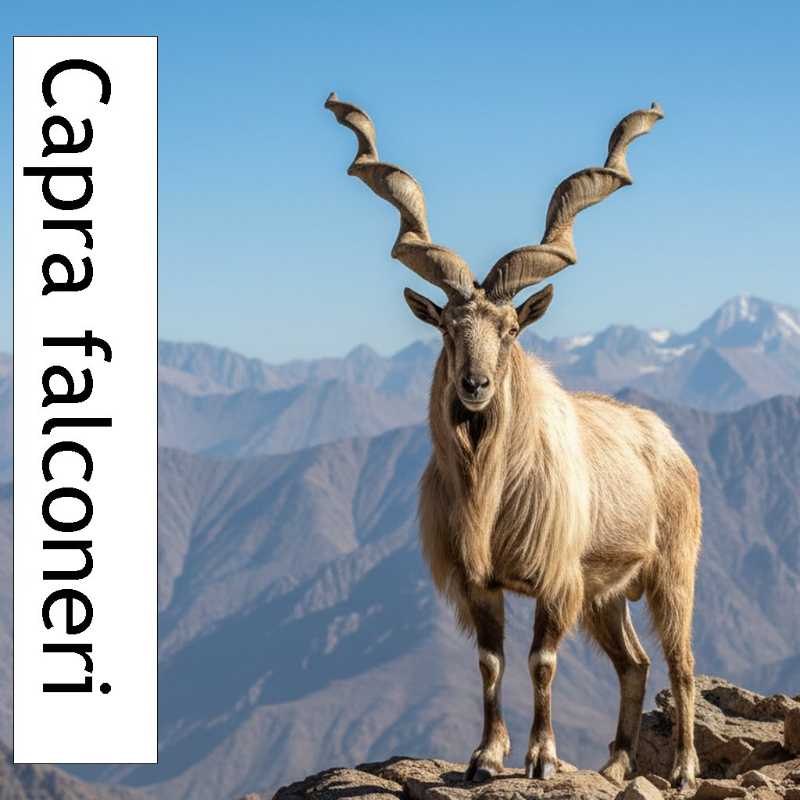
The Markhor is one of ten species of goat and is endemic to central and south Asia. It is notable for its curly horns. The name is derived from the Persian word for 'curly', itself a combination of Pashto and Persian words meaning 'snake eater'. Being herbivorous, eating snakes seems unlikely.
They have a highly developed sense of smell, eyesight and awareness of their surroundings. Not surprising in a prey animal.
9. Finland
The brown bear (Ursus arctos) is another of those animals that is native to Eurasia and North America. It lives in forests and is an omnivore, eating berries, grass, mushrooms, acorns, roots and bulbs as well as insects (such as ants), fish, birds and mammals.
In Finland, it will hunt large deer and elks, sometimes burying the carcass in order to store it. Most of its diet however is vegetarian. It tends to be nocturnal in Europe and will hibernate in dens for months during the winter.
10. Honduras
The white-tailed deer (Odocoileus virginianus) or Virginia deer is commonly found in North America. In fact it is the most widely distributed ungulate in the Americas, ranging from Canada to Chile. In recent years its range has expanded north with warming winters. This in turn has resulted in increased predator populations. The Yucatán white-tailed deer (Odocoileus virginianus yucatanensis), a smaller-sized subspecies, is the national animal of Honduras.
11. Lebanon
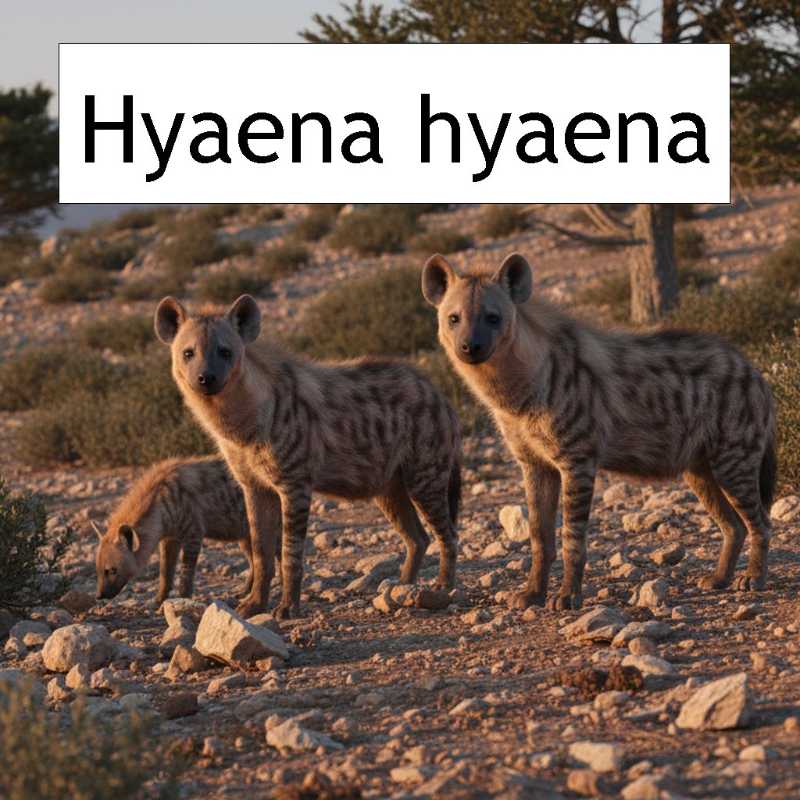
The striped hyena (Hyaena hyaena) is the smallest of the bone-cracking hyena species and has a distribution ranging from North Africa through the Middle East into the Indian subcontinent. It is a nocturnal scavenging carnivore with cat-like characteristics and performs an important ecological role. For centuries it has been part of Levantine folklore and storytelling traditions and this perhaps goes some way to explaining its choice as national animal in Lebanon.
12. India
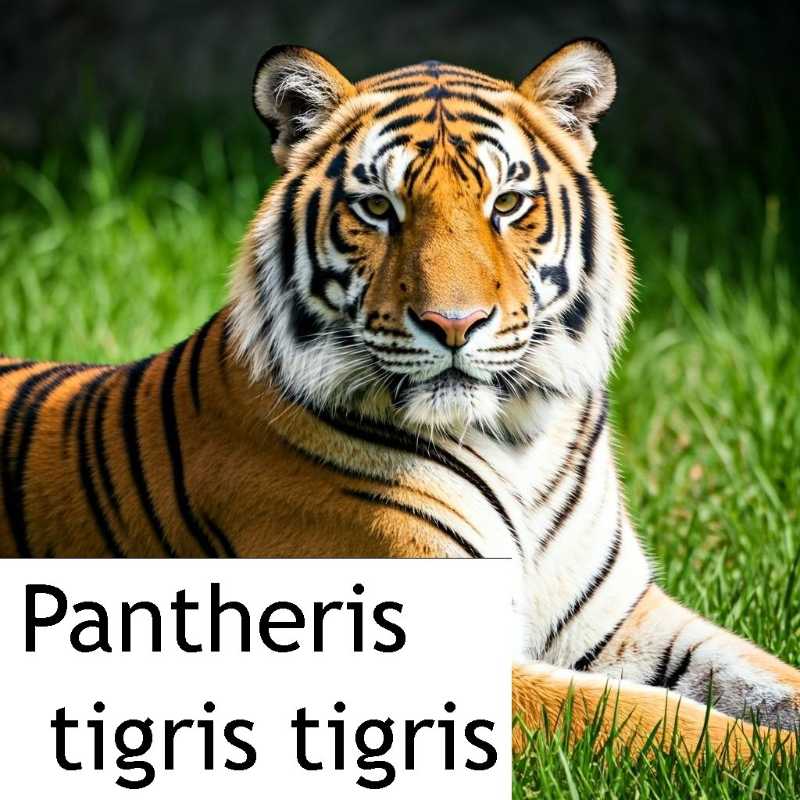
One of the larger wild cats, the Bengal tiger's range extends from India into southwest China through Nepal, Bangladesh and Bhutan. With attrition, populations have become isolated and they are now considered to form two clades: the Siberian and Caspian tigers being the northern one and the remainder in the southern clade.
The Bengal tiger has been made national animal in three countries, including India. They are mostly solitary animals with any social unit being a female and her cubs. Tigers prefer hunting large ungulates and so domestic livestock can be preyed on where humans have encroached onto tiger territory. Rhinoceros and elephant can also fall prey to tigers.
This quiz was reviewed by FunTrivia editor stedman before going online.
Any errors found in FunTrivia content are routinely corrected through our feedback system.