FREE! Click here to Join FunTrivia. Thousands of games, quizzes, and lots more!
Take Me Home Trivia Quiz
While skyscrapers and regular houses have become common around the world, there are still places with traditional types of dwellings unique to the region. Can you match these houses with the correct locations?
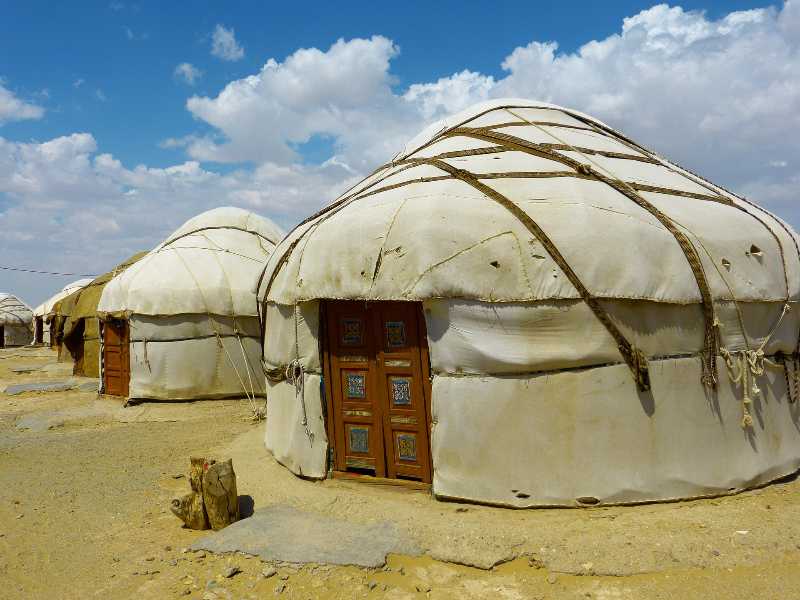
A yurt, also known as a ger, is a traditional dwelling in Mongolia. This structure has been used by the nomadic people of Central Asia for hundreds of years. It's a portable, circular tent with wooden latticework for the door. The tent is covered with felt or animal hides for warmth and insulation.
2. Puglia, Italy
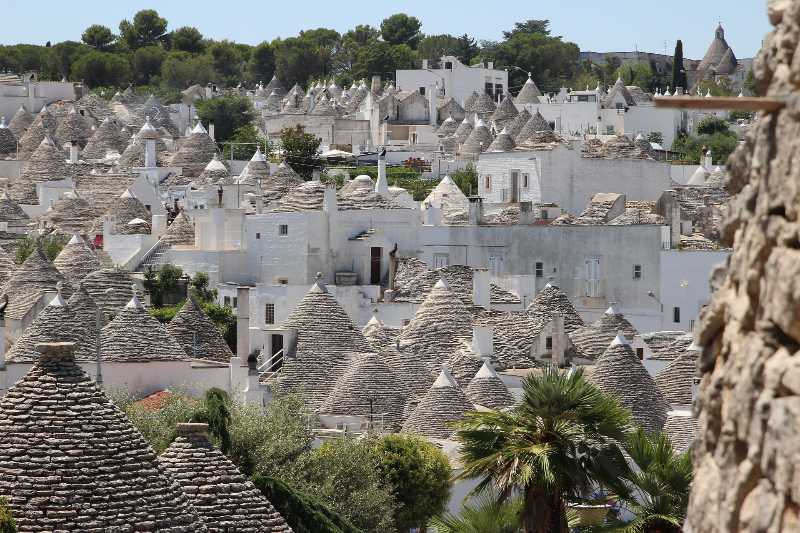
These houses are called trulli (singular trullo). Built of dry stone with a conical hut, these are unique to the Italian region of Puglia (also known as Apulia). The white colour of the houses is derived from the limestone coated on the walls. These houses were traditionally used by local agricultural field workers.
3. Iceland
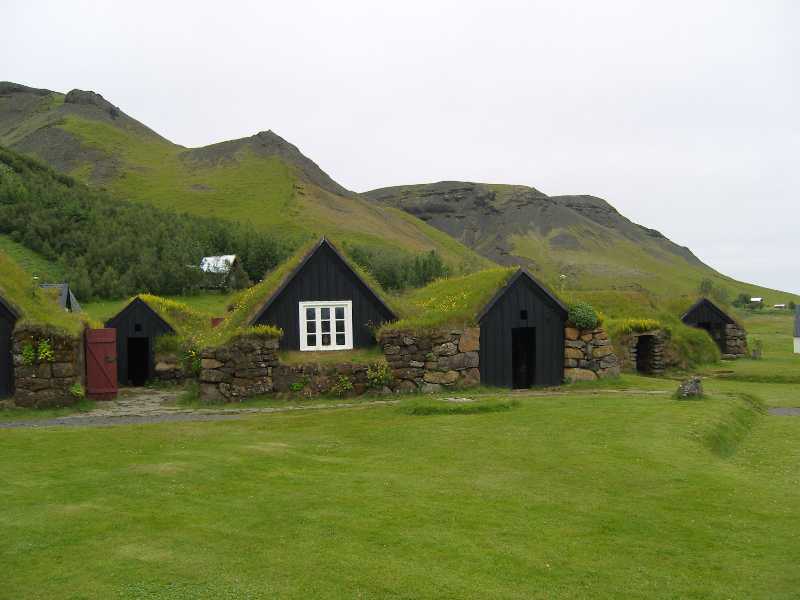
This form of house is called a turf house and they are found across Iceland. They date back to the 9th century when humans first began to settle permanently on this island. The turf houses provide better protection and insulation than regular houses and they also make up for the lack of traditional building material. Generally the foundation is built with stone with a wooden frame on top to hold the turf.
4. South Korea
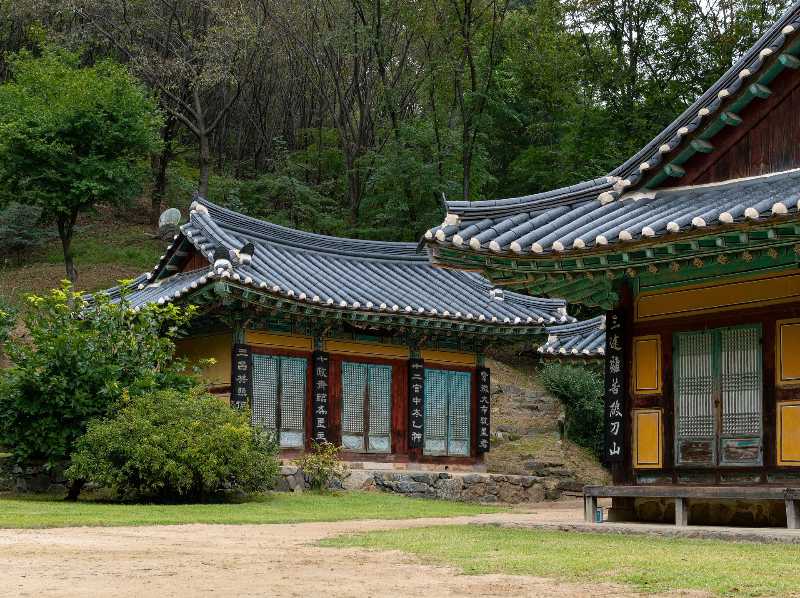
The hanok is a traditional form of housing in South Korea. The same structure is known as 'chosŏnjip' in North Korea. This style of house developed in the 14th century under the Joseon dynasty. In Korean tradition, importance is also given to how the house is positioned relative to its surroundings.
The hanoks are distinguished by their slight curved roofs with some houses having elaborate designs on the underside.
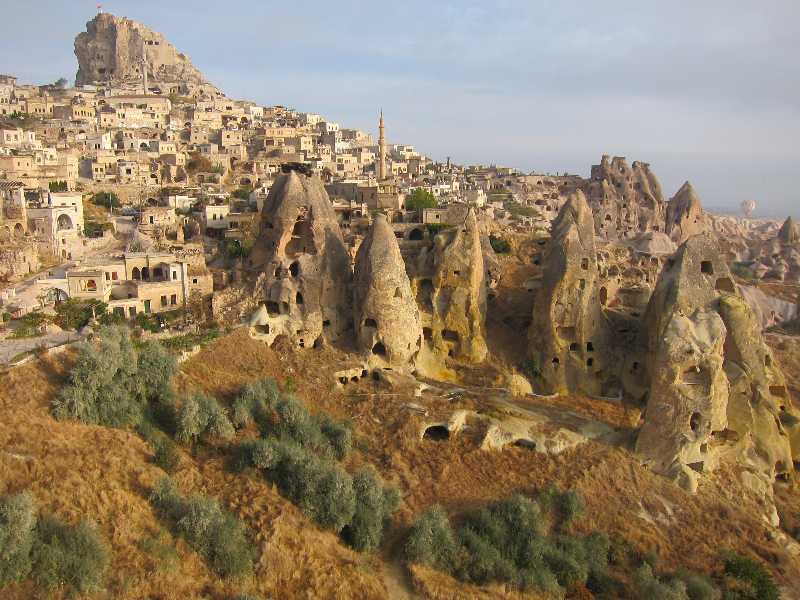
5. Cappadocia, Turkey
Cappadocia is a historical region in Anatolia in Turkey. Evidence suggests that this area has been inhabited since the 6th century BC. Cappadocia is famous for its unique landscape. The semi-arid is dominated by tuff, a soft volcanic rock. Given its softness, it is relatively easy to shape this stone.
As a result, houses were built into the stone in cave-like formations. This provided protection from natural elements as well as attacks.
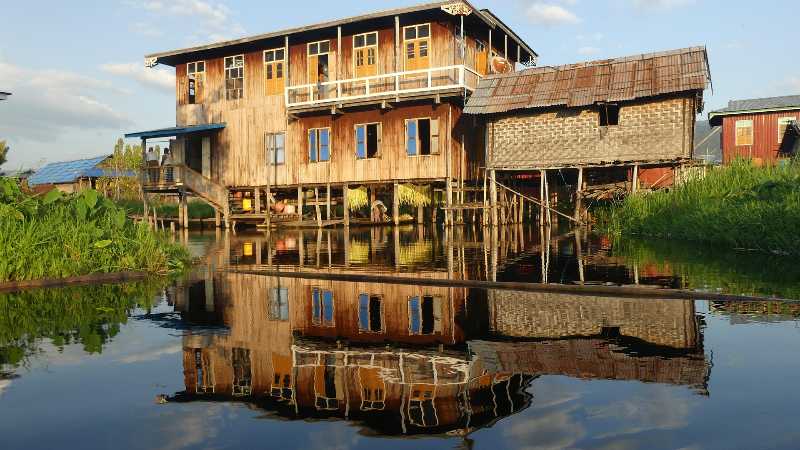
6. Vietnam
The traditional Vietnamese stilt house is known as 'nha san'. The structure is built using locally available materials like bamboo, wood, and palm branches. Timber is used for the stilts and flooring while the walls and roofs can be made from bamboo and palm leaves.
These houses are common in rural areas and among the Hmong and Tay ethnic groups. As a result, they can also be found in other neighbouring countries.
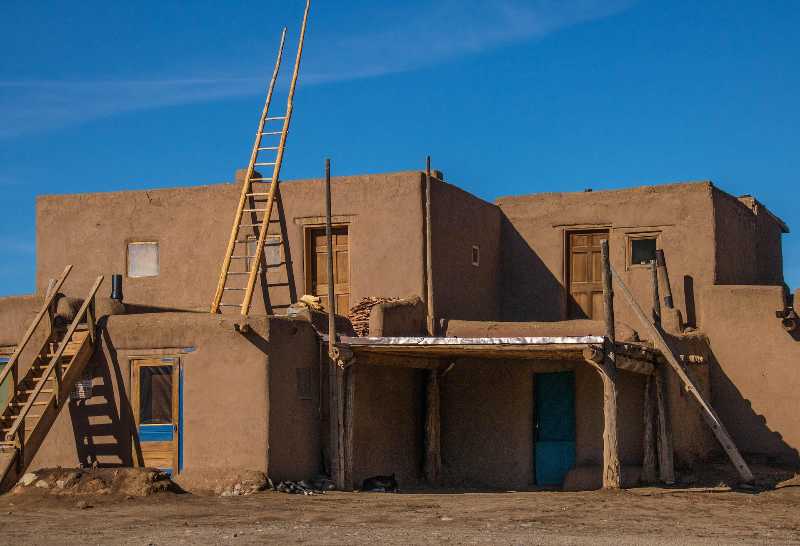
7. Southwestern USA
The adobe houses were built by the Pueblo people, a group of Native Americans living in the southwestern part of the United States. Due to the hot and dry climate of the region, the people made bricks of mud and dried grasses to build their structures.
These building materials have been able to stand the test of time resulting in some structures surviving for hundreds of years. The thick walls helped to keep the interior of the houses cool and the flat roofs generally had canals on the edges to collect rainwater.
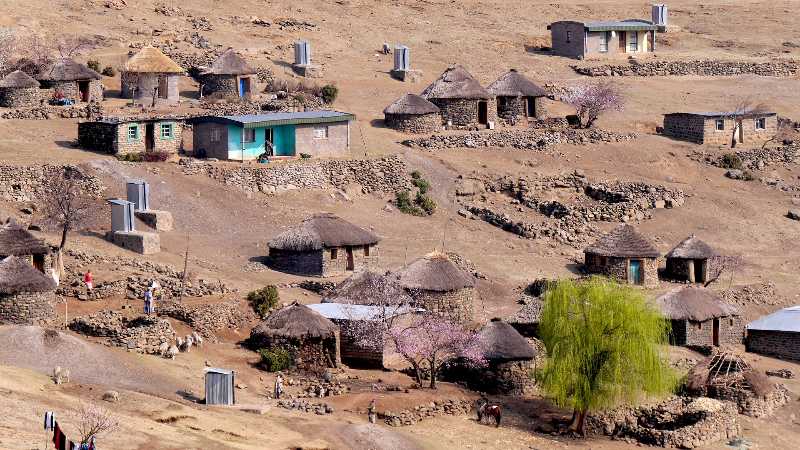
8. Southern Africa
These round huts, common across various parts of southern Africa, are known as rondavels. The word is derived from the Afrikaans language. The hut generally consists of one room only and traditionally, these were used as temporary housing or resting places, mostly used during hunting. The walls are made of stone while the roof is thatched.
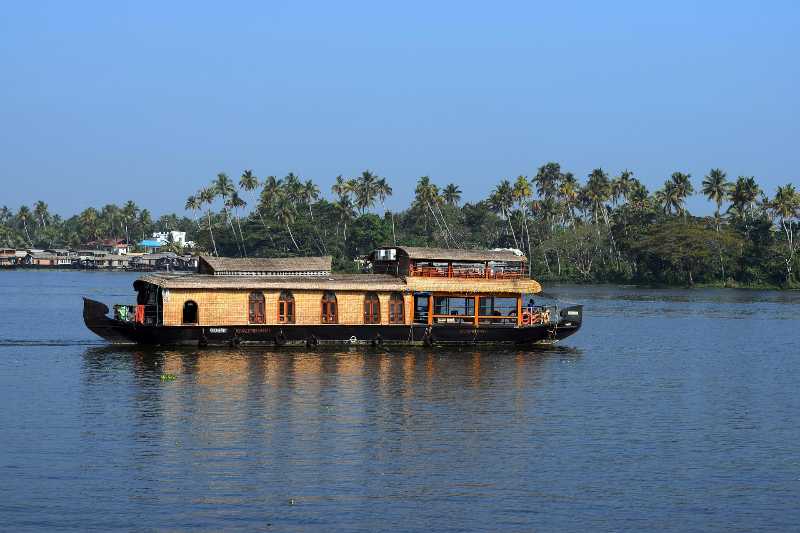
9. Kerala, India
These houseboats are widely used in the south Indian state of Kerala where they are known as Kettuvallam. The wooden hull of the boat is covered with a thatched roof creating an enclosed space for habitation. Traditionally these were used to transport rice and spices across the backwaters of Kerala. They also functioned as the living quarters for the boatmen and their families.
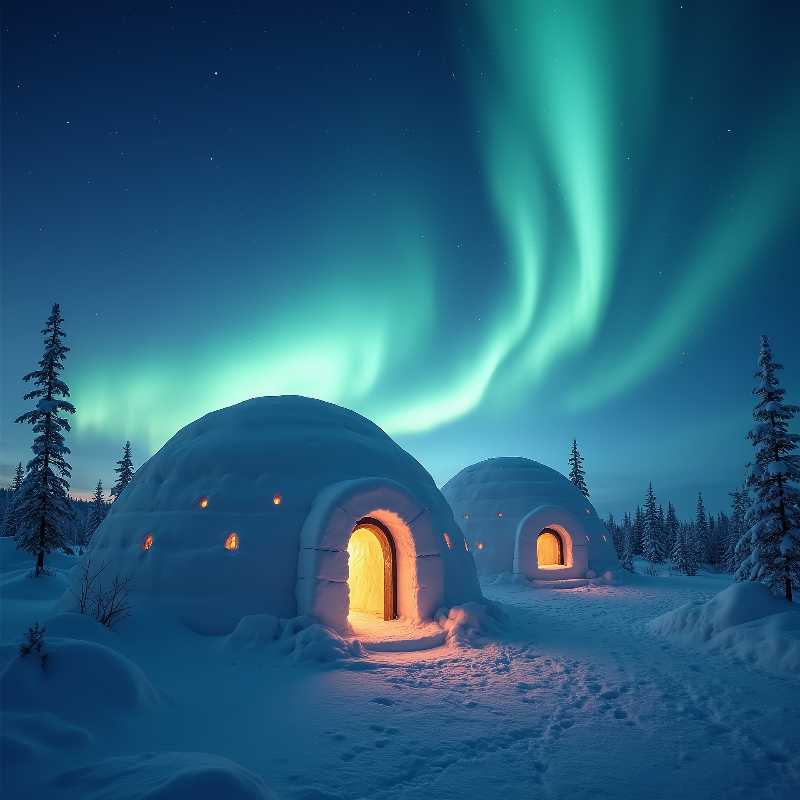
10. Canada
Igloos are houses made of snow. They are associated with the Inuit people of Canada, although they are also found in the Qaanaaq region of Greenland. The snow helped to insulate the house in a feature known as the 'igloo effect'.
This quiz was reviewed by FunTrivia editor stedman before going online.
Any errors found in FunTrivia content are routinely corrected through our feedback system.